Choosing the right speaker impedance for your audio system is essential for achieving optimal sound quality and ensuring the longevity of your equipment. The key to this is matching the impedance of your speakers with that of your amplifier. This alignment facilitates efficient power transfer and enhances overall audio performance. In this article, you’ll learn how to determine the appropriate impedance for your setup and the critical factors to consider in making your choice.



Understanding Speaker Impedance
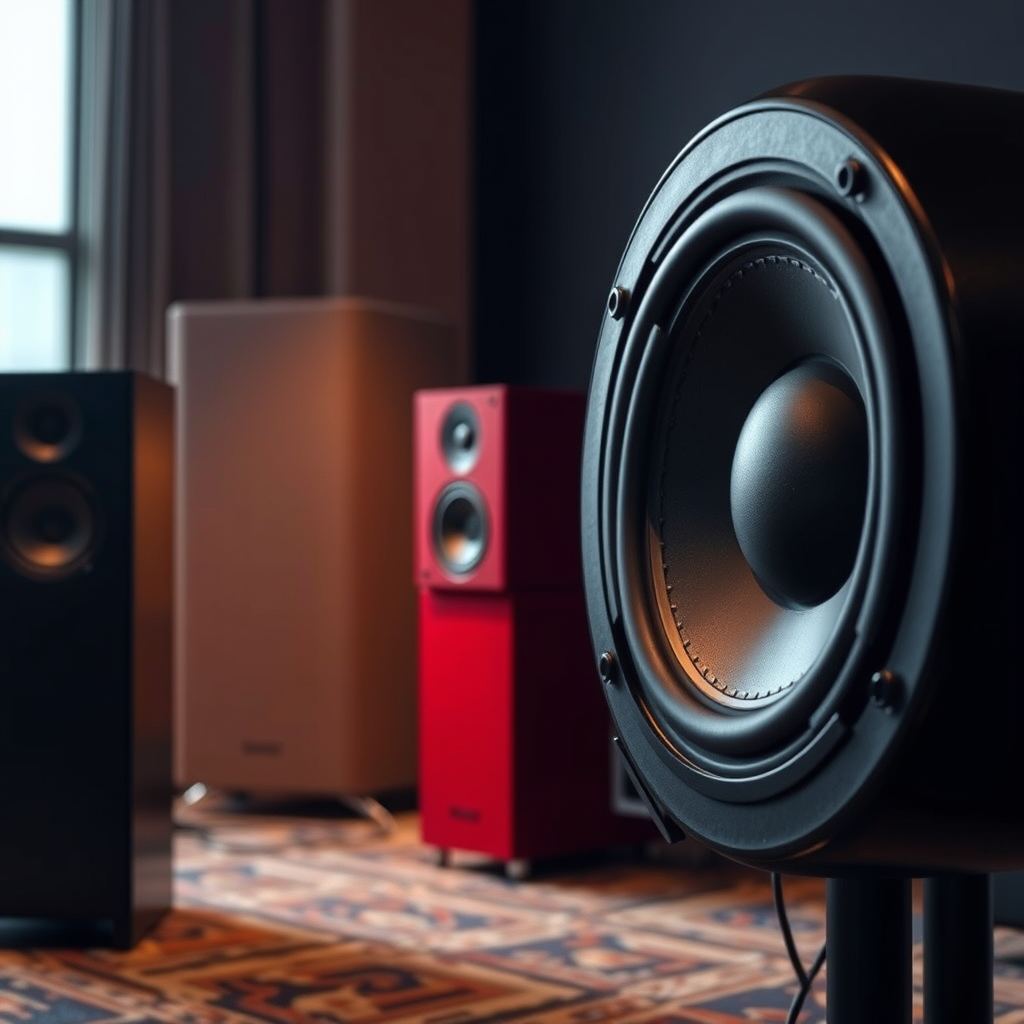
Impedance, measured in ohms (Ω), refers to the resistance that an electrical circuit presents to the flow of alternating current (AC). In the context of audio systems, it plays a pivotal role in defining how much power your amplifier needs to drive your speakers effectively. Common impedance ratings for speakers include 4, 6, and 8 ohms.
– 4 Ohms: These speakers generally require more power from the amplifier but can deliver higher output levels. They are often used in performance audio systems.
– 6 Ohms: This is a middle ground, offering a balance between power requirements and efficiency. They can work well in both home and professional audio setups.
– 8 Ohms: The most common impedance rating, these speakers are typically easier to drive, making them a popular choice for home audio systems.
Understanding these ratings helps users select speakers that harmonize with their amplifiers, ensuring both components operate within their optimal ranges.
Importance of Matching Impedance
Matching the impedance of your speakers and amplifier is crucial for several reasons. First, proper impedance matching maximizes power output and ensures that the sound quality is clear and undistorted. When the impedance levels are aligned, the amplifier can transfer power efficiently to the speakers, resulting in better sound reproduction.
Conversely, mismatched impedance can lead to several issues. If the speaker impedance is too low for the amplifier, it may draw excessive current, leading to overheating and potential damage to both the amplifier and the speakers. Distortion is another risk associated with impedance mismatch, often manifesting as crackling or a loss of audio clarity during playback.
Evaluating Your Amplifier’s Specifications
To choose the correct speaker impedance, it is crucial to evaluate your amplifier’s specifications. Here are the key specifications to consider:
– Power Rating: This indicates how much power the amplifier can deliver to the speakers. It’s typically expressed in watts (W) and varies based on the impedance load (e.g., 8Ω vs. 4Ω).
– Impedance Compatibility: Most amplifiers specify compatible speaker impedance ratings. Ensure your speaker’s impedance falls within this range for optimal performance.
To find the optimal impedance range for your amplifier, consult the user manual or the manufacturer’s website. This information is vital for identifying the ideal speaker impedance that will prevent damage and enhance sound quality.
Analyzing Speaker Specifications
When evaluating speakers, several specifications should be reviewed to ensure compatibility with your amplifier:
– Impedance Rating: This should match your amplifier’s recommended impedance for optimal performance.
– Sensitivity: Measured in decibels (dB), sensitivity indicates how efficiently a speaker converts power into sound. Higher sensitivity ratings mean the speaker requires less power to produce a given volume.
Understanding how these specifications interact can significantly impact your audio system’s overall performance. For example, a speaker with a high sensitivity rating will perform well even with an amplifier that has a lower power output.
Top Speaker Brands by Impedance Ratings (2024)
| # | Brand | Common Impedance Ratings | Sensitivity (dB) | Best For |
|---|---|---|---|---|
| 1 | Bowers & Wilkins | 4, 8 Ohms | 90 dB | Home Theater |
| 2 | Klipsch | 8 Ohms | 92 dB | High Sensitivity |
| 3 | Yamaha | 6, 8 Ohms | 88 dB | Entry-Level |
| 4 | Polk Audio | 6, 8 Ohms | 89 dB | Budget Options |
| 5 | JBL | 4, 6 Ohms | 86 dB | Portable Systems |
| 6 | Sonos | 8 Ohms | 85 dB | Multi-Room Audio |
| 7 | KEF | 8 Ohms | 90 dB | High-End Performance |
Considering the Type of Audio System
The type of audio system you are using will also influence your impedance choices. Home theater systems and stereo systems can have different impedance requirements.
– Home Theater Systems: These setups often utilize multiple speakers and subwoofers, which can complicate impedance matching. For example, if you connect multiple 8-ohm speakers in parallel, the total impedance drops, which can stress the amplifier.
– Stereo Systems: Typically simpler, these systems may use a pair of speakers, making it easier to match the impedance. Most stereo amplifiers are designed to work efficiently with 8-ohm speakers.
In scenarios where multiple speakers or subwoofers are used, it’s crucial to calculate the combined impedance to prevent any overload on the amplifier.
Testing Your Setup
Testing your current audio setup can help determine whether your impedance matches correctly. Here are some methods to test impedance:
1. Multimeter: Use a multimeter to measure the resistance of your speaker terminals. This value should closely match the nominal impedance rating of the speaker.
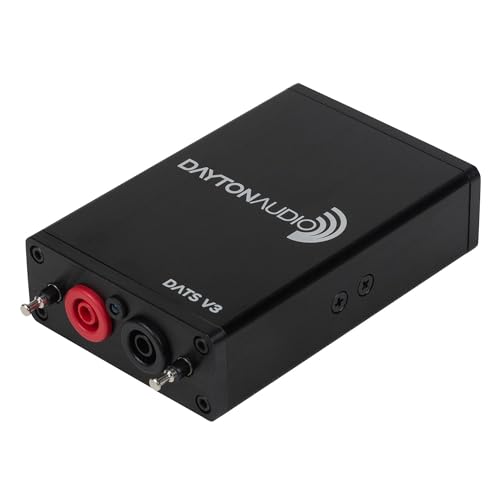
2. Impedance Meter: For a more precise measurement, consider using an impedance meter, which can provide a detailed reading of speaker impedance across various frequencies.
Tools such as these are essential for ensuring that your audio system operates efficiently and without risk of damage.
Speaker Impedance Testing Results
Common Impedance Configurations
When wiring your speakers, understanding common configurations is vital for achieving optimal performance. Here are two prevalent setups:
– Series Wiring: When speakers are wired in series, the total impedance increases. For example, two 8-ohm speakers in series will yield a total impedance of 16 ohms. This configuration can be useful when working with high-impedance amplifiers but may reduce power output.
– Parallel Wiring: Conversely, wiring speakers in parallel decreases total impedance. Two 8-ohm speakers in parallel will result in a total impedance of 4 ohms, which can push an amplifier to deliver more power. However, it can also risk overheating if the amplifier isn’t designed for low-impedance loads.
When deciding between these configurations, consider the specifications of both your amplifier and speakers to ensure compatibility and prevent damage.
Summarizing the key points, selecting the right speaker impedance not only enhances sound quality but also protects your equipment. Start by evaluating both your amplifier and speaker specifications, and consider your specific audio system needs. If you’re unsure, consult with an audio professional or conduct further research to find the best match for your setup. By paying attention to these details, you can create a balanced audio environment that meets your listening preferences.
Frequently Asked Questions
What is speaker impedance and why is it important for my audio system?
Speaker impedance refers to the resistance that a speaker presents to the amplifier and is measured in ohms. It’s important because it affects the power output of your amplifier and the overall sound quality of your audio system. Matching the impedance of your speakers with that of your amplifier ensures optimal performance and avoids damage to your equipment.
How do I determine the right speaker impedance for my amplifier?
To determine the right speaker impedance for your amplifier, check the specifications of your amp, which will usually indicate a compatible impedance range, such as 4, 6, or 8 ohms. Ideally, you should choose speakers that match this impedance to ensure efficient power transfer and avoid overloading the amplifier.
Why do different speakers have varying impedance ratings?
Different speakers have varying impedance ratings due to their design and the type of materials used in their construction. Factors such as the size of the speaker, the type of driver, and the overall design of the cabinet can influence the impedance. Understanding these differences helps you select speakers that will work harmoniously with your audio system.
What is the best impedance for home audio speakers?
The best impedance for home audio speakers typically falls between 6 and 8 ohms, as most consumer amplifiers are designed to work efficiently within this range. However, if you have a high-powered amplifier, you may also consider 4-ohm speakers for improved power handling and lower distortion levels, keeping in mind that this may necessitate careful monitoring of your amplifier’s performance.
Which common mistakes should I avoid when choosing speaker impedance?
Common mistakes to avoid include mismatching speaker impedance with your amplifier, which can lead to reduced sound quality or even damage the equipment. Additionally, neglecting to consider the total impedance when using multiple speakers in parallel or series can result in unexpected load changes. Always refer to manufacturer guidelines to ensure compatibility and optimal performance.
References
- Electrical impedance
https://en.wikipedia.org/wiki/Electric_impedance - https://www.jstor.org/stable/10.2307/25021724
https://www.jstor.org/stable/10.2307/25021724 - https://www.audioholics.com/audio-amplifier-articles/understanding-speaker-impedance
https://www.audioholics.com/audio-amplifier-articles/understanding-speaker-impedance - https://www.sweetwater.com/insync/understanding-speaker-impedance/
https://www.sweetwater.com/insync/understanding-speaker-impedance/ - Light Sensor including Photocell and LDR Sensor
https://www.electronics-tutorials.ws/io/io_4.html - https://www.sciencedirect.com/science/article/pii/S2213138821000054
https://www.sciencedirect.com/science/article/pii/S2213138821000054 - https://www.kenstone.net/fcp_homepage/speaker_impedance.html
https://www.kenstone.net/fcp_homepage/speaker_impedance.html - Google Scholar Google Scholar
https://scholar.google.com/scholar?q=how+to+choose+the+right+speaker+impedance+for+your+system - Google Scholar Google Scholar
https://scholar.google.com/scholar?q=speaker+impedance+matching - Google Scholar Google Scholar
https://scholar.google.com/scholar?q=speaker+impedance+and+audio+performance