
To achieve optimal sound distribution, you should mount your speakers at ear level and angle them towards the listening area. Proper placement and alignment significantly enhance audio clarity and create a more immersive listening experience. In this article, we’ll explore various techniques and tips for effectively mounting your speakers to optimize sound quality, ensuring that you enjoy the full richness of your audio system.




Understanding Speaker Placement
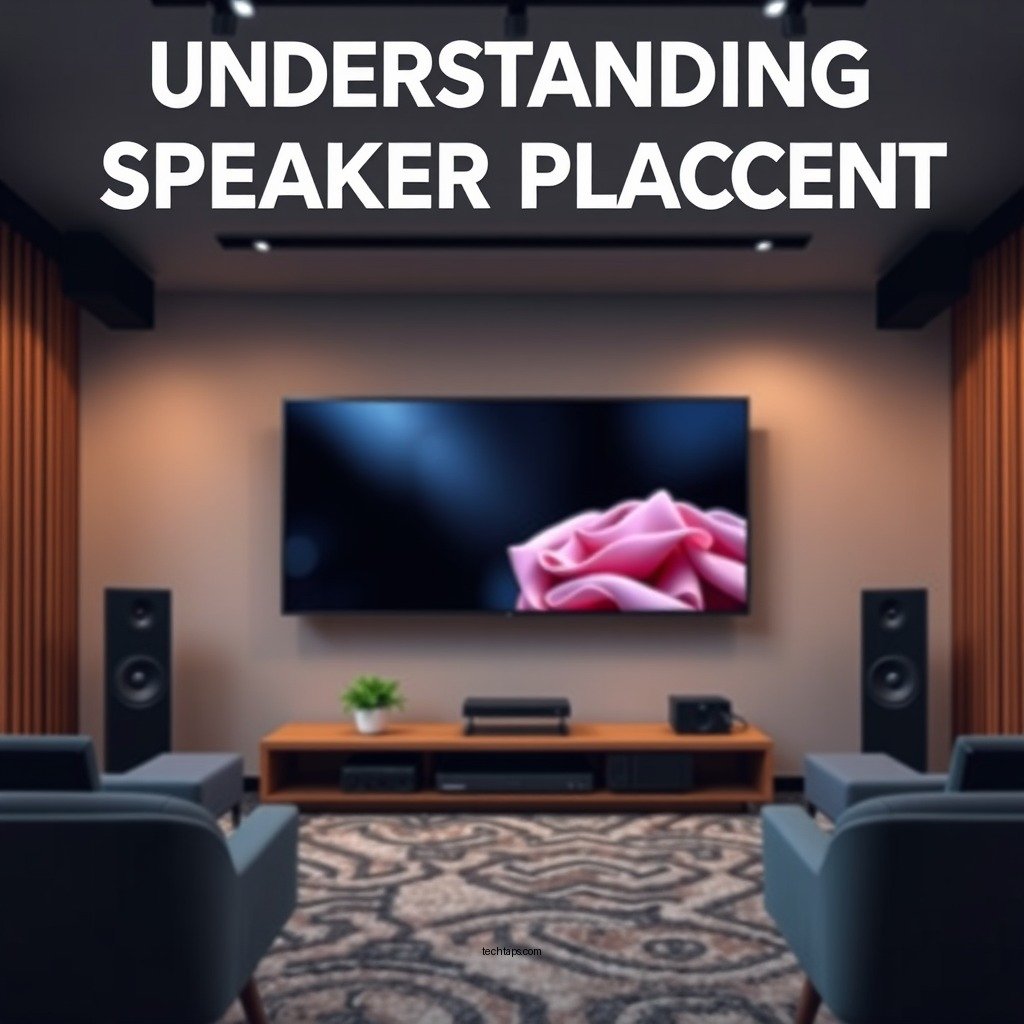
The placement of your speakers is crucial for achieving the best sound quality. One of the most significant factors in speaker placement is height. Ideally, speakers should be mounted at ear level when you are seated. This positioning ensures that the sound waves travel directly to your ears, minimizing any distortion that can occur if the speakers are too high or too low. For most listening environments, this means positioning the tweeters of your speakers approximately 36 to 48 inches off the ground.
In addition to height, the distance from walls plays a vital role in sound quality. Placing speakers too close to walls can lead to unwanted reflections, which can muddle the sound and create an echo effect. The general rule is to keep the speakers about 1 to 3 feet away from any walls to allow for better sound dispersion and clarity. This allows the sound to breathe, creating a more dynamic listening experience.
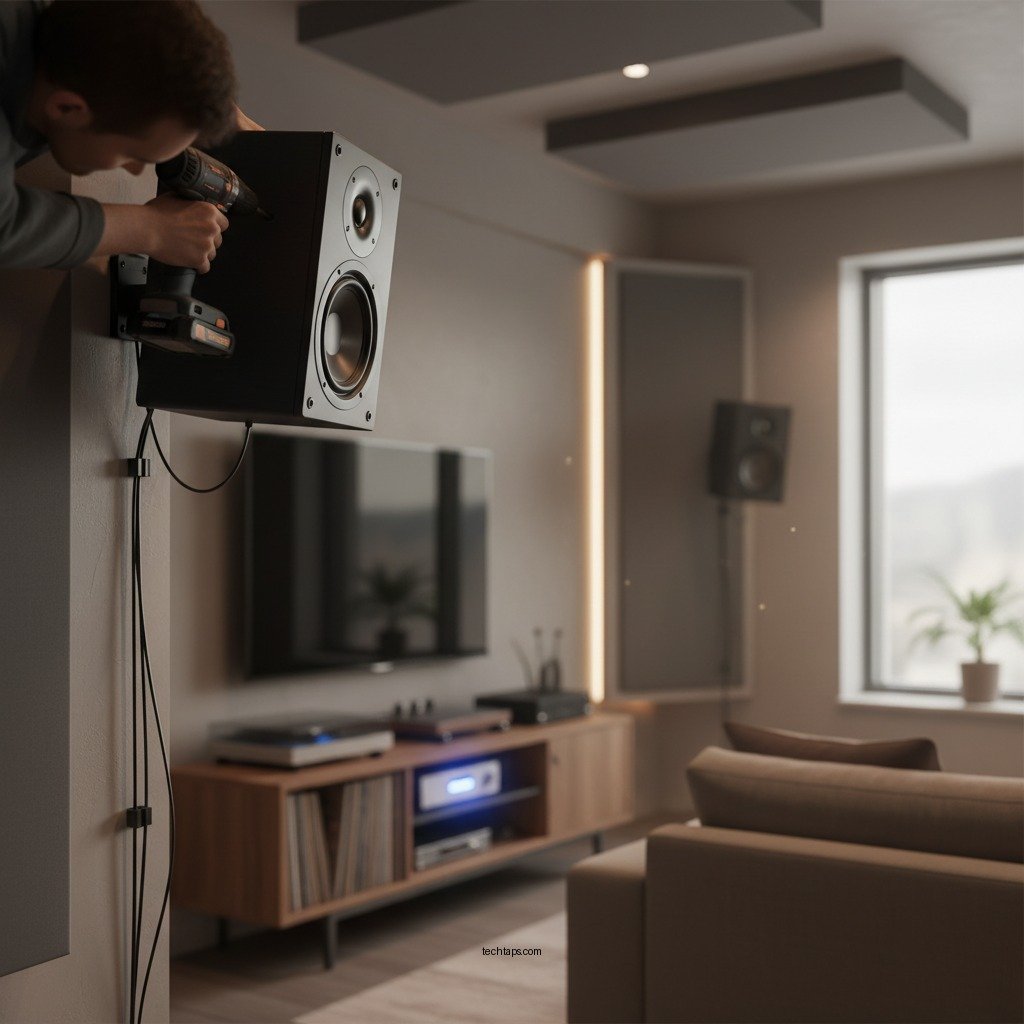
Choosing the Right Mounting Location
Selecting the right mounting location for your speakers involves assessing your room layout, including furniture placement and the primary listening position. Start by identifying where you usually sit while enjoying music or movies. This will help you determine the ideal angle and height for your speakers.
When examining potential wall spaces, look for areas that minimize obstructions, such as furniture or décor items that could interfere with sound waves. Additionally, consider the layout of your room. If you have an open floor plan, you may need to adjust speaker placement to avoid sound loss in open areas. The goal is to create a direct sound path from the speakers to the listener’s position while also ensuring that sound can fill the room evenly.
Types of Speaker Mounts
When it comes to mounting your speakers, you have several options to consider. Wall mounts are a popular choice, and they come in two primary types: fixed and adjustable. Fixed mounts are simple and secure, providing a stable solution for speakers that do not need to be repositioned often. However, adjustable mounts offer flexibility, allowing you to angle your speakers as needed to optimize sound direction.
Ceiling mounts are another option, particularly for surround sound systems. Installing speakers in the ceiling can create an immersive audio experience, especially for home theaters. This setup can be particularly effective for overhead sound effects in movies and gaming. When considering ceiling installation, ensure that the speakers are appropriately angled to direct sound towards the listening area.
Top 7 Speaker Mounting Options (2024)
| # | Mount Type | Pros | Cons | Best For |
|---|---|---|---|---|
| 1 | Fixed Wall Mount | Stable and secure | No adjustability | Regular Use |
| 2 | Adjustable Wall Mount | Flexible positioning | Potentially less stable | Home Theaters |
| 3 | Ceiling Mount | Great for surround sound | Complex installation | Surround Sound |
| 4 | Bookshelf Mount | Easy to adjust | Requires shelf space | Compact Rooms |
| 5 | Corner Mount | Maximizes space | Limited adjustability | Small Spaces |
| 6 | Tilt Mount | Enhanced sound direction | May require recalibration | Home Theaters |
| 7 | In-wall Mount | Aesthetically pleasing | Complex installation | Modern Interiors |
Angling Your Speakers
Angling your speakers can significantly improve sound direction and clarity. By slightly tilting your speakers towards the listening area, you can ensure that sound waves are directed where they are most needed. This adjustment can enhance the stereo image, allowing for a more immersive audio experience.
To find the best angle for your speakers, consider using simple methods such as listening tests or adjusting the position slightly and observing the differences in sound quality. Ideally, aim for a slight upward or downward tilt, depending on the specific location of your speakers and your listening position. This adjustment can make a notable difference in how sound fills the room.
Securing Your Speakers
Once you have determined the optimal position and angle for your speakers, the next step is to secure them properly. Use appropriate mounting hardware designed for your specific type of speakers and wall material. This is critical for ensuring stability and preventing accidents.
Always check the weight rating of your mounts to ensure they can support the weight of your speakers. Additionally, when drilling into walls or ceilings, be mindful of potential electrical wiring or plumbing that could be hidden behind the surface. Taking these precautions will not only ensure safety but also prolong the life of your audio equipment.
Testing and Fine-Tuning
After mounting your speakers, it’s essential to evaluate the sound quality. Conduct listening tests to assess clarity, depth, and overall audio performance. You may need to make further adjustments to the angle or position of your speakers based on your observations.
Small tweaks can lead to significant improvements in sound. For instance, moving a speaker just a few inches can enhance the stereo image or reduce unwanted echoes. Therefore, it’s beneficial to take your time during this phase, experimenting with different placements until you achieve the best possible sound quality.
In summary, mounting your speakers correctly is pivotal for achieving optimal sound distribution. By understanding placement, choosing the right mounts, angling your speakers properly, and securing them safely, you can significantly enhance your audio experience. Take these tips and apply them to your setup for improved sound quality today!
Frequently Asked Questions
What is the best height for mounting speakers to achieve optimal sound quality?
The ideal height for mounting speakers is typically at ear level when seated, which is around 36 to 42 inches from the floor. This positioning ensures that sound waves reach your ears directly, enhancing clarity and balance. If wall-mounted, consider tilting the speakers downward slightly to direct the sound towards your listening area.
How do I determine the right distance between my speakers for optimal sound distribution?
The distance between your speakers should generally be about 6 to 10 feet apart for a standard setup, depending on the size of your room. For a more immersive experience, aim for an equilateral triangle configuration with your listening position. This arrangement helps create a balanced soundstage, maximizing audio quality and clarity.
Why is speaker placement important for home theater systems?
Speaker placement is crucial for home theater systems because it directly affects sound imaging, depth, and overall immersion. Properly positioned speakers can minimize sound reflections and create a surround sound experience, making movies and music feel more engaging. Neglecting placement can lead to muddled audio and a less enjoyable viewing experience.
Which wall materials are best for mounting speakers to reduce vibration and improve sound?
The best wall materials for mounting speakers are dense and sturdy surfaces, such as concrete or solid wood, as they reduce vibrations and enhance sound quality. Avoid mounting speakers on thin drywall or hollow walls, as these can cause unwanted resonance and diminish audio performance. If you must mount on drywall, consider using vibration-dampening mounts or brackets.
How can I avoid common mistakes when mounting speakers for better sound distribution?
To avoid common mistakes when mounting speakers, ensure they are not placed too high, too low, or too close to corners, as these positions can distort sound. Additionally, use proper brackets and ensure secure mounting to prevent speaker movement. Finally, take some time to test different placements before finalizing, as small adjustments can significantly improve your listening experience.
References
- https://en.wikipedia.org/wiki/Speaker_(audio
https://en.wikipedia.org/wiki/Speaker_(audio - https://www.sciencedirect.com/topics/engineering/loudspeaker
https://www.sciencedirect.com/topics/engineering/loudspeaker - https://www.bbc.com/future/article/20200131-how-to-get-the-best-sound-from-your-speakers
https://www.bbc.com/future/article/20200131-how-to-get-the-best-sound-from-your-speakers - Understanding Calcium-Mediated Adhesion of Nanomaterials in Reservoir Fluids by Insights from Mol…
https://www.nature.com/articles/s41598-019-46999-8 - Google Scholar Google Scholar
https://scholar.google.com/scholar?q=How+to+Mount+Your+Speakers+for+Better+Sound+Distribution - Google Scholar Google Scholar
https://scholar.google.com/scholar?q=speaker+placement+sound+distribution - Google Scholar Google Scholar
https://scholar.google.com/scholar?q=speaker+mounting+techniques - https://www.britannica.com/art/sound-technology
https://www.britannica.com/art/sound-technology - https://www.ncbi.nlm.nih.gov/pmc/articles/PMC7170404/
https://www.ncbi.nlm.nih.gov/pmc/articles/PMC7170404/ - https://www.reuters.com/article/us-audio-speakers/how-to-get-the-most-out-of-your-speakers-idUSKBN2A20J2
https://www.reuters.com/article/us-audio-speakers/how-to-get-the-most-out-of-your-speakers-idUSKBN2A20J2
