
Quantum computing has the potential to dramatically improve sound processing by enabling faster data analysis and more sophisticated algorithms. This groundbreaking technology promises to enhance audio quality, streamline noise reduction, and allow for real-time sound manipulation in ways never before imagined. In this article, we will dive deep into how quantum computing is poised to transform the landscape of sound processing, making it an exciting time for audio professionals and enthusiasts alike.




The Basics of Quantum Computing

At its core, quantum computing departs significantly from classical computing by utilizing qubits instead of traditional bits. While a classical bit can represent either a 0 or a 1, a qubit can exist in multiple states simultaneously thanks to the principles of superposition and entanglement. This means that quantum computers can perform numerous calculations at once, making them incredibly efficient for handling complex datasets.
For sound processing, this parallel processing capability is crucial. Imagine having to analyze thousands of audio channels or frequencies in real time; classical computers can struggle with such tasks, often leading to delays or degraded performance. In contrast, quantum computers can tackle these challenges with ease, opening up new possibilities for advanced sound analysis and manipulation. Whether it’s enhancing a live performance or processing a lengthy audio file, quantum computing stands ready to take sound processing to the next level.

Current Limitations of Classical Sound Processing
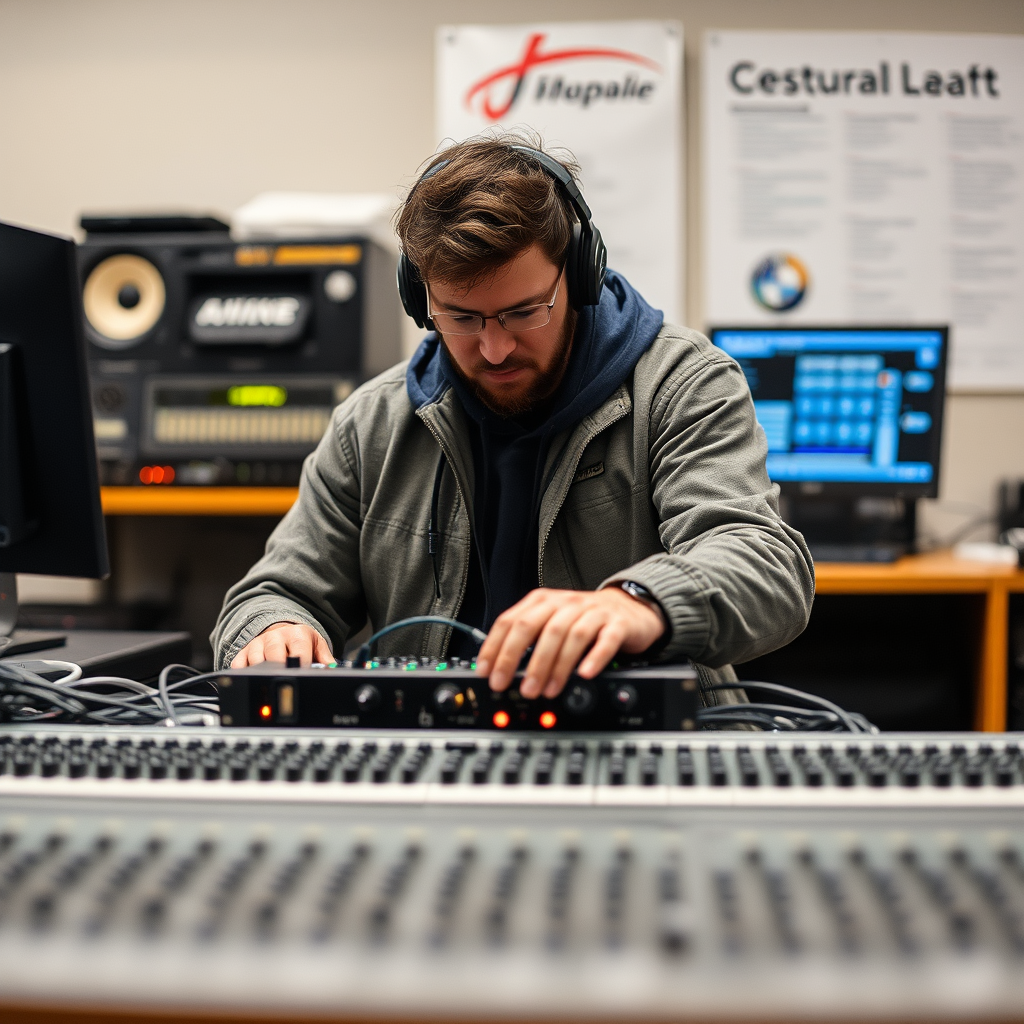
Despite the advancements in classical computing, there are significant limitations when it comes to real-time audio analysis. Classical systems often rely on linear processing capabilities, which can lead to bottlenecks in performance, especially when analyzing high-resolution audio streams or complex multi-track recordings. For instance, the task of noise reduction in audio signals frequently requires extensive computational resources, which can delay the results and hinder the overall workflow.
Additionally, classical algorithms for audio processing can struggle with intricate sound manipulation. Techniques like spectral analysis or convolution for sound effects may yield satisfactory results but often lack the precision and speed needed for high-quality outputs in a live setting. As a result, audio professionals often find themselves working with tools that don’t fully meet the needs of their creative vision, leading to frustration and limitations in artistic expression.
Enhancements in Audio Quality
One of the most exciting prospects of quantum computing in sound processing is its potential to significantly enhance audio quality. Advanced algorithms that leverage quantum computing might enable breakthroughs in sound fidelity and clarity. For instance, quantum machine learning could be employed to analyze listener preferences and tailor audio experiences accordingly.
Imagine a music streaming service that uses quantum algorithms to adjust the audio output based on your mood or environment. If you’re working in a noisy café, the service could automatically enhance vocal clarity while reducing background noise, creating an immersive listening experience. Such advancements could redefine how we consume and interact with sound, making audio not just a product but a personalized experience.
Moreover, quantum computing could facilitate the development of complex audio effects that are currently beyond the reach of classical systems. Techniques such as real-time spatial audio rendering, which simulates how sound behaves in a three-dimensional space, could see immense improvements. This means that listeners could experience music or sound effects that feel more immersive and realistic, enriching everything from film soundtracks to gaming environments.
Real-Time Sound Manipulation
The ability to manipulate sound in real time is another area where quantum computing could shine. With its immense processing power, quantum computers could enable complex sound manipulations to happen almost instantaneously. This has significant implications for live performances, where musicians and sound engineers can create dynamic audio landscapes on the fly.
For example, consider a DJ mixing tracks during a live event. With the capabilities of quantum computing, they could apply intricate sound effects, transitions, and manipulations without any noticeable latency. This would enhance not only the quality of the performance but also the overall experience for the audience, making every show unique and memorable.
Furthermore, the realms of gaming and virtual reality could also benefit immensely from real-time sound manipulation powered by quantum computing. In these interactive environments, sound plays a critical role in creating an immersive experience. Imagine a video game where the sound effects adapt to your actions and surroundings, creating a hyper-realistic auditory experience that reacts instantaneously to your movements. This fusion of sound and technology could elevate gaming narratives and experiences to new heights.
Applications in Music Production
Music production is another field ripe for transformation through quantum computing. Imagine music producers having access to quantum-enhanced audio processing tools that allow for faster mixing and mastering. These advancements could streamline workflows, allowing producers to focus more on creativity rather than technical constraints.
For instance, quantum computing could facilitate advanced sound synthesis techniques, leading to the creation of unique soundscapes that were previously impossible to achieve. Producers could experiment with new forms of sound generation, pushing the boundaries of musical genres and styles. The potential for collaboration could also increase, as artists from around the world could work together in real time, utilizing quantum computing to share and manipulate audio tracks seamlessly.
Additionally, the integration of quantum technology in music production could lead to innovations in automated mastering processes, ensuring that tracks are polished and ready for release faster than ever. With this technology, even independent artists could produce high-quality music without needing extensive resources, democratizing the music industry.
Future Challenges and Considerations
While the promise of quantum computing in sound processing is exciting, it’s essential to acknowledge the challenges that lie ahead. The integration of quantum technology into existing audio systems presents technological hurdles, including the need for specialized hardware and software that can effectively harness quantum capabilities.
Moreover, there are ethical considerations surrounding the use of quantum technology in audio manipulation. For instance, if algorithms can create hyper-realistic audio experiences, how do we ensure that they are not used to deceive or manipulate listeners? The potential for misuse in advertising, media, and entertainment could raise serious questions about authenticity and trust in audio content.
As we venture into this new frontier, it’s crucial for audio professionals, technologists, and ethicists to collaborate, ensuring that the advancements in quantum computing are used responsibly and ethically. Establishing guidelines and frameworks for the use of this technology can help shape a future where sound processing enhances creativity without compromising integrity.
As quantum computing continues to evolve, its implications for sound processing will likely reshape the industry. By understanding these advancements, audio professionals can prepare for a future where sound quality and processing capabilities are revolutionized. The road ahead may be filled with challenges, but the potential rewards are immense, promising a new era of audio experiences that are richer, more immersive, and more personalized than ever before.
Frequently Asked Questions
What is quantum computing and how does it relate to sound processing?
Quantum computing is a revolutionary technology that leverages the principles of quantum mechanics to perform computations at unprecedented speeds and efficiencies. In sound processing, quantum computing can optimize complex algorithms used in audio analysis, allowing for real-time processing of large datasets, such as high-resolution audio files or intricate sound models. This can lead to advancements in applications like noise reduction, sound synthesis, and spatial audio rendering.
How could quantum computing improve audio compression techniques?
Quantum computing could significantly enhance audio compression techniques by utilizing quantum algorithms that outperform classical methods. For instance, quantum algorithms can analyze and encode audio data more efficiently, minimizing loss in quality while maximizing compression ratios. This means that users could store or transmit high-quality audio files using less bandwidth and storage space, making it particularly beneficial for streaming services and music production.
Why should audio engineers care about quantum computing advancements?
Audio engineers should pay attention to advancements in quantum computing because it has the potential to revolutionize sound processing workflows. With the ability to handle complex calculations rapidly, quantum computing can lead to more effective sound design, real-time effects processing, and innovative approaches to spatial audio. As these technologies become more integrated into audio production tools, engineers who understand and adapt to these changes will gain a significant competitive edge in the industry.
Which industries are likely to benefit most from quantum computing in sound processing?
The music and entertainment industries, telecommunications, and virtual reality are among the sectors likely to benefit most from quantum computing in sound processing. In music and entertainment, quantum computing can enhance audio quality and production efficiency, while telecommunications can achieve clearer signal processing. Additionally, the gaming and VR industries can utilize quantum computing to create immersive sound environments that enhance user experiences through advanced spatial audio technologies.
What challenges do we face in implementing quantum computing for sound processing?
Implementing quantum computing in sound processing comes with several challenges, such as the current limitation of quantum hardware, which is still in its infancy. Issues like qubit coherence time, error rates, and the need for specialized algorithms tailored for audio applications pose significant hurdles. Moreover, the integration of quantum computing into existing audio processing frameworks requires collaboration between quantum physicists and audio engineers to develop user-friendly tools that can effectively utilize this cutting-edge technology.
References
- Quantum computing
- https://www.nature.com/articles/s41534-021-00417-1
- https://www.sciencedirect.com/science/article/pii/S1369701219302855
- https://www.bbc.com/future/article/20210312-how-quantum-computing-could-change-the-world
- https://www.technologyreview.com/2020/09/15/1007606/quantum-computing-ai-sound-processing/
- https://www.scientificamerican.com/article/quantum-computing-and-the-future-of-ai/
- Blog – IBM Research
- https://www.nist.gov/news-events/news/2021/08/quantum-computing-aims-solve-complex-sound-processing-problems
- https://www.lanl.gov/discover/publications/periodicals/lanl-research/2020/fall/quantum-computing-sound-processing.php
