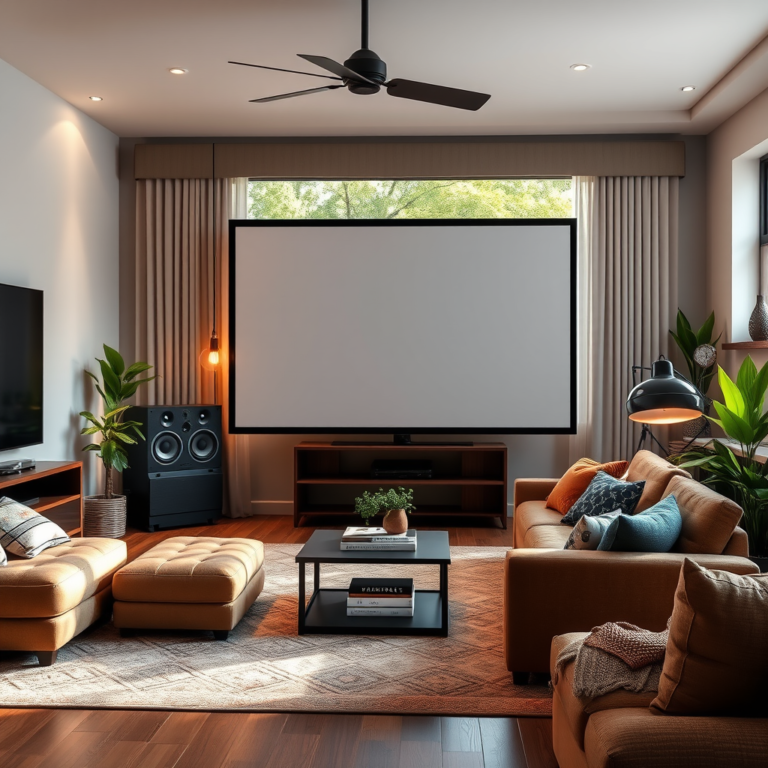

Dolby Atmos for movies and games provides unique immersive sound experiences tailored to each medium’s requirements. In movies, the technology enhances storytelling by creating a three-dimensional sound environment that captivates audiences. Conversely, in games, Dolby Atmos focuses on interactive soundscapes that respond dynamically to player actions, fostering a more engaging experience. This article delves into these differences, providing a comprehensive understanding of how Dolby Atmos elevates audio experiences for both films and gaming.
The Basics of Dolby Atmos
Dolby Atmos is a cutting-edge sound technology that allows audio to be positioned and moved within a three-dimensional space, providing an immersive experience that transcends traditional surround sound. Unlike standard audio formats that rely on channels, Dolby Atmos utilizes sound objects, enabling sound designers to place individual sounds anywhere in a 3D environment. This flexibility makes Dolby Atmos an ideal choice for both cinematic and gaming applications, accommodating a variety of formats including streaming services, Blu-ray discs, and gaming consoles.
The technology supports up to 128 audio tracks and up to 64 unique speaker feeds, making it exceptionally versatile. This capacity is crucial for creating a rich auditory landscape, whether it involves the subtle rustle of leaves in a film or the directional audio cues in a gaming scenario. The ability to produce sound that travels overhead and around the listener enhances the overall experience, making it a favorite among audio professionals and consumers alike.
How Dolby Atmos Enhances Movies
In films, Dolby Atmos transforms the auditory experience by utilizing sound objects to create a rich, immersive environment that heightens emotional engagement. For instance, the sound of a helicopter flying overhead can be precisely placed in the audio space, giving viewers a sense of movement and realism that standard surround sound cannot replicate. This technology allows filmmakers to design soundscapes that complement the visuals, effectively drawing audiences into the narrative.
The integration of Dolby Atmos in movies also enables sound designers to craft intricate audio layers that enhance storytelling. For example, during a dramatic scene, the ambient sounds of a bustling city might seamlessly transition into a quiet, intimate moment between characters, creating a stark contrast that amplifies the emotional weight of the scene. This careful orchestration of sound not only supports the visual elements but also enriches the viewer’s overall experience.
How Dolby Atmos Elevates Gaming
Conversely, in the gaming realm, Dolby Atmos is employed to create dynamic sound environments where audio cues change in response to player actions. This interactivity is crucial for enhancing gameplay immersion, allowing players to experience sound in a way that feels fluid and responsive. For example, in a first-person shooter, players can hear footsteps approaching from behind or the distant sound of an explosion, which can influence their decisions and strategies in real-time.
Moreover, Dolby Atmos enhances spatial awareness in gaming, which is vital for competitive play. The ability to discern the direction and distance of sounds can provide a significant advantage, as players can react more quickly to in-game events. This immersive audio technology allows gamers to feel as though they are part of the game world, heightening the excitement and engagement of the gaming experience.
Technical Differences in Implementation
The technical implementation of Dolby Atmos in movies and games showcases distinct methodologies tailored to their respective narratives. Movie soundtracks are typically pre-mixed and designed for a fixed experience, ensuring that the audience receives a consistent auditory narrative regardless of their viewing environment. This pre-mixing allows for meticulous sound design that enhances the cinematic experience.
In contrast, game audio is often created on-the-fly, dynamically adjusting to player interactions. This real-time processing requires a different approach to audio rendering, as the system must continually assess and adapt to the player’s actions. Consequently, game developers must consider the variability of sound sources and how they interact with the gaming environment, leading to a more complex audio design process.
📋 DATA
Comparison of Dolby Atmos Features for Movies and Games
| # | Feature | Movies | Games | Best For |
|---|---|---|---|---|
| 1 | Audio Object Positioning | Yes | Yes | Both |
| 2 | Dynamic Audio Mixing | No | Yes | Games |
| 3 | Pre-Mixed Sound Tracks | Yes | No | Movies |
| 4 | Real-Time Audio Processing | No | Yes | Games |
| 5 | Immersive Sound Experience | Yes | Yes | Both |
| 6 | Spatial Awareness | No | Yes | Games |
| 7 | Atmospheric Sound Design | Yes | Yes | Both |
| 8 | User Interaction | No | Yes | Games |
| 9 | Total Number of Tracks | 128 | 128 | Both |
| 10 | Integration with Headphones | Yes | Yes | Both |
User Experience for Movies vs. Games
The user experience of Dolby Atmos in movies and games is inherently different due to the nature of engagement each medium requires. Movie viewers typically enjoy a passive experience where audio complements the narrative without requiring any input from them. The carefully curated sound design enhances emotional connections to the story, allowing viewers to become fully immersed in the cinematic world.
In contrast, gamers actively engage with sound to enhance their performance and enjoyment. The auditory cues in games are not just background noise; they are integral to gameplay. For instance, the sound of footsteps can signal an approaching enemy, prompting players to prepare for action. This active engagement transforms the audio experience from a passive observation to a critical element of interaction, making it essential for success in competitive gaming scenarios.
The ideal setup for Dolby Atmos in movies often involves comprehensive home theater systems equipped with multiple speakers positioned around the room. These setups maximize the audio experience, ensuring that sound envelops the viewer from all angles. Conversely, gamers may prefer more compact setups, such as high-quality headphones or soundbars, which provide a personalized auditory experience while maintaining the immersive qualities of Dolby Atmos.
Choosing the Right Setup
When selecting a Dolby Atmos setup, it’s essential to consider whether your primary use will be for movies or gaming, as this choice significantly influences speaker configuration and equipment selections. For movie enthusiasts, a full surround sound system is typically recommended to fully appreciate the intricate sound design and depth of cinematic audio. This setup may include a combination of floor-standing speakers, wall-mounted speakers, and a subwoofer to deliver a robust auditory experience.
On the other hand, gamers might opt for a more streamlined setup that prioritizes flexibility and spatial awareness. High-quality headphones with Dolby Atmos support can be an excellent choice, as they provide immersive sound without the need for extensive speaker configurations. Soundbars equipped with Dolby Atmos technology are also popular among gamers for their ease of use and ability to deliver a surround sound experience in a compact form factor.
Future of Dolby Atmos in Entertainment
The future of Dolby Atmos in both film and gaming industries is bright, with continuous innovation on the horizon. As technology advances, Dolby Atmos is evolving to meet the demands of new media formats and user experiences. One exciting area of development is the integration of Dolby Atmos with virtual reality (VR) and augmented reality (AR). This integration promises to further blur the lines between cinematic and gaming audio, creating unprecedented immersive experiences.
As VR and AR technology continues to mature, the potential for Dolby Atmos to enhance these environments is immense. Imagine walking through a virtual world where sounds are not only spatially accurate but also contextually relevant, adapting as you move and interact with the environment. This level of immersion could redefine how we experience audio in entertainment, making it even more integral to storytelling and gameplay.
In conclusion, Dolby Atmos significantly enhances both movies and games, but each application serves different purposes and provides unique user experiences. Understanding these differences can help you make informed choices about your audio setup. Whether you’re a cinephile or a gaming enthusiast, embracing the right Dolby Atmos experience will greatly enhance your enjoyment. Explore Dolby Atmos systems tailored to your media consumption preferences, and prepare to elevate your audio experience to new heights!
Frequently Asked Questions
What is the main difference between Dolby Atmos for movies and Dolby Atmos for games?
The primary difference lies in how sound is spatially represented. Dolby Atmos for movies focuses on creating an immersive auditory experience that enhances storytelling, using a fixed number of audio channels. In contrast, Dolby Atmos for games is designed to provide dynamic soundscapes that react in real time to player movements and actions, allowing for more interactive and engaging gameplay.
How does Dolby Atmos enhance the gaming experience compared to traditional audio formats?
Dolby Atmos enhances the gaming experience by providing a three-dimensional sound environment, allowing players to hear sounds from above, below, and all around them. This level of immersion helps players detect enemy movements and environmental cues more accurately, ultimately improving their performance in games and creating a more thrilling gameplay experience.
Why should I choose Dolby Atmos for gaming over standard stereo sound?
Choosing Dolby Atmos for gaming allows for superior sound localization and clarity, which is crucial in competitive gaming. The ability to hear subtle audio details, like footsteps or distant gunfire, can provide players with a significant advantage, making it easier to react and strategize during intense gameplay.
Which devices are compatible with Dolby Atmos for movies and games?
Many modern gaming consoles, such as the PlayStation 5 and Xbox Series X, as well as high-end PCs, support Dolby Atmos for gaming. For movies, streaming services like Netflix and compatible Blu-ray players can also deliver Dolby Atmos content. It’s essential to verify device specifications and ensure proper setup for the best performance.
What are the best headphones or sound systems for experiencing Dolby Atmos in gaming?
The best headphones for experiencing Dolby Atmos in gaming often include models with surround sound capabilities, such as the SteelSeries Arctis Pro or the HyperX Cloud Orbit. For sound systems, options like the Sonos Arc or a dedicated Dolby Atmos-enabled soundbar can provide a truly immersive audio experience. Investing in quality equipment ensures that you fully enjoy the spatial audio advantages of Dolby Atmos.
References
- Dolby Atmos
https://en.wikipedia.org/wiki/Dolby_Atmos - https://www.bbc.com/news/technology-49404806
https://www.bbc.com/news/technology-49404806 - https://www.theguardian.com/technology/2020/jun/12/dolby-atmos-gaming
https://www.theguardian.com/technology/2020/jun/12/dolby-atmos-gaming - https://www.nytimes.com/2021/11/11/technology/dolby-atmos-sound.html
https://www.nytimes.com/2021/11/11/technology/dolby-atmos-sound.html - https://www.sciencedirect.com/topics/computer-science/dolby-atmos
https://www.sciencedirect.com/topics/computer-science/dolby-atmos - https://www.reuters.com/article/us-dolby-technologies-idUSKBN2A80CZ
https://www.reuters.com/article/us-dolby-technologies-idUSKBN2A80CZ - Google Scholar Google Scholar
https://scholar.google.com/scholar?q=Dolby+Atmos+for+movies+vs+games - Google Scholar Google Scholar
https://scholar.google.com/scholar?q=Dolby+Atmos+gaming+audio - Google Scholar Google Scholar
https://scholar.google.com/scholar?q=Dolby+Atmos+technology+differences - https://www.britannica.com/topic/Dolby-Atmos
https://www.britannica.com/topic/Dolby-Atmos