

In 2026, augmented reality (AR) will transform our everyday devices, making them smarter and more interactive than ever before. By seamlessly integrating AR into daily technology, these devices will enhance our experiences, simplify tasks, and revolutionize how we engage with the world around us. This article dives into the latest trends in AR-enabled devices, showcasing their potential to enrich our daily lives while offering a glimpse into the exciting future of technology.
The Rise of AR Glasses
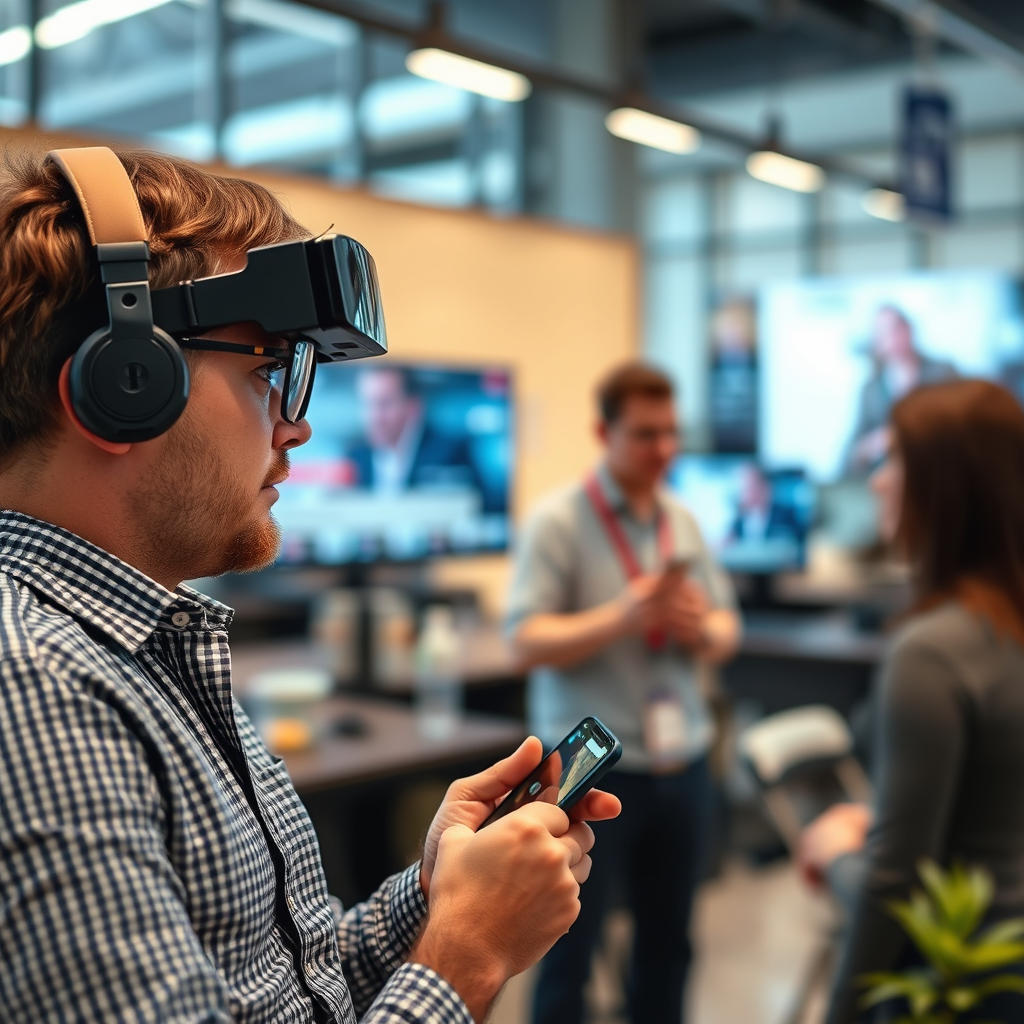
AR glasses are on the verge of becoming mainstream, with functionality that goes far beyond mere entertainment. Imagine walking down the street and receiving real-time navigation prompts right within your line of sight, or simply glancing at a new restaurant and seeing reviews, menus, and even photos of dishes displayed as an overlay. Companies like Microsoft and Google are leading this charge, with devices such as the Microsoft HoloLens and Google Glass evolving to offer these capabilities.
Moreover, design advancements are making AR glasses more stylish and comfortable for daily wear. With sleeker frames and lightweight materials, they are becoming less of a tech gadget and more of a fashion accessory. For instance, brands like Vuzix are focusing on creating fashionable AR eyewear that blends seamlessly with everyday clothing, making them more appealing for casual users. As AR glasses continue to develop, we can expect to see increased adoption among professionals and everyday consumers alike, enhancing both productivity and leisure activities.
Smart Home Integration

The integration of AR technology into smart home systems is another trend that promises to simplify how we interact with our living spaces. Imagine controlling your home environment through a virtual interface projected in your living room, where you can adjust lighting, temperature, and even security settings, all while receiving real-time feedback. AR devices can provide immersive experiences that allow users to visualize changes in their homes before they commit to them.
For example, AR-enabled devices could guide homeowners through repairs and maintenance tasks with step-by-step overlays that indicate where to start and what tools are needed. Imagine seeing an AR projection of how to fix a leaky sink right above your kitchen counter, including visual instructions on each step. This kind of assistance not only minimizes mistakes but also empowers users to take control of their home maintenance in a way that feels intuitive and engaging.
Wearable Technology Advancements
As wearable technology continues to evolve, AR is playing a pivotal role in enhancing user interaction with health metrics and social media. Smartwatches and fitness trackers are expected to incorporate AR features that provide interactive coaching, offering real-time visualizations of your workout form or suggesting optimal routes for running based on your fitness goals. Brands like Fitbit and Garmin are investing in AR technology that overlays performance data directly onto your field of vision during workouts, making fitness more engaging and productive.
Furthermore, the integration of AR filters and effects into social media applications is set to change how we communicate. Imagine sending a friend a video message where you appear to be in a different location or are wearing a fun costume, all facilitated by AR technology. This not only enhances personal interactions but also opens up new avenues for marketing and brand engagement, as businesses can create unique AR experiences that resonate with users on a personal level.
Augmented Reality in Education
The educational landscape is poised for a significant transformation thanks to AR tools that make learning interactive and immersive. Traditional methods of teaching are evolving, with AR applications offering a richer, more engaging way to absorb information. Students can explore complex subjects like biology or physics through 3D models that they can manipulate and interact with, making concepts easier to understand.
For instance, AR applications can bring historical events to life, allowing students to witness a historical event in their classroom through their devices. This not only captivates students’ attention but also encourages active participation in learning. Moreover, real-time feedback and assessments can be integrated into lessons, allowing teachers to gauge understanding and adjust their teaching strategies accordingly. As educational institutions adopt AR technologies, we can expect to see improved learning outcomes and increased student engagement.
Healthcare Innovations
In the healthcare sector, AR is making waves by enhancing visualization during surgeries and diagnostics. Surgeons can use AR devices to overlay critical information, such as a patient’s medical history or 3D anatomical models, directly onto the surgical field. This could significantly improve precision and outcomes in complex procedures. Companies like Augmedics are pioneering this approach with their xvision system, which allows surgeons to see a patient’s anatomy in real-time while performing surgery.
Additionally, patient education is being transformed through AR simulations that illustrate treatment processes and expected outcomes. For example, AR applications can visually demonstrate how a specific treatment will affect a patient’s health over time, making it easier for them to understand their options and make informed decisions. This kind of transparency not only builds trust but also empowers patients in their healthcare journeys.
Gaming and Entertainment Evolution
The gaming industry is perhaps one of the most exciting areas for AR innovation, with the potential to create immersive experiences that blend physical and digital realms. Games like Pokémon GO have already shown the world what is possible when AR is integrated into gaming, and we can expect further advancements that expand gameplay and storytelling capabilities. In 2026, we might see AR games that allow players to interact with virtual characters in their real-world environments, creating compelling narratives that engage players on a deeper level.
Moreover, the integration of AR into live events and concerts is set to enhance audience experiences. Imagine attending a concert where AR technology allows you to see visual effects and interactive elements that bring the performance to life. This could transform how audiences engage with artists, making every event a unique experience that combines the thrill of live performances with the wonder of augmented reality.
Future Trends and Predictions
Looking ahead, the future of AR technology is filled with exciting possibilities. Anticipated advancements include improved AI integration, which could lead to even more personalized and responsive AR experiences. User interfaces are expected to become more intuitive, allowing users to interact with AR devices using natural gestures and voice commands, making them accessible to a broader audience.
The potential for widespread adoption across various industries is vast, reshaping user interactions in fields such as retail, tourism, and real estate. Imagine walking into a store and seeing AR overlays that provide product information, or being able to take a virtual tour of a property without leaving your home. As AR technology continues to advance, it will undoubtedly redefine our everyday experiences, making our interactions with the digital and physical worlds increasingly seamless.
As we move forward, the integration of AR into our daily technological devices will not only enhance our experiences but also redefine how we perceive and interact with the world. Staying informed about these trends is essential, as they offer a glimpse into a future where technology and our daily lives blend harmoniously. Embracing AR devices now can empower you to stay ahead of the curve, transforming the ordinary into the extraordinary.
Frequently Asked Questions
What are the latest devices that blend AR with daily tech in 2026?
In 2026, several innovative devices have emerged that seamlessly integrate augmented reality (AR) with everyday technology. Key products include smart glasses like the Apple Vision Pro and Microsoft HoloLens 3, which enhance real-world interactions with digital overlays. Additionally, AR-enabled smartphones and tablets incorporate advanced features, allowing users to visualize objects in their environment, making tasks such as home design and shopping more interactive and immersive.
How can AR devices enhance productivity in daily tasks?
AR devices can significantly boost productivity by providing real-time information and interactive elements that streamline workflows. For instance, AR smart glasses can display notifications, reminders, and even complex instructions without requiring users to glance at their smartphones. This hands-free approach allows individuals to multitask more efficiently, whether they’re in a manufacturing environment or managing home projects, ultimately saving time and reducing distractions.
Why should I invest in AR technology for personal use in 2026?
Investing in AR technology for personal use in 2026 can greatly enhance your daily experiences and interactions. With AR applications in navigation, fitness, and even entertainment, users can enjoy more engaging and informative experiences. Moreover, as AR technology continues to evolve, early adopters will benefit from improved functionalities and cost efficiency, ensuring they stay ahead in a fast-paced tech landscape.
What are the best AR applications available for smartphones in 2026?
Some of the best AR applications available for smartphones in 2026 include IKEA Place, which allows users to visualize furniture in their homes before purchasing, and Google Lens, which provides instant information through image recognition. Other notable apps include Pokémon GO for augmented gaming experiences and AR-based fitness apps that offer real-time feedback on exercises. These applications not only enhance user engagement but also make everyday tasks more enjoyable and efficient.
Which industries are most likely to benefit from AR technology in the coming years?
Industries such as healthcare, education, and retail are poised to gain significant advantages from AR technology in the coming years. In healthcare, AR can assist surgeons with overlays during procedures, enhancing precision. In education, AR can create immersive learning experiences that deepen understanding of complex subjects. Retailers can leverage AR to provide virtual try-ons, improving customer satisfaction and reducing return rates, thus revolutionizing how consumers shop.
References
- Augmented reality
- https://www.bbc.com/news/technology-58523956
- https://www.sciencedirect.com/science/article/pii/S1877050921007519
- https://www.wired.com/story/augmented-reality-trends-2026/
- https://www.nytimes.com/2022/11/30/technology/augmented-reality-future.html
- https://www.nist.gov/news-events/news/2021/06/augmented-reality-changing-way-we-work-and-play
- https://www.techcrunch.com/2023/01/12/augmented-reality-and-the-future-of-tech/
- https://www.reuters.com/technology/augmented-reality-technology-2026-2023-06-15/
- https://www.itu.int/en/ITU-T/focusgroups/ai4good/Pages/default.aspx