Edge computing significantly diminishes reliance on cloud infrastructure by processing data closer to the source, thereby enhancing speed and efficiency. This technology enables organizations to handle data in real-time, improving performance and control over their data management strategies. By integrating edge computing into their IT frameworks, businesses can reduce latency, optimize bandwidth, and leverage a more agile infrastructure. In this article, you’ll discover how edge computing reshapes IT strategies, improves performance, and provides greater control over data.
Understanding Edge Computing

Edge computing refers to the practice of processing data at or near the source of generation, rather than relying on a centralized cloud-based system. This approach leverages local computing resources to handle data, which can result in faster processing times and reduced latency. Key functionalities of edge computing include data collection, analysis, and decision-making capabilities that occur in real-time, thus enabling quicker responses and actions.
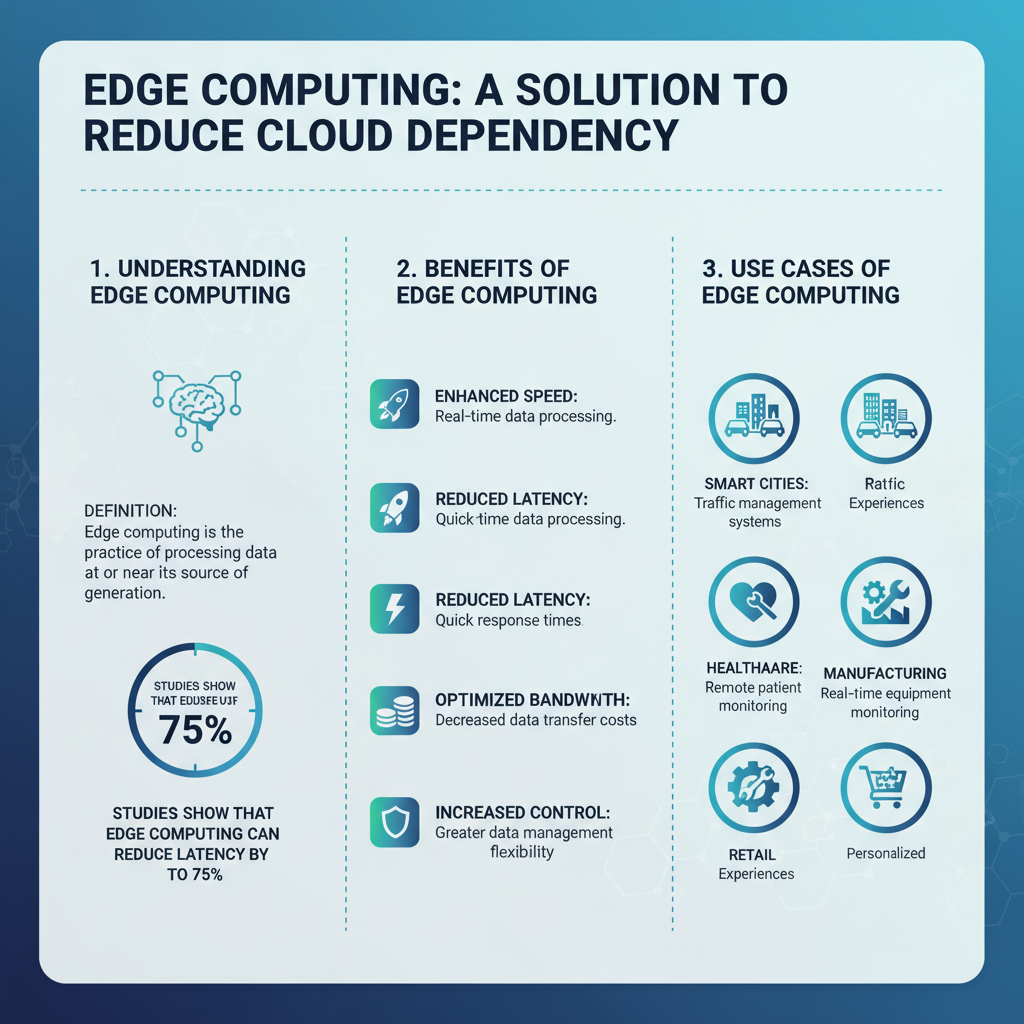
In contrast to traditional cloud computing models, where data is sent to a centralized server for processing, edge computing minimizes the distance data must travel. This difference is crucial for applications where every millisecond counts, such as autonomous vehicles or real-time video analytics. The shift from a centralized to a decentralized model allows organizations to harness the power of data more effectively, paving the way for innovative solutions that can dramatically enhance operational efficiency.
Benefits of Edge Computing

One of the most significant advantages of edge computing is the reduction in latency, which translates to faster data processing times. By processing data closer to where it’s generated, businesses can achieve near-instantaneous insights and reactions, crucial for time-sensitive applications. For example, in autonomous vehicle technology, delaying processing even by a few milliseconds can jeopardize safety. Edge computing ensures these vehicles can make split-second decisions based on immediate data.
Additionally, edge computing enhances bandwidth efficiency. Since only essential data is sent to the cloud for further analysis or storage, there’s less strain on network bandwidth. This efficiency is particularly beneficial for industries that generate massive amounts of data, like IoT (Internet of Things) devices. By filtering and processing data locally, organizations can reduce their cloud storage costs and bandwidth usage, resulting in more streamlined operations.
Use Cases of Edge Computing
Edge computing is making waves across various industries, demonstrating its versatility and efficacy. In manufacturing, for instance, edge devices can monitor machinery in real-time, analyzing performance data to predict maintenance needs before breakdowns occur. This predictive maintenance saves companies time and money by avoiding unscheduled downtimes.
In the healthcare sector, edge computing plays a critical role in managing patient data. Wearable health devices can analyze vital signs on-site, providing immediate feedback to both patients and healthcare providers. This capability can lead to faster diagnosis and treatment, ultimately improving patient outcomes.
Smart cities are another prominent area where edge computing shines. By processing data from traffic cameras, sensors, and IoT devices at the edge, city planners can optimize traffic flow, enhance public safety, and improve overall urban living conditions. For example, the city of Barcelona has implemented smart traffic lights that adjust in real-time based on traffic conditions, thanks to edge computing.
Challenges and Considerations
Despite its numerous benefits, implementing edge computing comes with challenges that organizations need to address. Security risks are a significant concern, as data processed at edge devices may be more vulnerable to cyberattacks than centralized cloud data. Organizations must invest in robust security measures, including encryption and secure access protocols, to protect sensitive information.
Furthermore, data management can become complex with edge computing. Businesses need to establish clear guidelines for data governance, including how to handle data storage, processing, and compliance with regulations like GDPR. Infrastructure requirements also play a crucial role; businesses must assess whether their existing hardware can support edge computing solutions or if new investments are necessary.
Future of Edge Computing
The future of edge computing is bright, driven by several key trends. The growth of IoT devices, the increasing demand for real-time data processing, and the rise of 5G technology are all fueling the expansion of edge computing solutions. With 5G, for example, data can be transmitted at lightning speeds, which will enhance edge computing capabilities even further.
Predictions indicate that edge computing will evolve to become more integrated with artificial intelligence (AI) and machine learning (ML). This integration will enable more sophisticated data analysis at the edge, allowing for smarter applications and decision-making processes. As organizations continue to adopt edge computing, the dependency on traditional cloud infrastructure will likely diminish, resulting in more decentralized data management strategies.
Integrating Edge Computing with Existing Systems
For businesses looking to harness the power of edge computing, a strategic approach is essential. One effective strategy is to adopt a hybrid model that incorporates both edge solutions and cloud services. This model allows organizations to leverage the strengths of both technologies. For instance, companies can process time-sensitive data at the edge while using the cloud for long-term storage and complex data analysis.
When integrating edge computing into existing systems, it’s important to assess current infrastructure and identify gaps. Organizations should consider piloting edge computing solutions in specific departments or processes before scaling up. This incremental approach allows for testing and fine-tuning, minimizing disruptions to ongoing operations.
Training employees on the new technology is equally crucial. Ensuring that staff members understand how to use and manage edge computing solutions will help maximize the benefits and ensure a smooth transition.
The integration of edge computing is revolutionizing how businesses manage data, leading to reduced cloud dependency and enhanced operational efficiency. By understanding its benefits and challenges, organizations can make informed decisions on leveraging this technology for future growth. As edge computing continues to evolve, it promises to reshape the landscape of IT strategies, paving the way for a more agile, responsive, and data-driven future.
Frequently Asked Questions
How does edge computing reduce cloud dependency in businesses?
Edge computing reduces cloud dependency by processing data closer to the source, such as IoT devices or local servers, rather than relying solely on centralized cloud data centers. This localized data processing minimizes latency, enhances real-time analytics, and reduces bandwidth costs associated with transferring large volumes of data to the cloud. As a result, businesses can maintain operational efficiency and improve application performance without being overly reliant on cloud infrastructures.
What are the main benefits of implementing edge computing for reducing cloud reliance?
The main benefits of implementing edge computing include improved speed and latency, enhanced data security, and decreased operational costs. By processing data at the edge, organizations can deliver faster responses to end-users, reduce the risk of data breaches by limiting data transfer to the cloud, and lower costs associated with bandwidth and cloud storage. Additionally, edge computing can support real-time decision-making, which is crucial for applications such as autonomous vehicles and remote monitoring systems.
Why should companies consider edge computing as an alternative to traditional cloud solutions?
Companies should consider edge computing as it offers a more scalable and efficient alternative to traditional cloud solutions, especially for applications that require low latency and real-time processing. With the rise of IoT and increasing data volumes, edge computing allows businesses to manage and analyze data on-site, minimizing delays and enhancing user experiences. Moreover, it can reduce dependency on the cloud, providing companies with greater control over their data and lowering operational risks associated with cloud outages.
Which industries can benefit the most from edge computing to reduce cloud dependency?
Industries such as manufacturing, healthcare, transportation, and smart cities can significantly benefit from edge computing to reduce cloud dependency. For example, manufacturers can leverage edge computing for real-time monitoring and predictive maintenance of machinery, while healthcare providers can process patient data locally for faster diagnostics. Similarly, transportation systems can utilize edge computing to enhance traffic management and improve the efficiency of autonomous vehicles, enabling quicker decision-making and response times.
What factors should organizations consider when transitioning to edge computing to lessen their cloud dependency?
Organizations should consider several factors when transitioning to edge computing, including infrastructure readiness, data security, application requirements, and cost implications. It’s crucial to assess the existing IT infrastructure to ensure compatibility with edge devices and services. Additionally, businesses must evaluate the security measures needed to protect sensitive data processed at the edge and consider how their applications will interact with both edge and cloud environments. Finally, organizations should analyze the overall cost-benefit ratio to ensure that edge computing will provide a return on investment compared to their current cloud solutions.
References
- Edge computing
- Topics | IBM
- https://www.gartner.com/en/information-technology/insights/edge-computing
- https://www.forbes.com/sites/bernardmarr/2020/01/20/what-is-edge-computing-and-why-does-it-matter/
- https://www.ncbi.nlm.nih.gov/pmc/articles/PMC7543504/
- https://www.itu.int/en/ITU-T/focusgroups/edgecomputing/Pages/default.aspx
- https://www.cio.com/article/3609133/what-is-edge-computing-and-why-it-matters.html
- https://www.techrepublic.com/article/what-is-edge-computing-and-why-does-it-matter/