
To create an immersive home theater experience, effective soundproofing is key. By minimizing unwanted noise and enhancing audio clarity, you can fully enjoy movies and music without distractions. This article will guide you through practical tips and techniques to soundproof your home theater effectively, ensuring that every sound is crisp and clear.
Choose the Right Location
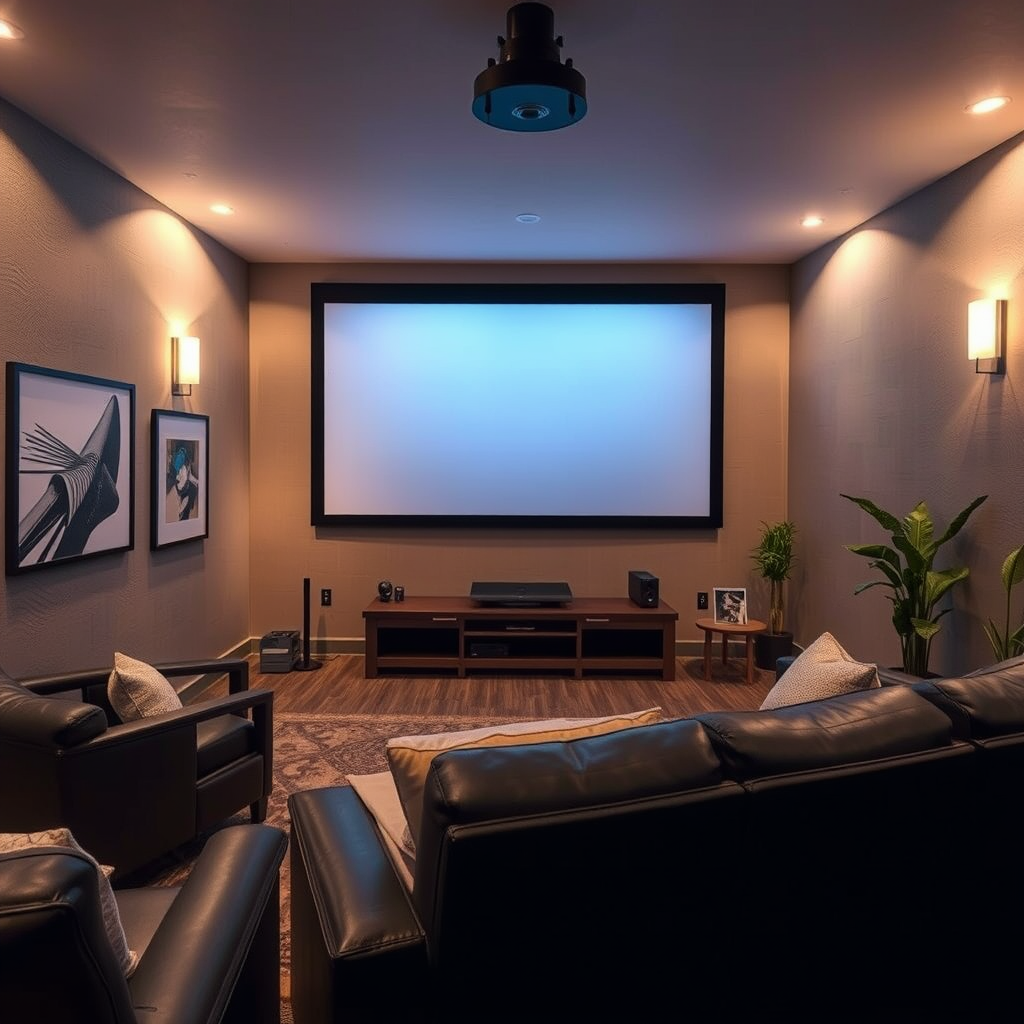
When setting up your home theater, the first step is selecting the right location. Ideally, you want a room that experiences minimal exterior noise. A space away from busy streets or high-traffic areas will naturally provide a quieter environment for your theater. If possible, consider using a basement or a dedicated room designed specifically for a home theater. Basements often have fewer windows and outside noise sources, making them an excellent choice for sound control.
Furthermore, think about the layout of the house. A room that is centrally located may experience more noise from other parts of the home, while a room at the end of a hallway or a separate wing may provide a quieter atmosphere.
Insulate Your Walls

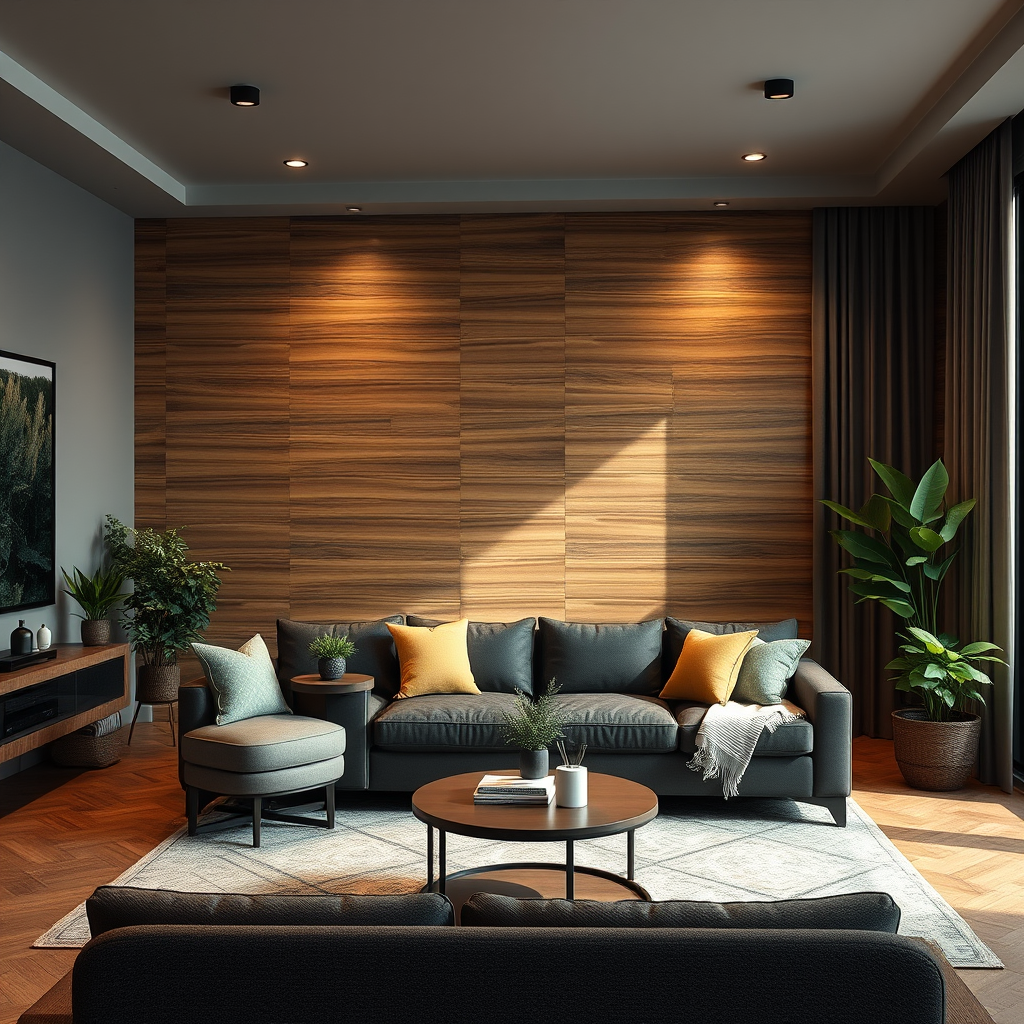
Insulating your walls is a crucial step in soundproofing your home theater. Using soundproofing materials such as acoustic panels or specialized insulation can absorb sound and significantly reduce echo and noise transmission. Acoustic panels, which can be mounted on walls, are particularly effective as they help to manage sound reflections and create a more controlled acoustic environment.
In addition to adding insulation, be diligent about sealing gaps and cracks in your walls. Utilizing acoustic caulk can prevent sound leakage, ensuring that the sounds from your home theater don’t escape and that external noises don’t intrude. A well-sealed wall can drastically improve your audio experience, making it more enjoyable to immerse yourself in the action on screen.
Soundproof Doors and Windows
Doors and windows are often the weak points in soundproofing, so it’s essential to address them strategically. Start by installing solid-core doors, which are denser than standard hollow-core doors and provide much better sound insulation. If replacing your doors isn’t an option, consider adding door sweeps or weather stripping to eliminate gaps that allow sound to leak through.
When it comes to windows, heavy curtains are a fantastic resource for reducing outside noise. Opt for thick, heavy drapes that can block sound waves effectively. Alternatively, soundproof window inserts can be added to your existing windows to create an additional barrier against noise. These are particularly useful if you live in a noisy neighborhood or near a busy street.
Flooring Solutions
The type of flooring you have can significantly impact sound quality in your home theater. Hard surfaces like tile or hardwood can create echoes, while softer surfaces help to dampen sound. Carpet or area rugs are excellent choices for home theaters, as they can absorb sound waves, reducing overall noise levels and improving clarity.
For an additional layer of soundproofing, consider installing soundproof underlayment beneath your flooring. This layer acts as a shock absorber, further minimizing sound transmission between floors. By choosing the right flooring solutions, you create a more serene environment that enhances your viewing experience.
Ceiling Treatments
Don’t forget about the ceiling when soundproofing your home theater! Installing acoustic tiles or soundproofing panels on the ceiling can greatly reduce sound reflection and leakage, creating a more controlled acoustic environment. Acoustic tiles are designed to absorb sound rather than allow it to bounce back into the room, which can significantly improve audio quality.
Make sure your ceiling is well-sealed to prevent sound from escaping into other areas of the house. If your ceiling has any gaps or openings, using acoustic sealants can help ensure that sound remains contained within your theater.
Furniture Arrangement
The arrangement of furniture in your home theater can also play a role in soundproofing. Soft furnishings, such as sofas and cushions, work wonders in absorbing sound and reducing echo within the room. When arranging your furniture, consider creating barriers to block sound waves. For example, placing bookshelves or other tall furniture pieces along shared walls can help to minimize noise transmission.
Experiment with different configurations to find the arrangement that provides the best acoustic experience. Sometimes, even small adjustments in furniture placement can make a significant difference in how sound travels within your space.
Accessories and Additional Tips
To take your soundproofing efforts to the next level, consider incorporating soundproofing accessories like bass traps and diffusers. Bass traps are designed to absorb low-frequency sounds, which can often be problematic in home theaters. By managing these frequencies, you can enhance overall sound quality.
Diffusers, on the other hand, help to scatter sound waves evenly throughout the room, preventing them from bouncing back and creating echoes. Regularly check and maintain your soundproofing measures to ensure they remain effective. Over time, wear and tear can affect the performance of your soundproofing materials, so it’s essential to stay proactive.
By implementing these soundproofing tips, you can significantly enhance your home theater experience. Whether it’s for movie nights or gaming sessions, a well-soundproofed space will allow you to enjoy crystal-clear audio without interruptions. Start planning your soundproofing project today for an unbeatable viewing experience, and transform your home theater into the perfect escape for all your entertainment needs!
Frequently Asked Questions
What are the most effective materials for soundproofing a home theater?
The most effective materials for soundproofing a home theater include acoustic panels, mass-loaded vinyl, and soundproof drywall. Acoustic panels absorb sound waves and reduce echo, while mass-loaded vinyl adds density to walls, preventing sound transmission. Additionally, using carpets or rugs, heavy curtains, and sealing gaps with acoustic caulk can further enhance sound isolation in your home theater.
How can I soundproof my home theater on a budget?
To soundproof your home theater on a budget, consider using DIY methods like adding heavy curtains or blankets to windows and using foam panels or egg crates for wall treatment. You can also seal any gaps around doors and windows with weather stripping or door sweeps to prevent sound leaks. Rugs or carpets can help dampen sound, making a significant impact without a hefty investment.
Why is soundproofing important for a home theater?
Soundproofing is crucial for a home theater as it enhances the viewing experience by minimizing external noise and preventing sound from disturbing other areas of the home. Proper soundproofing allows for clearer audio quality, deeper bass, and an immersive experience, making movie nights or gaming sessions far more enjoyable. Additionally, it ensures that loud sounds do not disrupt your neighbors or family members.
What are the best practices for soundproofing a home theater room?
Best practices for soundproofing a home theater room include decoupling walls using resilient channels, adding insulation between wall studs, and using double-layer drywall for added mass. Installing acoustic ceiling tiles can help absorb sound from above, while properly sealing all cracks and crevices is essential for preventing sound leakage. Combining these techniques will create a quieter, more acoustically friendly environment for your home theater.
Which areas of a home theater should be prioritized for soundproofing?
When soundproofing a home theater, prioritize the walls, ceiling, and floor as these areas are the primary sources of sound transmission. Pay special attention to shared walls with other rooms or neighbors, as well as the ceiling if there are living spaces above. Additionally, soundproofing doors and windows is essential, as they can be significant weak points in your sound insulation strategy.
References
- Soundproofing
- https://www.acoustics.org/press/171-abstracts/22-abstracts/510-soundproofing-a-home-theater
- https://www.nist.gov/news-events/news/2019/05/soundproofing-your-home-finding-right-solutions
- https://www.hud.gov/program_offices/healthy_homes/healthyhomes/soundproofing
- https://www.soundonsound.com/techniques/soundproofing-home-studio
- https://www.asa.org/asa/publications/asa-journal.html
