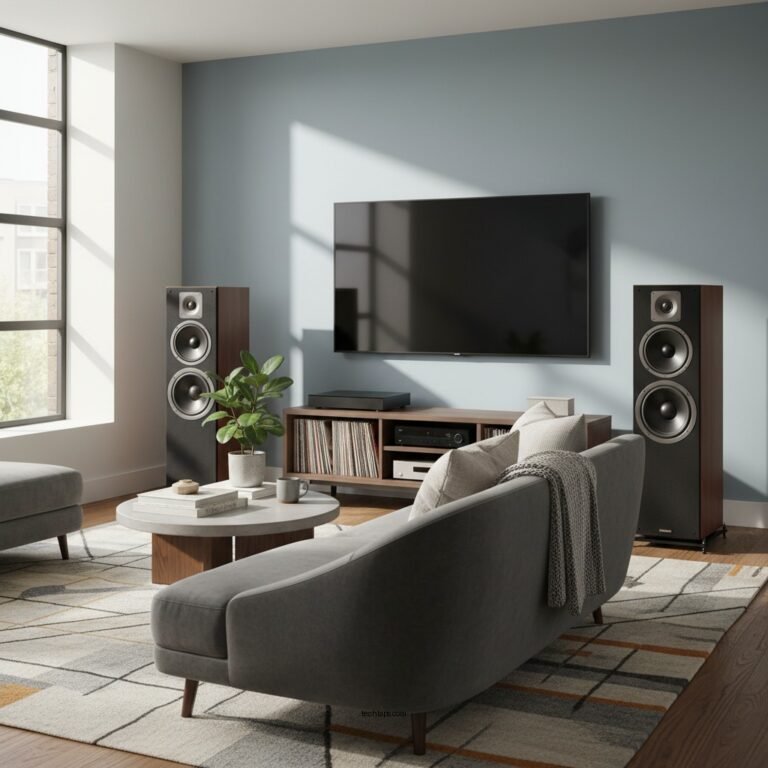

To enhance both bass and treble for better audio performance in your speakers, focus on adjusting the equalizer settings, positioning the speakers correctly, and using high-quality audio sources. This guide will help you understand how to optimize sound quality effectively. By applying these strategies, you can significantly elevate your listening experience, whether for music, movies, or gaming.
Understanding Bass and Treble
In audio terms, bass refers to the lower frequencies of sound, typically ranging from about 20 Hz to 250 Hz, while treble encompasses the higher frequencies, generally from 2,000 Hz to 20,000 Hz. Bass provides depth and richness to music, giving it a rhythmic foundation, while treble adds clarity and detail, allowing vocals and instruments to shine through.
Achieving a balance between bass and treble is crucial for overall sound quality. Too much bass can overwhelm the mix, muddying the sound, while excessive treble can lead to a harsh listening experience. Ideally, a well-tuned audio profile enhances both frequencies, creating a harmonious sound that is pleasing to the ear.
Adjusting Your Equalizer Settings
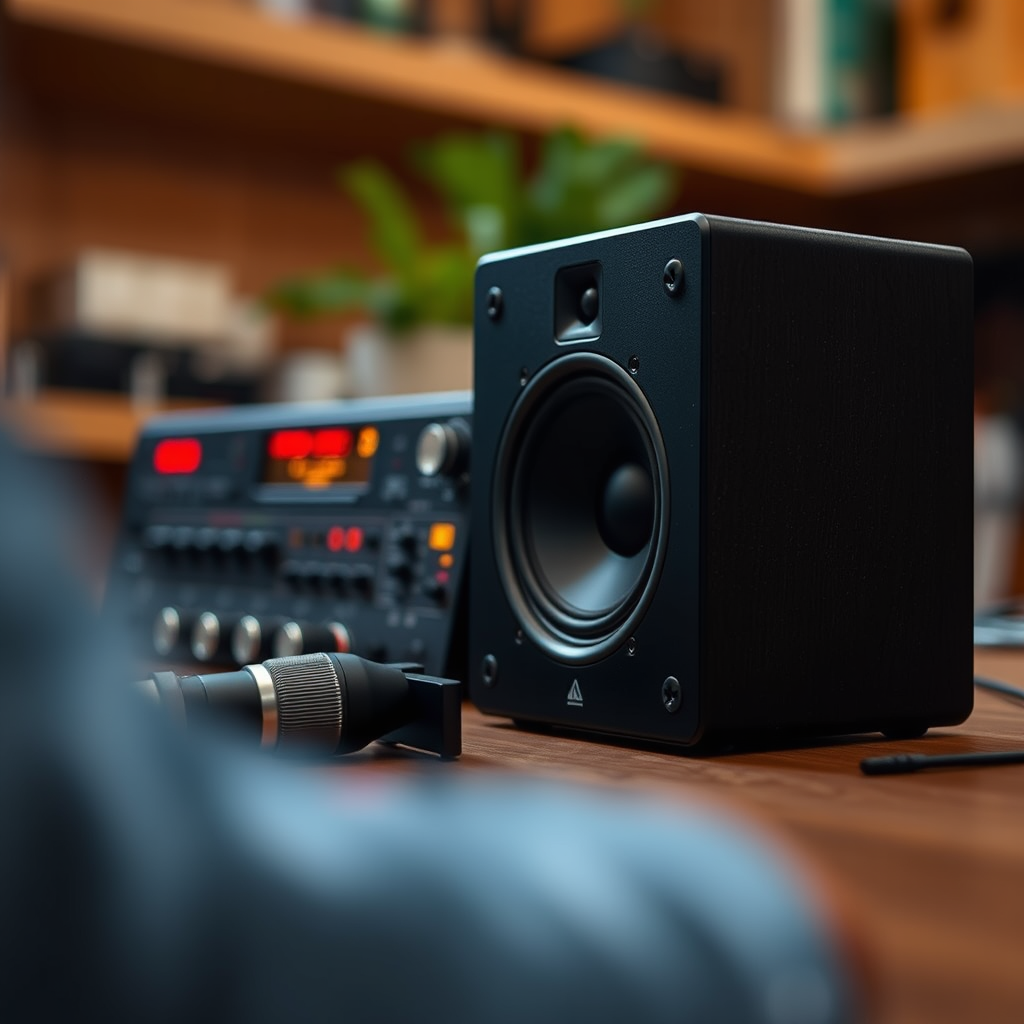
Using the equalizer (EQ) on your audio device is one of the most effective ways to enhance bass and treble. Most modern audio systems, smartphones, and computers come equipped with built-in equalizers that allow users to fine-tune their sound settings.
Steps to Use the Equalizer Effectively:
1. Start with a Flat EQ: Begin with all sliders set to zero or a neutral position.
2. Boosting Bass: Gradually increase the lower frequencies (typically around 60 Hz to 120 Hz). A small adjustment can make a significant difference, so start with +2 or +3 dB.
3. Adjusting Treble: Similarly, boost the higher frequencies (around 4 kHz to 10 kHz) to enhance clarity. Again, small increments are advisable.
4. Avoiding Distortion: Be cautious not to push the levels too high, as this may cause distortion. Always listen to the changes in real-time and adjust accordingly.
By utilizing these EQ tips, you can enhance your audio experience without compromising sound integrity.
Speaker Placement for Optimal Sound
The placement of your speakers is vital for achieving the best audio performance. Properly positioned speakers can significantly improve sound quality, enhancing both bass response and treble clarity.
Best Practices for Speaker Placement:
1. Distance from Walls: Position your speakers at least 12 inches away from walls to minimize reflections that can muddy the sound.
2. Height Considerations: Ideally, the tweeters (high-frequency drivers) should be at ear level when seated. This ensures that the sound reaches your ears directly without obstruction.
3. Angles and Orientation: Angle the speakers slightly toward the listening area to create a more immersive soundstage.
4. Avoid Corners: Placing speakers in corners can exaggerate bass frequencies, leading to a boomy sound. Aim for a more open area to balance the sound.
By following these placement guidelines, you can create an optimal listening environment that enhances both bass and treble.
Top 7 Speaker Brands by User Satisfaction (2024)
| # | Brand | User Rating | Price Range | Best For |
|---|---|---|---|---|
| 1 | Bose | ★ ★ ★ ★ ★ | $200 – $700 | Home Theater |
| 2 | Sonos | ★ ★ ★ ★ ★ | $150 – $500 | Wireless |
| 3 | JBL | ★ ★ ★ ★ | $100 – $300 | Portability |
| 4 | Klipsch | ★ ★ ★ ★ ★ | $300 – $1,200 | High Fidelity |
| 5 | Sony | ★ ★ ★ ★ | $150 – $600 | Versatility |
| 6 | Bang & Olufsen | ★ ★ ★ ★ ★ | $400 – $1,500 | Luxury |
| 7 | Audioengine | ★ ★ ★ ★ | $200 – $700 | Studio Use |
Using Quality Audio Sources
The quality of the audio sources you use plays a significant role in the overall sound performance of your speakers. Audio formats vary widely, with compressed formats like MP3 often sacrificing sound quality for file size. In contrast, lossless formats such as FLAC retain the full fidelity of the original recording, enabling a richer listening experience.
Recommendations for Audio Sources:
– MP3 vs. FLAC: For casual listening, MP3 files (especially at higher bit rates) may suffice. However, for audiophiles, investing in FLAC or other lossless formats can make a noticeable difference.
– Streaming Services: Consider using high-quality music streaming services like Tidal, Qobuz, or Amazon Music HD, which offer lossless audio options. These platforms are tailored for users seeking superior sound quality.
By prioritizing high-quality audio sources, you ensure that your speakers perform to their fullest potential, allowing you to enjoy the nuances of your favorite tracks.
Acoustic Treatment of Your Room
Room acoustics significantly affect how bass and treble frequencies are perceived. Hard surfaces can reflect sound, creating echoes and muddiness, while soft materials can absorb sound, leading to a more balanced listening experience.Simple DIY Solutions for Room Acoustics:
1. Add Soft Furnishings: Incorporate carpets, curtains, and upholstered furniture to absorb excess sound.
2. Wall Treatments: Consider hanging acoustic panels or foam to reduce reflections from hard walls.
3. Bookshelves and Plants: Adding bookshelves filled with books and indoor plants can help diffuse sound waves, improving overall sound quality.
Implementing these acoustic treatments can greatly enhance the clarity of both bass and treble, elevating your audio experience.
Impact of Acoustic Treatments on Frequency Response
Upgrading Your Equipment
If you’ve implemented all the above strategies and still feel your audio experience is lacking, it may be time to consider upgrading your speakers or audio system. New technology advancements can significantly enhance sound quality, providing clearer bass and treble.
Key Features to Look for in New Speakers:
1. Frequency Range: Ensure the speakers cover a wide frequency range to handle both low and high frequencies effectively.
2. Power Handling: Look for speakers that can handle high power inputs without distortion.
3. Driver Size: Larger drivers generally produce better bass, while smaller drivers are better for treble. Consider a balanced setup.
4. Connectivity: Modern speakers often come with various connection options, including Bluetooth and Wi-Fi, for convenience.
Investing in quality equipment can dramatically improve your audio performance, allowing you to fully appreciate your favorite music and movies.
Regular Maintenance and Updates
Maintaining your audio equipment is vital for preserving sound quality over time. Dust accumulation, outdated software, and worn components can negatively impact audio performance.
Tips for Maintenance:
1. Regular Cleaning: Use a soft cloth to clean speaker exteriors and ensure that vents are free from dust.
2. Check Connections: Ensure all connections are secure and free from corrosion to maintain a clean signal path.
3. Software Updates: For digital audio devices, check for firmware updates regularly to benefit from enhancements and bug fixes.
4. Inspect Cables: Replace old or frayed cables, as they can degrade sound quality.
By prioritizing regular maintenance, you can extend the longevity of your audio equipment and ensure it continues to perform at its best.
In summary, enhancing the bass and treble of your speakers involves adjusting settings, proper placement, and using quality sources. By following these steps, you can significantly improve your listening experience. Start optimizing your audio setup today for richer sound!
Frequently Asked Questions
What are the best ways to enhance bass and treble in my speakers?
To enhance bass and treble in your speakers, consider adjusting the equalizer settings on your audio device or using an external equalizer. Additionally, placing your speakers in the right position, such as near walls to boost bass response, can significantly improve sound quality. Upgrading to high-quality speaker cables or adding a subwoofer can also enhance overall audio performance.
How can I adjust the bass and treble settings on my audio system?
You can adjust the bass and treble settings through the audio settings menu on your stereo or home theater system. Most systems have a built-in equalizer that allows you to boost or cut specific frequency ranges. Additionally, many music streaming apps also provide equalizer options to tailor the sound to your preference.
Why is it important to balance bass and treble in audio performance?
Balancing bass and treble is crucial for achieving a well-rounded audio experience, as it ensures that no single frequency range overwhelms the others. Overemphasizing bass can lead to muddy sound, while excessive treble can cause listening fatigue. A balanced sound allows for clearer vocals and instruments, enhancing overall audio enjoyment.
Which equalizer settings are recommended for enhancing bass and treble?
For enhancing bass and treble, a common equalizer setting is to boost the frequencies around 60-100 Hz for bass and around 8-12 kHz for treble. However, the ideal settings can vary depending on your speakers and room acoustics. It’s best to experiment with different settings to find the perfect balance that suits your listening preferences.
What equipment can I use to improve bass and treble in my home audio setup?
To improve bass and treble in your home audio setup, consider investing in high-quality speakers, a dedicated subwoofer, or an audio receiver with advanced equalization features. Additionally, using acoustic panels to treat your room’s acoustics can significantly enhance sound clarity. A digital signal processor (DSP) can also provide precise control over your audio frequencies.
References
- https://en.wikipedia.org/wiki/Equalization_(audio
https://en.wikipedia.org/wiki/Equalization_(audio - https://pubmed.ncbi.nlm.nih.gov/27044489/
https://pubmed.ncbi.nlm.nih.gov/27044489/ - https://www.sciencedirect.com/topics/engineering/sound-equalization
https://www.sciencedirect.com/topics/engineering/sound-equalization - https://www.nature.com/articles/s41598-018-36452-5
https://www.nature.com/articles/s41598-018-36452-5 - https://www.bbc.com/future/article/20210727-how-to-improve-your-speakers-sound-quality
https://www.bbc.com/future/article/20210727-how-to-improve-your-speakers-sound-quality - https://www.theguardian.com/music/2020/jun/16/how-to-make-your-sound-system-sound-better
https://www.theguardian.com/music/2020/jun/16/how-to-make-your-sound-system-sound-better - https://www.ncbi.nlm.nih.gov/pmc/articles/PMC3581641/
https://www.ncbi.nlm.nih.gov/pmc/articles/PMC3581641/ - https://www.cdc.gov/nceh/lead/lead_in_air.htm
https://www.cdc.gov/nceh/lead/lead_in_air.htm - Google Scholar Google Scholar
https://scholar.google.com/scholar?q=Enhancing+Bass+and+Treble+for+Better+Audio+Performance+in+Your+Speakers - Google Scholar Google Scholar
https://scholar.google.com/scholar?q=Audio+Equalization+Techniques+and+Performance