

3D holographic displays in smartphones work by projecting three-dimensional images that can be seen with the naked eye, eliminating the need for special glasses. This groundbreaking technology leverages intricate light manipulation techniques to create stunning visual experiences that enhance how users interact with their devices. As we delve deeper into the mechanics behind this innovative display technology, you’ll discover how it functions, the components involved, and the exciting potential it holds for the future of mobile devices.
Understanding Holography
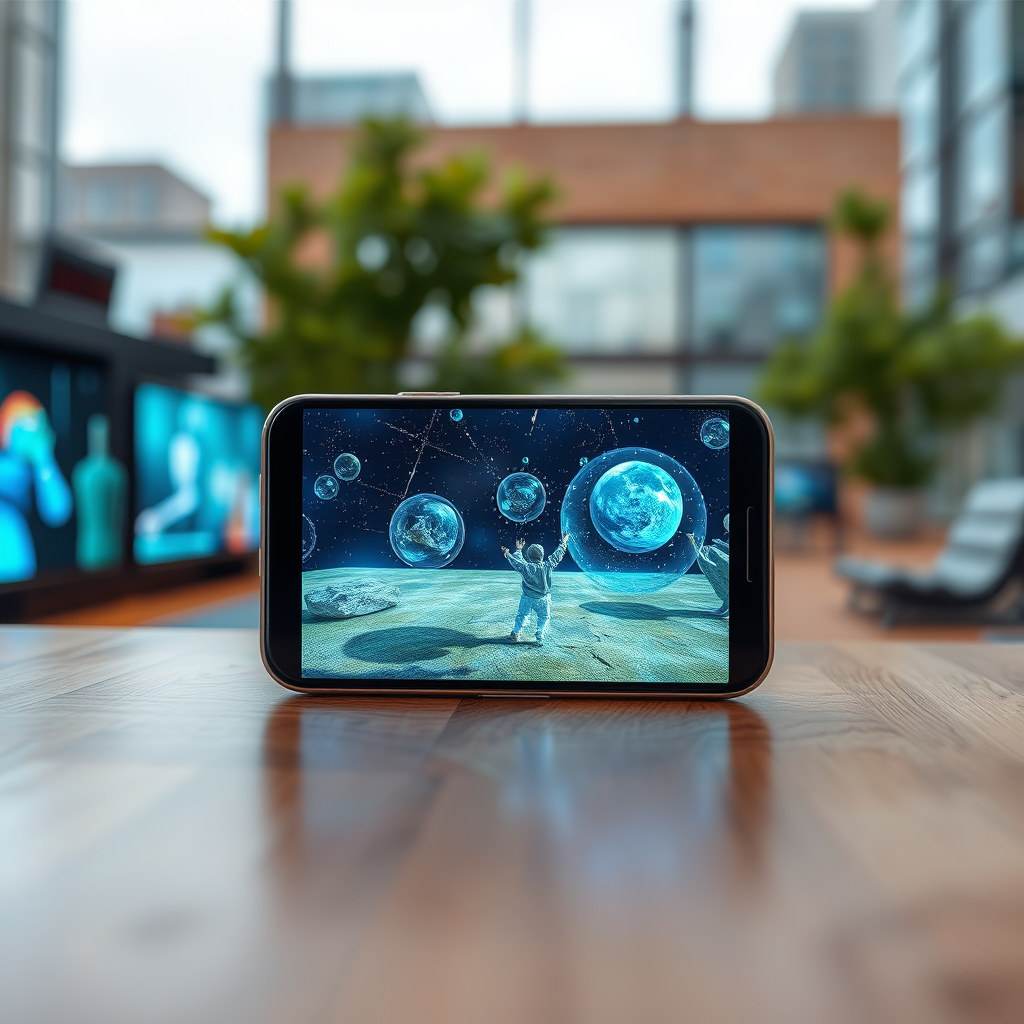
Holography is a fascinating field that captures light fields to create three-dimensional images, providing depth and realism akin to what we see in the natural world. The essence of holography lies in the recording and reconstruction of light waves emitted from an object. By using a laser to illuminate an object, the light waves reflected off it are recorded on a special medium, such as a photographic plate. This results in a hologram, a unique pattern of light interference that can be illuminated to display the object in three dimensions. Unlike traditional photography, which captures flat images, holography captures the entirety of light information, allowing viewers to see different perspectives depending on their viewing angle. This core principle is what makes 3D holographic displays so captivating and essential for modern smartphones aiming to provide immersive user experiences.
Key Technologies Behind Holographic Displays
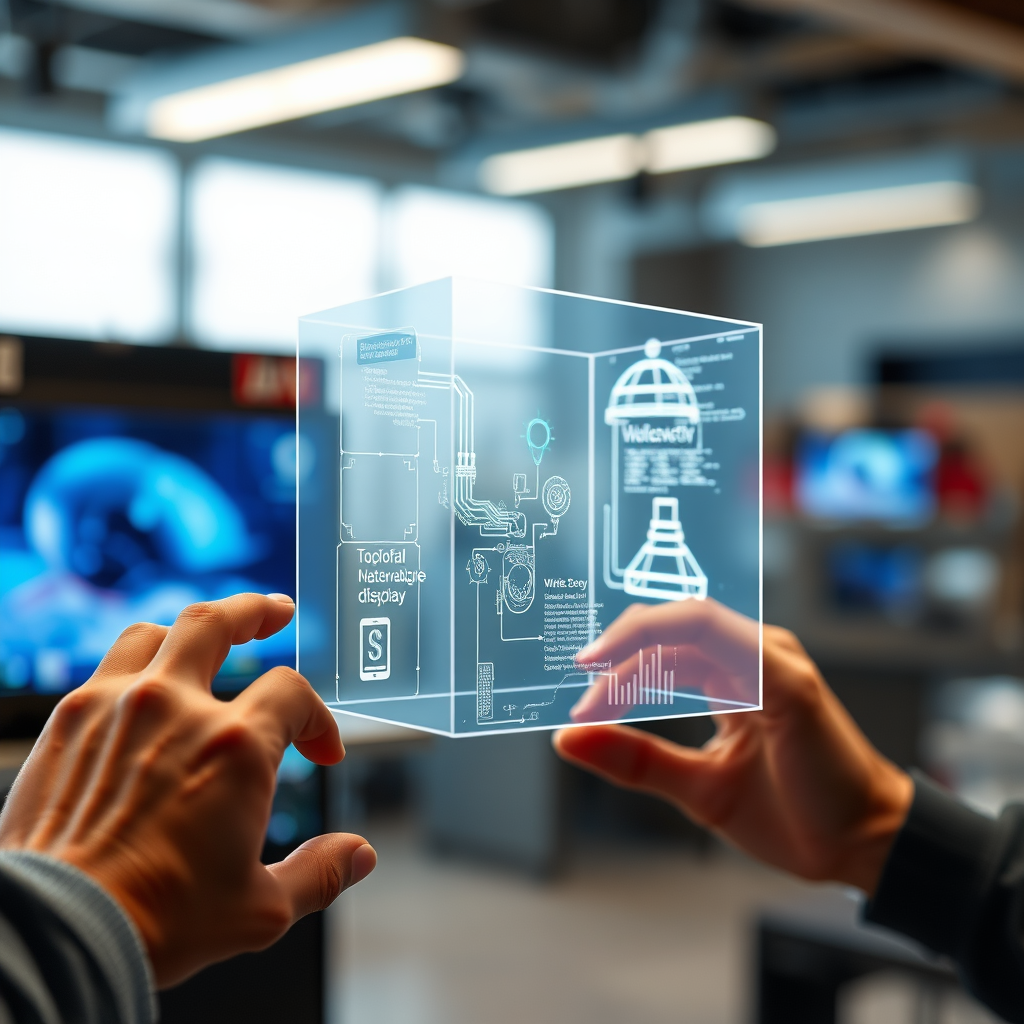
At the heart of 3D holographic displays are key technologies that enable the projection of lifelike images.
– Light Field Technology is one of the most significant advancements in this area. It projects multiple perspectives of an image simultaneously, allowing for an authentic depth perception experience. This technology captures light rays coming from different angles, creating a scene that shifts dynamically as the viewer moves, much like how our eyes perceive the world around us.
– Micro-Lens Arrays are another critical component that contributes to the holographic effect. These tiny lenses focus light in various directions, enhancing the illusion of depth. When arranged in a specific pattern, they can manipulate light rays to create the perception of three-dimensionality, making images appear to float above the screen. Together, these technologies pave the way for a more interactive and engaging visual experience on smartphones.
Components of 3D Holographic Displays
To understand how 3D holographic displays function in smartphones, it’s essential to explore their core components:
– Display Panel: The display panel serves as the foundation for the holographic images. Typically, manufacturers use advanced technologies such as LCD (liquid crystal display) or OLED (organic light-emitting diode) to produce the base images. These panels provide the necessary brightness and color accuracy to ensure that the holographic content is visually striking.
– Projector System: The projector system is responsible for directing and modulating light to create the holographic image. It works in tandem with the display panel to capture and project the light fields effectively. By altering the pathways of light, the projector system allows users to perceive depth and dimension, making the images more engaging. This combination of the display panel and projector system is crucial in delivering an immersive visual experience that keeps users captivated.
Challenges in Implementation
Despite the exciting prospects of 3D holographic displays, there are notable challenges that hinder their widespread adoption in smartphones:
– Cost: One of the most significant barriers is the high production costs associated with these advanced technologies. Creating intricate light manipulation systems and high-quality display panels requires substantial investment. This can lead to higher retail prices for smartphones equipped with holographic displays, making them less accessible to the average consumer.
– Power Consumption: Another challenge is the energy demands of holographic displays. These technologies can consume more power than traditional displays, which can negatively impact battery life and generate excess heat. Manufacturers must find ways to optimize power usage without compromising the display quality, making it a crucial area of ongoing research and development.
Current Applications in Smartphones
Today, several smartphones are beginning to incorporate elements of 3D holographic displays, significantly enhancing user experiences:
– Enhanced Gaming Experiences: Mobile gaming has become increasingly immersive, thanks to holographic displays that provide vibrant graphics and a sense of depth that traditional screens cannot offer. Games that utilize this technology allow players to feel as though they are part of the action, creating a more engaging and enjoyable experience.
– Augmented Reality Features: Holographic displays also play a pivotal role in augmented reality (AR) applications. By integrating digital content with the real world, users can interact with virtual objects superimposed onto their physical surroundings. This capability is particularly useful in applications ranging from interior design to education, where users can visualize changes in their environment or learn interactively.
Future Potential of Holographic Displays
The future of 3D holographic displays in smartphones is promising, with numerous innovations on the horizon:
– Innovations in materials and technology are expected to pave the way for slimmer, more efficient designs. As research progresses, we might witness the development of flexible displays and new materials that offer enhanced durability and performance while reducing costs.
– Furthermore, the potential integration of holographic displays with virtual reality (VR) and mixed reality (MR) applications could revolutionize how we interact with digital content. Imagine using your smartphone to seamlessly transition between virtual environments and the real world, creating a hybrid experience that combines the best of both realms.
The advancements in 3D holographic displays suggest a promising future where smartphones can deliver richer visual experiences. As technology evolves and challenges are addressed, we may soon see these displays as a standard feature in our mobile devices. Stay informed about the latest updates in smartphone technology and consider exploring devices at the forefront of this innovation. Embracing these advancements not only enhances our digital interactions but also paves the way for a future where our smartphones become even more integral to our everyday lives.
Frequently Asked Questions
What are 3D holographic displays in smartphones and how do they work?
3D holographic displays in smartphones create a three-dimensional visual experience by projecting images that can be viewed from different angles without the need for special glasses. This technology often utilizes a combination of micro-lens arrays and digital light processing (DLP) to manipulate light and create the illusion of depth. By using advanced algorithms, these displays can render objects in layers, providing a realistic and immersive experience for users.
How do 3D holographic displays enhance user experience on smartphones?
3D holographic displays significantly enhance user experience by allowing for more interactive and engaging content. Users can view images, videos, and applications in three dimensions, which can improve comprehension and retention of information. Additionally, these displays facilitate new forms of interaction, such as gestures and touch-free navigation, making the smartphone experience more intuitive and enjoyable.
Why are 3D holographic displays not widely available in smartphones yet?
The limited availability of 3D holographic displays in smartphones can be attributed to several factors, including high production costs, technological challenges, and the need for compatible content. Developing a high-quality, compact holographic display requires significant investment in research and development. Furthermore, as the technology is still emerging, there is a lack of content specifically designed to take full advantage of 3D capabilities, which can deter manufacturers from adopting the technology.
Which smartphones currently feature 3D holographic display technology?
As of October 2023, a few notable smartphones incorporate 3D holographic display technology, such as the RED Hydrogen One and select models from brands like Lenovo and LG. These devices utilize advanced holographic display systems to deliver unique visual experiences, but they remain niche products due to the higher price points and limited availability. As technology advances, we can expect more manufacturers to explore this feature in future smartphone models.
What are the potential applications of 3D holographic displays in smartphones beyond entertainment?
Beyond entertainment, 3D holographic displays in smartphones hold significant potential in various fields such as education, healthcare, and design. For instance, educators can use holographic visuals to create immersive learning environments, while medical professionals can visualize complex anatomical structures for better understanding. In design and architecture, 3D holographic displays can aid in creating realistic prototypes, allowing for more effective collaboration and visualization of projects before actual production.
References
- Holography
- https://www.sciencedirect.com/science/article/pii/S1369702117301320
- https://www.nature.com/articles/s41598-020-77585-8
- https://www.bbc.com/news/technology-56131536
- https://www.wired.com/story/holographic-displays/
- https://www.nist.gov/news-events/news/2020/01/holographic-displays-could-change-future-3d-visualization
- https://www.techrepublic.com/article/what-is-holographic-technology-and-how-does-it-work/
- https://www.technologyreview.com/2021/02/16/1018433/holographic-displays-smartphones/