
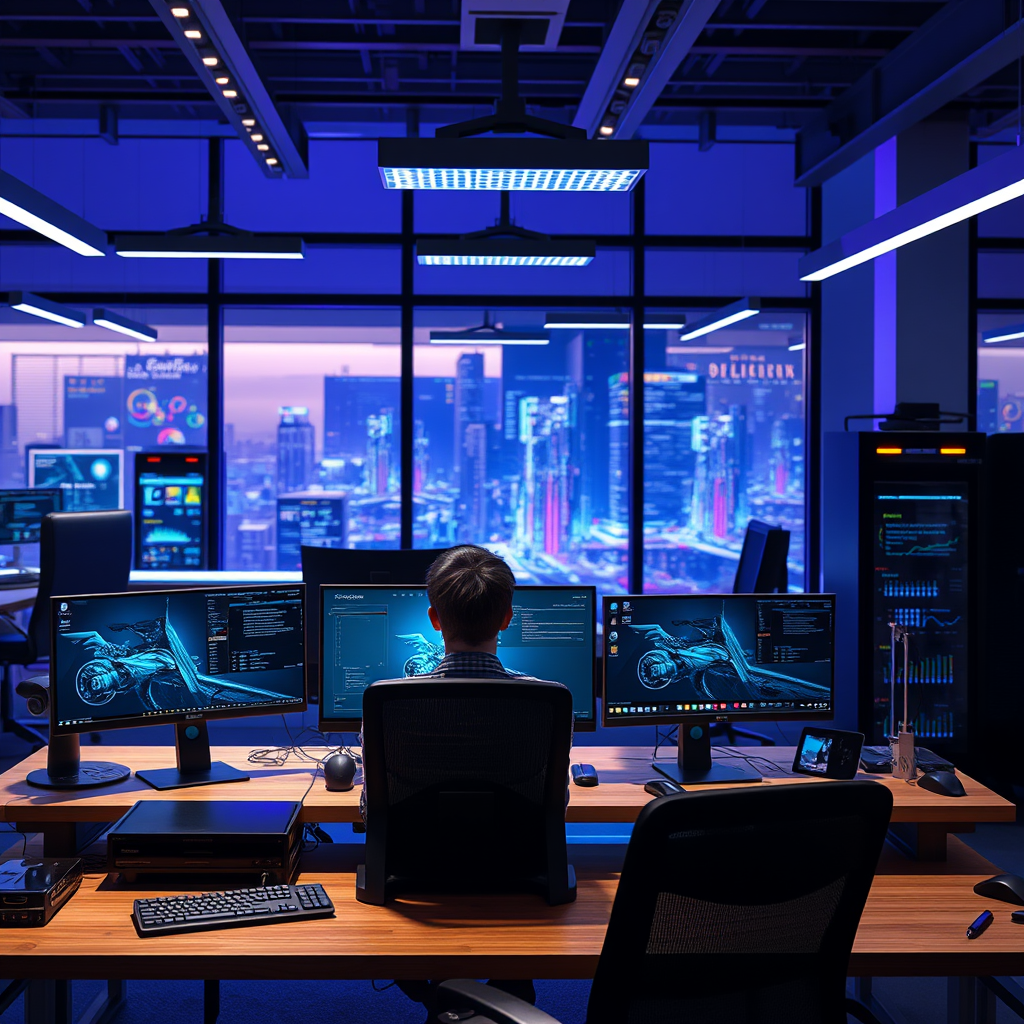

The integration of artificial intelligence in filmmaking has revolutionized how fully immersive, AI-generated movie scenes are created, allowing filmmakers to captivate audiences like never before. By utilizing advanced algorithms and machine learning techniques, filmmakers can produce stunning visuals, intricate narratives, and dynamic characters that resonate deeply with viewers. In this article, we’ll explore how AI technology transforms the filmmaking landscape, enhancing creativity and efficiency in ways that were once the stuff of dreams.
The Role of AI in Filmmaking
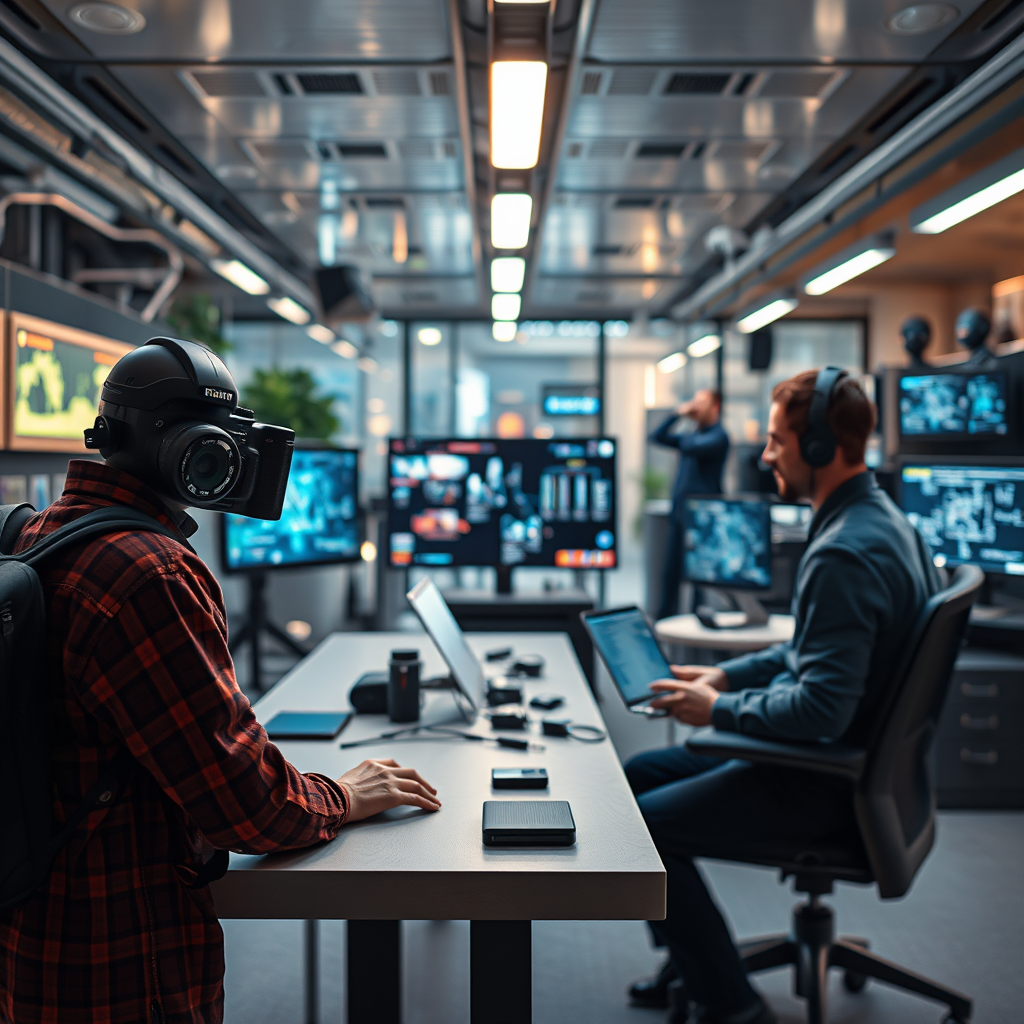
AI plays a pivotal role in modern filmmaking by enhancing creative processes and streamlining workflows. One of the most exciting ways AI contributes is through its ability to analyze scripts and suggest modifications. This means that screenwriters can receive real-time feedback on dialogue, character development, and pacing, helping them craft a more compelling story. For instance, AI tools can evaluate the emotional impact of certain scenes and recommend changes to enhance audience engagement.
Additionally, AI aids in pre-visualization, a crucial step in the filmmaking process. By generating digital mock-ups or storyboards, filmmakers can visualize scenes before they even reach the set. This not only saves time and resources but also allows for better collaboration among departments. For example, directors can share a pre-visualization with cinematographers and production designers, aligning their visions before the cameras start rolling. This synergy fosters a more cohesive creative process, leading to a more polished final product.
Techniques for AI-Generated Scenes
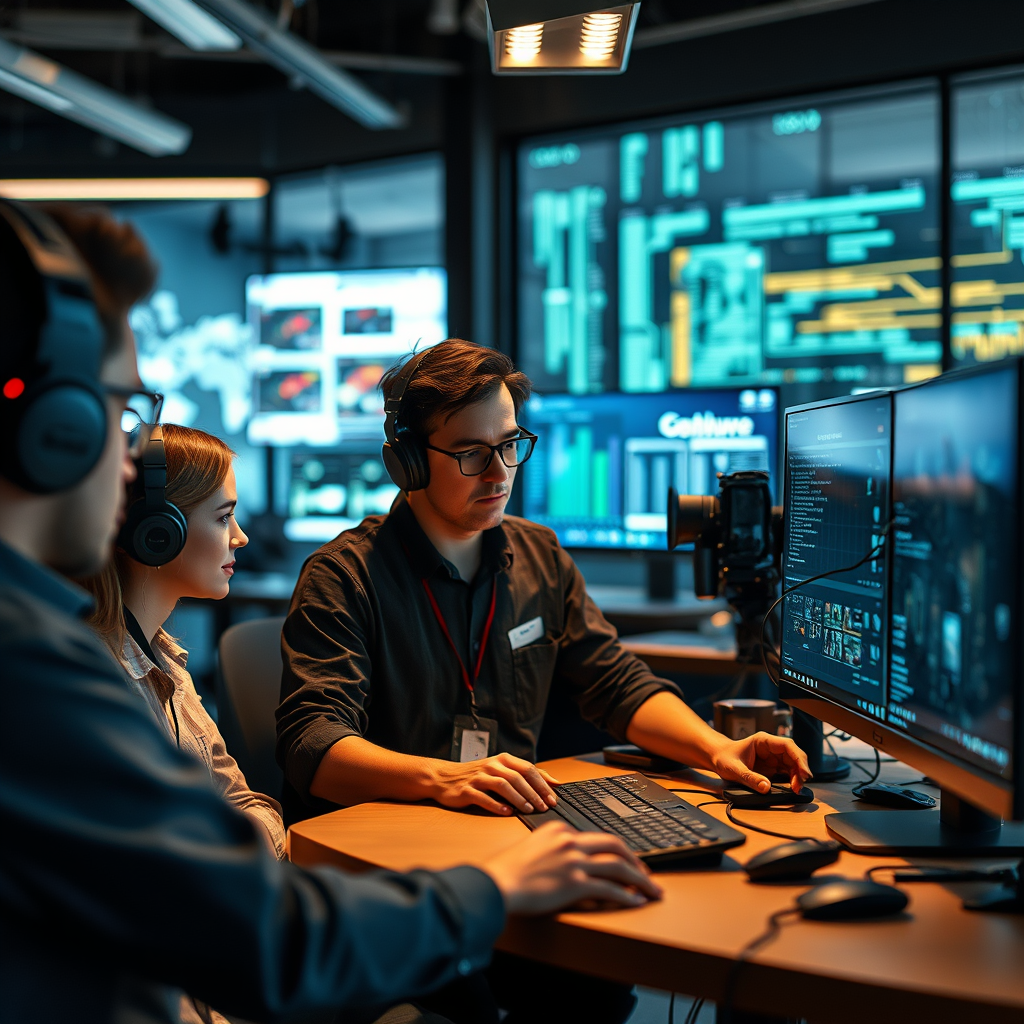
At the heart of AI-generated movie scenes are innovative techniques like Generative Adversarial Networks (GANs) and natural language processing (NLP). GANs are a class of machine learning frameworks that can create lifelike imagery from scratch. They work by pitting two neural networks against each other: one generates images, while the other evaluates them for authenticity. This competition leads to increasingly realistic visuals that can be used in everything from backgrounds to character designs. An example of this is the short film “Sunspring,” which was entirely scripted by an AI, showcasing the potential of GANs in storytelling.
Natural language processing, on the other hand, allows AI to comprehend and generate script dialogue. This technology can analyze vast databases of scripts to understand how characters typically interact, enabling it to craft appropriate dialogue that feels authentic. Imagine a scene where characters are conversing in a way that reflects their unique personalities, all generated in real-time by AI. This not only enhances narrative depth but also opens up possibilities for interactive storytelling, where audience choices can shape character responses dynamically.
Enhancing Visual Effects with AI
Visual effects have come a long way, and AI is a game-changer in this domain. AI algorithms significantly improve the quality of visual effects, making them more realistic and seamlessly integrated into the film. For instance, AI can analyze footage and enhance details, color grading, and lighting, ensuring that visual elements match perfectly across various scenes. This level of refinement is essential for creating a believable world that captivates viewers.
Moreover, machine learning techniques enable the creation of seamless transitions between scenes, which is crucial for maintaining narrative flow. AI can predict how elements in a scene should change over time, allowing for smooth cuts that don’t jar the viewer out of the experience. A fantastic example of this is seen in films like “The Irishman,” where AI was used to de-age actors, ensuring that the transitions between their younger and older selves were fluid and convincing.
AI in Character Development
Character development is another area where AI shines, offering filmmakers the ability to generate unique character backstories and personalities. AI can analyze archetypal traits and behaviors from a wealth of existing characters, crafting new ones that feel fresh and engaging. This capability allows writers to explore diverse narratives that might not have emerged through traditional methods.
Not only can AI create interesting characters, but it can also enable dynamic interactions that evolve based on audience feedback. Imagine characters in interactive films that change their personality traits or story arcs depending on viewer choices. This level of engagement fosters a deeper connection between the audience and the story, enhancing the overall experience. Companies like Replika are already exploring AI-driven characters in interactive media, paving the way for future innovations in storytelling.
The Impact on Production Efficiency
The efficiency of film production is significantly enhanced through the use of AI. One of the most time-consuming aspects of filmmaking is editing, but AI tools streamline this process by automating repetitive tasks. With AI, editors can quickly sort through hours of footage, identifying the best takes based on predefined criteria such as emotional resonance or visual quality. This not only accelerates the editing phase but also allows human editors to focus on the creative aspects of their work.
Additionally, AI assists in sound design, music composition, and scene synchronization. For example, AI algorithms can analyze the rhythm and tone of a scene, suggesting music that complements the emotional undertones perfectly. This technology helps filmmakers achieve a well-rounded final product without the extensive time commitment typically associated with these tasks.
Ethical Considerations in AI Filmmaking
As with any groundbreaking technology, the use of AI in filmmaking raises important ethical considerations. One major concern involves copyright and ownership of AI-generated content. If an AI creates a scene or a character, who owns the rights to that creation? This question has sparked ongoing debates within the industry, as traditional copyright laws struggle to keep pace with technological advancements.
Additionally, there’s a growing concern about the potential loss of human creativity in storytelling. While AI can enhance the filmmaking process, it may also lead to an over-reliance on technology, diminishing the unique human touch that has defined cinema for generations. Striking a balance between leveraging AI’s capabilities and preserving artistic integrity will be crucial as the industry moves forward.
Future Trends in AI-Generated Movie Scenes
The future of AI in filmmaking is incredibly promising, with exciting advancements on the horizon. One trend to watch for is the integration of virtual reality (VR) to create even more immersive experiences. As technology continues to evolve, we can anticipate films that allow viewers to step directly into the narrative, interacting with characters and environments in real time.
Moreover, AI is expected to play a larger role in personalizing viewer experiences through tailored content. Imagine a platform that uses AI to analyze your viewing habits and preferences, curating a selection of films that resonate with you on a personal level. This level of customization could change the landscape of entertainment, making it more engaging and relevant to individual audiences.
The combination of AI technology and filmmaking is revolutionizing the way movies are made, resulting in stunning, immersive experiences that were previously unimaginable. As this technology continues to evolve, it promises to enhance creativity and efficiency in the industry. By embracing these advancements, filmmakers can explore new storytelling possibilities and redefine the cinematic landscape. Explore these AI advancements further to stay ahead in the ever-changing world of cinema.
Frequently Asked Questions
How does AI generate fully immersive movie scenes?
AI generates fully immersive movie scenes by utilizing advanced algorithms and machine learning techniques to analyze vast amounts of data, including scripts, visual styles, and audio cues. By integrating computer vision and natural language processing, AI can create realistic characters, environments, and dialogues that enhance the viewer’s experience. This process allows filmmakers to produce high-quality scenes efficiently, with the ability to experiment and iterate rapidly.
What technologies are involved in creating AI-generated movie scenes?
Several key technologies are involved in creating AI-generated movie scenes, including deep learning, computer graphics, and procedural generation. Deep learning models are used for tasks like image synthesis and character animation, while computer graphics engines render the visuals. Additionally, procedural generation techniques enable the creation of complex environments and scenarios, allowing for a more dynamic and engaging viewing experience.
Why should filmmakers consider using AI for scene creation?
Filmmakers should consider using AI for scene creation because it significantly reduces production time and costs while enhancing creative possibilities. AI tools can automate tedious tasks like background generation and character modeling, allowing creators to focus on storytelling and artistic direction. Moreover, AI-driven insights can help filmmakers make data-informed decisions that align with audience preferences, ultimately improving the film’s reception.
What are the best AI tools available for generating movie scenes?
Some of the best AI tools for generating movie scenes include OpenAI’s DALL-E for image generation, RunwayML for video editing, and NVIDIA’s Omniverse for real-time 3D collaboration. These tools leverage cutting-edge AI technology to provide filmmakers with intuitive interfaces and powerful capabilities for creating visually stunning scenes. Additionally, platforms like Artbreeder allow filmmakers to blend images and concepts seamlessly, expanding their creative options.
Which challenges do creators face when using AI to generate movie scenes?
Creators often face challenges such as ensuring the generated content maintains a cohesive narrative and emotional depth, which is crucial for audience engagement. Additionally, the reliance on AI could lead to ethical concerns regarding originality and copyright issues, as well as the potential for over-reliance on technology at the expense of human creativity. Balancing AI enhancements with traditional filmmaking practices is essential to mitigate these challenges and produce compelling cinema.
References
- https://en.wikipedia.org/wiki/Artificial_intelligence_in_film
- https://www.nytimes.com/2023/03/06/technology/ai-generated-movies.html
- https://www.sciencedirect.com/science/article/pii/S2589004222000804
- https://www.wired.com/story/ai-generated-movies/
- https://www.theguardian.com/technology/2023/mar/07/ai-movie-making-hollywood
- https://www.bbc.com/news/technology-59834509

The Role of AI in Developing Virtual Sports Commentators