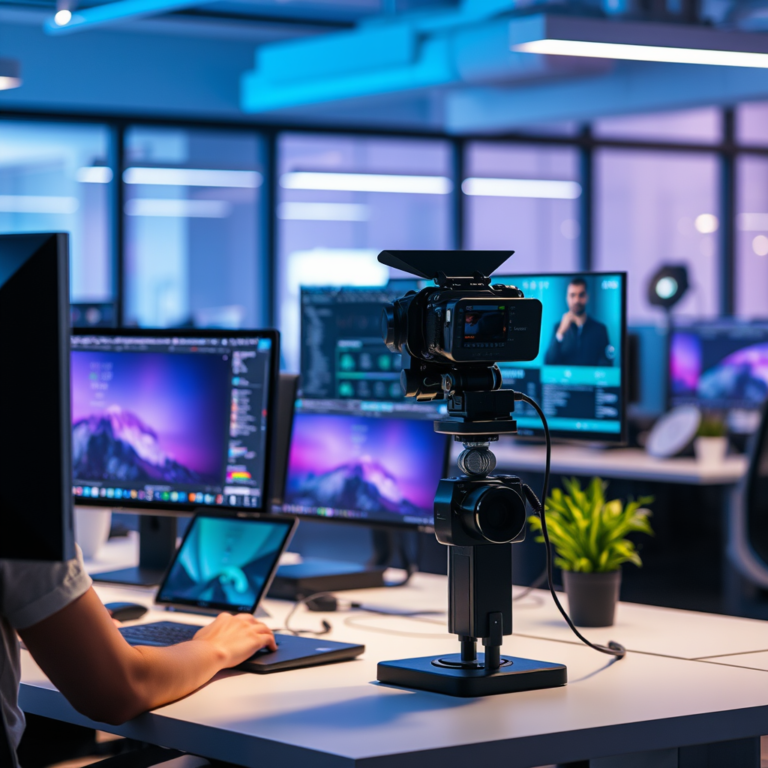
AI technology plays a pivotal role in generating ultra-realistic CGI characters in films, enhancing visual storytelling and creating more immersive experiences for viewers. By employing advanced algorithms, filmmakers can analyze and replicate intricate human features, emotions, and movements, resulting in digital characters that resonate deeply with audiences. This transformation not only elevates the artistic quality of films but also opens up new pathways for creativity and innovation in storytelling.
Understanding AI in CGI

At its core, AI is revolutionizing the field of computer-generated imagery (CGI) by introducing sophisticated methods of character creation. Traditionally, CGI relied heavily on manual artistry and programmed movements. However, with the advent of AI, particularly machine learning and neural networks, the process has become more intuitive and adaptive. Machine learning algorithms can analyze vast datasets of human faces and movements, learning nuances in expressions, gestures, and even voice modulation. Neural networks, especially convolutional neural networks (CNNs), play a crucial role in recognizing patterns in data, allowing computers to generate lifelike images that can mimic human characteristics with astonishing accuracy.
For example, a company like NVIDIA has developed AI tools that can create realistic human faces by processing thousands of images. This technology not only streamlines the character design process but also ensures that the end product feels more authentic and relatable to viewers.
The Process of Character Creation
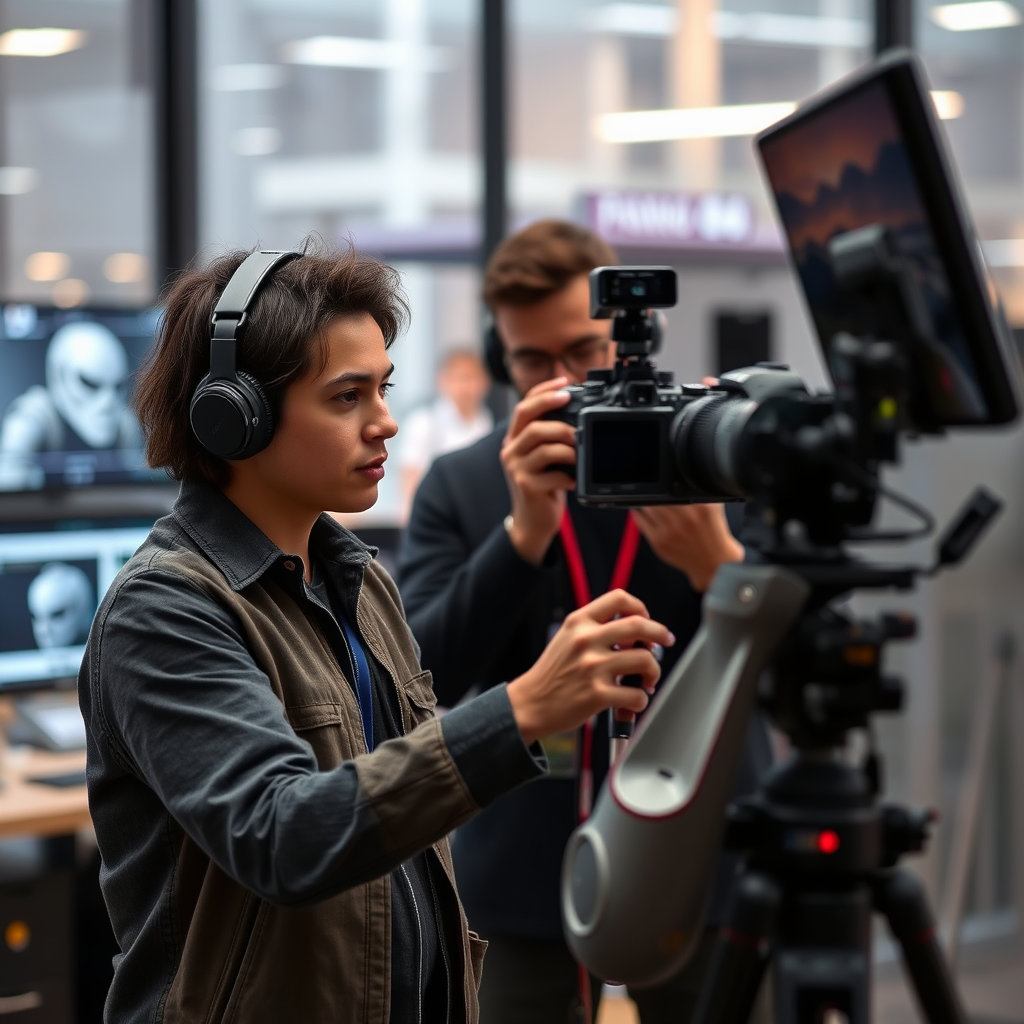
Creating a CGI character using AI involves several intricate steps that enhance the character’s overall realism. First, artists begin with concept art, laying the foundation for the character’s appearance and personality. This is followed by the crucial step of data input, where vast amounts of reference images and videos are fed into AI models. This data serves as the training ground for the algorithms, allowing them to learn how to generate detailed facial features, textures, and movements.
Once the model is trained, artists can refine the character by adjusting parameters to achieve the desired look and feel. The iterative process of testing and tweaking ensures that the character evolves into a believable entity that can engage viewers emotionally. A prime example of this process is the character of Thanos from “Avengers: Infinity War,” where a combination of AI techniques and skilled artistry resulted in a complex character that conveyed a wide range of emotions throughout the film.
Facial Animation and Emotion Rendering
One of the most impressive aspects of CGI character creation is the ability to render facial animations that portray genuine human emotions. AI employs various techniques to capture and reproduce these expressions, including deep learning models that analyze facial movements. By studying how people express emotions, AI can predict and replicate how a character should react in different scenarios, making interactions feel more natural.
Motion capture technology plays a significant role in this process, where actors wear special suits that track their movements and facial expressions. The data collected is then translated into the CGI character, ensuring that the emotional depth conveyed by the actor is preserved. A notable example is the character of Gollum from “The Lord of the Rings,” whose complex emotions were brought to life through the combination of motion capture and AI-driven facial animation, making him a deeply relatable and memorable character.
Texturing and Skin Simulation
Realism in CGI characters extends beyond just facial features; skin texture and tone are equally crucial for believability. AI algorithms are now able to develop incredibly realistic skin textures by analyzing high-definition images of real human skin. This involves creating detailed maps that account for pores, blemishes, and even subtle variations in color.
Lighting and environmental factors also play a significant role in how CGI characters appear on screen. AI helps simulate how light interacts with different surfaces, adjusting the character’s appearance based on the scene’s lighting conditions. For instance, in “The Lion King” (2019), the characters were designed to reflect the natural lighting of the African savannah, enhancing their realism and allowing them to blend seamlessly into their environment.
Integration with Live Action
Blending CGI characters with live actors and environments presents unique challenges that require advanced technology and creative problem-solving. Filmmakers often use techniques such as chroma keying, where a green screen is employed to isolate characters from a filmed background. However, the integration of CGI characters into live-action footage requires meticulous attention to detail to ensure that lighting, shadows, and perspectives match.
Furthermore, AI plays a crucial role in enhancing the coherence of visual narratives. Algorithms can analyze the surrounding environment to help CGI characters interact more realistically with live-action elements. For example, in “Jurassic Park,” the integration of CGI dinosaurs with live actors was groundbreaking for its time, setting a standard for future films. Today, technologies like AI-powered rendering are making this process faster and more efficient, allowing for seamless interactions that elevate the overall storytelling experience.
Future of AI in Filmmaking
As AI technology continues to evolve, the future of CGI in filmmaking looks incredibly promising. We can expect advancements in AI algorithms that will not only create even more realistic characters but also streamline the production process. Innovations such as real-time rendering and AI-driven editing tools could significantly reduce costs and time associated with character creation.
Moreover, the implications for creativity in the film industry are vast. With AI handling more of the technical aspects, filmmakers could focus on storytelling, character development, and emotional arcs, leading to richer narratives that resonate with audiences on a deeper level. As we witness the fusion of technology and artistic expression, the potential for groundbreaking films that challenge our perceptions of reality seems limitless.
The rise of AI has transformed the landscape of CGI character creation in films, enabling unprecedented realism and emotional depth. As filmmakers continue to explore these advancements, audiences can expect even more captivating storytelling experiences. For those interested in the intersection of technology and art, staying informed about these developments can provide exciting insights into the future of cinema.
Frequently Asked Questions
What technologies are used by AI to create ultra-realistic CGI characters in films?
AI utilizes a range of technologies such as machine learning, neural networks, and computer vision to create ultra-realistic CGI characters. These technologies analyze vast amounts of data from real human movements and expressions, enabling the AI to generate lifelike animations and facial expressions. Additionally, advancements in rendering techniques and photorealistic textures enhance the overall believability of these digital characters on screen.
How does AI improve the animation process for CGI characters?
AI significantly improves the animation process for CGI characters by automating repetitive tasks and enhancing motion capture accuracy. Machine learning algorithms can predict movements and interpolate frames, resulting in smoother animations with less manual effort. This allows animators to focus on creative aspects while AI handles technical details, ultimately speeding up production timelines and reducing costs.
Why is AI important for creating realistic emotions in CGI characters?
AI is crucial for creating realistic emotions in CGI characters because it can analyze human expressions and mimic them with incredible precision. By using sophisticated algorithms, AI can discern subtle facial movements that convey a wide range of emotions, making digital characters more relatable and engaging for audiences. This emotional realism enhances storytelling and allows viewers to connect deeply with the characters on screen.
What are the best examples of films using AI to create CGI characters?
Some of the best examples of films using AI to create CGI characters include “The Lion King” (2019), where AI was used to enhance the realism of animal movements, and “Avengers: Endgame,” which featured advanced motion capture technology to bring characters like Thanos to life. Other notable mentions are “Star Wars: Rogue One,” where AI was instrumental in recreating the likeness of late actor Peter Cushing, showcasing how AI can blend seamlessly with live-action footage.
Which companies are leading the way in using AI for CGI character creation?
Companies like Disney, Industrial Light & Magic (ILM), and Weta Digital are at the forefront of using AI for CGI character creation. Disney has pioneered techniques for lifelike animation, while ILM has developed advanced machine learning tools that enhance visual effects. Weta Digital is also known for its innovative use of AI and computer graphics in films, pushing the boundaries of what’s possible in realistic CGI character design.
References
- Computer-generated imagery
- https://www.theguardian.com/technology/2020/jul/06/how-ai-is-changing-the-way-filmmakers-create-characters
- https://www.bbc.com/future/article/20210505-how-ai-is-changing-the-future-of-animation
- https://www.sciencedirect.com/science/article/pii/S1877050919314674
- https://www.technologyreview.com/2021/03/31/1021791/ai-animation-characters-movie/
- https://www.nytimes.com/2021/02/23/technology/ai-animation.html
- https://www.wired.com/story/ai-animation-characters-2021/
- https://www.npr.org/2021/05/25/996569753/how-artificial-intelligence-is-changing-the-creative-process-in-animation