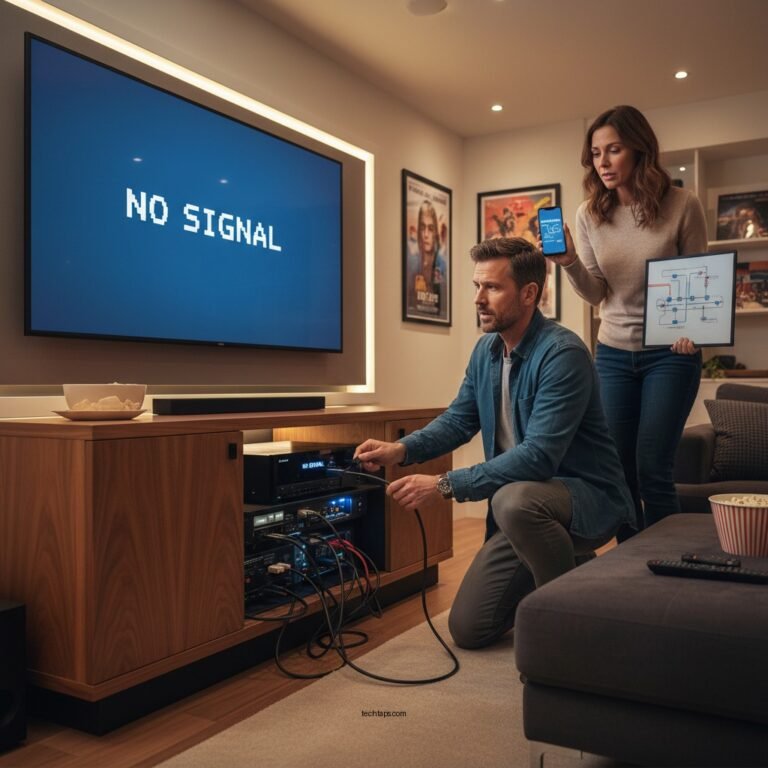

Smart display technologies are increasingly incorporating AI to bolster privacy protections, ensuring user data is safeguarded while still delivering personalized experiences. With the rise of smart displays in homes and offices, it’s essential to understand how AI enhances privacy, allowing users to enjoy the benefits of these technologies without compromising their personal data. This article explores how AI-driven features enhance privacy in smart displays, providing insights into the mechanisms at work and the benefits for users.
Understanding Smart Display Technologies
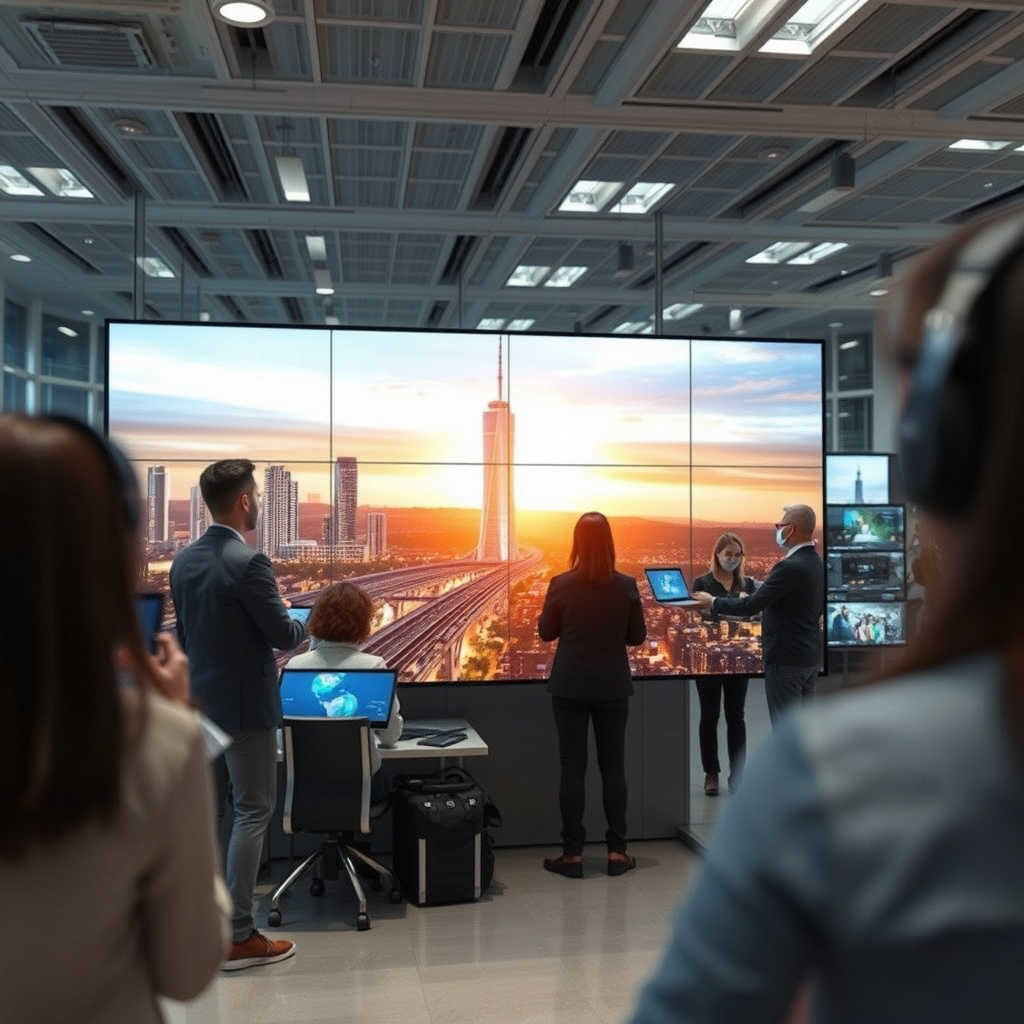
Smart displays, often resembling traditional screens but infused with advanced technology, are devices that combine visual display capabilities with internet connectivity and interactive features. These devices can perform various functions, from streaming videos and showing digital photos to answering inquiries and controlling smart home devices. By leveraging voice recognition and touch interfaces, smart displays allow users to interact seamlessly, making everyday tasks easier.

However, the effectiveness of smart displays largely depends on their ability to collect and process user data. This data can include voice commands, user preferences, and behavioral patterns, which are utilized to enhance user experience. For instance, a smart display may learn your favorite music genres or the optimal times for reminders based on past interactions. While this personalization improves usability, it raises significant concerns about privacy and data security, making the role of AI in protecting user data even more critical.
The Role of AI in Privacy Enhancement
AI plays a pivotal role in enhancing privacy by employing advanced algorithms designed specifically for data protection. One of the primary functions of these algorithms is to analyze user data patterns without over-collecting information. By utilizing techniques such as differential privacy, AI can ensure that individual user data remains anonymous even while still gleaning valuable insights for improving services.
For example, AI can identify trends in how users interact with their smart displays and adjust functionalities accordingly without storing identifiable information. This means that while your smart display gets better at predicting your needs, it’s not hoarding personal data that could compromise your privacy. This proactive approach to minimizing unnecessary data collection helps create a safer environment for users concerned about their digital footprint.
Real-Time Data Processing and Privacy
One of the standout benefits of AI in smart displays is its ability to process data in real-time, often directly on the device rather than relying on cloud services. This shift to on-device processing is significant for privacy, as it means sensitive information doesn’t have to be transmitted over the internet, reducing the risk of interception or unauthorized access.
For instance, when you ask your smart display a question, AI can quickly analyze the inquiry and provide a response without sending your voice data to the cloud for processing. This capability not only speeds up response times but also safeguards your queries from potential breaches. Additionally, AI can make real-time decisions based on immediate context, such as adjusting the display settings based on the ambient light or recognizing who is speaking to provide personalized responses, all while keeping user data secure.
User Consent and Control Mechanisms
AI-driven features also empower users to manage their data actively. Many smart displays now come with intuitive control panels that allow users to adjust privacy settings easily. For instance, users can choose what information is shared, delete their interaction history, or disable features like voice recognition entirely.
Transparency plays a crucial role in these mechanisms. Smart display manufacturers that prioritize user consent often provide clear, accessible information regarding how data is collected, used, and stored. This not only builds trust but also ensures that users can make informed choices about their privacy. By understanding what data they are sharing and how it will be utilized, users can feel more secure in their interactions with smart displays.
Threat Detection and Anomaly Monitoring
AI’s advanced capabilities extend to threat detection and anomaly monitoring, providing an additional layer of security for smart display users. By continuously analyzing usage patterns, AI can identify unusual activities that might indicate a security threat, such as unauthorized access attempts or unusual command patterns.
For example, if an AI system detects a login attempt from an unfamiliar device or detects commands being issued in a manner inconsistent with normal usage, it can alert the user immediately. This proactive monitoring helps users stay informed about potential security breaches, allowing them to take necessary action before any damage occurs. By enhancing visibility into device activity, AI fortifies user privacy and builds confidence in using smart technologies.
Future Developments in AI and Privacy
As technology evolves, we can anticipate emerging trends in AI that will further protect user privacy in smart display technologies. One exciting development is the increasing integration of edge computing, where data processing occurs closer to the source (on the device) rather than relying heavily on cloud infrastructure. This will not only improve efficiency but also significantly enhance privacy by keeping data local.
Furthermore, advancements in encryption technologies will likely become more commonplace, ensuring that even if data is transmitted, it remains secure and unreadable to unauthorized parties. Looking ahead, we can predict that smart displays will become even more intuitive, learning from user interactions while implementing stronger privacy measures, ultimately fostering a more secure digital environment.
Case Studies and Real-World Applications
Several companies are already successfully integrating AI to enhance privacy protection in their smart display technologies. For instance, Google’s Nest Hub utilizes AI-driven features to provide personalized experiences while prioritizing user data safety. Users have responded positively to the option of managing their privacy settings through voice commands, allowing them to customize their interactions easily.
Similarly, Amazon’s Echo Show has incorporated features that allow users to review and delete voice recordings, ensuring they have control over their data. User feedback highlights a greater sense of trust in these devices when they feel empowered to manage their data actively. By implementing strong privacy measures, these companies are not only enhancing user experience but also setting a standard for privacy in the smart technology landscape.
The integration of AI in smart display technologies not only improves user experience but also plays a crucial role in protecting privacy. By understanding how AI enhances data security, users can make informed decisions about their smart device usage and advocate for their privacy rights. Explore the latest in smart display technologies and leverage AI for a secure digital lifestyle. As we continue to embrace these innovations, it’s clear that smart displays can provide both convenience and peace of mind when it comes to protecting our personal information.
Frequently Asked Questions
How does AI improve privacy protection in smart display technologies?
AI enhances privacy protection in smart display technologies by employing advanced algorithms that analyze user behavior and preferences without compromising sensitive data. Machine learning models can identify potential security threats in real-time, enabling proactive measures such as automatic data encryption and secure access controls. Additionally, AI-driven voice recognition systems can differentiate between authorized and unauthorized users, further safeguarding personal information.
What are the main privacy concerns associated with smart displays?
The primary privacy concerns related to smart displays include unauthorized data access, eavesdropping, and the potential misuse of personal information. Users often worry about how their voice commands and visual data are collected and stored by these devices. Transparency in data handling practices and the integration of AI-driven features that prioritize user consent and anonymization are essential to alleviate these concerns.
Why is AI critical for enhancing security features in smart display devices?
AI is critical for enhancing security features in smart display devices because it enables continuous monitoring and adaptive responses to emerging threats. AI technology can detect unusual patterns in data access and usage, allowing for immediate alerts and actions, such as locking the device or requiring additional authentication. This proactive approach significantly reduces the risk of data breaches and unauthorized access, ultimately providing users with greater peace of mind.
Which AI technologies are most effective in protecting user privacy in smart displays?
Several AI technologies are effective in protecting user privacy in smart displays, including natural language processing (NLP), machine learning, and computer vision. NLP helps in securely processing voice commands while minimizing data retention, while machine learning algorithms can identify and mitigate security risks based on user behavior patterns. Computer vision technologies can enhance user authentication and ensure that only authorized individuals can interact with the device, thus maintaining privacy integrity.
How can users ensure their smart display devices utilize AI for better privacy protection?
Users can ensure their smart display devices utilize AI for better privacy protection by regularly updating their device firmware and software to the latest versions, which often include enhanced security features. Additionally, they should review privacy settings to enable AI-driven functions that optimize data protection, such as voice recognition and two-factor authentication. Finally, selecting devices from reputable manufacturers known for prioritizing user privacy can also help maximize the benefits of AI in safeguarding personal information.
References
- https://en.wikipedia.org/wiki/Privacy_by_design
- https://www.nist.gov/news-events/news/2020/09/how-artificial-intelligence-can-improve-privacy-protection
- https://www.acm.org/publications/proceedings-template
- https://www.bbc.com/news/technology-55837779
- https://www.nytimes.com/2021/02/19/technology/ai-privacy.html
- https://www.sciencedirect.com/science/article/pii/S0167739X21001471
- https://www.researchgate.net/publication/339531159_Artificial_Intelligence_for_Privacy_Protection
- https://www.iapp.org/news/post/2020/12/14/the-role-of-ai-in-privacy-protection/
- https://www.privacyinternational.org/long-read/4326/how-ai-can-support-privacy-protection
- https://www.ncbi.nlm.nih.gov/pmc/articles/PMC7226121/