
Incorporating AI into live streaming significantly boosts security for businesses, ensuring data protection and user privacy. By leveraging advanced technologies such as machine learning, natural language processing, and predictive analytics, companies can create a more secure streaming environment. This article will explore how AI technologies improve authentication, content monitoring, and threat detection, ultimately providing enterprises with a robust framework to protect sensitive data and enhance user experiences.
The Role of AI in Authentication
One of the most critical aspects of secure live streaming is ensuring that only authorized individuals can access the content. AI-powered facial recognition systems play a pivotal role in enhancing user verification. These systems can analyze facial features in real-time, allowing businesses to confirm the identity of viewers before granting access. For instance, platforms like Facebook Live have started implementing facial recognition to ensure that only verified users can stream or view certain live events, thereby reducing the risk of unauthorized access.
Additionally, machine learning algorithms analyze user behavior patterns to identify anomalies. By establishing a baseline of normal activity, AI can detect unusual behavior that may indicate a security threat. For example, if a user typically logs in from one location but suddenly attempts to stream from a different region, the system can flag this activity for further investigation. This proactive approach to authentication not only enhances security but also builds trust with users, knowing that their data is protected.
Content Monitoring and Compliance
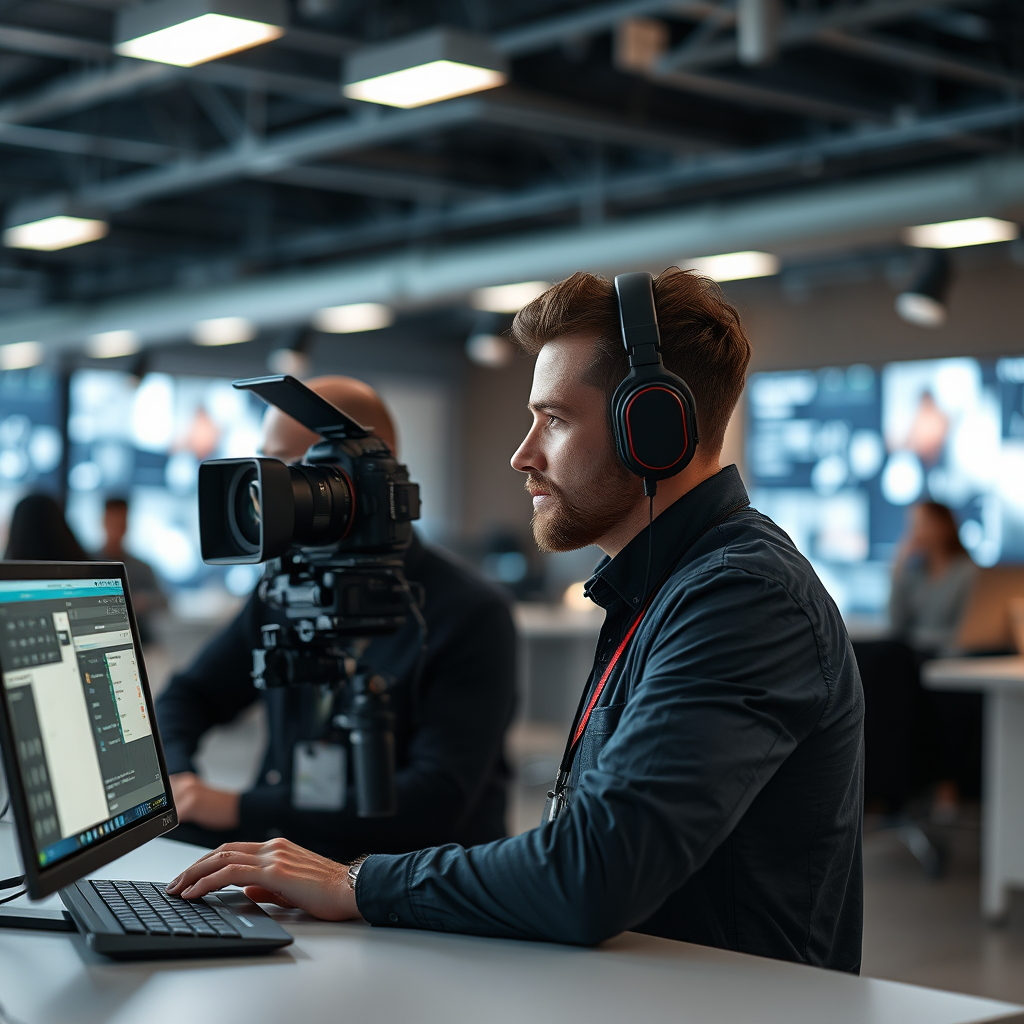
In the realm of live streaming, ensuring compliance with regulations and maintaining a safe environment for viewers is paramount. AI tools automatically scan live streams for inappropriate content, which is essential for businesses that must adhere to strict guidelines. For example, platforms like YouTube and Twitch utilize AI to monitor streams in real-time, automatically flagging or removing content that violates community standards.
Natural language processing (NLP) is another powerful AI application that assists in identifying harmful speech or misinformation during live broadcasts. By analyzing the language used in real-time, AI can detect hate speech, harassment, or false information and take immediate action. This capability not only helps businesses avoid potential legal ramifications but also fosters a safer online community for viewers.
Threat Detection and Prevention
With the increasing sophistication of cyber threats, AI systems are becoming indispensable for threat detection and prevention in live streaming. Utilizing predictive analytics, AI can foresee potential threats and vulnerabilities within the streaming process. For instance, an AI system can analyze historical data to identify patterns that suggest an impending DDoS (Distributed Denial of Service) attack, allowing businesses to implement countermeasures before any disruption occurs.
Moreover, AI-generated automated alerts for suspicious activities enable rapid responses to security breaches. An example of this can be seen in platforms like Zoom, which have integrated AI to monitor user engagement and flag any unusual behavior, such as a sudden spike in participants or excessive screen sharing. This immediate response capability is essential in minimizing damage and maintaining a secure streaming environment.
Enhancing User Experience with AI
While security is a top priority, enhancing user experience is equally important for businesses looking to engage their audience during live streams. AI chatbots can manage viewer inquiries during live broadcasts, ensuring smooth communication and keeping the audience engaged. For instance, platforms like Streamlabs have integrated AI chatbots that can answer frequently asked questions, provide real-time updates, and even moderate chat discussions, allowing streamers to focus on content creation rather than managing viewers.
Personalization algorithms also play a significant role in tailoring content suggestions based on viewer preferences while maintaining security. By analyzing individual viewer behavior and preferences, AI can recommend relevant content that enhances user engagement. For example, Netflix uses AI-driven algorithms to suggest shows and movies based on viewers’ watch history, creating a more personalized experience that keeps users coming back for more.
Future Trends in AI and Live Streaming Security
As technology continues to evolve, so too will the capabilities of AI in enhancing live streaming security. Continuous advancements in AI technology are expected to lead to more sophisticated security measures, including improved facial recognition accuracy and more effective content moderation tools. Additionally, the integration of blockchain technology with AI may provide decentralized and tamper-proof streaming solutions, ensuring that content remains secure and authentic.
Imagine a future where live streaming platforms leverage AI and blockchain to create an environment where every transaction is logged and verified, reducing the risk of piracy and unauthorized content distribution. This combination could revolutionize the industry, providing businesses with an unprecedented level of security and trustworthiness.
Best Practices for Implementing AI in Live Streaming
To successfully implement AI in live streaming, businesses should consider several best practices. First and foremost, invest in reputable AI solutions that prioritize security and privacy. Companies like IBM and Microsoft offer AI tools designed specifically for secure streaming, providing businesses with peace of mind.
Regularly updating and training AI systems is also crucial. The digital landscape is constantly evolving, and so are the tactics used by cybercriminals. By keeping AI systems current with emerging threats and trends, businesses can ensure that they remain one step ahead of potential security breaches.
Finally, fostering a culture of security awareness among employees can significantly enhance the effectiveness of AI-driven solutions. Providing training on security best practices and encouraging vigilance can help create a more secure environment for live streaming.
By leveraging AI, businesses can create a secure live streaming environment that protects sensitive data and enhances viewer experience. As threats evolve, staying informed about AI advancements will be crucial for maintaining robust security measures. Explore AI solutions tailored for your business to ensure safe and engaging live streaming experiences. Remember, a secure streaming environment not only protects your business but also fosters trust and loyalty among your viewers.
Frequently Asked Questions
How does AI improve the security of live streaming for businesses?
AI enhances the security of live streaming for businesses by implementing advanced algorithms that monitor and analyze streaming data in real-time. It can detect unusual patterns or anomalies, triggering alerts for potential security breaches. This proactive approach helps businesses safeguard their content from unauthorized access and hacking attempts, ensuring a secure streaming experience for both the business and its audience.
What are the key benefits of using AI for secure live streaming in corporate settings?
The key benefits of using AI for secure live streaming in corporate settings include enhanced threat detection, automated content moderation, and improved user authentication. With AI-powered tools, businesses can quickly identify and mitigate risks, ensuring that their live streams are secure from cyber threats. Additionally, AI can streamline the authentication process for viewers, making it easier for businesses to maintain control over who accesses their streams.
Why should businesses consider AI-driven solutions for live streaming security?
Businesses should consider AI-driven solutions for live streaming security because they offer a scalable and efficient way to protect valuable content. Traditional security measures may not keep pace with the evolving landscape of cyber threats, but AI continuously learns and adapts to new risks. This means businesses can stay ahead of potential vulnerabilities, ensuring their live streaming operations remain secure and trustworthy for their audience.
Which AI technologies are most effective for enhancing live streaming security?
The most effective AI technologies for enhancing live streaming security include machine learning algorithms for anomaly detection, natural language processing for monitoring chat interactions, and facial recognition systems for user authentication. By leveraging these technologies, businesses can create a multi-layered security framework that not only protects their streams but also enhances viewer engagement by providing a safe environment for interaction.
How can businesses implement AI solutions to enhance their live streaming security?
Businesses can implement AI solutions to enhance their live streaming security by integrating AI-powered platforms that offer real-time monitoring and threat detection capabilities. They should evaluate their specific security needs and choose solutions that provide features like encryption, user authentication, and content moderation. Additionally, training staff on these AI tools and regularly updating security protocols will help ensure continued protection against emerging threats in the live streaming landscape.
References
- Artificial intelligence
- https://www.nist.gov/news-events/news/2020/07/nist-releases-new-guidelines-secure-video-conferencing
- https://www.sciencedirect.com/science/article/pii/S187705091931161X
- https://www.bbc.com/news/technology-54636832
- https://www.techrepublic.com/article/how-ai-is-changing-live-streaming/
- https://www.forbes.com/sites/bernardmarr/2020/12/07/how-ai-is-reshaping-live-streaming-and-video-conferencing/
- https://www.theguardian.com/technology/2021/mar/12/how-artificial-intelligence-is-changing-our-lives
- https://www.ncbi.nlm.nih.gov/pmc/articles/PMC7436730/