Augmented reality (AR) filters in video apps leverage artificial intelligence (AI) to create engaging, interactive experiences by overlaying digital effects onto the real world in real time. These filters not only enhance the aesthetic appeal of videos but also encourage user interaction and creativity. As we delve deeper into this fascinating intersection of technology, we’ll explore how AI and AR work together to transform video content creation and consumption, leading to a more immersive user experience.
Understanding Augmented Reality
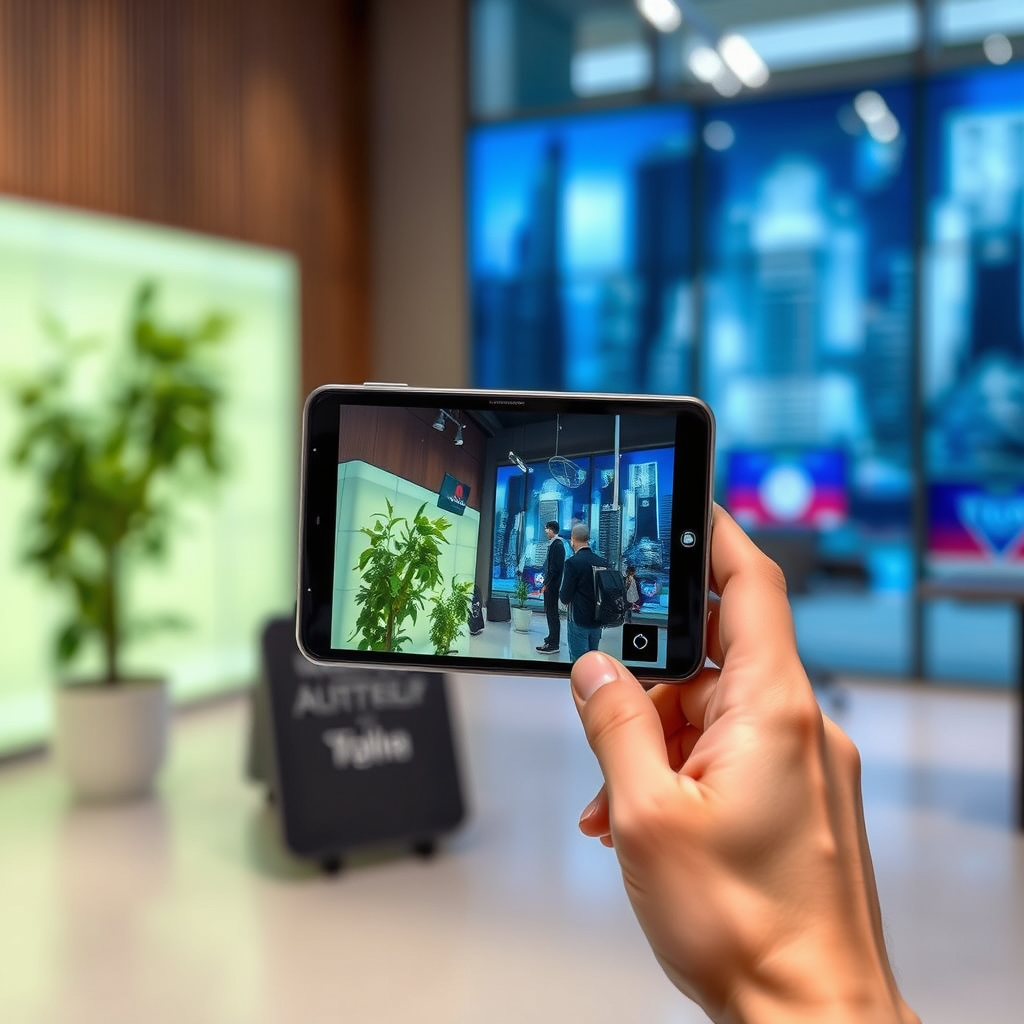
Augmented reality (AR) is a technology that superimposes computer-generated images, sounds, and other sensory enhancements onto the real world, providing an interactive experience that blends digital content with our physical environment. In video apps, AR is primarily used to add filters, effects, and animations that enhance the visual storytelling of videos. Whether it’s a fun face mask in a social media app or a dynamic background in a video conferencing tool, AR has found numerous applications in various domains—from entertainment and marketing to education and remote collaboration.
One key distinction between augmented reality and virtual reality (VR) is their approach to user experience. While AR overlays digital content onto the real world, allowing users to interact with both simultaneously, VR immerses users in a completely digital environment, typically requiring specialized headsets. This fundamental difference makes AR more accessible for casual users, as it can be easily integrated into smartphones and everyday applications.
The Role of Artificial Intelligence

Artificial intelligence plays a crucial role in the functionality of AR filters. AI algorithms are designed to analyze user facial features, gestures, and surroundings by utilizing computer vision and deep learning techniques. For example, when you apply a filter that adds sunglasses or a hat to your face, AI algorithms detect your facial landmarks—such as the eyes, nose, and mouth—and accurately position the digital effects in relation to your movements.
Machine learning is especially vital in improving filter accuracy over time. As users engage with AR filters, the AI systems gather data and learn from their interactions. This continuous learning process enables the filters to become more precise in identifying user features, adapting to different lighting conditions, and even understanding various facial expressions. Consequently, the more a user interacts with these filters, the more personalized and engaging their experience becomes.
How Filters Are Created
Creating AR filters involves a multi-step process that begins with conceptualization and design. Developers first brainstorm ideas based on current trends, user preferences, and the intended application of the filter. This initial phase may involve sketching designs and mapping out how the filter will interact with the user’s environment.
Once a concept is solidified, developers use specialized tools and software to bring their ideas to life. Popular platforms for designing AR filters include Spark AR Studio, which is widely used for Facebook and Instagram filters, and Snap Lens Studio, favored by Snapchat creators. These tools provide user-friendly interfaces and powerful capabilities, allowing developers to craft intricate effects with ease.
After the design phase, the filter undergoes rigorous testing to ensure it performs reliably across different devices and lighting conditions. Once finalized, the filter is deployed to the video app, ready for users to enjoy.
Real-Time Processing Techniques
Real-time processing is essential for AR filters to function seamlessly. This involves capturing video input from the user’s camera, processing that data instantaneously, and overlaying the digital effects—all within milliseconds. To achieve this, video processing algorithms must be highly efficient, ensuring that the AR experience is smooth and responsive.
Hardware capabilities play a significant role in determining filter performance. High-quality cameras, powerful processors, and advanced sensors in modern smartphones enhance the ability to track user movements and display AR effects accurately. As mobile technology continues to improve, we can expect even more sophisticated AR experiences in video apps, with faster processing and more intricate designs becoming the norm.
Enhancing User Engagement
The psychological effects of using AR filters on user interaction cannot be understated. These filters often elicit positive emotions, encouraging users to engage more deeply with the content they create. The playful and creative aspects of AR filters can enhance social interactions, leading to increased sharing and collaboration among users.
Popular video apps like TikTok and Instagram have successfully integrated AR filters to boost user engagement. For instance, TikTok’s “green screen” effect allows users to replace their backgrounds creatively, leading to an explosion of inventive content creation. Similarly, Instagram’s face filters have become a staple in stories, prompting users to express their personalities and connect with others in a fun way.
By tapping into the user’s desire for creativity, AR filters not only enhance individual experiences but also foster a sense of community among users who share their creations online.
Future Trends in AR Filters
As technology continues to evolve, the future of AI-powered AR filters looks promising. We can anticipate refinements in the accuracy and responsiveness of these filters, with AI algorithms becoming even more adept at understanding complex facial expressions and environmental contexts. This could lead to more personalized experiences, where filters adapt to individual user preferences and moods.
Additionally, potential new applications for AR filters extend beyond social media. Imagine using AR filters in educational settings, where students can visualize complex concepts through interactive digital overlays, or in retail, where shoppers can try on virtual clothing and accessories before making purchases. The possibilities are vast, and as AR technology becomes more accessible, it’s likely to permeate various aspects of our daily lives.
The integration of AI-powered augmented reality filters in video apps marks a significant innovation in digital interaction and content creation. As this technology continues to evolve, users can expect increasingly immersive experiences that blend the digital and physical worlds seamlessly. By enhancing user engagement and fostering creativity, AI and AR are set to revolutionize how we create and consume video content, making our digital interactions more meaningful and enjoyable. Keep an eye on these advancements, as they are sure to enrich your experience with video content in new and exciting ways.
Frequently Asked Questions
How do AI-powered augmented reality filters enhance video quality in apps?
AI-powered augmented reality filters enhance video quality by utilizing machine learning algorithms to analyze and process real-time video feeds. These filters can intelligently adjust lighting, colors, and facial features to create a more polished and visually appealing output. Additionally, the AI can track and adapt to movements, ensuring that effects remain consistent and realistic, which significantly improves the overall viewing experience.
What technology underpins augmented reality filters in video apps?
The technology behind augmented reality filters in video apps primarily involves computer vision, machine learning, and depth sensing. Computer vision algorithms analyze the video content to identify faces, objects, and backgrounds, while machine learning models are trained on vast datasets to recognize patterns and apply effects seamlessly. Depth sensing enhances these filters by providing spatial awareness, allowing for more immersive and interactive experiences as the filters react to the user’s environment.
Why are some augmented reality filters more popular than others in video apps?
The popularity of augmented reality filters in video apps often stems from their creativity, usability, and the emotional connection they create with users. Filters that are visually stunning, easy to use, and offer unique experiences tend to attract more attention. Additionally, filters that tap into current trends or cultural moments, like seasonal themes or viral challenges, are more likely to go viral and gain widespread use.
Which video apps offer the best AI-powered augmented reality filters?
Some of the best video apps featuring AI-powered augmented reality filters include Instagram, Snapchat, TikTok, and Zoom. Each of these platforms has invested heavily in AR technology and regularly updates their filter libraries with innovative designs and functionalities. Users should explore these apps, as they often offer unique and engaging filters that can enhance their video content and social interactions.
How can I create my own AI-powered augmented reality filters for video apps?
To create your own AI-powered augmented reality filters, you can use platforms like Spark AR Studio (for Facebook and Instagram) or Snap Lens Studio (for Snapchat). These tools provide user-friendly interfaces and extensive tutorials to help you design and implement custom filters. Additionally, you’ll need a basic understanding of 3D modeling and visual effects, along with access to resources like image libraries and sound effects, to enhance your filter’s appeal and functionality.
References
- Augmented reality
- https://www.sciencedirect.com/science/article/pii/S1877050919312143
- https://www.nytimes.com/2021/06/09/technology/augmented-reality-filters.html
- https://www.bbc.com/future/article/20201203-what-is-augmented-reality-and-how-does-it-work
- https://www.wired.com/story/augmented-reality-filters-social-media/
- augmented reality | TechCrunch
- https://www.ncbi.nlm.nih.gov/pmc/articles/PMC7588423/
- https://www.microsoft.com/en-us/research/publication/understanding-the-future-of-augmented-reality/
- https://www.itu.int/en/ITU-T/focusgroups/ai/Pages/default.aspx