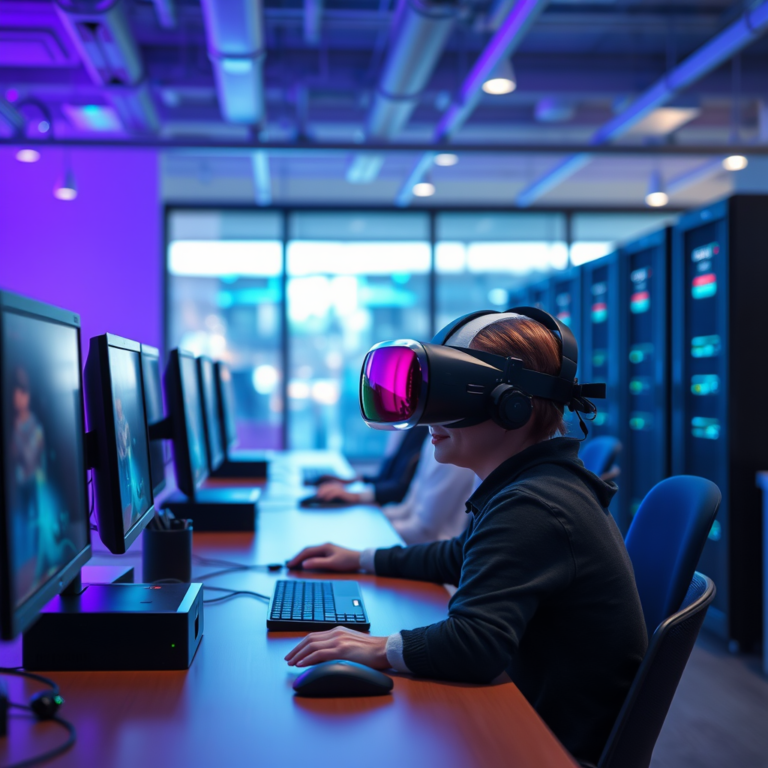

AI-powered eye-tracking technology significantly enhances the personalization of VR video content by adapting the experience based on users’ visual focus and engagement. This innovative approach allows for tailored narratives and interactions that resonate more deeply with viewers. By understanding where users look and how long they engage with specific elements, creators can craft experiences that feel uniquely designed for each individual. In this article, we will explore how eye-tracking works, its benefits, applications in VR, and the future of personalized content.
Understanding AI-Powered Eye-Tracking
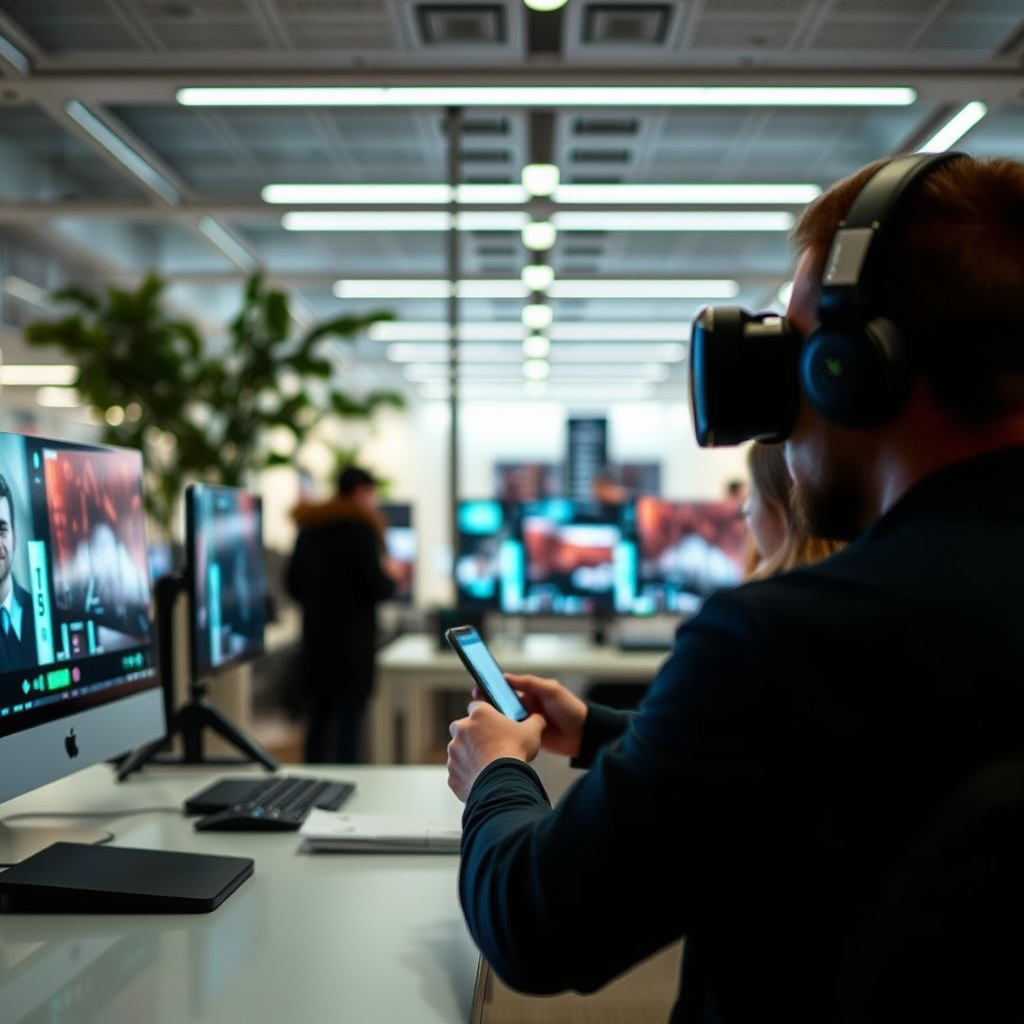
Eye-tracking technology is a fascinating blend of hardware and software that uses cameras and advanced algorithms to monitor where a user is looking. By capturing the precise movement of the eyes, this technology can determine not just the direction of gaze, but also the intensity of focus and even the emotional response to different visual stimuli. For example, when a user gazes at a particular object in a VR environment, the data collected can indicate a level of interest or curiosity.
Artificial intelligence plays a crucial role in this process. It analyzes the gaze patterns, allowing the system to infer user preferences and interests in real time. This means that if a user spends more time looking at a specific character or scene, the AI can adjust the VR content accordingly, perhaps by providing additional context or interactive elements related to that character. This dynamic interaction creates a more engaging experience, tailored to fit the unique tastes of each viewer.
The Importance of Personalization in VR
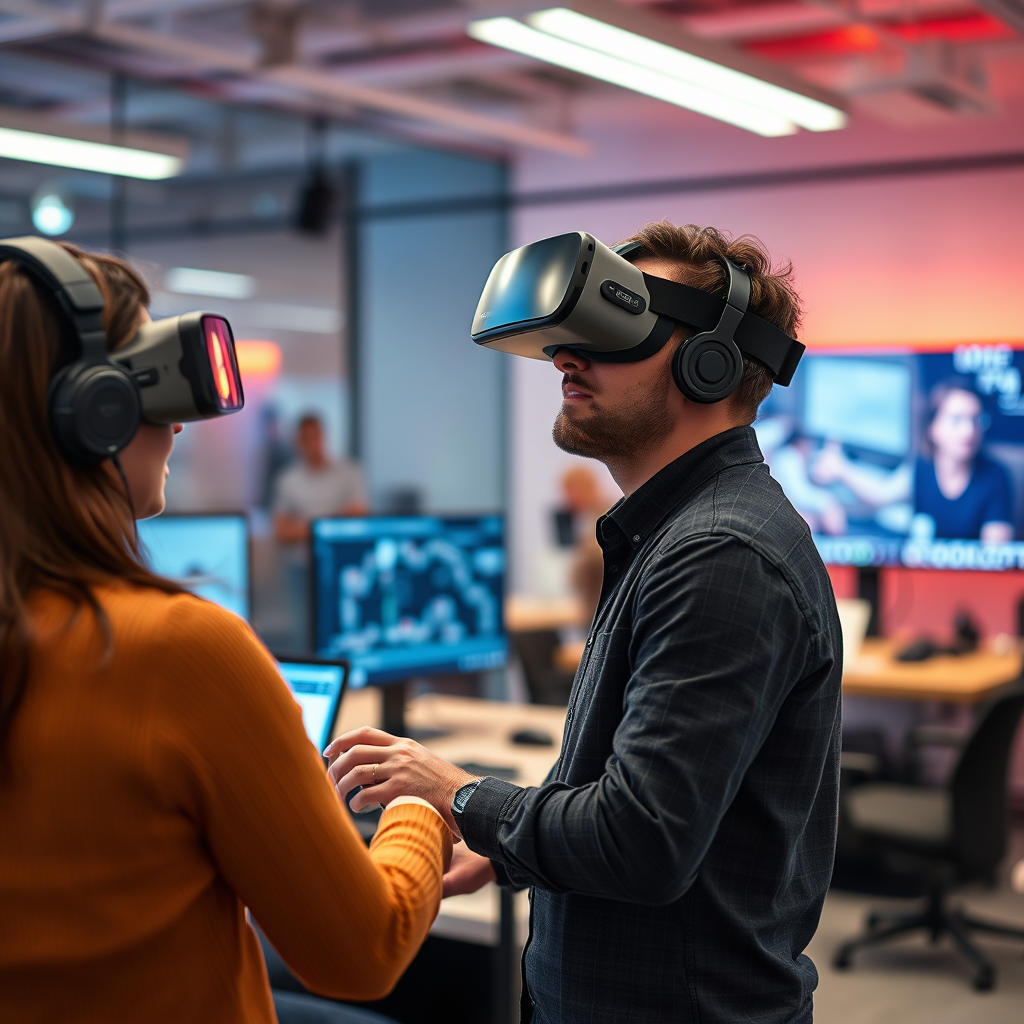
Personalization is key to enhancing user engagement and satisfaction in VR experiences. When content is tailored to individual preferences, it not only captures attention more effectively but also fosters a deeper emotional connection. Imagine watching a VR narrative where the storyline subtly shifts based on your interests—this level of customization can make users feel more invested in the experience.
Research has shown that personalized experiences can lead to longer viewing times, as users are more likely to immerse themselves in content that resonates with them. This emotional connection can enhance the overall impact of VR storytelling, making it a powerful tool for creators looking to leave a lasting impression. Whether it’s in education, entertainment, or marketing, the importance of personalization cannot be overstated.
How Eye-Tracking Adapts VR Content
One of the most exciting aspects of eye-tracking technology in VR is its ability to adapt content dynamically based on where the user is looking. For instance, if a user spends an extended period focusing on a specific area of a virtual scene, the VR system can respond by altering the narrative to emphasize that element or introduce new interactions. This could be as simple as zooming in on a character who has caught the user’s eye or providing additional information about an object of interest.
Furthermore, eye-tracking can help prioritize content delivery, ensuring that the most captivating elements are highlighted when they are most likely to capture attention. This can lead to a more fluid and intuitive experience, where users feel guided through the narrative in a way that feels natural and enjoyable. The potential for such a responsive system opens the door to creative storytelling techniques that were previously unimaginable.
Case Studies: Eye-Tracking in Action
Several innovative VR projects have successfully utilized eye-tracking technology to enhance personalization. One notable example is the “The Invisible Man” experience, where users navigate a virtual world while interacting with characters based on their gaze. Users who focused on certain characters were presented with unique dialogue options and story arcs, leading to diverse experiences even within the same narrative framework. Feedback from participants highlighted increased engagement and satisfaction, as they felt their choices were genuinely influencing the story.
Another compelling case is the use of eye-tracking in educational VR applications. For instance, a VR science lesson allows students to explore the human body in an immersive environment. By tracking where students look, the experience can adapt to offer deeper dives into parts of the body that pique their interest, thereby improving learning outcomes and retention. User metrics showed that students who engaged with personalized content demonstrated higher levels of understanding and enthusiasm for the subject matter.
Challenges and Limitations of Eye-Tracking
While AI-powered eye-tracking technology presents exciting possibilities, it also faces several challenges and limitations. One major technical hurdle is calibration. For eye-tracking to work accurately, devices must be finely tuned to each user’s unique eye characteristics. This process can be tedious and may not always yield perfect results, particularly in varying lighting conditions that can affect camera performance.
Additionally, there are legitimate privacy concerns surrounding data collection. Users may feel uneasy about having their eye movements tracked, especially if they are unaware of how their data will be used. Ensuring transparency and obtaining user consent are critical steps in addressing these concerns. As eye-tracking technology becomes more prevalent, developers must prioritize ethical practices that respect users’ privacy while still delivering personalized experiences.
The Future of AI and Eye-Tracking in VR
Looking ahead, the future of AI and eye-tracking technology in VR promises to be transformative. Emerging trends indicate a growing integration of eye-tracking capabilities into mainstream VR platforms, making it more accessible for content creators across various industries. As the technology continues to evolve, we can expect more sophisticated algorithms that enhance the accuracy of gaze detection and interpretation.
Moreover, advancements in hardware will likely lead to more compact and affordable eye-tracking devices, allowing wider adoption among consumers and developers alike. Predictions suggest that as AI becomes increasingly adept at understanding human behavior, we will witness a new wave of personalized content that adapts not only to what users look at but also how they feel during their VR experiences. This could lead to VR narratives that respond not just to gaze but also to emotional states, creating an unprecedented level of immersion.
Implementing AI-powered eye-tracking technology in VR video content can revolutionize how users interact with and experience digital narratives. By adapting to individual preferences, this technology promises to create more immersive and engaging environments. As we move forward, staying informed about advancements in this field will be crucial for anyone involved in content creation or technology development. The potential for eye-tracking to reshape the landscape of virtual reality is immense, and we are only beginning to scratch the surface of what is possible.
Frequently Asked Questions
What is AI-powered eye-tracking and how does it work in VR video content?
AI-powered eye-tracking uses advanced algorithms to analyze where a user is looking while immersed in virtual reality (VR) environments. By monitoring eye movements, this technology can determine which elements of the VR content capture the most attention. This information allows creators to optimize the experience by adjusting visuals, audio, and interactions based on user behavior, leading to a more engaging and personalized VR experience.
How does eye-tracking enhance user experience in virtual reality applications?
Eye-tracking enhances user experience in virtual reality applications by allowing for dynamic content adaptation. As users engage with VR environments, the system can identify points of interest and adjust the narrative or visual elements accordingly, ensuring that important information is highlighted. This personalized approach not only increases immersion but also helps to reduce cognitive overload, making the VR experience more enjoyable and effective for the user.
Why is personalization important in VR video content?
Personalization in VR video content is crucial because it caters to individual user preferences and enhances engagement. With eye-tracking technology, creators can tailor experiences based on how users interact with content, which leads to a deeper emotional connection. By providing a customized journey, users are more likely to retain information and have a memorable experience, which is especially beneficial in educational and marketing applications.
What are the best practices for implementing AI eye-tracking in VR video production?
The best practices for implementing AI eye-tracking in VR video production include integrating eye-tracking data from the outset of the design process. This involves defining key moments in the content where user attention is critical and using eye-tracking insights to adjust pacing, detail, and interactivity. Additionally, conducting user testing to refine these adaptations ensures that the final product resonates with the audience and maximizes engagement.
Which industries can benefit the most from AI-powered eye-tracking in VR content?
Industries that can benefit significantly from AI-powered eye-tracking in VR content include gaming, education, healthcare, and marketing. In gaming, personalized experiences can keep players engaged longer; in education, tailored content can enhance learning outcomes. Healthcare professionals can use VR for training simulations that adapt to the practitioner’s focus areas, while marketers can leverage eye-tracking data to create more effective advertisements by understanding consumer attention patterns.
References
- Eye tracking
- https://www.sciencedirect.com/science/article/pii/S1877050919311464
- https://www.nature.com/articles/s41598-020-75807-9
- https://www.bbc.com/future/article/20210127-how-ai-is-changing-the-way-we-see
- https://www.researchgate.net/publication/335844166_The_impact_of_virtual_reality_on_user_experience_and_emotion
- https://techcrunch.com/2019/08/11/how-ai-is-changing-virtual-reality/
- Frontiers | Social Networking Sites and Youth Transition: The Use of Facebook and Personal Well-B…
- https://www.hindawi.com/journals/mpe/2020/8888576/