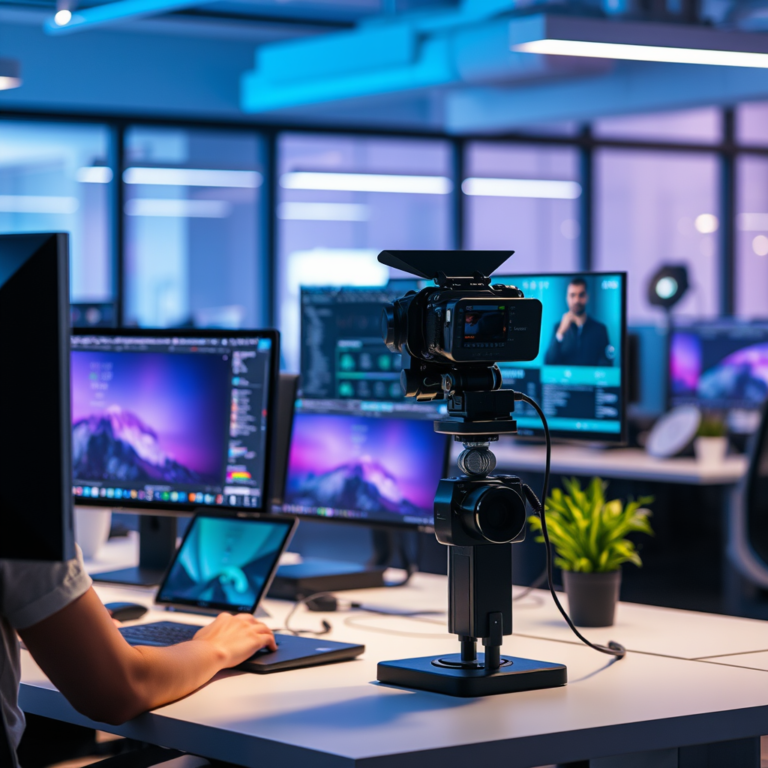
Camera shake in videos can now be effectively predicted and corrected using advanced AI algorithms. These technologies analyze motion patterns and stabilize footage in real-time, significantly enhancing video quality. In this article, we’ll explore how AI achieves this, the techniques involved, and the implications for videographers and content creators.
Understanding Camera Shake
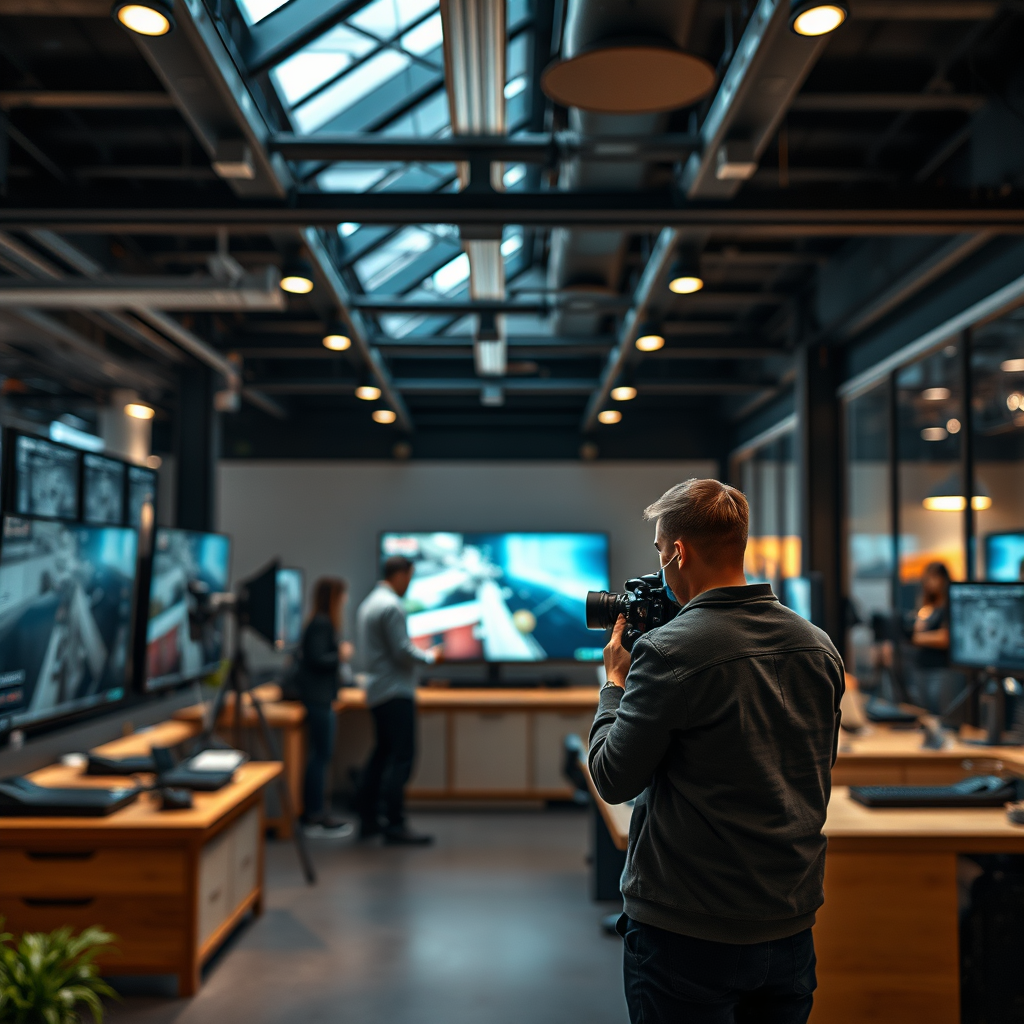
Camera shake refers to the unintended movement of a camera during filming, which can result in shaky or unstable footage. This phenomenon is usually caused by various factors, such as handheld shooting, environmental conditions like wind, or rapid movements when following a subject. The impact of camera shake on video quality can be profound; shaky footage can distract viewers, diminish the professional quality of the video, and even induce motion sickness in some cases. In the world of videography, maintaining a steady shot is crucial, as it not only enhances the aesthetic appeal of the video but also ensures a better viewing experience. This is where AI comes into play, offering innovative solutions to combat the challenges posed by camera shake.
How AI Analyzes Motion Patterns

The implementation of machine learning in analyzing motion patterns is a game-changer in video stabilization. AI systems are trained on vast datasets containing various types of video footage, enabling them to recognize and categorize different types of camera shake. By utilizing techniques such as convolutional neural networks (CNNs), these algorithms can learn to identify inconsistencies in motion that indicate camera shake.
When processing video frames, AI algorithms evaluate pixel movements across sequences – tracking how objects shift from one frame to the next. By analyzing these movements, the AI can detect patterns that suggest unwanted camera motion. For instance, if the camera is jostled or tilted, the algorithm flags these irregularities, allowing it to calculate the necessary adjustments to stabilize the footage. This intelligent analysis is what distinguishes AI-driven stabilization from traditional methods, making it an essential tool for modern videographers.
Stabilization Techniques Used by AI
AI employs various stabilization methods to enhance video quality, with digital image stabilization (DIS) being one of the most common techniques. DIS works by cropping the edges of the video frame and compensating for detected shake by shifting the image accordingly. However, AI takes this a step further by utilizing advanced algorithms to predict the optimal frame adjustments based on previous frames, resulting in smoother transitions and fewer artifacts.
Another effective technique is the use of optical flow estimation, where the AI assesses the motion of various pixels to create a smooth motion path. This method allows for more precise stabilization, especially in complex movements or when the camera is moving rapidly. One of the key advantages of AI-based stabilization over traditional methods is its ability to handle varying degrees of shake seamlessly, providing a more polished, professional result without the need for extensive manual tweaks.
Real-Time Processing and Its Benefits
With the power of AI, real-time stabilization during video capture is now a reality. This means that videographers can see the effects of stabilization as they shoot, rather than waiting until post-production to correct shaky footage. This real-time processing is particularly beneficial for live streaming and on-the-fly video editing, where every second counts.
For example, during a live event or sports broadcast, camera operators can move freely and capture dynamic scenes without worrying about shaky footage ruining the viewer’s experience. Additionally, for content creators producing vlogs or social media videos, real-time stabilization allows for more spontaneous filming without the need for bulky stabilization rigs or tripods. The convenience and efficiency of real-time processing elevate the overall quality of content creation and reduce the time spent in post-production.
Popular AI Tools for Video Stabilization
Several software solutions and applications have harnessed the power of AI to provide effective video stabilization. Adobe Premiere Pro, for instance, features a “Warp Stabilizer” tool that uses AI algorithms to analyze video clips and apply stabilization techniques automatically. This user-friendly feature allows even novice videographers to enhance their footage effortlessly.
Another popular tool is the mobile app, Hyperlapse, developed by Instagram. This app uses AI to stabilize videos shot on smartphones, making it easier for users to create high-quality content without the need for professional equipment. With features like automatic stabilization and speed adjustments, these tools empower content creators to produce visually appealing videos that captivate their audiences.
Additionally, tools like Final Cut Pro X and DaVinci Resolve also utilize AI-driven stabilization features that are increasingly user-friendly, allowing creators at all skill levels to enhance their videos without extensive technical knowledge.
Future Trends in AI Video Stabilization
The future of AI in video stabilization looks promising, with ongoing advancements in technology likely to introduce even more sophisticated solutions. One trend to watch is the integration of augmented reality (AR) and virtual reality (VR) capabilities into stabilization software. As these technologies continue to evolve, we may see AI tools that can stabilize immersive content in real-time, enhancing viewer experiences in gaming and interactive media.
Moreover, improvements in processing power and algorithm efficiency will likely lead to faster stabilization processes, making it possible for creators to work on larger projects with minimal lag time. As AI continues to learn from user interactions and video data, we can expect personalized stabilization settings that cater to individual filming styles and preferences.
These innovations have the potential to redefine the film and video industry, making high-quality production more accessible to everyone, from amateur creators to seasoned professionals.
The advancements in AI technology are revolutionizing how we handle camera shake in videos, offering powerful tools for creators to produce high-quality content effortlessly. By understanding how AI predicts and fixes camera shake, videographers can enhance their workflow and deliver polished videos with ease. Explore the tools and techniques discussed to elevate your video production today.
Frequently Asked Questions
What causes camera shake in videos and how can it affect the final output?
Camera shake typically occurs when the camera is moved unexpectedly during recording, often due to unsteady hands, walking, or windy conditions. This unintended movement can lead to distracting, shaky footage that detracts from the viewer’s experience and can make the content appear unprofessional. Understanding the causes of camera shake is crucial for filmmakers and content creators aiming for high-quality video production.
How does AI technology improve video stabilization and fix camera shake?
AI technology improves video stabilization by analyzing frames of video footage, identifying motion patterns, and then applying algorithms to correct unwanted movements. By using techniques such as motion tracking and frame interpolation, AI can smooth out shaky footage, effectively creating a more stable viewing experience. This automated process saves creators time and effort compared to manual stabilization methods.
Why should I use AI-based stabilization tools instead of traditional stabilization methods?
AI-based stabilization tools are often more effective than traditional methods because they leverage advanced machine learning algorithms to deliver precise corrections based on the unique characteristics of each shot. Traditional stabilization methods can sometimes lead to cropping of the image or loss of quality, while AI technologies maintain resolution and can adapt to various types of shakes and movements, providing a superior end result.
Which AI-powered software and tools are best for stabilizing shaky videos?
Some of the best AI-powered software for stabilizing shaky videos include Adobe Premiere Pro with its Warp Stabilizer feature, Final Cut Pro X, and DaVinci Resolve. These tools utilize sophisticated AI algorithms to analyze and stabilize footage while minimizing cropping and maintaining video quality. Additionally, mobile apps like Google Photos and iMovie offer user-friendly options for basic video stabilization on smartphones.
How can I prevent camera shake when recording videos, especially if I don’t have stabilization technology?
To prevent camera shake while recording videos, you can implement several practical techniques such as using a tripod or a gimbal for steady shots, maintaining a firm grip on the camera, and using your body as a stabilizing anchor. Additionally, practicing controlled movements and taking advantage of slow panning can help create smoother footage. By combining these methods with good ergonomic practices, you can significantly reduce the chances of camera shake even without advanced stabilization technology.
References
- Image stabilization
- https://www.sciencedirect.com/science/article/pii/S0957417421001184
- https://www.techradar.com/news/how-ai-is-transforming-video-editing
- https://www.nature.com/articles/s41598-020-68570-4
- https://www.bbc.com/future/article/20210901-how-ai-is-fixing-camera-shake-in-videos
- https://www.researchgate.net/publication/335385660_Artificial_Intelligence_for_Image_Stabilization
- https://www.nytimes.com/2022/05/12/technology/ai-video-camera-shake.html