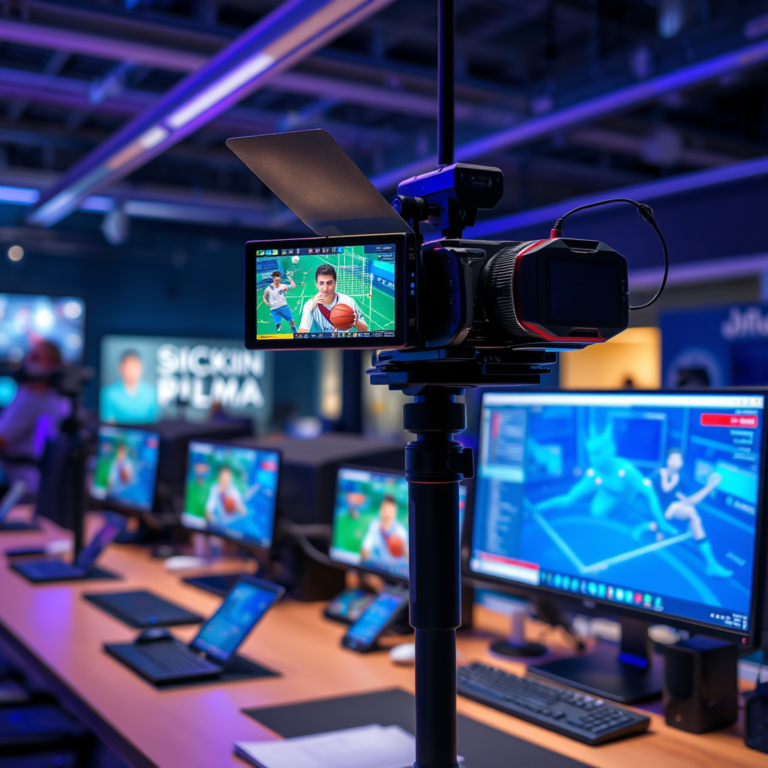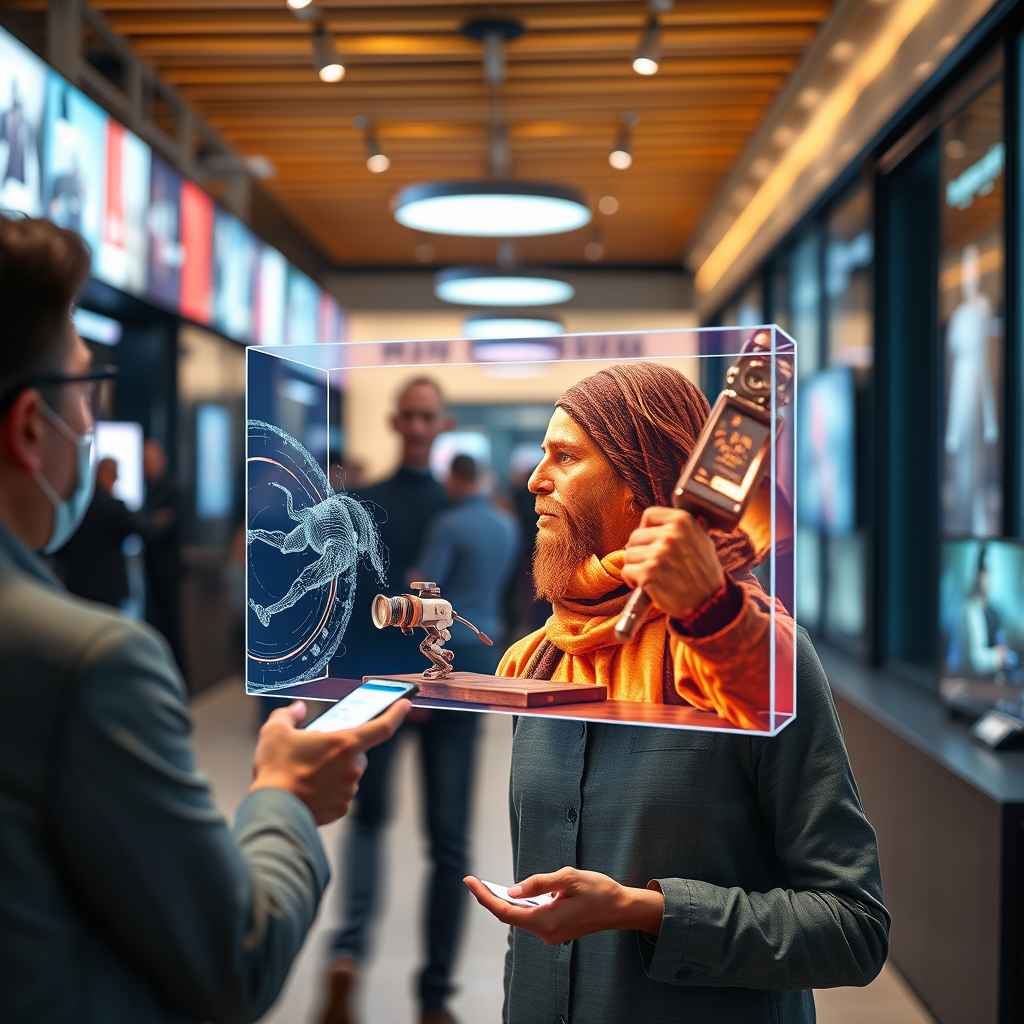

The answer is clear: Holographic augmented reality (AR) has the potential to revolutionize how we interact with digital content, making traditional displays increasingly obsolete. Imagine a world where screens are no longer confined to flat surfaces, but instead, digital images leap out at you, allowing for a more engaging and interactive experience. As we delve into the advantages, applications, challenges, and future of holographic AR, you’ll see how this innovative technology is set to transform the way we perceive and interact with our digital environments.
The Advantages of Holographic AR
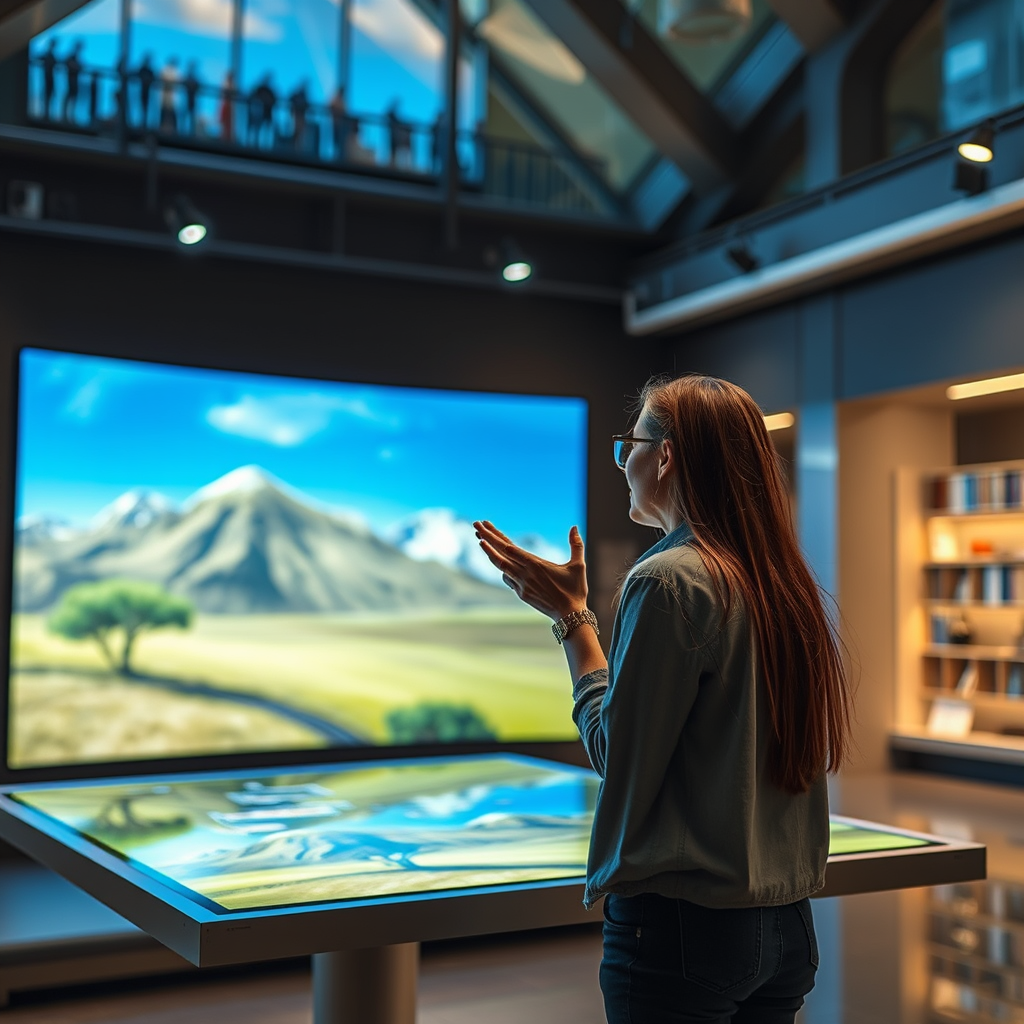
One of the standout benefits of holographic AR is its ability to create an immersive experience. Unlike traditional displays that present content in two dimensions, holographic AR offers a three-dimensional perspective that draws users into the digital world. This depth perception enhances engagement, making activities like gaming, training, or product demonstrations not just visually appealing but also emotionally captivating. For instance, when you wear a holographic headset while playing a game, you can see characters and environments that seem to exist right in your living room, allowing for a uniquely interactive experience.
In addition to immersion, holographic AR significantly enhances interaction. Users can manipulate holograms in real-time, allowing for a more intuitive and dynamic way to engage with content. Imagine being able to pivot, zoom, or rotate a 3D model of a car while customizing its features in a virtual showroom. This level of interaction not only makes the experience more enjoyable but can also improve information retention, especially in educational settings.
Applications of Holographic AR
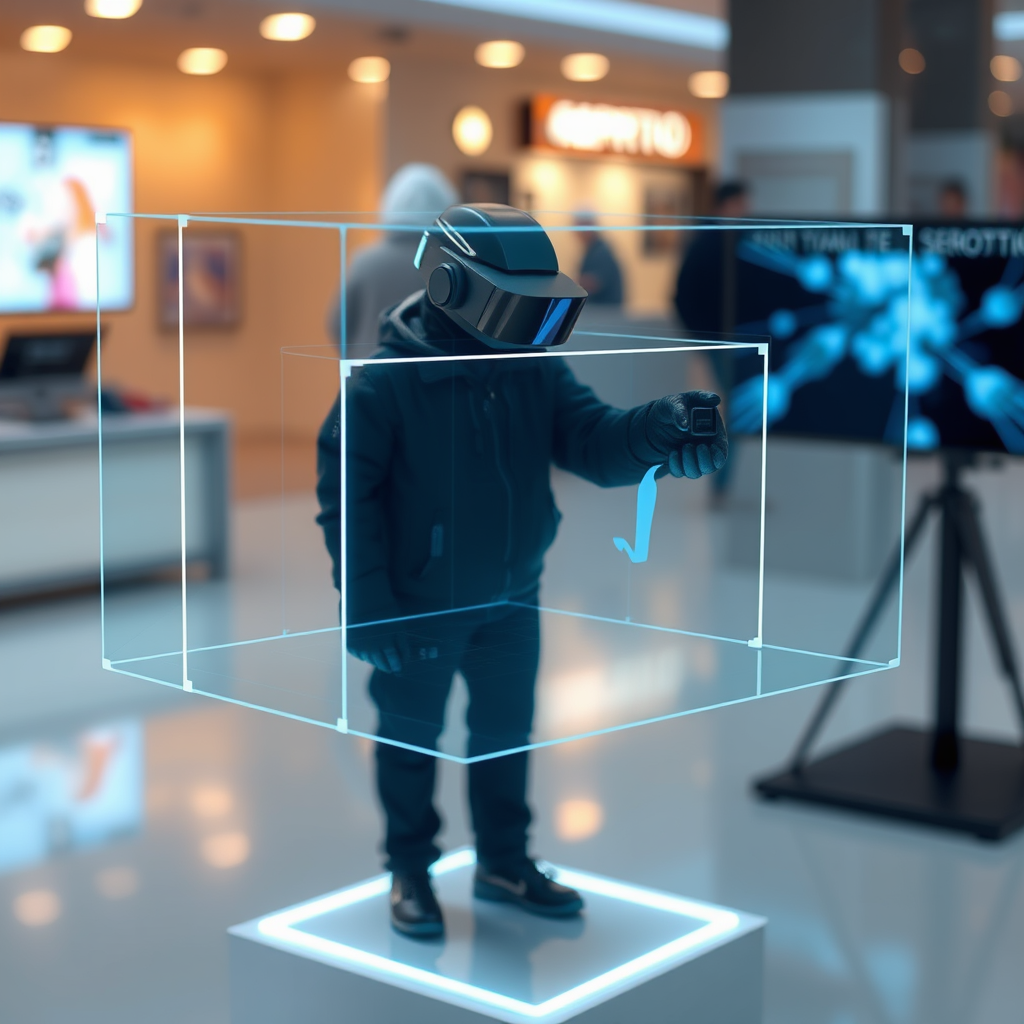
The applications of holographic AR are vast and varied, transforming numerous industries. In gaming and entertainment, developers are already harnessing this technology to create captivating experiences. Games like “Pokémon GO” have paved the way for augmented reality, but holographic AR takes it a step further by enabling players to interact with life-sized characters and environments, thus enhancing the gaming experience.
In the realm of education and training, the potential of holographic AR is equally impressive. Medical students can engage in real-time simulations, allowing them to visualize complex human anatomy or practice surgical procedures in a risk-free environment. Engineering students can manipulate 3D models of machinery, leading to a deeper understanding of how components work together. This hands-on learning approach not only engages students but also prepares them for real-world applications in their respective fields.
Comparison with Traditional Displays
When comparing holographic AR to traditional displays, several key differences emerge. One significant advantage is space efficiency. Holographic displays can project three-dimensional images without the need for bulky screens, making them ideal for environments where space is at a premium, such as small offices or homes. This results in a cleaner aesthetic and more adaptable use of available space.
Another aspect where holographic AR shines is in improved visual clarity. Holograms can provide enhanced resolution and color accuracy, creating lifelike images that are more compelling than what traditional displays can offer. For example, a holographic display used in a design studio can showcase a product prototype with vibrant colors and intricate details, allowing designers to visualize their concepts more effectively. This clarity not only enhances the viewing experience but can also facilitate better decision-making in design processes.
Current Challenges in Holographic AR Technology
Despite its promising advantages, holographic AR technology does face some challenges. One major issue is the technical limitations of current systems. Holographic displays often struggle with resolution and refresh rates, which can lead to a less than ideal user experience. For example, if the holograms flicker or lack detail, users may become frustrated, diminishing the technology’s appeal.
Another challenge is the cost of implementation. High production costs and the need for specialized hardware can be significant barriers to widespread adoption. Many businesses may hesitate to invest in holographic AR solutions when traditional displays are readily available and more affordable. However, as technology advances and becomes more accessible, we can expect these barriers to diminish over time.
Future Trends in Holographic AR
Looking ahead, the future of holographic AR appears bright, with several exciting trends on the horizon. Advancements in hardware are essential, as researchers and developers continue to work on improving the capabilities of holographic displays. Innovations in materials, optics, and computing power will likely lead to more refined and efficient holographic systems.
Moreover, the integration of artificial intelligence (AI) with holographic AR could lead to even more personalized and interactive experiences. For instance, imagine a virtual shopping assistant that uses AI to analyze your preferences and recommend products displayed as holograms in your living space. This fusion of AI and AR not only enhances user engagement but also creates a more tailored experience.
The Impact on Industries
The impact of holographic AR on various industries is poised to be transformative. In retail, for example, customers can visualize products in 3D before making a purchase decision. Imagine trying on clothes virtually, with holographic representations of the items displayed on your body. This new level of interactivity can reduce return rates and enhance customer satisfaction, ultimately benefiting retailers.
In healthcare, holographic displays can provide surgeons with real-time overlays of critical information during procedures. By visualizing a patient’s internal structures as holograms, surgeons can make more informed decisions and improve precision. This technology not only enhances surgical outcomes but also has the potential to revolutionize medical training by allowing students to observe and practice procedures in a safe, controlled environment.
As we move forward, the potential of holographic AR to replace traditional displays is immense, offering a glimpse into a future where our interaction with technology is more engaging and effective. The advantages are clear, and as advancements continue, staying informed about these developments will be crucial. Embrace the change and explore how you can leverage holographic AR in your own field or personal projects. The future of display technology is here, and it’s holographic!
Frequently Asked Questions
What are the main advantages of holographic AR over traditional displays?
Holographic augmented reality (AR) offers several significant advantages over traditional displays, including enhanced user engagement and interactivity. Unlike flat screens, holographic AR allows users to interact with three-dimensional images, providing a more immersive experience. Additionally, holographic displays can reduce eye strain and fatigue, as they can present information at various focal depths, mimicking real-world viewing conditions.
How can businesses benefit from adopting holographic AR technology?
Businesses can leverage holographic AR technology to improve customer experience and streamline operations. For instance, in retail, AR can provide virtual try-ons for clothing or makeup, leading to higher conversion rates. Moreover, industries like healthcare and education can utilize holographic AR for training and simulations, making complex concepts more accessible and enhancing learning outcomes.
Why should companies consider replacing traditional displays with holographic AR solutions?
Companies should consider transitioning to holographic AR solutions to stay competitive in a rapidly evolving digital landscape. Holographic AR not only captivates audiences with novel experiences but also provides unique opportunities for data visualization and remote collaboration. As consumer expectations shift towards more engaging and interactive content, businesses that embrace this technology can differentiate themselves and create lasting impressions.
Which industries are most likely to benefit from the implementation of holographic AR?
Various industries stand to gain from implementing holographic AR, particularly those focused on customer interaction and training. Retail, real estate, education, and entertainment are at the forefront, as they can utilize holographic AR for virtual showrooms, immersive learning experiences, and interactive storytelling. Additionally, sectors like healthcare can benefit from holographic AR for surgical simulations and patient education, enhancing both training and care.
What challenges might companies face when transitioning to holographic AR displays?
Companies may encounter several challenges when transitioning to holographic AR displays, including the high cost of technology and the need for specialized skills. Developing holographic content requires expertise in 3D modeling and AR software, which may necessitate additional training for staff. Moreover, integrating holographic AR into existing systems can pose technical hurdles, requiring careful planning and investment in infrastructure to ensure a seamless user experience.
References
- Holography
- https://www.sciencedirect.com/science/article/pii/S1369701218301017
- https://www.nature.com/articles/s41598-019-49406-7
- https://www.bbc.com/future/article/20210622-how-holograms-could-transform-our-lives
- https://www.technologyreview.com/2020/07/27/1005455/holographic-displays-are-the-future-of-visualization/
- https://www.nist.gov/news-events/news/2021/02/holographic-displays-could-replace-traditional-screens
- https://www.theguardian.com/technology/2021/jun/07/holographic-displays-are-the-future-of-entertainment
- https://www.npr.org/2021/07/29/1022065797/holograms-are-here-and-they-are-very-real