
AI-powered cameras enhance live sports broadcasting by utilizing advanced algorithms to automatically track players on the field. This technology allows for more dynamic and engaging coverage, providing viewers with insights that were previously challenging to achieve. By employing computer vision and machine learning, these cameras not only follow the action but also provide real-time analytics that enrich the viewer experience. In this article, we will explore how these cameras work, their benefits, and the future of AI in sports broadcasting.




Understanding AI-Powered Camera Technology

AI-powered cameras employ sophisticated AI and computer vision technologies to analyze visuals in real-time. At the core of this process are algorithms that are trained to detect and identify specific objects—like players on a field—using deep learning models. These models learn from vast amounts of annotated data, enabling them to recognize patterns in movement, jersey colors, and player positions.
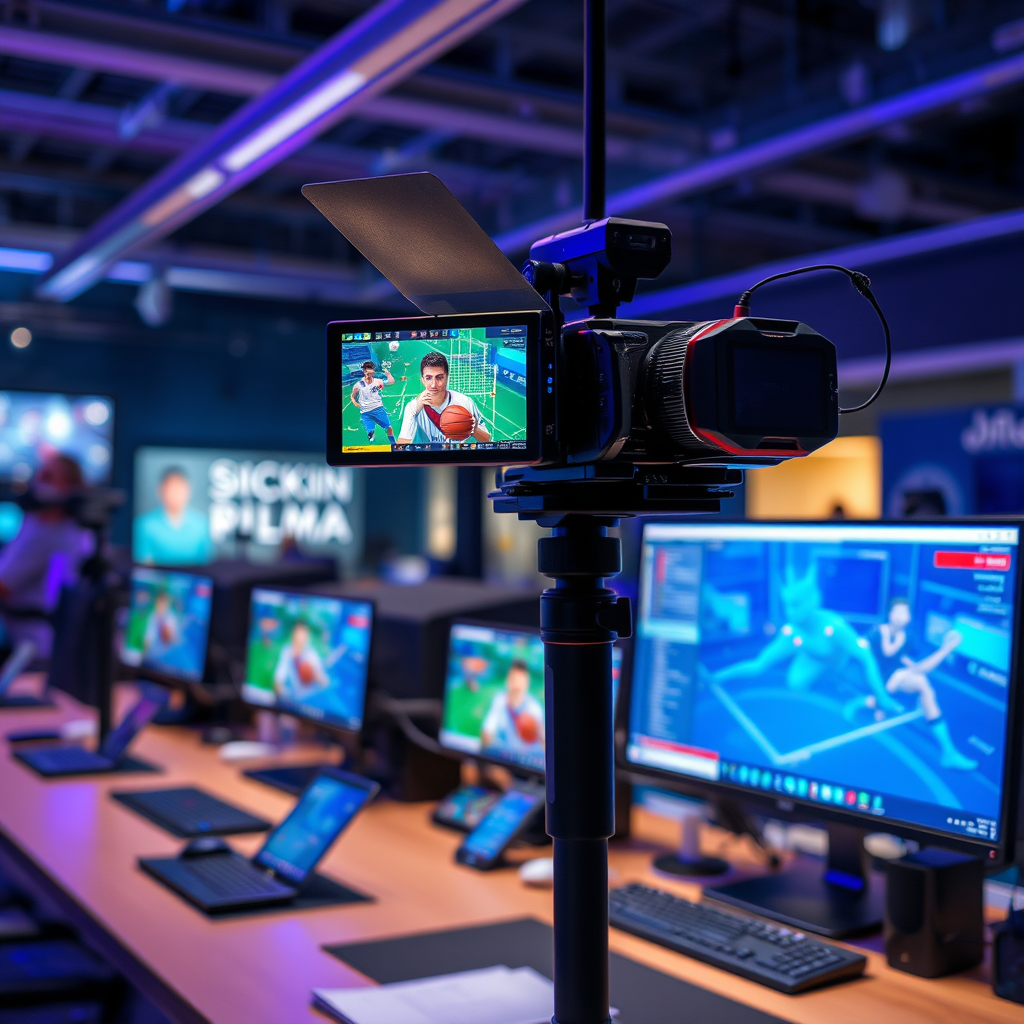
The technology behind these cameras involves several key processes. First, they utilize image recognition techniques to identify players based on their unique physical attributes and uniforms. Once identified, the tracking algorithms follow their movements, making split-second adjustments to ensure they remain in frame, even as they dart across the field. This real-time processing allows broadcasters to deliver seamless coverage that feels natural and intuitive, enhancing the overall viewing experience.
Benefits of AI Tracking in Live Broadcasting

One of the most significant advantages of AI tracking in live sports broadcasting is the enhanced viewer experience. Traditional camera setups often struggle to keep up with fast-paced action, leading to missed moments. However, AI-powered cameras can switch between dynamic angles effortlessly, ensuring that fans see every exciting play from the best possible viewpoint. This means that viewers are treated to a more immersive experience that closely mirrors being at the game.
Additionally, these cameras provide real-time analytics and statistics during broadcasts. Imagine watching a basketball game and being able to see a player’s shooting percentage, distance covered, or even fatigue levels as the game unfolds. This wealth of data not only entertains fans but also deepens their understanding of the game, allowing them to appreciate the strategies and skills involved at a whole new level.
Key Features of AI-Powered Cameras
AI-powered cameras come equipped with several key features that set them apart from traditional broadcasting technology. One of the most notable capabilities is automatic player detection and tracking. This means that as players move, the camera can automatically adjust its focus and angle to keep them centered and in view, regardless of how chaotic the action gets.
Moreover, many of these systems integrate augmented reality (AR) features, enhancing the overall broadcast experience. For example, during a football game, viewers might see player statistics or team strategies superimposed over the live footage. This not only adds a layer of depth to the viewing experience but also keeps fans engaged and informed.
Challenges in Implementing AI Cameras
Despite the many advantages, implementing AI-powered cameras does come with its challenges. One major hurdle is the technical limitations of current technology. High-quality data is essential for training AI models to be effective, and any gaps in this data can lead to inaccuracies in tracking or recognition. Furthermore, the setup requires powerful hardware and robust software systems, which can entail significant investment.
Another challenge relates to privacy and player consent. As cameras become more intelligent and capable of tracking personal metrics, questions arise about how this data is used and who has access to it. Ensuring that players’ privacy is respected while still leveraging the technology for fan engagement remains a delicate balance that sports organizations must navigate.
Case Studies: AI Cameras in Action
Several major sports leagues have successfully incorporated AI-powered camera systems into their broadcasts, showcasing the technology’s potential. In the NBA, for instance, the league has adopted AI technology to deliver advanced statistics during games. Fans can access insights that highlight player efficiency, shot selection, and even predictive analytics regarding game outcomes.
The NFL is another league making strides with AI cameras, particularly through its partnership with tech companies to provide augmented reality experiences during broadcasts. This integration has transformed how fans engage with the game, as they can see player formations and potential strategies displayed in real-time.
These case studies not only demonstrate the practicality of AI cameras in enhancing game analysis but also show how these innovations can deepen fan engagement, making broadcasts more interactive and informative.
The Future of AI in Sports Broadcasting
Looking ahead, the future of AI in sports broadcasting is incredibly promising. Experts predict advancements in camera technology that will further revolutionize how sports are viewed. For example, improvements in AI algorithms may lead to even more precise tracking capabilities, enabling cameras to anticipate player movements and adjust accordingly, providing an even smoother viewing experience.
Moreover, the integration of virtual reality (VR) with AI tracking could take fan engagement to the next level. Imagine being able to virtually step onto the field and view the game from a player’s perspective, all while being provided with real-time insights and stats. This kind of immersive experience could transform how fans connect with their favorite sports.
The integration of AI-powered cameras into live sports broadcasting not only improves the viewing experience but also transforms how fans engage with their favorite games. As technology continues to evolve, expect even more innovative applications that will enhance both player analysis and fan interaction. The potential of AI in sports broadcasting is vast, and we are only beginning to scratch the surface. Stay tuned for the latest developments in this exciting field!
Frequently Asked Questions
What are AI-powered cameras and how do they work in live sports broadcasting?
AI-powered cameras are advanced imaging technologies that utilize artificial intelligence algorithms to automatically track and focus on players during live sports events. These cameras analyze movement patterns, player positions, and game dynamics to ensure that the most critical moments are captured in real-time. By processing visual data and making rapid adjustments, these systems enhance viewer engagement and provide a dynamic viewing experience.
How do AI cameras improve the viewer experience in sports broadcasts?
AI cameras significantly enhance the viewer experience by delivering more immersive and engaging content. They enable features such as automatic replays, camera angle adjustments, and player tracking, which keep viewers informed about player movements and key plays. This technology also reduces the need for manual camera operation, allowing broadcasters to focus on storytelling and providing richer context for the game.
Why are AI-powered cameras becoming essential in sports broadcasting?
AI-powered cameras are becoming essential in sports broadcasting due to their ability to enhance production quality while reducing operational costs. They provide consistent and precise coverage, eliminating the chances of missing crucial plays, which is vital for both live audiences and home viewers. Furthermore, the integration of AI technology allows broadcasters to deliver advanced analytics and insights, catering to the growing demand for in-depth sports data.
What are the best AI-powered camera systems available for sports broadcasting?
Some of the best AI-powered camera systems for sports broadcasting include technology from companies like Hawk-Eye Innovations, Pixellot, and ChyronHego. These systems are known for their accuracy, reliability, and ability to integrate seamlessly with existing broadcasting setups. Each offers unique features such as multi-camera setups, real-time data analysis, and advanced tracking capabilities, making them suitable for various sports environments.
Which sports benefit the most from AI camera tracking technology?
AI camera tracking technology benefits a wide range of sports, particularly those that involve fast-paced action, such as basketball, soccer, and tennis. These sports require precise tracking due to the rapid movements of players and the ball. Additionally, sports like American football and rugby benefit from AI technology for analyzing player formations and strategies, providing broadcasters and fans with deeper insights and enhancing overall engagement.
References
- Computer science in sport
- https://www.technologyreview.com/2021/01/19/1016316/sports-broadcasting-ai-camera-tracking/
- https://www.sciencedirect.com/science/article/pii/S1877050919310640
- https://www.reuters.com/article/us-tech-sport-tech-idUSKCN1VV0NW
- https://www.bbc.com/news/technology-51037563
- https://www.nytimes.com/2020/01/28/sports/ai-sports-broadcasting.html
- https://www.wired.com/story/ai-cameras-sports-broadcasting/
- https://www.espn.com/espn/story/_/id/27463884/how-ai-technology-changing-sports-broadcasting
- https://www.techcrunch.com/2021/02/23/how-ai-is-changing-live-sports-broadcasting/
