Home theaters have fundamentally changed the way we watch movies by bringing the cinematic experience directly into our homes. With advancements in technology, from high-definition screens to immersive sound systems, movie watching has become more engaging and personalized than ever before. This article will explore the key ways home theaters have changed our movie-watching habits, illustrating how they have enhanced both the quality and enjoyment of film viewing.
The Rise of Home Theater Systems
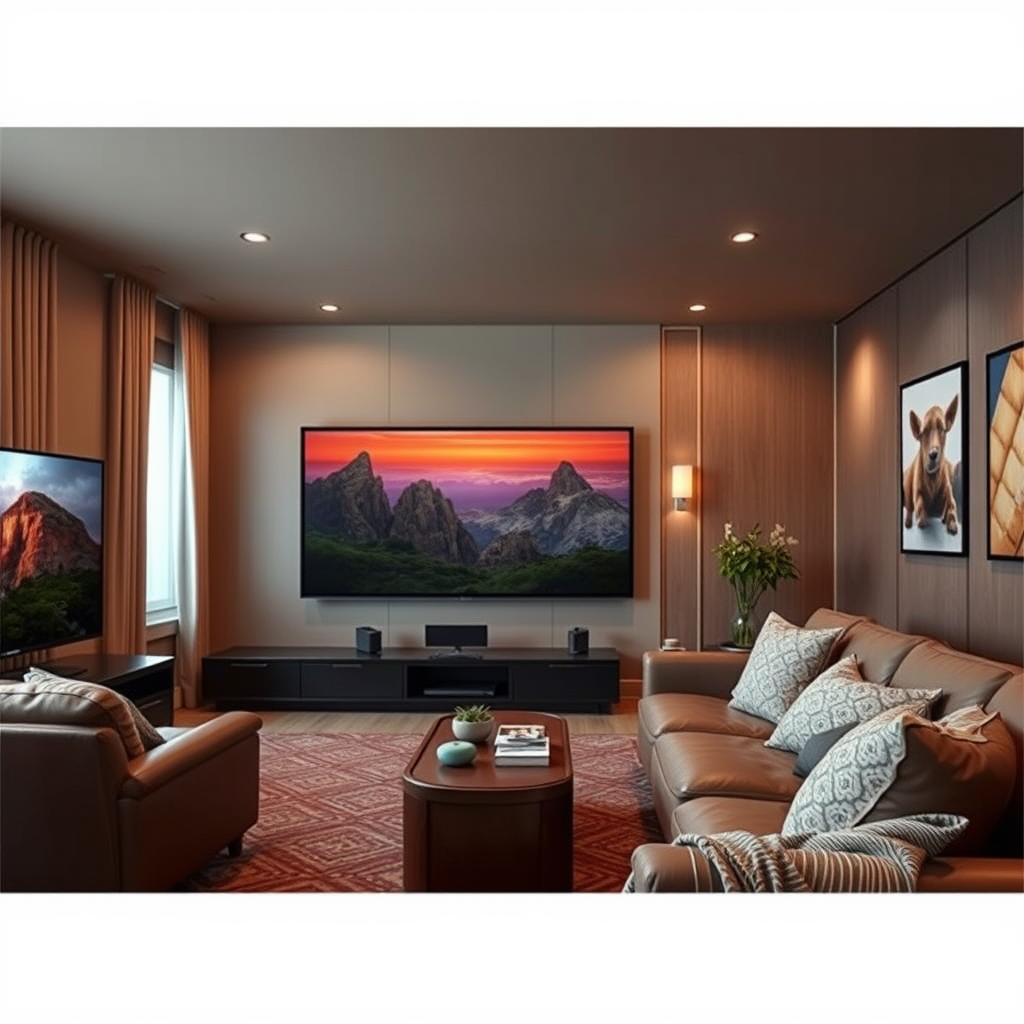
The accessibility of high-quality audio and visual equipment has contributed significantly to the rise of home theater systems. In the past, enjoying a movie in the comfort of one’s home meant settling for a smaller television with mediocre sound quality. Today, with the availability of products like 4K Ultra HD televisions and advanced sound systems, consumers can replicate the cinema experience in their own living rooms. Brands like Sony, Samsung, and LG offer top-tier displays that boast vibrant colors and sharp images, making it easier for movie lovers to invest in high-quality setups.
Moreover, the cost-effective alternatives to frequent trips to the cinema have fueled the demand for home theater systems. For families and individuals who frequently watch movies, investing in a home theater can be more economical than purchasing tickets, snacks, and drinks at the theater. With the average cost of cinema tickets averaging around $12 per person, families can quickly find themselves spending a significant amount on outings. By contrast, the initial investment in a home theater system can pay off quickly, allowing for countless movie nights at home.
Immersive Viewing Experiences
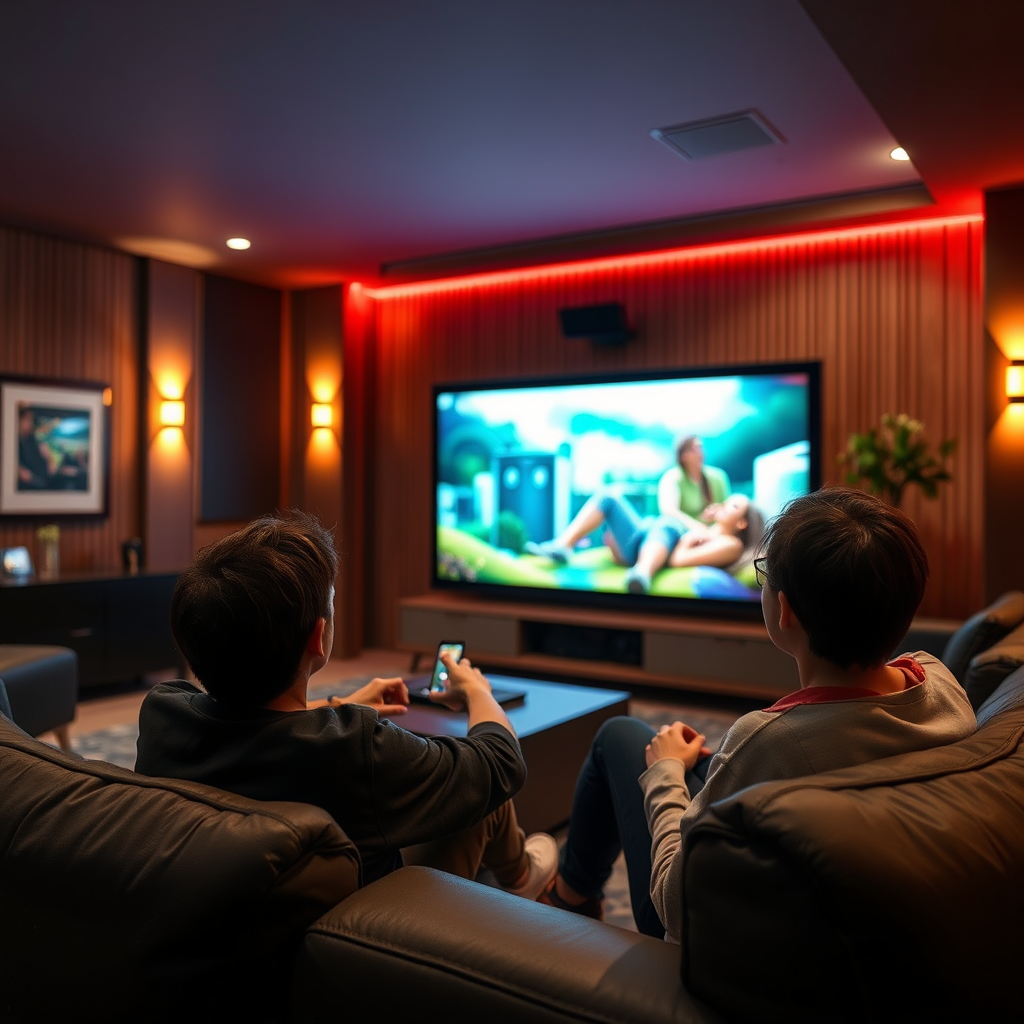
The emergence of larger screens and 4K resolution has significantly enhanced viewing pleasure. A large screen television or projector can create a sense of scale and depth that smaller screens simply cannot match. The clarity provided by 4K resolution ensures that viewers experience every detail, from the intricacies of a film’s visuals to the subtleties in performances. This level of detail can make even familiar films feel fresh and new, allowing audiences to appreciate elements they may have missed during previous viewings.
Additionally, the role of surround sound systems cannot be overlooked in creating a truly cinematic atmosphere. High-fidelity audio systems, such as Dolby Atmos, provide an enveloping sound experience that transports viewers into the film’s world. The ability to hear sounds from all directions adds another layer of immersion, making action sequences more thrilling and emotional scenes more impactful. This audio-visual synergy transforms the way we experience narratives, enhancing emotional engagement and overall enjoyment.
Customization and Personalization
Home theaters offer unparalleled opportunities for customization and personalization. Each setup can be tailored to individual preferences and the unique characteristics of the space it occupies. This means that movie enthusiasts can select their preferred screens, audio systems, seating arrangements, and even design themes. Whether someone desires a minimalist aesthetic or a more opulent setting, the flexibility in design allows for a uniquely personal experience that reflects individual tastes.
Incorporating smart technology further enhances control and convenience. Smart home systems enable users to manage lighting, sound, and video settings with ease, often from the convenience of a mobile device. Features such as automated curtains, programmable lighting, and voice control can elevate the home theater experience, allowing for seamless transitions from one movie to another or setting the perfect ambiance for a viewing party.
Top Home Theater Brands by Market Share (2024)
| # | Brand | Market Share (%) | Average Price ($) | Customer Satisfaction |
|---|---|---|---|---|
| 1 | Sony | 30% | 1,500 | ★★★★☆ |
| 2 | Samsung | 25% | 1,200 | ★★★★☆ |
| 3 | LG | 20% | 1,000 | ★★★★★ |
| 4 | Bose | 15% | 1,800 | ★★★★☆ |
| 5 | Yamaha | 5% | 900 | ★★★☆☆ |
Social Viewing and Community Engagement
Home theaters have also encouraged a shift from solitary viewing to social experiences. The rise of inviting friends and family for movie nights has transformed how films are consumed. Instead of going out to crowded cinemas, groups can gather in the comfort of a home theater environment, sharing snacks and enjoying each other’s company while watching films. This communal aspect of viewing can enhance the overall experience, as friends and family can discuss the film in real time and share their reactions.
Furthermore, hosting watch parties and community screenings in private spaces has gained popularity. Platforms like Zoom or Discord have allowed movie lovers to watch films together, even when physically apart, fostering a sense of community among viewers. Innovative solutions like synchronized streaming services have emerged, allowing participants to watch the same movie simultaneously while enjoying virtual interactions, thus bridging distances and enhancing social connections.
The Influence of Streaming Services
The rise of on-demand content has dramatically altered traditional movie-watching habits. Streaming services like Netflix, Amazon Prime Video, and Disney+ have not only made it easier to access a diverse range of films, but they have also paved the way for binge-watching culture. Viewers can now consume entire seasons of shows or extensive movie catalogs at their own pace, leading to a new way of experiencing storytelling.
Moreover, the accessibility and convenience of streaming platforms have led to a decline in the dominance of cinemas. With subscription models providing unlimited access to vast libraries, viewers can now enjoy a plethora of films from the comfort of their homes without the need for physical media. This shift has prompted filmmakers to adapt their release strategies, often opting for direct-to-streaming releases, fundamentally altering the landscape of film distribution.
Streaming Service Subscriptions Growth (2024)
Trends in Home Theater Design
Current trends in home theater design are largely focused on enhancing the aesthetic and functional quality of these spaces. Popular themes include minimalist designs that prioritize clean lines and simplicity, as well as more luxurious setups that incorporate plush seating and elaborate decor. The choice of color palettes, lighting, and furnishings all contribute to creating an immersive environment that complements the cinematic experience.
The integration of comfortable seating is also a significant aspect of home theater design. Recliners, sectionals, and even theater-style seating allow viewers to enjoy long movie marathons in comfort. Additionally, ambiance features such as LED lighting, projection screens that retract, and soundproofing materials are becoming standard as homeowners seek to replicate the cinema experience.
Future Innovations in Home Theaters
Emerging technologies like virtual reality (VR) and augmented reality (AR) are set to revolutionize home viewing experiences further. As these technologies evolve, the potential for immersive storytelling in home theaters becomes increasingly feasible. Imagine being able to step into a film and interact with its environment or characters—this could redefine how narratives are experienced.
Predictions for the evolution of home cinema experiences in the coming years suggest a continued trend towards greater interactivity and personalization. With advancements in AI and machine learning, future home theaters may feature systems that adapt to viewers’ preferences, suggesting content based on mood or previously watched films. The integration of more sophisticated smart home technology will likely enhance convenience, allowing viewers to create the perfect environment at the touch of a button.
Home theaters have truly transformed the way we watch movies, offering unparalleled convenience, comfort, and immersive experiences. By leveraging new technologies and unique designs, movie lovers can enjoy a cinematic experience without leaving their homes. If you’re considering upgrading your own space, now is the perfect time to explore the possibilities and create your ultimate home theater setup.
Frequently Asked Questions
How have home theaters changed the way we experience movies?
Home theaters have transformed the movie-watching experience by providing immersive sound and high-definition visuals right in the comfort of our homes. With advancements in technology, like 4K projectors and surround sound systems, viewers can enjoy a cinematic experience without the hassle of going to a theater. This shift allows for personalized viewing experiences, making it easier to watch films on your schedule.
What are the essential components of a home theater system?
A well-equipped home theater system typically includes a high-definition projector or large-screen TV, a surround sound audio system, a Blu-ray player or streaming device, and comfortable seating. Additionally, smart home integration can enhance the experience, allowing users to control lighting and sound through their devices. Investing in quality components can significantly elevate your movie-watching experience.
Why are home theaters becoming more popular among movie enthusiasts?
Home theaters are gaining popularity due to their convenience, cost-effectiveness, and the ability to create a tailored viewing environment. As streaming services offer a vast library of films, movie lovers can enjoy new releases and classics at their leisure without the crowds and distractions of traditional theaters. The rise in affordable technology has also made it easier for consumers to create their own cinematic spaces.
What is the best way to set up a home theater for optimal viewing?
To achieve optimal viewing in a home theater, start by selecting a suitable room that can be darkened and has minimal ambient noise. Position your screen at eye level and arrange seating at a distance appropriate for the screen size to avoid strain. Incorporate acoustic treatments to enhance sound quality, and ensure you have a reliable internet connection for streaming high-quality content.
Which brands offer the best home theater systems on the market?
Some of the best brands for home theater systems include Bose, Sonos, and Klipsch for audio, while Epson and Sony are renowned for their projectors. For complete home theater packages, companies like Yamaha and Denon offer excellent options that combine audio and video components. Researching customer reviews and expert recommendations can help you find the best system that fits your needs and budget.
References
- Home cinema
https://en.wikipedia.org/wiki/Home_theater - https://www.bbc.com/culture/article/20190528-how-home-cinema-is-transforming-our-viewing-habits
https://www.bbc.com/culture/article/20190528-how-home-cinema-is-transforming-our-viewing-habits - https://www.theguardian.com/film/2020/apr/03/home-cinema-how-to-create-your-own-movie-theater
https://www.theguardian.com/film/2020/apr/03/home-cinema-how-to-create-your-own-movie-theater - https://www.nytimes.com/2020/06/02/movies/home-theaters.html
https://www.nytimes.com/2020/06/02/movies/home-theaters.html - https://www.sciencedirect.com/topics/engineering/home-theater
https://www.sciencedirect.com/topics/engineering/home-theater - Google Scholar Google Scholar
https://scholar.google.com/scholar?q=How+Home+Theaters+Have+Transformed+Movie+Watching - Google Scholar Google Scholar
https://scholar.google.com/scholar?q=Home+Theater+Impact+on+Viewing+Experience - Google Scholar Google Scholar
https://scholar.google.com/scholar?q=Home+Cinema+Trends - https://www.nature.com/articles/s41599-019-0280-2
https://www.nature.com/articles/s41599-019-0280-2 - https://pubmed.ncbi.nlm.nih.gov/28712078/
https://pubmed.ncbi.nlm.nih.gov/28712078/