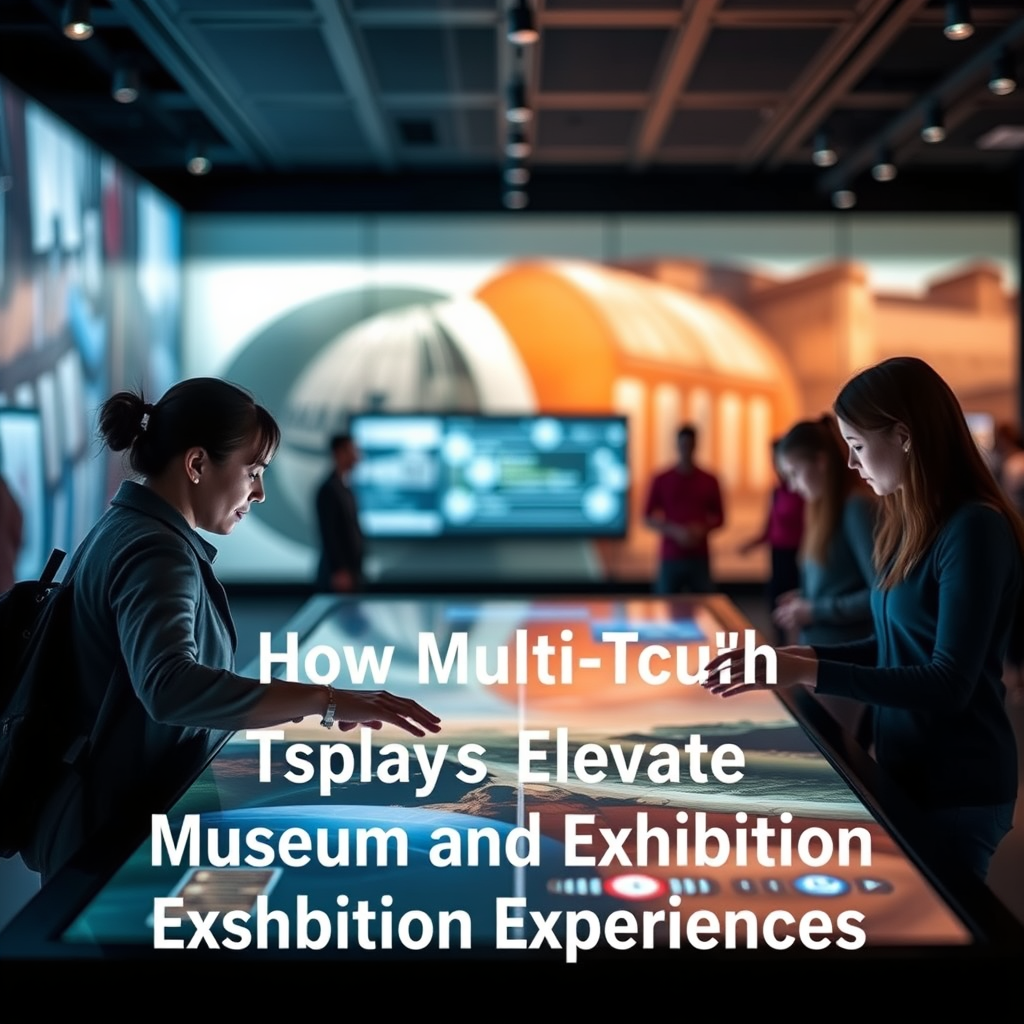

Multi-touch displays significantly enhance museum and exhibition experiences by providing interactive, engaging, and immersive environments for visitors. These innovative technologies allow guests to interact dynamically with exhibits, enriching their understanding and appreciation of art, history, and science. By transforming static displays into interactive experiences, museums can captivate audiences of all ages, making learning not just informative but also enjoyable. In this article, we’ll delve into the various aspects of how multi-touch displays are revolutionizing the way we experience cultural and educational content.
The Benefits of Interactivity
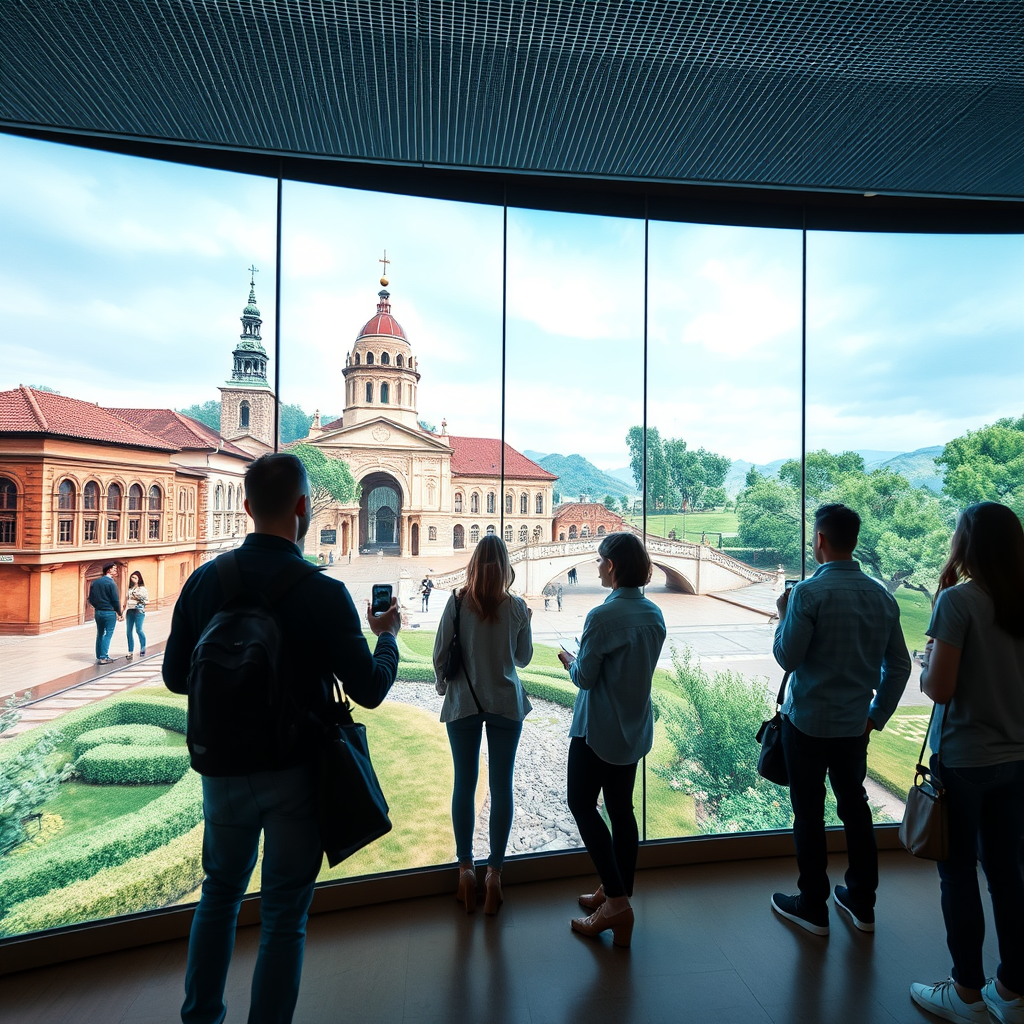
One of the most substantial benefits of multi-touch displays is their ability to engage visitors more effectively than traditional displays. Gone are the days when viewers simply read placards or gazed silently at artifacts. With multi-touch technology, museums invite visitors to touch, swipe, and explore, creating a dialogue between the audience and the exhibit. This type of engagement can lead to increased retention of information and a more profound emotional connection to the subject matter.
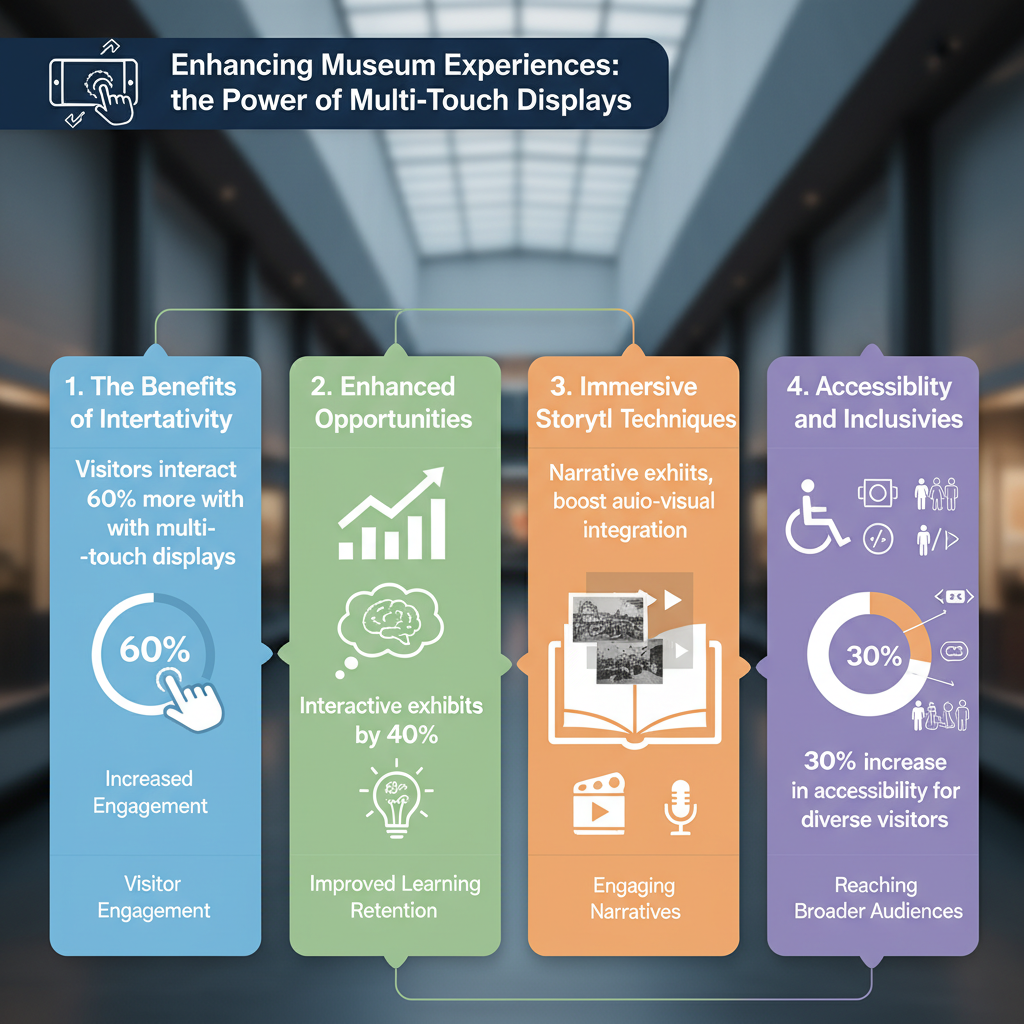
Moreover, interactive experiences encourage hands-on exploration, making learning more memorable. For instance, at the Smithsonian National Museum of Natural History, multi-touch screens allow visitors to virtually excavate fossils, learning about paleontology through a tactile experience that stays with them long after they leave. Such interactivity turns passive observation into active participation, enriching the overall museum experience.
Enhanced Learning Opportunities

Multi-touch displays facilitate access to a wealth of information through touch interactions, allowing visitors to delve deeper into the subject matter. The ability to explore different layers of content—such as videos, text, and images—means that visitors can choose their own learning pathways. For instance, at the Tate Modern in London, a multi-touch display allows users to select different artworks and instantly access information about the artists, historical context, and techniques used. This tailored approach supports diverse learning styles, catering to visual, auditory, and kinesthetic learners alike.
By presenting information through various formats, multi-touch displays accommodate different preferences, making it easier for every visitor to engage with the content. This adaptability not only promotes inclusivity but also ensures that educational experiences resonate with a broader audience.
Immersive Storytelling Techniques
Multi-touch displays enable museums to employ immersive storytelling techniques that captivate visitors. By layering content, museums can provide deeper narratives through multimedia presentations that combine text, images, audio, and video. For example, the Museum of Science and Industry in Chicago features interactive displays that allow visitors to follow the journey of scientific discoveries, revealing the stories behind significant innovations.
Furthermore, customizable experiences empower visitors to choose their path through the exhibit. Whether it’s selecting which artifacts to explore or deciding on which supplementary content to view, this level of personalization fosters a sense of ownership over the learning experience. By engaging visitors in this way, museums can create memorable narratives that resonate long after the visit.
Accessibility and Inclusivity
Accessibility and inclusivity are crucial considerations for modern museums, and multi-touch displays play a vital role in achieving these goals. Many of these interactive screens come equipped with features that assist visitors with disabilities, ensuring that everyone can participate fully in the museum experience. For example, touchscreens can include audio descriptions for visually impaired visitors or sign language interpretations for the hearing impaired.
Additionally, multilingual support on multi-touch displays ensures that a broader audience can engage with exhibits. By offering content in various languages, museums can welcome international visitors and promote cultural exchange. This commitment to accessibility not only enhances the visitor experience but also aligns with the values of inclusivity that many modern museums strive to uphold.
Case Studies of Successful Implementations
Several museums have successfully integrated multi-touch displays into their exhibitions, leading to impressive results in visitor engagement and satisfaction. The Exploratorium in San Francisco, known for its interactive science exhibits, has incorporated multi-touch technology to allow visitors to experiment with scientific principles through touch. Feedback from visitors has indicated that these displays significantly enhance their understanding and retention of complex concepts.
Another exemplary case is the British Museum, which uses multi-touch displays to showcase artifacts in a more engaging way. Visitors can explore the history of the Rosetta Stone, for example, through interactive timelines and multimedia content that enhance their understanding of its significance. Engagement statistics show that visitors who interact with these displays spend more time at the exhibit and leave with a deeper appreciation of the artifacts.
Future Trends in Museum Technology
The future of museum technology is bright, with multi-touch displays poised to evolve even further. Upcoming advancements may include more responsive touch technology, allowing for even more natural interactions. Imagine a display that can sense not just touch but also gestures, enabling visitors to navigate exhibits with simple hand movements.
Moreover, the potential for collaboration with virtual and augmented reality technologies offers exciting possibilities for creating hybrid experiences. Combining multi-touch displays with AR could allow visitors to see historical events unfold or interact with 3D representations of artifacts. This blend of technologies can create immersive environments that transport visitors to different times and places, making the learning experience even more profound.
Embracing multi-touch displays can revolutionize how museums and exhibitions engage their audiences. By integrating interactive technology, these venues not only enhance the visitor experience but also foster a deeper appreciation and understanding of the exhibits on display. To explore how your local museum can implement these technologies, consider reaching out to them or visiting their website for more information. As we move forward, the possibilities for enhancing educational experiences through interactive technology are limitless, inviting everyone to discover, learn, and be inspired.
Frequently Asked Questions
What are the main benefits of using multi-touch displays in museums and exhibitions?
Multi-touch displays enhance museum and exhibition experiences by providing interactive and engaging content that encourages visitor participation. They allow multiple users to interact simultaneously, fostering collaboration and learning. Additionally, these displays can present rich multimedia content such as videos, images, and 3D models, making complex information more accessible and enjoyable for diverse audiences. This interactive technology also helps in attracting younger visitors who may prefer digital experiences over traditional displays.
How do multi-touch displays improve visitor engagement in museums?
Multi-touch displays improve visitor engagement by creating immersive experiences that captivate attention and encourage exploration. Visitors can interact directly with exhibits, manipulate digital artifacts, and access supplementary information at their own pace. This hands-on approach not only appeals to various learning styles but also enhances retention of information, as users are more likely to remember content they actively engage with rather than just passively observe.
Why should museums invest in multi-touch technology for their exhibitions?
Investing in multi-touch technology is essential for museums to stay relevant in a digitally-driven world where visitors expect interactive experiences. By integrating this technology, museums can enhance storytelling, offer personalized experiences, and gather valuable data on visitor interactions and preferences. Furthermore, multi-touch displays can attract a broader audience, including tech-savvy younger generations, ultimately driving more foot traffic and improving overall visitor satisfaction.
What types of content can be displayed on multi-touch screens in exhibitions?
Multi-touch screens in exhibitions can showcase a variety of content types, including interactive timelines, augmented reality experiences, educational games, and detailed information about exhibits. Museums can also use these displays to present high-resolution images, videos, and audio clips, allowing visitors to dive deeper into the subject matter. By offering diverse content formats, institutions can cater to different interests and learning preferences, enhancing the overall visitor experience.
Which features should be considered when selecting a multi-touch display for a museum?
When selecting a multi-touch display for a museum, consider factors such as screen size, resolution, and touch sensitivity to ensure a seamless user experience. Additionally, look for displays with durable materials that can withstand high visitor traffic and potential misuse. It’s also important to choose a system that supports a wide range of interactive content and is easy to integrate with existing exhibit technologies. Lastly, ensure that the display’s software allows for regular updates and maintenance to keep the content fresh and engaging.
References
- Multi-touch
- https://www.sciencedirect.com/science/article/pii/S1877050916313917
- https://www.nature.com/articles/s41599-018-0174-z
- https://www.theguardian.com/culture/2020/nov/17/museums-digitisation-virtual-reality
- https://www.ncbi.nlm.nih.gov/pmc/articles/PMC6436019/
- https://www.jstor.org/stable/10.5325/jctech.11.1.0015
- https://www.edutopia.org/article/how-technology-is-transforming-museums
- https://www.museumsassociation.org/museums-journal/news/2020/04/how-technology-is-changing-the-museum-experience/