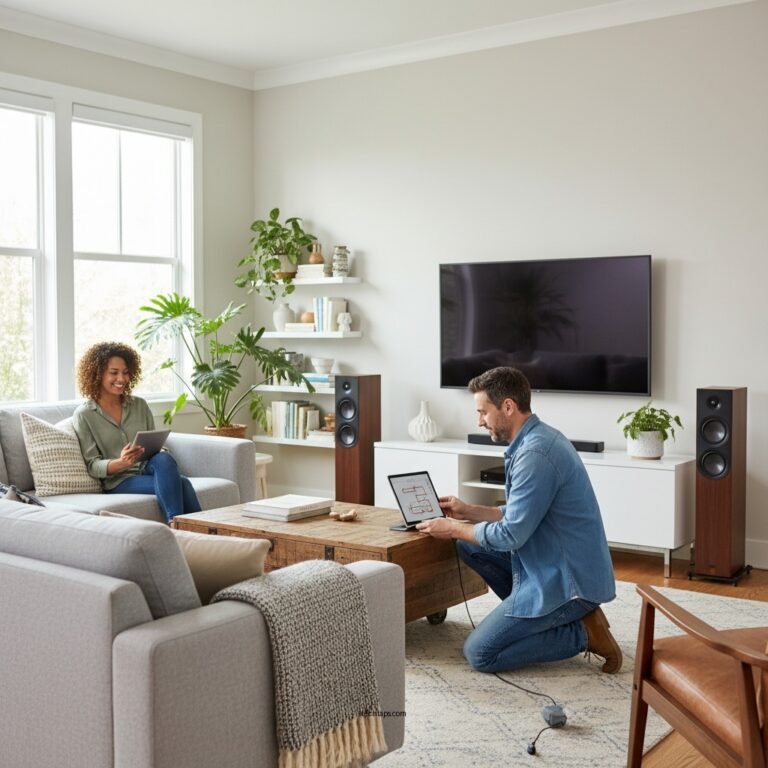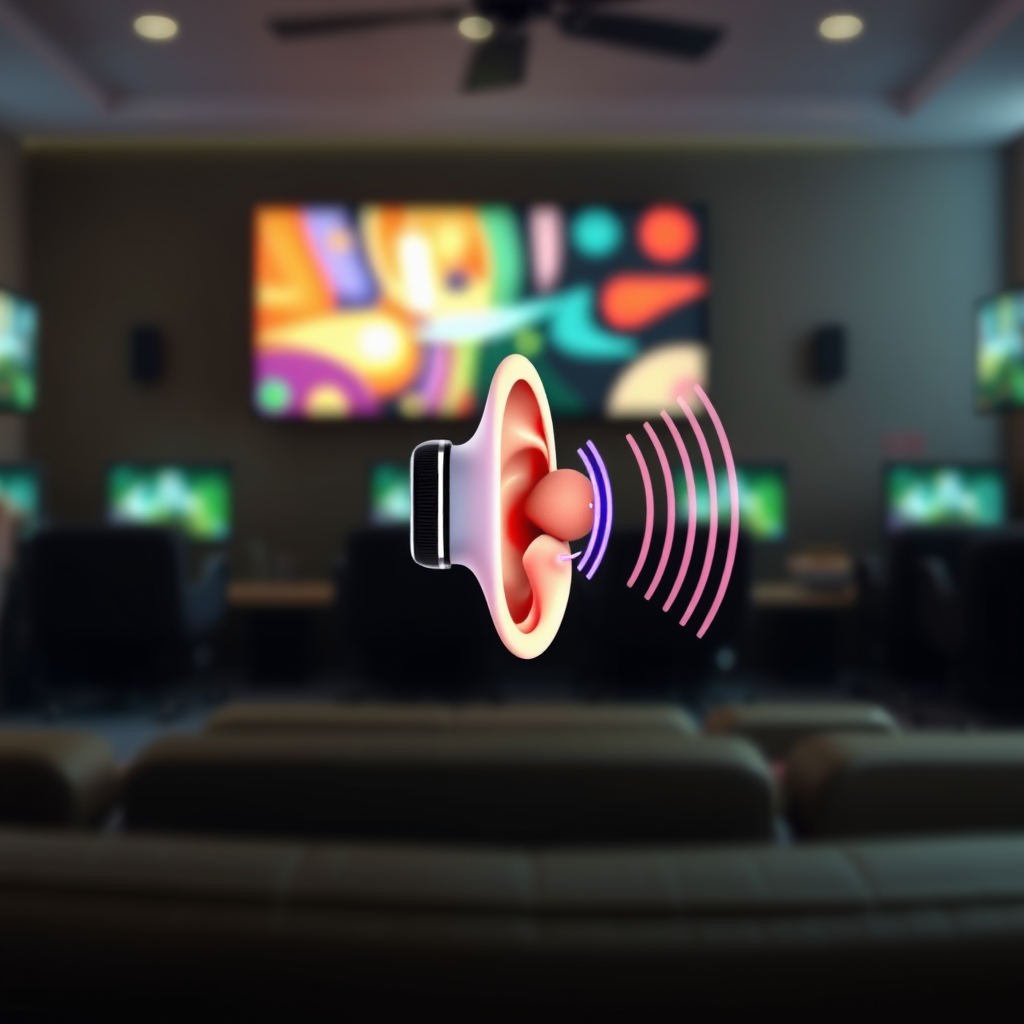

The human ear interprets surround sound by utilizing the brain’s ability to process sound waves from various directions, creating a three-dimensional audio experience. This complex process involves not just the ear’s anatomy, but also how our auditory system perceives sound frequency, intensity, and timing. In this article, you will learn how our ears and brain work together to perceive surround sound.
Anatomy of the Human Ear
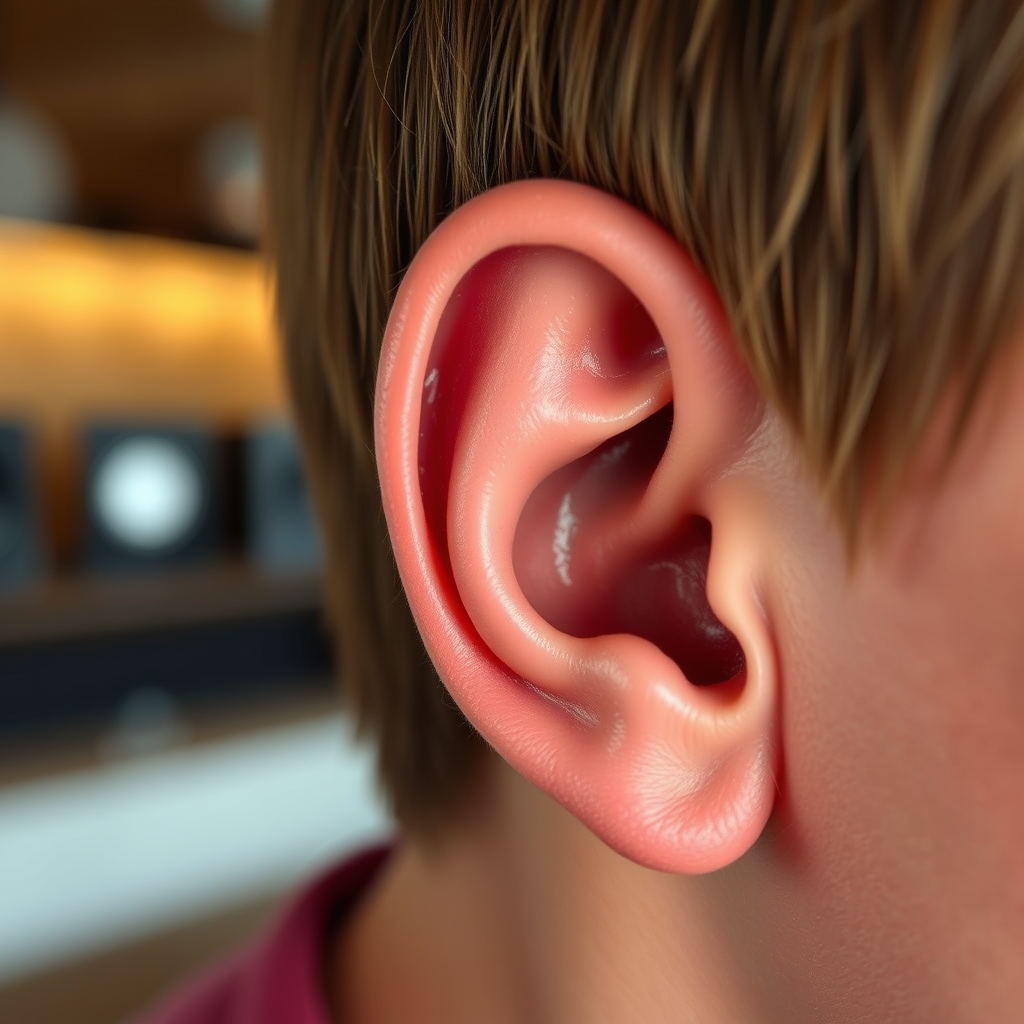
Understanding how the human ear interprets surround sound begins with its intricate anatomy. The ear is divided into three main sections: the outer ear, middle ear, and inner ear, each playing a distinct role in sound perception.
The outer ear, comprising the pinna and ear canal, collects sound waves and directs them toward the middle ear. The middle ear contains the tympanic membrane (eardrum) and three tiny bones known as ossicles (malleus, incus, and stapes) that amplify sound vibrations. Finally, the inner ear houses the cochlea, a spiral-shaped organ filled with fluid. The cochlea is crucial for converting sound waves into neural signals through hair cells that respond to different frequencies of sound.
When sound waves enter the cochlea, they create fluid waves that stimulate these hair cells. The resulting neural signals are sent to the brain via the auditory nerve, where they are further processed into recognizable sounds, contributing to our perception of surround sound.
How the Brain Processes Sound
Once sound waves are converted into neural signals, the brain’s auditory cortex takes over. This region is responsible for analyzing sound information, determining characteristics such as direction and distance. The auditory cortex receives input from both ears, allowing the brain to triangulate the location of sounds in a three-dimensional space.
The brain’s integration of sound is vital for distinguishing between various audio sources. For instance, when watching a movie, the brain can differentiate between dialogue, background music, and sound effects, allowing us to immerse ourselves in the audio experience. This processing also aids in recognizing familiar sounds, like a friend’s voice, amidst a cacophony of background noise.
The Role of Binaural Hearing
Binaural hearing refers to our ability to use both ears to locate the origin of sounds. This ability is essential for accurately interpreting surround sound. Two critical factors contribute to sound localization: interaural time difference (ITD) and interaural level difference (ILD).
– Interaural Time Difference (ITD): This phenomenon occurs when a sound reaches one ear slightly earlier than the other due to the distance between the ears. The brain uses this timing disparity to identify the direction of the sound.
– Interaural Level Difference (ILD): This refers to the difference in loudness and intensity of sounds reaching each ear. A sound originating from one side will generally be louder in the ear closest to the source, helping the brain determine its location.
These binaural cues enable us to pinpoint the direction of sounds accurately, whether it’s the subtle rustle of leaves or the roar of an approaching vehicle.
Key Aspects of Binaural Hearing
| # | Factor | Description | Importance |
|---|---|---|---|
| 1 | Interaural Time Difference | Time difference in sound reaching each ear | Critical for determining direction |
| 2 | Interaural Level Difference | Difference in sound intensity between ears | Enhances sound localization |
| 3 | Sound Shadow | Reduction in sound intensity due to head | Aids in directionality |
| 4 | Head-Related Transfer Function | Filters sound differently based on head shape | Enhances 3D sound perception |
| 5 | Frequency Sensitivity | Ears are sensitive to specific frequency ranges | Affects sound clarity |
| 6 | Spatial Hearing | Ability to perceive sound location | Key for navigation |
| 7 | Auditory Scene Analysis | Separating sounds in a complex environment | Vital for communication |
The Impact of Sound Waves on Perception
Sound waves travel at different speeds and frequencies, which can significantly affect how we perceive them. The frequency of a sound wave determines its pitch, while the amplitude affects its loudness. Higher frequency sounds, such as a whistle, can be perceived as sharper and more distinct, while lower frequency sounds, like a bass drum, are felt as much as they are heard.
The Doppler effect also plays a crucial role in our sound perception. As a sound source moves closer, its frequency appears higher, and as it moves away, the frequency appears lower. This phenomenon is why an ambulance siren sounds different when it approaches compared to when it recedes. Understanding the Doppler effect enhances our ability to interpret motion and distance in our auditory environment.
Perception of Sound Frequencies
Surround Sound Technology
Surround sound technology is designed to create an immersive audio experience that mimics the natural way we perceive sound in our environment. These systems utilize multiple speakers strategically placed around a listener to simulate the complex auditory cues our ears are accustomed to.
Modern surround sound formats, such as Dolby Digital and DTS, encode audio in multiple channels, allowing sounds to come from various directions. When properly calibrated, these systems can replicate the sensation of sounds originating from behind, above, or below the listener. This spatial audio technology enhances experiences in cinema, gaming, and even virtual reality, providing users with a heightened sense of presence.
Moreover, surround sound technology often incorporates advanced algorithms that analyze the acoustics of a room, adjusting sound output for optimal clarity and directionality. As a result, users can enjoy a more realistic and engaging auditory experience.
Challenges in Interpreting Surround Sound
Despite the impressive capabilities of surround sound technology, several challenges can affect sound interpretation. Room acoustics play a significant role; the dimensions, materials, and furnishings of a space can either enhance or detract from sound quality. For instance, hard surfaces can cause echoes, while soft furnishings can absorb sound, leading to a less immersive experience.
Individual hearing abilities also contribute to sound interpretation. Age-related hearing loss and conditions such as tinnitus can affect how effectively a person perceives and processes surround sound. Additionally, sound masking—where background noise interferes with the clarity of desired sounds—can severely impact the listening experience.
Environmental noise, such as traffic or conversations, can further complicate sound interpretation, especially in urban settings. Users must often adjust their environments or use noise-canceling technology to fully appreciate the benefits of surround sound systems.
Practical Applications of Surround Sound
The applications of surround sound technology extend beyond entertainment. In cinema, surround sound enhances the storytelling experience, allowing audiences to feel as if they are part of the action. In gaming, it provides players with crucial spatial awareness, enabling them to react to in-game stimuli more effectively. Music listening has also evolved, with many artists now mixing their tracks for surround sound formats to create a more immersive listening experience.
Moreover, understanding how we interpret sound can significantly improve the design of audio equipment and environments. For instance, architects and audio engineers can collaborate to create spaces that optimize sound quality and enhance user experience. This knowledge can lead to innovations in public spaces, conference rooms, and home theaters, ensuring that audio experiences are as effective and enjoyable as possible.
The human ear’s ability to interpret surround sound is a complex process that combines anatomical features and brain functions to create an immersive auditory experience. By understanding how our ears work in tandem with our brain, we can appreciate and enhance the quality of sound in various applications. For more insights on sound technology and hearing, explore our related articles or share your thoughts in the comments below!
Frequently Asked Questions
How does the human ear perceive surround sound?
The human ear perceives surround sound through a combination of binaural hearing and the brain’s ability to process sound waves from various directions. Our ears capture sound waves at slightly different times and intensities, allowing us to locate the source of a sound. This spatial awareness is enhanced by the unique shape of our outer ears, which helps filter sounds based on their origin.
What are the key components of surround sound systems?
Key components of surround sound systems typically include multiple speakers positioned around a listener, a subwoofer for low-frequency sounds, and a surround sound receiver that processes audio signals. These systems often support formats like Dolby Atmos or DTS:X, which create a three-dimensional sound experience. Proper speaker placement is crucial for maximizing the immersive quality of surround sound.
Why is surround sound important for movie and gaming experiences?
Surround sound is important for movie and gaming experiences because it enhances immersion and realism, making scenes more engaging. By accurately simulating the environment in which sounds occur, users can enjoy a more lifelike auditory experience that heightens emotional responses. This audio technology allows viewers and gamers to hear sounds from all directions, which is critical for situational awareness.
Which surround sound formats provide the best audio experience?
The best surround sound formats are often considered to be Dolby Atmos and DTS:X, as they offer object-based audio that allows sound to move freely in a three-dimensional space. These formats create a more immersive experience compared to traditional 5.1 or 7.1 channel systems. The choice of format may depend on the content being viewed and the capabilities of the audio equipment used.
How can I optimize my home theater for surround sound?
To optimize your home theater for surround sound, start by positioning speakers at ear level and ensuring they are spaced evenly around the seating area. Use acoustic treatments, such as sound-absorbing panels, to minimize unwanted reflections. Additionally, calibrating your audio system using built-in setup tools or an external sound meter can help achieve a balanced and immersive sound experience.
References
- Ear
https://en.wikipedia.org/wiki/Human_ear - https://www.ncbi.nlm.nih.gov/pmc/articles/PMC7553475/
https://www.ncbi.nlm.nih.gov/pmc/articles/PMC7553475/ - Glottic Stenosis – StatPearls – NCBI Bookshelf
https://www.ncbi.nlm.nih.gov/books/NBK539898/ - https://www.sciencedirect.com/science/article/pii/S1877050915002025
https://www.sciencedirect.com/science/article/pii/S1877050915002025 - https://www.ncbi.nlm.nih.gov/pmc/articles/PMC4161375/
https://www.ncbi.nlm.nih.gov/pmc/articles/PMC4161375/ - https://www.ncbi.nlm.nih.gov/pmc/articles/PMC3487035/
https://www.ncbi.nlm.nih.gov/pmc/articles/PMC3487035/ - Google Scholar Google Scholar
https://scholar.google.com/scholar?q=How+the+Human+Ear+Interprets+Surround+Sound - Google Scholar Google Scholar
https://scholar.google.com/scholar?q=Human+Auditory+Processing+and+Surround+Sound - Google Scholar Google Scholar
https://scholar.google.com/scholar?q=Spatial+Hearing+and+Surround+Sound - https://www.britannica.com/science/hearing-physiology-and-psychology
https://www.britannica.com/science/hearing-physiology-and-psychology