
To achieve the best sound from an analog audio system, it is crucial to focus on optimizing your components, ensuring proper setup, and implementing regular maintenance. This guide will cover essential steps to enhance audio quality, from selecting the right equipment to fine-tuning your listening environment, helping you create a rich and immersive audio experience.
Choosing the Right Equipment
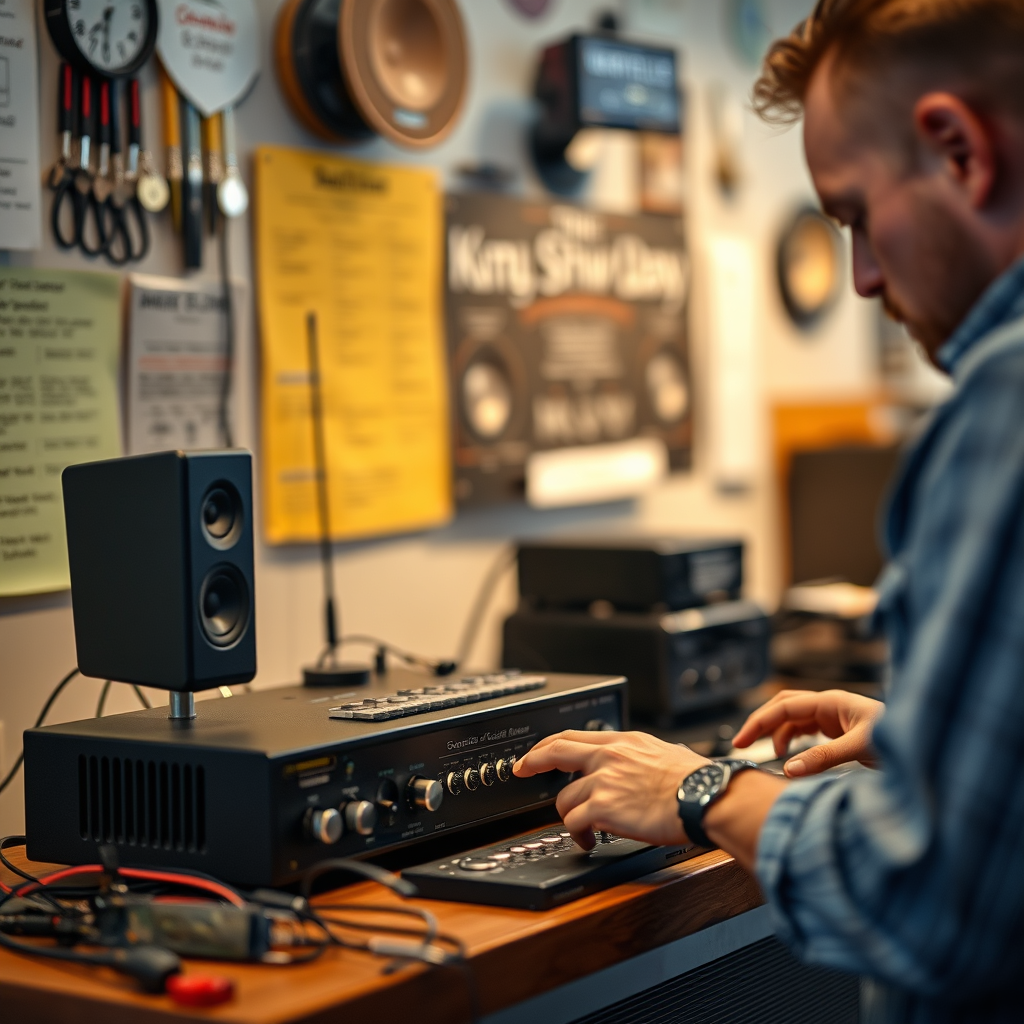
The foundation of any great analog audio system begins with selecting high-quality components that work harmoniously together.
Investing in a high-quality turntable and cartridge is essential for achieving better sound fidelity. A good turntable, such as those offered by brands like Rega or Technics, provides a stable platform for playback, minimizing vibrations and distortion. The cartridge is equally important; moving magnet (MM) cartridges are typically user-friendly and affordable, while moving coil (MC) cartridges can offer superior sound quality for audiophiles willing to spend more.
Amplifiers and speakers must also be carefully paired to ensure balanced audio. A powerful amplifier can drive demanding speakers, while a compatible speaker set enhances clarity and depth. Brands like Audio Research and Bowers & Wilkins offer excellent options that can elevate your listening experience. Remember, the goal is to create a system where the components complement each other, leading to a more cohesive sound.
Proper Setup and Placement
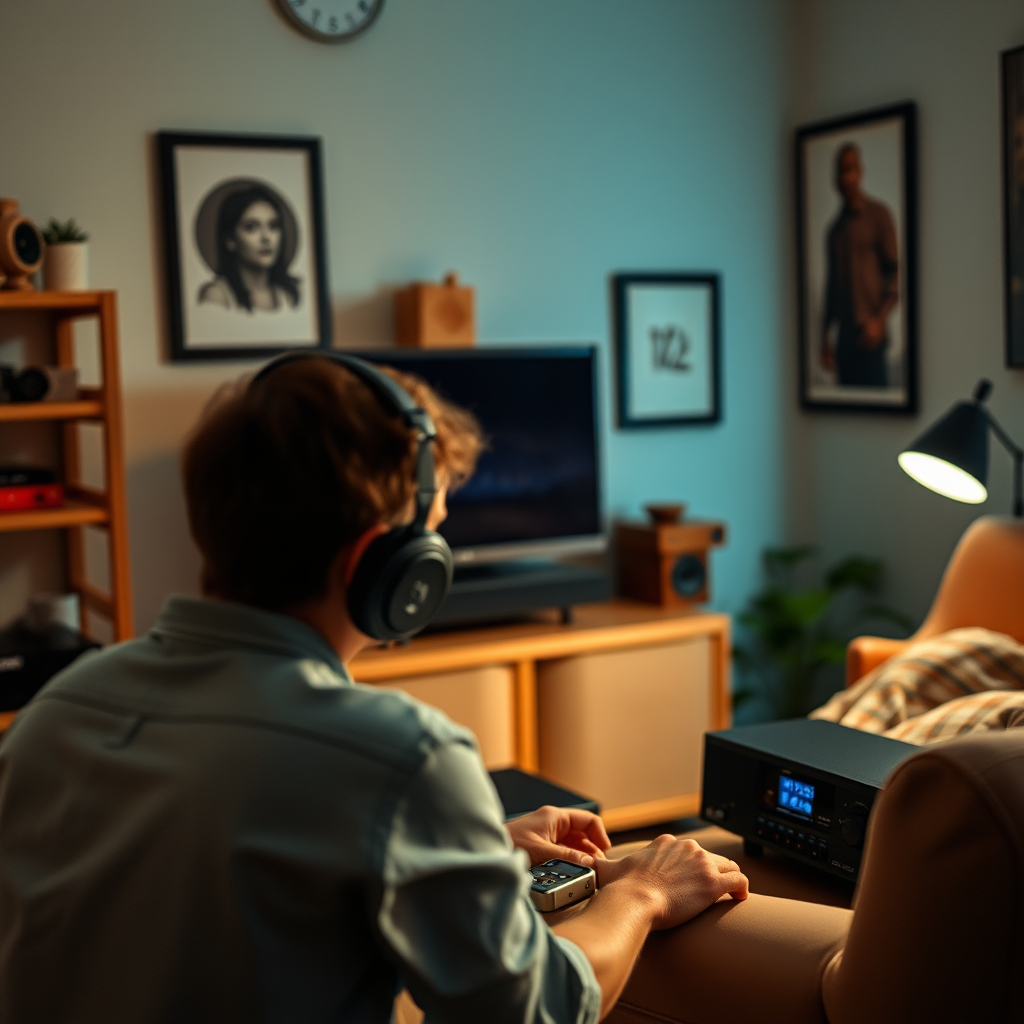
Even the best equipment can underperform if not set up correctly. Proper placement of speakers is essential for minimizing sound distortion and maximizing audio quality.
Positioning speakers at ear level and away from walls can significantly improve soundstage and bass response. Ideally, speakers should form an equilateral triangle with your listening position, allowing for optimal sound distribution. Using isolation pads or stands can also help reduce vibrations that affect sound clarity. These pads create a barrier between the speakers and the surface they are on, preventing unwanted resonance.
Additionally, consider the orientation of your components. Turntables should be placed on a stable, level surface, free from vibrations, while amplifiers and receivers should have adequate ventilation to prevent overheating.
Understanding Your Analog Components
Familiarizing yourself with each component in your system will help you maximize its potential. Understanding the roles of the preamplifier, equalizer, and other elements can lead to better sound customization.
For instance, the preamp amplifies the low-level signal from the turntable to a level suitable for your amplifier, while an equalizer can help you adjust frequencies to suit your preferences. Different cartridge types also affect sound output, so learning about MM, MC, and the various stylus shapes (like conical or elliptical) will guide you in selecting the right cartridge for your listening style.
This knowledge empowers you to make informed decisions when upgrading or fine-tuning your system, ensuring that each component is optimized for the best audio experience.
Top 7 Turntable Brands for Audiophiles (2024)
| # | Brand | Price Range | Type | Customer Rating |
|---|---|---|---|---|
| 1 | Rega | $500 – $2,000 | Belt Drive | ★★★★☆ |
| 2 | Technics | $800 – $3,500 | Direct Drive | ★★★★★ |
| 3 | Audio-Technica | $200 – $1,000 | Belt Drive | ★★★★☆ |
| 4 | Pro-Ject | $300 – $1,500 | Belt Drive | ★★★☆☆ |
| 5 | VPI | $1,000 – $5,000 | Belt Drive | ★★★★★ |
| 6 | Denon | $300 – $1,200 | Belt Drive | ★★★★☆ |
| 7 | Marantz | $600 – $2,500 | Belt Drive | ★★★★☆ |
Cable Quality and Connections
The quality of your cables and connections plays a pivotal role in the overall sound quality of an analog audio system. Low-quality cables can introduce signal loss and interference, muddying the audio output.
Using high-quality interconnects (RCA cables, speaker wires) ensures a clear transmission of audio signals. Brands like Monster Cable and AudioQuest are known for their durable and high-performance cables. Ensuring that all connections are secure is equally important; loose connections can lead to audio dropouts or distortion, which can be frustrating during playback.
Regularly inspecting your cables for wear and tear is advisable. If you notice any fraying or damage, replace them promptly to maintain sound integrity.
Maintenance and Care
Regular maintenance and care are vital in preserving the performance of your analog audio system. Dust and dirt can accumulate on your records and stylus, leading to sound degradation.
Cleaning your records with a quality brush and solution can significantly enhance playback quality. Additionally, using a stylus brush to keep your needle clean will help maintain clarity and prevent wear on both the stylus and your records.
Periodically checking and recalibrating your system settings, such as tonearm balance and tracking force, is also essential. These adjustments can help maintain optimal performance and prolong the life of your equipment.
Listening Environment Optimization
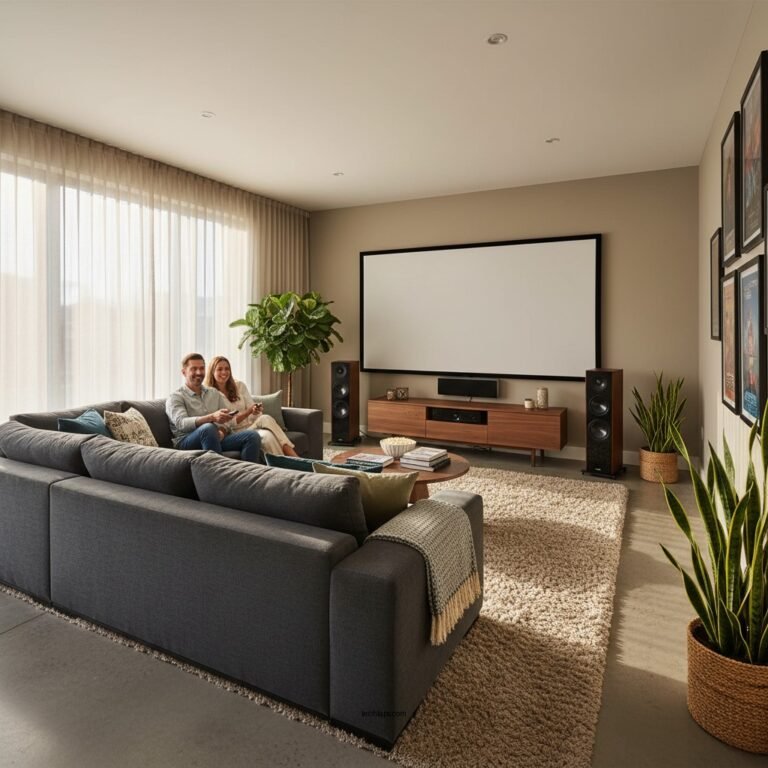
Finally, the listening environment plays a crucial role in sound quality. Room acoustics can significantly affect how sound waves interact with the space, impacting clarity and depth.
Consider adding acoustic treatments such as rugs, curtains, or wall panels to reduce echoes and enhance sound quality. These materials can absorb sound waves, preventing them from bouncing off hard surfaces and creating unwanted reverberation.
Experimenting with different listening positions can also help you find the “sweet spot” in the room where audio quality is at its peak. Often, small adjustments to seating or speaker placement can yield noticeable improvements in sound.
Audio Quality Improvement Factors
By focusing on these key areas—equipment selection, setup, maintenance, and room acoustics—you can achieve the best sound from your analog audio system.
In conclusion, optimizing an analog audio system requires a multifaceted approach. Understanding your components, choosing the right equipment, ensuring proper setup and placement, maintaining your system, and optimizing your listening environment are all critical steps. By implementing these strategies, you can enjoy a richer, more immersive listening experience that truly showcases the beauty of analog sound. Start taking these steps today and transform your audio experience.
Frequently Asked Questions
What are the key components needed for achieving the best sound from an analog audio system?
To achieve the best sound from an analog audio system, you need high-quality components such as a turntable, a phono preamp, an amplifier, and speakers. Each component must be compatible and of good quality to ensure optimal sound reproduction. Investing in quality cables and proper speaker placement can also significantly enhance audio performance.
How can I properly set up my turntable for optimal sound quality?
Proper turntable setup involves ensuring the correct tracking force, anti-skate settings, and alignment of the cartridge. Additionally, leveling the turntable and using a good quality mat can reduce unwanted vibrations. Regular maintenance, including cleaning the stylus and records, will also help maintain sound quality.
Why is the room acoustics important for the sound quality of an analog audio system?
Room acoustics play a crucial role in sound quality because they can amplify or dampen specific frequencies, affecting overall audio clarity. Hard surfaces can create echoes, while soft furnishings can absorb sound. To optimize sound, consider adding acoustic panels, rugs, and strategically placing furniture to improve the listening environment.
What are the best practices for caring for vinyl records to ensure great sound?
To ensure great sound from your vinyl records, always handle them by the edges to avoid fingerprints and dirt. Use a carbon fiber brush to remove dust before playback, and store records vertically in a cool, dry place, away from direct sunlight. Regularly cleaning records with a proper cleaning solution can also maintain sound quality.
Which speaker types are best for an analog audio system?
The best speaker types for an analog audio system typically include floor-standing speakers, bookshelf speakers, or studio monitors, depending on your space and preferences. Look for speakers with a natural frequency response and good sensitivity to ensure they can reproduce the nuances of analog sound. Additionally, pairing speakers with a compatible amplifier will enhance overall audio performance.
References
- Audio engineer
https://en.wikipedia.org/wiki/Audio_engineering - https://www.bbc.com/future/article/20191106-how-analogue-music-creates-a-unique-sound
https://www.bbc.com/future/article/20191106-how-analogue-music-creates-a-unique-sound - https://www.sciencedirect.com/science/article/pii/S1877050920306451
https://www.sciencedirect.com/science/article/pii/S1877050920306451 - https://www.ncbi.nlm.nih.gov/pmc/articles/PMC6469742/
https://www.ncbi.nlm.nih.gov/pmc/articles/PMC6469742/ - https://www.theguardian.com/music/musicblog/2015/oct/04/how-to-get-the-best-sound-from-your-vinyl-records
https://www.theguardian.com/music/musicblog/2015/oct/04/how-to-get-the-best-sound-from-your-vinyl-records - https://www.nytimes.com/2020/07/22/arts/music/vinyl-records-analog-sound.html
https://www.nytimes.com/2020/07/22/arts/music/vinyl-records-analog-sound.html - Google Scholar Google Scholar
https://scholar.google.com/scholar?q=Analog+Audio+System+Sound+Quality - Google Scholar Google Scholar
https://scholar.google.com/scholar?q=Best+Sound+Analog+Audio+Techniques - Google Scholar Google Scholar
https://scholar.google.com/scholar?q=Audio+Engineering+Analog+Systems - Google Scholar Google Scholar
https://scholar.google.com/scholar?q=How+to+Get+the+Best+Sound+from+an+Analog+Audio+System