

Adding a second subwoofer can dramatically enhance your audio experience by delivering richer and deeper bass. This guide will walk you through the essential steps to properly add a second subwoofer, ensuring a balanced sound that fills your room. You will learn about optimal placement, connection methods, and calibration tips to maximize your setup.
Understanding the Benefits of a Second Subwoofer

Integrating a second subwoofer into your audio system offers several compelling advantages.
– Improved bass response: A dual subwoofer setup can significantly reduce dead spots in your room, leading to a more uniform bass experience. This is particularly beneficial in larger spaces where sound waves may interact in unpredictable ways. By strategically placing two subwoofers, you can achieve a cohesive sound that enhances low-frequency performance throughout the listening area.
– Enhanced soundstage: Dual subwoofers create a more immersive audio experience, allowing music and movie soundtracks to feel more dynamic and three-dimensional. With each subwoofer handling bass frequencies, the overall sound quality is improved, providing a richer listening experience. This is especially noticeable in action movies or music genres that rely heavily on bass, such as hip-hop or electronic dance music.
Choosing the Right Subwoofer
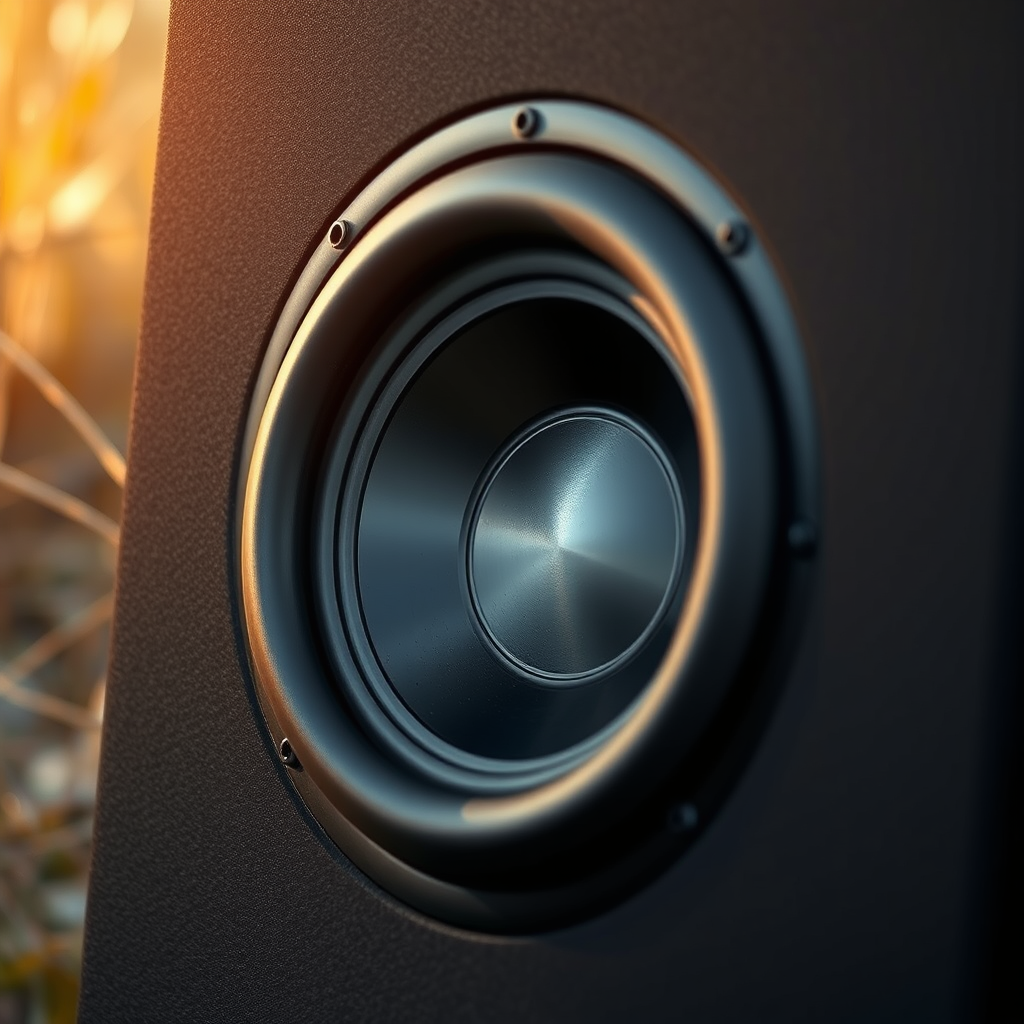
When adding a second subwoofer, it’s crucial to select the right unit to complement your existing setup.
– Match specifications: Ensure that the new subwoofer matches your current one in terms of power output (measured in watts) and frequency response (measured in hertz). For example, if your current subwoofer operates between 30 Hz and 150 Hz, the new subwoofer should ideally have a similar range to maintain tonal consistency.
– Consider room size: The dimensions of your room play a critical role in determining the appropriate power level for your second subwoofer. Larger spaces may require a more powerful unit to achieve the desired bass levels. If your room is expansive, consider investing in a subwoofer with a higher RMS (Root Mean Square) rating to deliver the impact you need.
Optimal Placement for Dual Subwoofers
Subwoofer placement is one of the most crucial aspects of optimizing sound in your audio system.
– Symmetrical positioning: For balanced sound across the listening area, place the subwoofers in symmetrical locations relative to the primary listening position. Common configurations include placing them at the front corners of the room or along the front wall, equidistant from the center. This arrangement helps to minimize phase cancellation and ensures that the bass is evenly distributed.
– Experiment with corner placement: Corners can amplify bass frequencies due to the reflective surfaces, but this may not always yield the best results. Test different placements to see what works best for your space. You can use a smartphone app to measure sound levels in various positions, helping you find the optimal setup.
Top 7 Subwoofer Brands by Popularity (2024)
| # | Brand | Power (W) | Frequency Response (Hz) | Rating |
|---|---|---|---|---|
| 1 | SVS | 1200 | 18-220 | ★★★★☆ |
| 2 | Klipsch | 300 | 24-120 | ★★★★☆ |
| 3 | Yamaha | 500 | 20-200 | ★★★☆☆ |
| 4 | Bowers & Wilkins | 600 | 25-150 | ★★★★☆ |
| 5 | Polk Audio | 200 | 30-180 | ★★★★☆ |
| 6 | JBL | 400 | 30-180 | ★★★★☆ |
| 7 | Sonos | 350 | 30-150 | ★★★★☆ |
Connecting Your Second Subwoofer
The connection process for a second subwoofer can vary based on your existing audio setup.
– Wired vs. wireless options: Decide whether to connect the subwoofers using cables or opt for a wireless system. Wired connections typically provide a more reliable signal and are preferred for high-performance setups. However, wireless options offer more flexibility in placement without the mess of cables.
– Utilize a Y-splitter: If your AV receiver has only one output for subwoofers, a Y-splitter can be used to allow both subwoofers to connect to that single output. Ensure the splitter is of good quality to maintain audio fidelity across both devices.
Calibration and Fine-Tuning
Once your second subwoofer is connected, calibration is essential to ensure optimal performance.
– Use an audio calibration system: Many modern AV receivers come equipped with built-in calibration tools that can automatically adjust the settings for your subwoofers. These systems use microphones to analyze the sound in your room and make necessary adjustments to phase, distance, and gain settings.
– Manual adjustments: After initial calibration, you may want to fine-tune the gain, phase, and crossover settings manually. Start by adjusting the gain to find a balance between the subwoofers. The phase setting can help synchronize the timing of the bass waves, ensuring a cohesive sound experience.
Testing Your Setup
After completing the setup and calibration, it’s time to put your new dual subwoofer system to the test.
– Play reference tracks: Select specific audio tracks known for their bass clarity and depth. Tracks that feature strong bass lines or low-frequency effects (LFE) can help you evaluate how well your subwoofers perform together. Pay attention to the clarity and impact of the bass.
– Adjust as necessary: Based on your listening experience, make small adjustments to the settings. It may take some trial and error to achieve the perfect balance, so take your time and enjoy the process.
Bass Level Comparison for Single vs. Dual Subwoofers
By comparing the bass levels produced by a single subwoofer versus dual subwoofers, it becomes evident that adding a second unit delivers a marked improvement in audio performance.
In summary, adding a second subwoofer is a straightforward yet effective way to enhance your audio experience. By understanding the benefits, choosing the right unit, optimizing placement, connecting properly, calibrating, and testing your setup, you can achieve a remarkable improvement in sound quality. Don’t hesitate to experiment with your setup and enjoy the enhanced audio experience. Consider sharing your results or seeking advice in audio forums to further refine your system for optimal performance.
Frequently Asked Questions
How do I determine if adding a second subwoofer will improve my bass?
Adding a second subwoofer can significantly enhance your bass experience by providing better sound distribution and reducing dead spots in your room. To determine if it’s beneficial, assess your current bass response and note any areas where the sound lacks depth. If you’re experiencing uneven bass or weak low-frequency performance, a second subwoofer can help fill those gaps and create a more balanced sound.
What is the best placement for two subwoofers in a room?
The best placement for two subwoofers often involves positioning them in different corners of the room to maximize bass response and minimize phase cancellation. Experimenting with placement using a technique called “subwoofer crawl” can also help; place one subwoofer in your listening position and move the second subwoofer around the room to find the spot that produces the best sound. This strategic placement enhances the overall bass performance and creates a richer audio experience.
Why should I consider a second subwoofer for my home theater system?
A second subwoofer can significantly enhance your home theater experience by providing a more immersive sound environment. It offers deeper, more accurate bass and can help eliminate uneven sound distribution often caused by room acoustics. Additionally, using two subwoofers can lower distortion levels, allowing for clearer audio during action scenes and music playback.
Which type of subwoofer should I buy to pair with my existing one?
When selecting a second subwoofer, it’s crucial to match the specifications of your existing subwoofer, such as the size, power rating, and type (active or passive). Ideally, choose a subwoofer from the same brand and series to maintain tonal consistency. However, if that’s not possible, focus on matching the frequency response and volume capabilities to ensure a seamless integration into your audio system.
How do I connect and configure two subwoofers in my audio system?
Connecting two subwoofers can be done via a single subwoofer output from your receiver using a Y-splitter cable or through multiple outputs if your receiver supports it. After connecting, configure the phase, crossover frequency, and volume levels for each subwoofer to optimize performance. Utilize your receiver’s room calibration feature, if available, to balance the sound and ensure both subwoofers work harmoniously for a deeper, more satisfying bass experience.
References
- Subwoofer
https://en.wikipedia.org/wiki/Subwoofer - https://www.audioholics.com/home-theater-101/how-to-setup-multiple-subwoofers
https://www.audioholics.com/home-theater-101/how-to-setup-multiple-subwoofers - https://www.researchgate.net/publication/320365159_The_Effect_of_Subwoofer_Configuration_on_Bass_Response_in_a_Home_Theater
https://www.researchgate.net/publication/320365159_The_Effect_of_Subwoofer_Configuration_on_Bass_Response_in_a_Home_Theater - https://www.sciencedirect.com/topics/engineering/subwoofer
https://www.sciencedirect.com/topics/engineering/subwoofer - Google Scholar Google Scholar
https://scholar.google.com/scholar?q=how+to+add+a+second+subwoofer+for+deeper+bass - Google Scholar Google Scholar
https://scholar.google.com/scholar?q=subwoofer+setup+techniques - Google Scholar Google Scholar
https://scholar.google.com/scholar?q=How+to+Add+a+Second+Subwoofer+for+Deeper+Bass - How to Add a Second Subwoofer for Deeper Bass – Search results
https://en.wikipedia.org/wiki/Special:Search?search=How+to+Add+a+Second+Subwoofer+for+Deeper+Bass - https://www.ncbi.nlm.nih.gov/search/research-articles/?term=How+to+Add+a+Second+Subwoofer+for+Deeper+Bass
https://www.ncbi.nlm.nih.gov/search/research-articles/?term=How+to+Add+a+Second+Subwoofer+for+Deeper+Bass