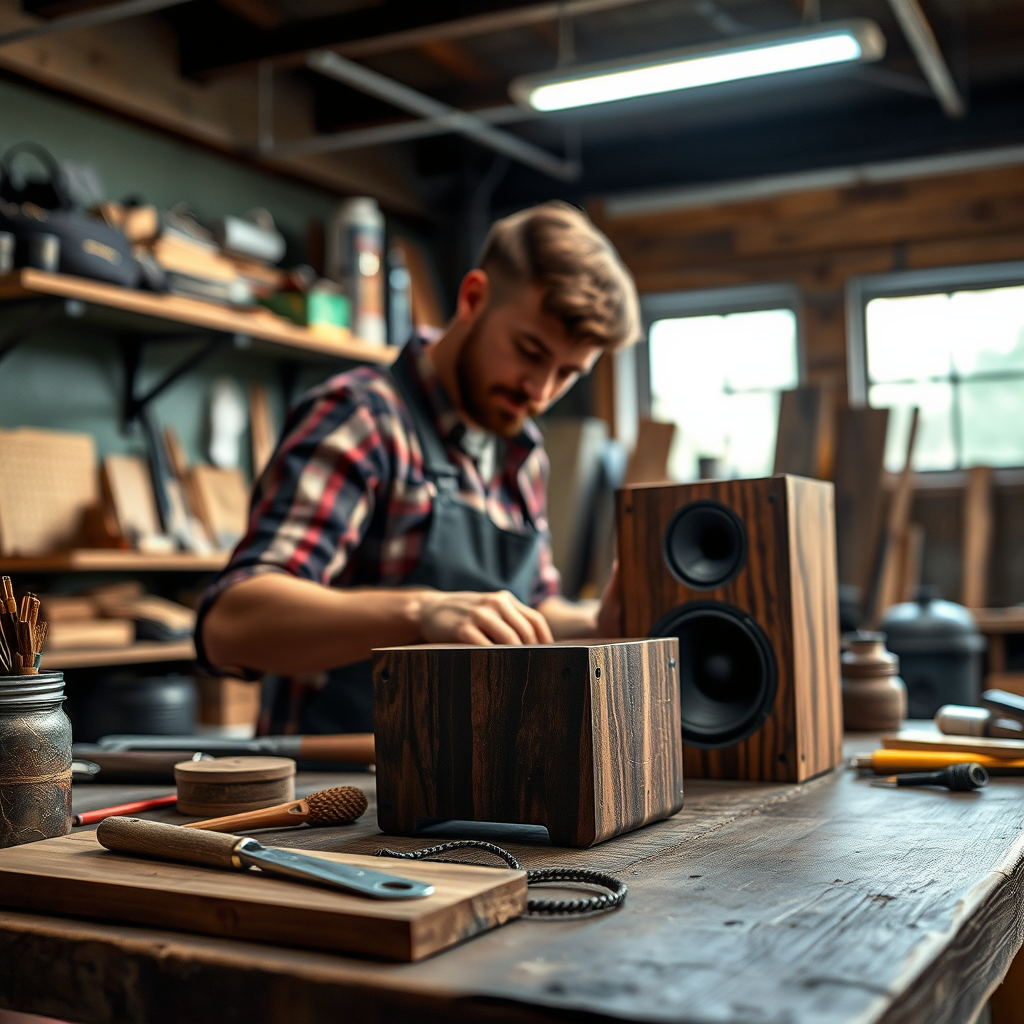

Building DIY speakers from upcycled materials is not only an eco-friendly project but also a rewarding way to create unique sound systems. In this guide, you’ll learn how to source materials, choose the right components, and assemble your own speakers, all while minimizing waste and saving money. This project allows you to contribute positively to the environment while enjoying the satisfaction of crafting a personalized audio experience tailored to your preferences.
Understanding Upcycled Materials
Upcycling refers to the process of transforming waste materials or unwanted products into new materials or products of better quality or environmental value. The benefits of upcycling are manifold; it reduces landfill waste, conserves natural resources, and often results in unique, one-of-a-kind items that showcase creativity. When it comes to building speakers, upcycled materials can be a fantastic way to save money while also making a statement about sustainability.
Common sources for upcycled materials include old furniture, broken electronics, and even discarded household items. For instance, you might repurpose an old wooden cabinet as a speaker enclosure, or use the drivers from a broken set of headphones. Additionally, thrift stores and garage sales can be treasure troves for finding potential speaker components like wood, fabric, and electronic parts at a fraction of the cost of new items.
Tools and Equipment Needed
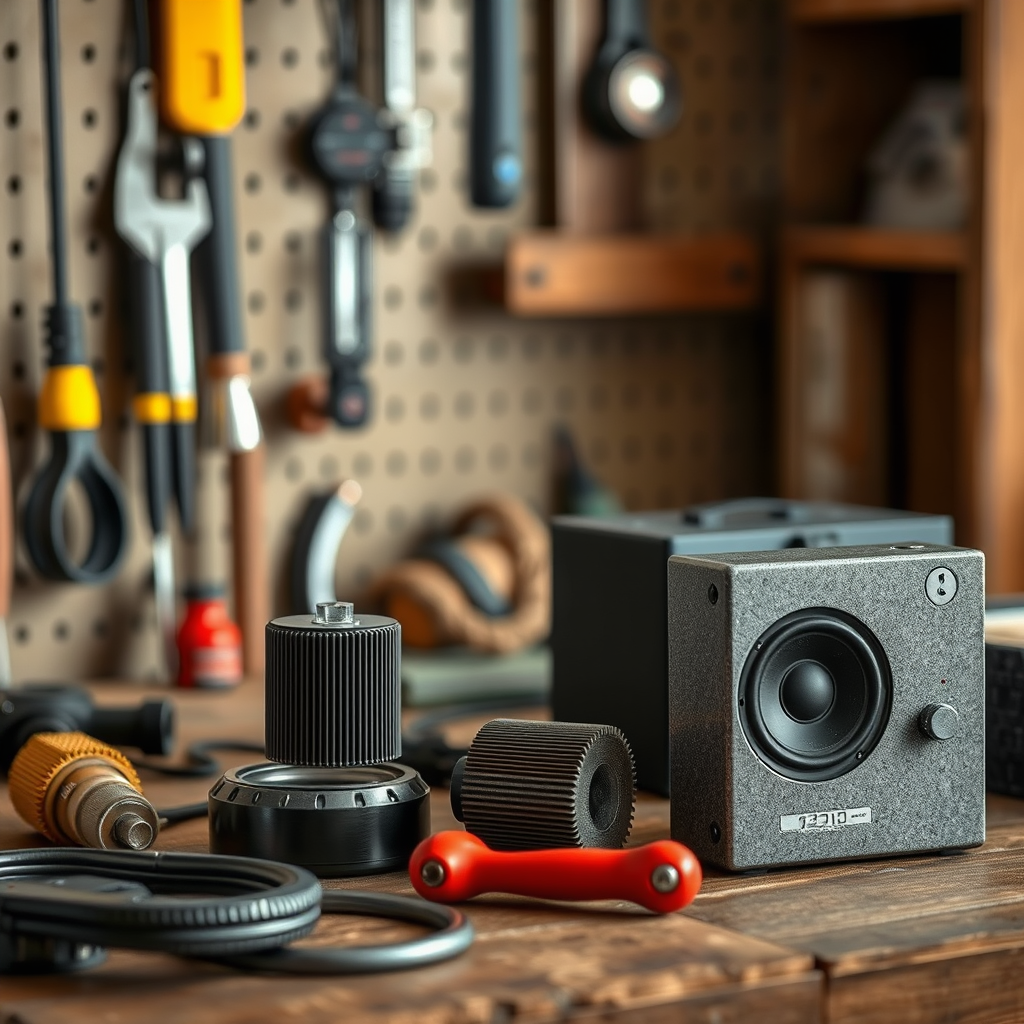
To embark on your DIY speaker project, you will need a few essential tools and safety gear to ensure a smooth and safe assembly process. Here’s a comprehensive list:
Essential Tools:
– Screwdriver set (flathead and Phillips)
– Soldering iron and solder
– Wire strippers and cutters
– Drill (with drill bits suitable for wood)
– Hot glue gun
– Measuring tape
– Clamps (for holding pieces together while assembling)
Safety Gear Recommendations:
– Safety glasses (to protect your eyes from debris)
– Gloves (to shield your hands when working with sharp or rough materials)
– Dust mask (to avoid inhaling dust and particles, especially when sanding or drilling)
Choosing the Right Components
The quality of your DIY speakers largely depends on the components you select. Choosing the right drivers and amplifiers is crucial for achieving optimal sound quality.
Importance of Quality Components:
– Drivers: These are the heart of your speaker. Look for well-reviewed drivers that match your desired sound profile (e.g., bass-heavy, balanced, etc.). Brands like Dayton Audio and Peerless offer a range of affordable drivers suitable for DIY projects.
– Amplifiers: A compatible amplifier will ensure that your speakers perform at their best. Consider options like the TPA3116D2, which is compact and provides high-quality sound at a low price point.
Recommendations for Compatible Components:
– Full-Range Drivers: Ideal for compact builds. Look into models like the Tang Band W3-871S.
– Subwoofers: If you’re aiming for low-end sound, the Dayton Audio DCS165-4 is a great choice.
– Crossovers: Incorporating a crossover will help direct frequencies appropriately to your drivers, enhancing sound clarity. A simple 2-way passive crossover is often sufficient for DIY projects.
Top 7 Upcycled Materials for DIY Speakers
| # | Material | Source | Sound Quality | Cost-effective |
|---|---|---|---|---|
| 1 | Old Furniture | Thrift Stores | High | Yes |
| 2 | Old Speakers | Household | Medium | Yes |
| 3 | Cardboard | Recycling Centers | Low | Yes |
| 4 | Old Electronics | E-Waste | High | Yes |
| 5 | Plastic Containers | Household | Medium | Yes |
| 6 | Wooden Pallets | Construction Sites | High | Yes |
| 7 | Textiles | Old Clothes | Medium | Yes |
Designing Your Speaker Enclosure
The design of your speaker enclosure plays a pivotal role in sound quality. There are several factors to consider when designing your enclosure, including size, shape, and the materials used.
Factors to Consider:
– Size: The volume of the enclosure will affect the speaker’s bass response. Larger enclosures typically enhance low frequencies, while smaller enclosures may produce sharper, crisper sounds.
– Shape: While traditional rectangular enclosures are most common, experimenting with different shapes can yield unique acoustic properties. Round or irregular shapes can help minimize standing waves and reflections.
– Material: Wood is a popular choice for speaker enclosures due to its density and ability to absorb vibrations. Medium-density fiberboard (MDF) is often recommended for its balance of cost and performance. However, upcycled materials like plywood or even thick cardboard can also work well if designed correctly.
Tips for Enhancing Sound Quality:
– Use internal bracing to reduce vibration and resonance within the enclosure.
– Consider adding damping material like acoustic foam or insulation to minimize sound reflections and improve clarity.
– Ensure airtight seals at joints to prevent sound leakage, which can significantly diminish audio quality.
Assembly Process Step-by-Step
Assembling your DIY speakers requires careful attention to detail to ensure optimal sound performance. Below is a step-by-step guide to help you through the process:
1. Prepare the Enclosure: Cut your upcycled material to size based on the design you’ve chosen. Drill holes where the drivers will be placed and attach any bracing as needed.
2. Install the Drivers: Secure the drivers in their designated holes using screws or adhesive. Make sure they are fitted snugly to prevent sound leakage.
3. Wiring: Connect the drivers to the amplifier using appropriately gauged speaker wire. Ensure that you maintain correct polarity; connect the positive terminal of the driver to the positive terminal of the amplifier.
4. Test Connections: Before sealing the enclosure, plug in the amplifier and test the connections to ensure everything works correctly.
5. Seal the Enclosure: Once you’ve confirmed that the wiring is correct, seal the enclosure with screws and/or adhesive, ensuring it is airtight.
6. Final Touches: Attach any additional components such as a crossover or ports, if needed, based on your design.
Testing and Tuning Your Speakers
After assembly, it’s crucial to test your DIY speakers for sound quality. This stage helps you identify any issues that may affect performance and allows you to make necessary adjustments.
How to Test Your DIY Speakers:
– Play a Variety of Audio: Use different genres of music to assess how the speakers perform across various frequencies. Pay attention to bass response, mid-range clarity, and treble sharpness.
– Check for Distortion: Listen for any distortion at higher volumes. If distortion occurs, it may indicate a need for better sealing or adjustments in the enclosure design.
Tips for Adjusting and Tuning:
– If the bass is lacking, consider modifying the enclosure size or adding a subwoofer.
– Use equalization settings on your amplifier to adjust frequency outputs based on your listening preferences and room acoustics.
– Experiment with speaker placement in your space, as positioning can greatly affect sound quality.
Creative Finishing Touches
Customizing the look of your speakers can enhance their aesthetic appeal and allow them to blend seamlessly with your home decor. Here are some ideas for finishing touches:
– Painting or Staining: Use eco-friendly paint or wood stain to give your speakers a unique look that matches your decor. Choose colors that complement your interior design.
– Covering with Fabric: Wrap the speakers in fabric or speaker grille cloth to give them a soft look while also protecting the drivers. This can be a great way to incorporate patterns and textures into your space.
– Integrating into Decor: Consider how the speakers will fit into your living space. You might create a dedicated audio nook or integrate them as part of a larger furniture piece, such as a bookshelf or media console.
Summarizing the steps to build your own DIY speakers using upcycled materials highlights the creativity and sustainability of this project. With the right tools and components, you can enjoy high-quality sound while contributing to environmental conservation. Start gathering your materials today and bring your unique sound system to life!
Frequently Asked Questions
What materials can I use to build DIY speakers from upcycled items?
You can use various upcycled materials to build DIY speakers, such as old wooden crates, cardboard boxes, or even vintage electronics. Look for items that can provide a solid structure and good sound insulation, like thick wood or dense plastic. Additionally, repurposed speaker drivers from old audio equipment can greatly enhance sound quality.
How do I ensure my DIY speakers produce good sound quality?
To achieve good sound quality in your DIY speakers, focus on the speaker design and component placement. Use proper speaker drivers that match the enclosure size and choose materials that minimize vibrations. Also, ensure airtight seals in the enclosure to prevent sound leakage, which can degrade audio performance.
Why is it important to use upcycled materials for building speakers?
Using upcycled materials for building speakers is important because it promotes sustainability by reducing waste and lowering your carbon footprint. It also allows for creativity and customization, enabling you to create unique designs that reflect your personal style. Plus, it can be a cost-effective way to achieve high-quality sound without purchasing new materials.
What are the best practices for wiring DIY speakers from upcycled materials?
Best practices for wiring DIY speakers include using quality speaker wire and ensuring all connections are secure to avoid audio distortion. Strip the wire ends and twist them tightly to the connectors, taking care to match the positive and negative terminals correctly. Additionally, consider soldering connections for improved durability and reliability over time.
Which tools do I need to build DIY speakers from upcycled materials?
To build DIY speakers from upcycled materials, you’ll need basic tools such as a saw, screwdriver, drill, and a soldering iron for wiring. A multimeter can also be helpful for testing electrical connections. For a polished finish, sandpaper and paint or wood stain will help enhance the appearance of your DIY speakers.
References
- Loudspeaker
https://en.wikipedia.org/wiki/Loudspeaker - https://www.woodworkingnetwork.com/news/woodworking-industry-news/how-build-your-own-diy-speakers-using-reclaimed-materials
https://www.woodworkingnetwork.com/news/woodworking-industry-news/how-build-your-own-diy-speakers-using-reclaimed-materials - Google Scholar Google Scholar
https://scholar.google.com/scholar?q=DIY+speakers+upcycled+materials - https://www.sciencedirect.com/topics/engineering/loudspeaker
https://www.sciencedirect.com/topics/engineering/loudspeaker - https://www.bbc.com/future/article/20200727-how-to-build-your-own-diy-speakers
https://www.bbc.com/future/article/20200727-how-to-build-your-own-diy-speakers - Proteome analysis revealed the essential functions of protein phosphatase PP2A in the induction o…
https://www.nature.com/articles/s41598-020-67845-2 - https://pubmed.ncbi.nlm.nih.gov/29244001/
https://pubmed.ncbi.nlm.nih.gov/29244001/ - Google Scholar Google Scholar
https://scholar.google.com/scholar?q=how+to+build+speakers+from+upcycled+materials - https://www.woodmagazine.com/materials-guide/finish/diy-speaker-box
https://www.woodmagazine.com/materials-guide/finish/diy-speaker-box - https://www.theguardian.com/lifeandstyle/2020/jul/22/six-ways-to-make-your-own-diy-speakers
https://www.theguardian.com/lifeandstyle/2020/jul/22/six-ways-to-make-your-own-diy-speakers