
Choosing the best acoustic panels is crucial for enhancing sound quality in any space, whether it’s a recording studio, home theater, or office. The right panels can significantly reduce echo and background noise, creating a more pleasant and productive environment. This article will guide you through the process of selecting the right acoustic panels based on your specific needs and the characteristics of your space, ensuring you achieve optimal sound quality.




Understanding Acoustic Panels
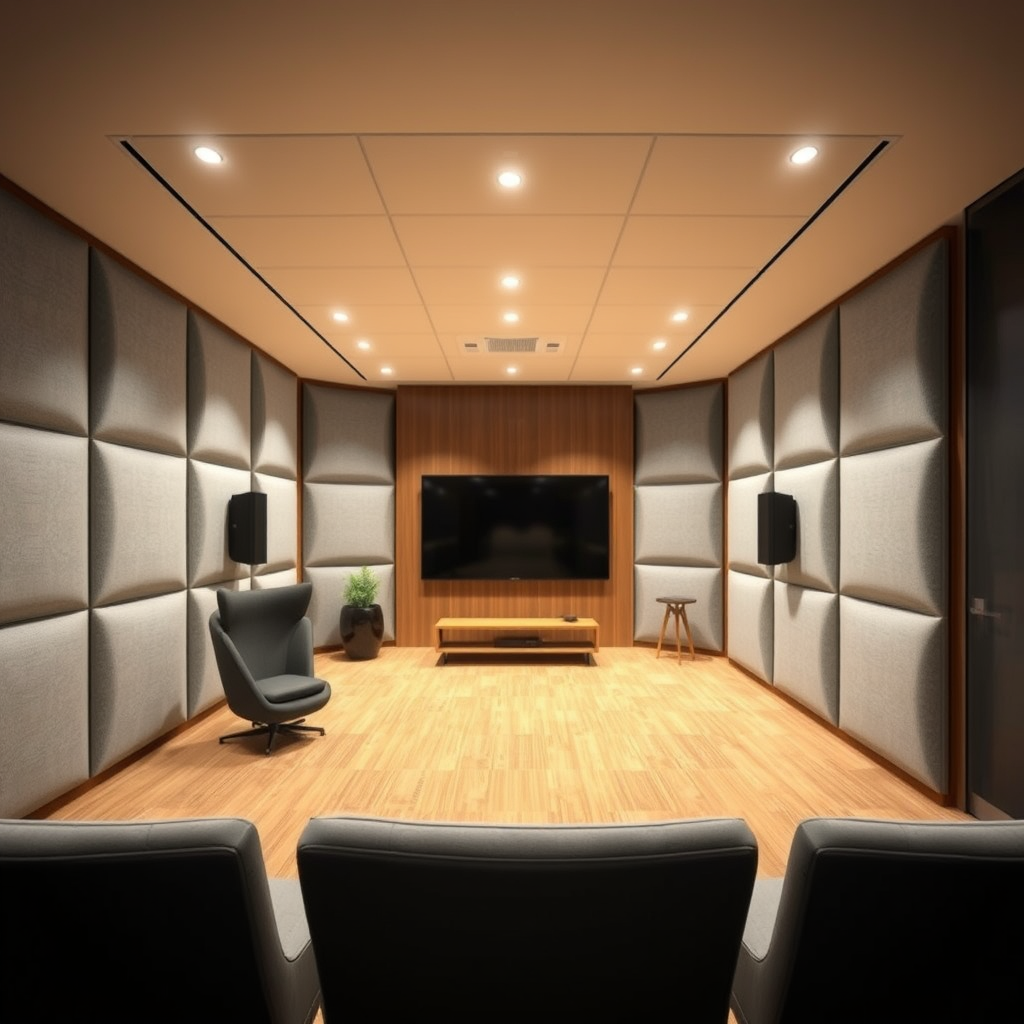
Acoustic panels are specially designed materials that absorb sound waves, effectively reducing echo and reverberation within a room. Their primary function is to improve the overall sound quality by minimizing unwanted noise that can be distracting or disruptive. Various materials, including foam, fabric, and fiberglass, provide different levels of sound absorption, each with unique properties that can suit different environments. For instance, foam panels are lightweight and easy to install, making them a popular choice for home studios, while fiberglass panels offer superior sound absorption, often favored in professional settings. By understanding the types and functions of these materials, you can make a more informed decision that aligns with your specific acoustic needs.
Assessing Your Space
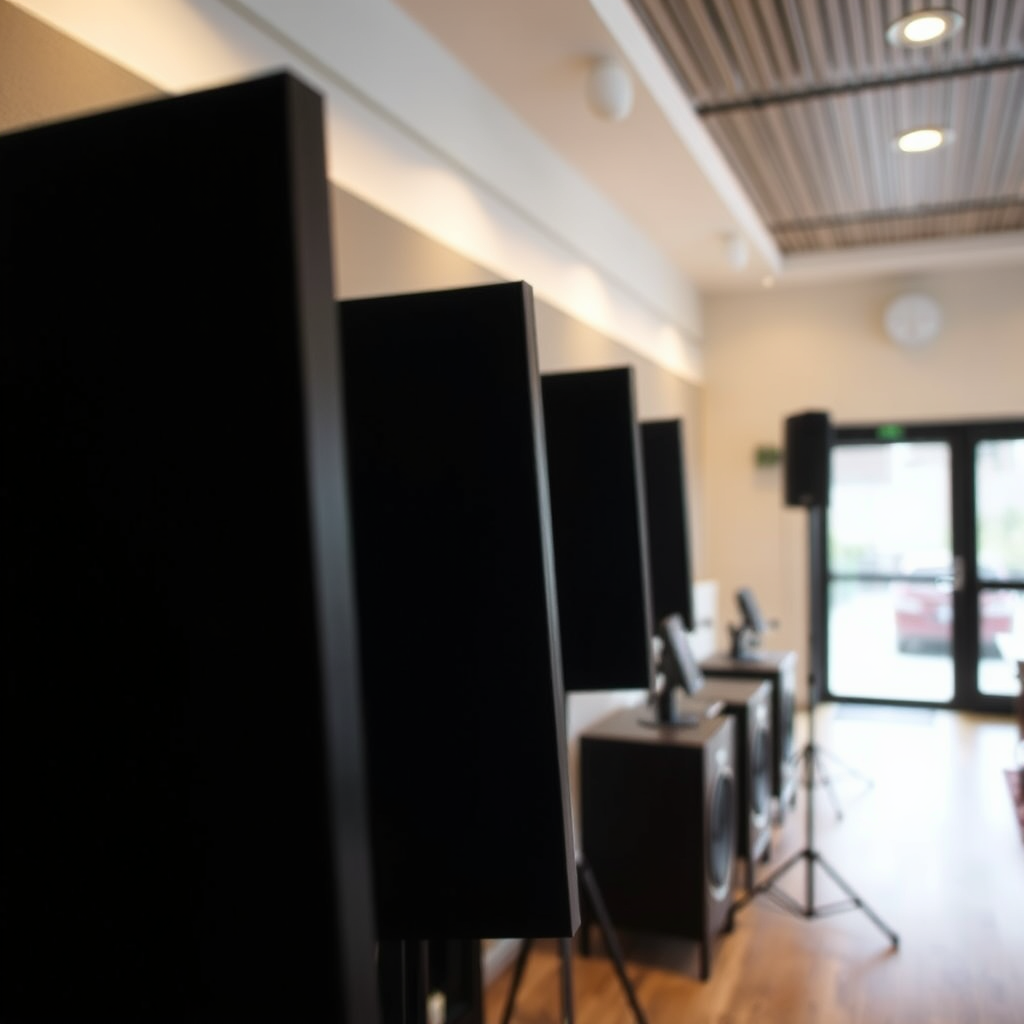
Before diving into the world of acoustic panels, it’s essential to evaluate the size and shape of your room to understand how sound travels within it. Factors like ceiling height, the presence of hard surfaces, and the overall layout can all influence sound dynamics. For example, a large, open space with high ceilings might require more extensive treatment compared to a smaller, carpeted room. Additionally, identify areas of high noise levels or specific issues such as strong echoes or persistent background noise. Use simple techniques, like clapping your hands in different parts of the room, to pinpoint where sound bounces the most. This assessment will help you target the most problematic areas and tailor your acoustic treatment accordingly.
Determining Panel Types
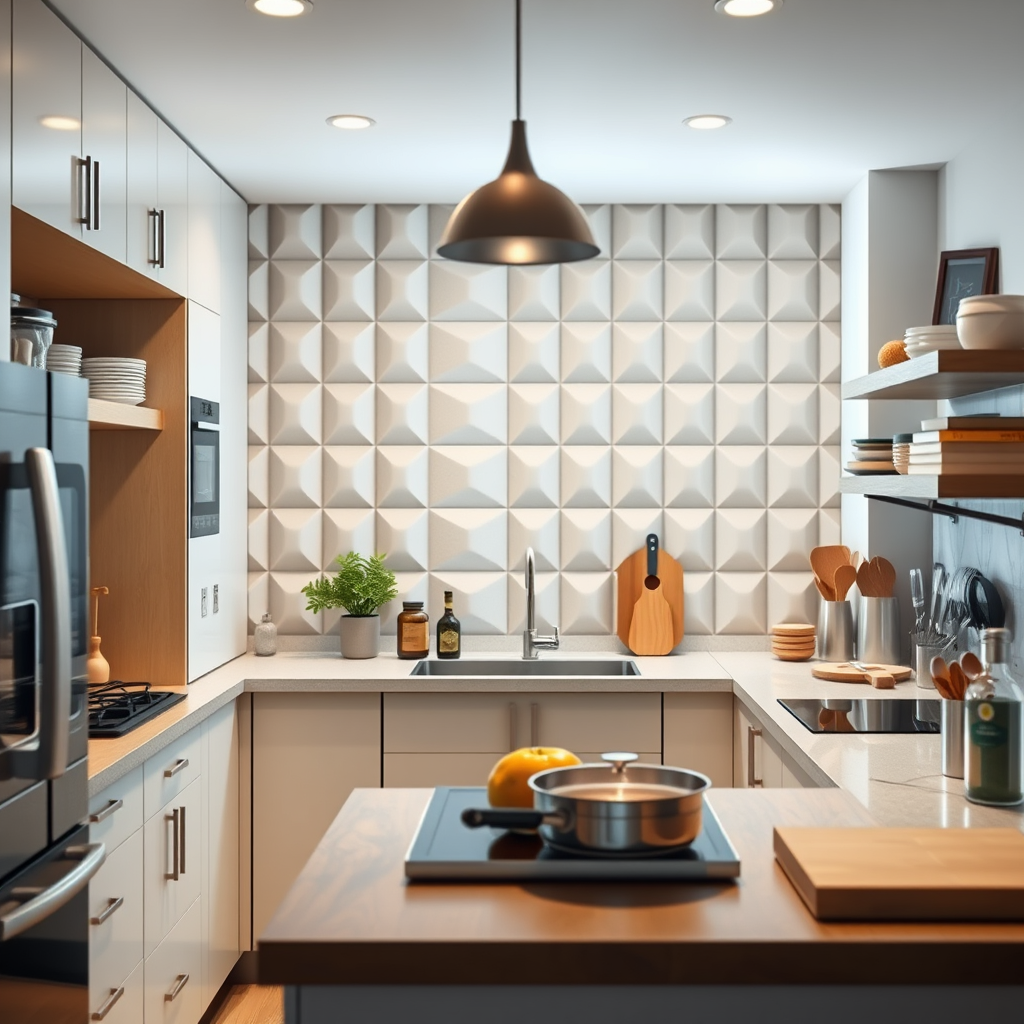
Acoustic panels come in various types, each suited for different applications and aesthetics. Wall-mounted panels are the most common and are typically used to cover large flat surfaces, helping to absorb sound waves directly. Ceiling-mounted panels can be effective for spaces with high ceilings or where wall space is limited. Portable options, like freestanding panels or soundproofing curtains, offer flexibility, allowing you to move them around based on where you need them most. Aesthetics are also an important consideration; many acoustic panels come in a variety of colors, patterns, and designs, so you can choose options that seamlessly integrate with your decor. For example, if you have an artistic space, you might opt for panels that double as artwork, enhancing both sound quality and visual appeal.
Measuring Acoustic Absorption
When selecting acoustic panels, it’s vital to understand the Noise Reduction Coefficient (NRC), a rating that indicates a panel’s effectiveness in absorbing sound. The NRC ranges from 0 to 1, with higher values indicating better sound absorption. For instance, a panel with an NRC of 0.9 absorbs 90% of the sound that hits it, making it an excellent choice for noisy environments. When shopping for acoustic panels, look for those with NRC ratings above 0.7 for a noticeable improvement in sound quality. Additionally, consider the specific frequencies you need to target; some panels are designed for particular sound ranges, so understanding your acoustic needs will guide your choice effectively.
Installation and Placement
Proper installation and placement of acoustic panels are crucial for maximizing their sound absorption capabilities. Ideally, panels should be placed at first reflection points, which are the spots where sound waves first bounce off a surface before reaching your ears. To find these points, sit in your primary listening position and have a friend move a mirror along the walls; wherever you can see the speakers in the mirror is a first reflection point. Additionally, corner bass traps can be incredibly beneficial in targeting low-frequency sounds that often accumulate in corners, further enhancing the overall acoustic treatment of the room. Be sure to follow the manufacturer’s installation guidelines for the best results and consider consulting with an acoustics professional if you’re unsure about placement.
Budgeting for Acoustic Treatment
Budgeting for acoustic panels can vary widely based on the quality and type of panels you choose. Determine your budget early on, considering both the cost of materials and any potential installation fees. While professional installation can provide a more polished finish, you may also find DIY options that fit your budget while still achieving effective sound treatment. For instance, you could create your own panels using affordable materials like rockwool or foam and fabric covers. Remember, investing in quality acoustic panels can provide long-term value by enhancing your environment’s sound quality and overall comfort, making it a worthwhile consideration.
Maintenance and Upkeep
To ensure your acoustic panels remain effective over time, it’s essential to understand how to care for and maintain them. Regular cleaning can prevent dust and dirt accumulation, which can hinder their performance. Most fabric-covered panels can be vacuumed gently or spot cleaned with mild detergent, while foam panels can often be wiped down with a damp cloth. Additionally, be mindful of when to replace panels; if you notice a significant decline in sound absorption or visible wear and tear, it may be time to consider an upgrade. Keeping your panels in good condition will help maintain a pleasant acoustic environment.
By understanding these key factors, you can make an informed decision when choosing the best acoustic panels for your needs. With the right selection, you’ll enjoy a more acoustically balanced environment, whether it’s for work or play. A well-treated space not only enhances sound quality but can also lead to increased productivity and enjoyment in your activities. So take the time to evaluate your space, explore your options, and invest in acoustic panels that work best for you!
Frequently Asked Questions
What are acoustic panels and how do they improve sound quality?
Acoustic panels are sound-absorbing materials designed to reduce echo and reverberation in a space, ultimately enhancing sound clarity. They are typically made from foam, fabric, or specialized materials that trap sound waves, making them ideal for environments like recording studios, home theaters, and open offices. By strategically placing acoustic panels, you can create a more pleasant auditory environment, significantly improving both music and speech intelligibility.
How do I determine the right thickness for acoustic panels?
The thickness of acoustic panels plays a crucial role in their sound absorption capabilities. Generally, panels that are 2 inches thick or more provide better low-frequency absorption, while thinner panels are effective for higher frequencies. To choose the best thickness, consider the specific sound issues you are facing in your space; thicker panels may be necessary for larger areas with lower frequencies, while thinner options may suffice for smaller rooms or higher frequency sounds.
Why are some acoustic panels more expensive than others?
The price of acoustic panels varies due to several factors including material quality, design, and brand reputation. Higher-end panels are often made from premium materials that offer superior sound absorption and durability, while cheaper options may sacrifice performance for cost. Additionally, panels with aesthetic features or custom designs typically command higher prices, but investing in quality can lead to better long-term sound management in your space.
Which types of acoustic panels are best for home studios?
For home studios, absorption panels made from high-density foam or mineral wool are ideal as they effectively dampen sound waves and reduce echo. Look for panels that are specifically designed for studio use, as they often have a higher NRC (Noise Reduction Coefficient) rating, indicating better sound absorption performance. Additionally, consider adding bass traps in corners to manage low-frequency sounds, ensuring an optimal recording environment.
How can I install acoustic panels effectively for maximum sound absorption?
To achieve maximum sound absorption, it’s essential to install acoustic panels at strategic points in your room, ideally at the first reflection points on walls and ceiling where sound bounces off. Use adhesive strips or mounting brackets for easy installation, and ensure panels are placed at ear level when seated, as this is where sound is most critical. Additionally, consider a combination of wall and ceiling panels to create a balanced acoustic environment, enhancing both sound quality and aesthetic appeal.
References
- Acoustic panel
- https://www.acousticalsociety.org/
- https://www.soundonsound.com/techniques/guide-acoustic-treatment
- https://www.researchgate.net/publication/327555837_Acoustic_panels_and_their_effect_on_sound_quality_in_rooms
- https://www.jstor.org/stable/10.5325/jacoustics.8.2.0121
- https://www.asa.org/asa/education/faq/hall-acoustics.html
- https://www.npr.org/sections/deceptivecadence/2016/08/12/489477340/the-science-of-soundproofing-how-to-make-your-home-a-quieter-place
- https://www.acoustics.com.au/education/understanding-acoustics-and-acoustic-panels/
