
Choosing the right car speakers can significantly enhance your driving experience by delivering high-quality sound that makes every journey more enjoyable. To make a well-informed decision, it’s essential to consider factors such as speaker types, size, power handling, and overall sound quality. This comprehensive guide will navigate you through these crucial aspects, ensuring you find the perfect speakers tailored to your needs and preferences.
Understanding Speaker Types
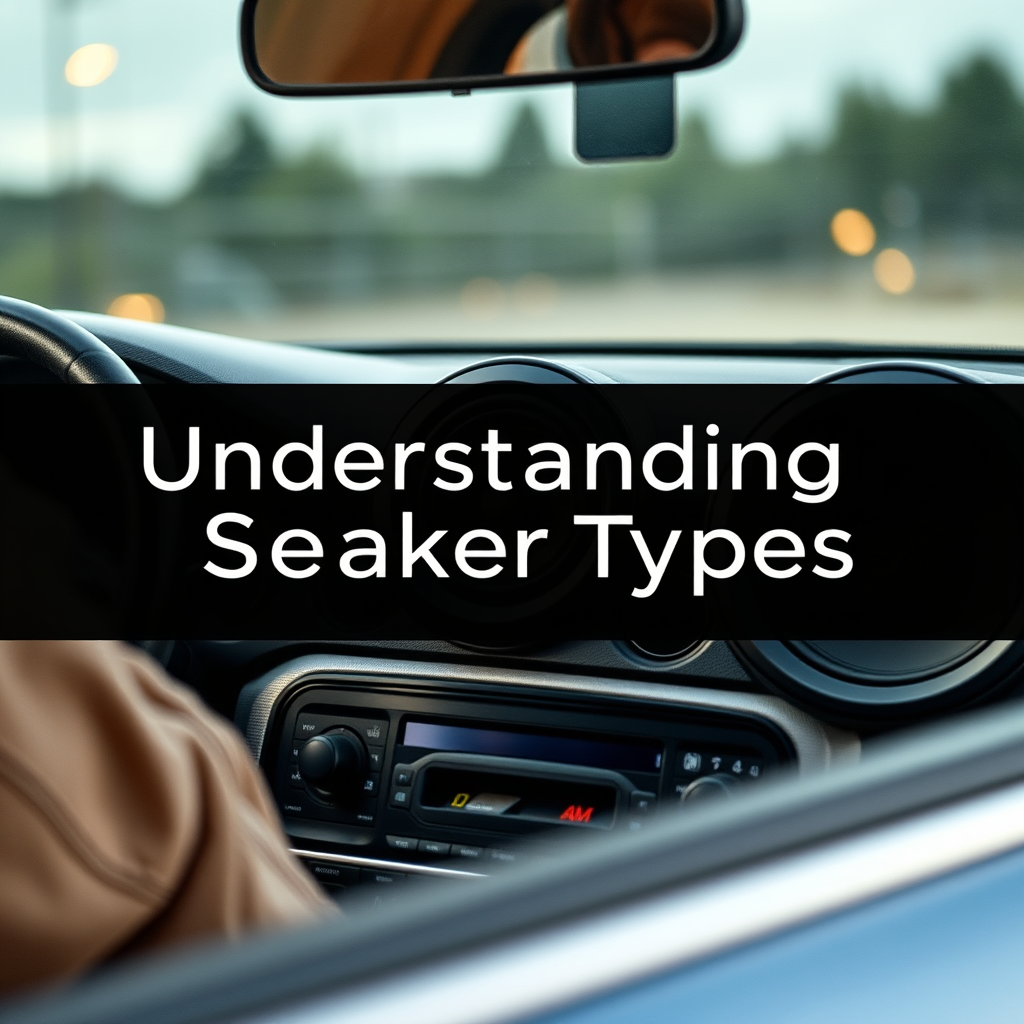
When it comes to car speakers, understanding the different types available is fundamental.
– Coaxial Speakers: These all-in-one speakers combine multiple speaker elements—woofers, tweeters, and sometimes even midrange drivers—into a single unit. They are generally easier to install, making them a popular choice for casual listeners. Coaxial speakers can provide decent sound quality, which is often sufficient for daily driving. They are an excellent option for those looking to upgrade their factory-installed speakers without diving deep into audio modifications.
– Component Speakers: For the audiophiles out there, component speakers are the way to go. These systems separate the woofers and tweeters, allowing for better sound staging and clarity. The distinct placement of these components can create a more immersive listening experience, making it easier to distinguish between different instruments and vocals. However, component speakers typically require more installation effort and may come at a higher price point. If sound quality is your top priority, investing in a component speaker system will be well worth it.
Assessing Speaker Size
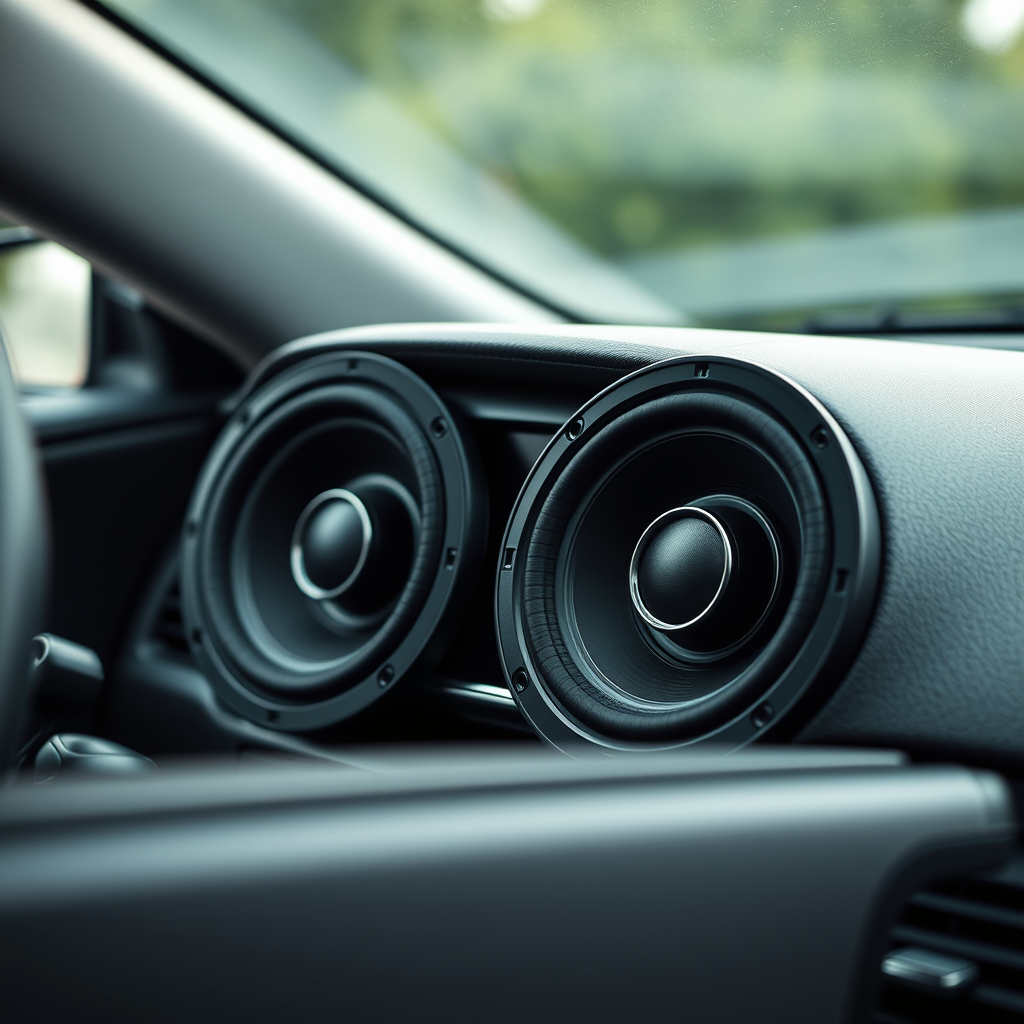
Speaker size is another crucial factor that can greatly affect the sound quality in your vehicle.
– Fitment: Before purchasing speakers, always check the specifications of your vehicle to ensure the speakers will fit in the designated mounting spaces. Many cars have standard sizes, such as 6.5-inch or 6×9-inch speakers. However, some vehicles may require specific sizes that can complicate installation. If you’re unsure, consult your vehicle’s manual or seek advice from a professional.
– Sound Dynamics: Larger speakers typically excel at producing deeper bass thanks to their bigger cones, making them ideal for genres like hip-hop or electronic music. Conversely, smaller speakers often shine in higher frequency ranges, providing clearer sound for vocal-heavy tracks or acoustic music. Finding the right balance will depend on your listening preferences and the type of music you enjoy.
Evaluating Power Handling
Understanding how power handling works is essential for selecting speakers that can deliver the performance you desire.
– RMS vs. Peak Power: It’s vital to focus on the RMS (Root Mean Square) rating of the speakers, as this indicates the continuous power level they can handle without distortion. While peak power ratings may seem impressive, they only reflect the maximum level the speakers can endure for a brief moment. A good RMS rating ensures consistent sound quality and longevity of the speakers.
– Amplifier Compatibility: Consider how your new speakers will work with your car’s amplifier. If you’re using an aftermarket amplifier, ensure that the power output matches the speakers’ RMS ratings. This compatibility is essential for optimal performance and to prevent damage to either component.
Sound Quality Considerations
When it comes to sound quality, several factors can influence your listening experience.
– Frequency Response: A wider frequency range is crucial for better sound reproduction across all audio elements. Look for speakers that can handle a low range of around 20 Hz for rich bass, while also reaching up to 20 kHz or higher for crisp treble sounds. This range ensures that you can enjoy the full spectrum of sound in your favorite tracks.
– Sensitivity Rating: Sensitivity ratings indicate how efficiently speakers convert power into sound. A higher sensitivity rating means speakers can produce more sound with less power, making them ideal for use with factory-installed head units or lower-powered amplifiers. Look for speakers with a sensitivity rating above 90 dB for an efficient sound experience.
Material and Build Quality
The materials used in car speakers can significantly impact their durability and sound quality.
– Cone Materials: The cone is a critical component of any speaker, directly affecting its ability to produce sound. Materials like polypropylene or carbon fiber are durable and lightweight, making them excellent choices for speakers. They can withstand wear and tear while delivering high-quality audio. Avoid paper cones, as they are less durable and more susceptible to damage from moisture.
– Surround Types: The surround material is equally important, as it helps keep the cone in place while allowing it to move freely. Rubber surrounds tend to be more durable and provide better sound quality compared to foam options, which can deteriorate over time. Choosing speakers with rubber surrounds will ensure longevity and superior performance.
Installation Options
Deciding on how to install your new speakers is another important step in the process.
– DIY vs. Professional: If you’re handy and enjoy working on your vehicle, installing your speakers yourself can be a rewarding experience. However, if you’re not confident in your skills or if the installation seems complicated, hiring a professional can save you time and potential headaches. A professional installer will ensure that everything is set up correctly and safely, allowing you to enjoy your new speakers without worry.
– Wiring and Accessories: Ensure you have all necessary wiring harnesses, mounting brackets, and tools before starting the installation. Some car models may require additional adapters or modifications to accommodate new speakers, so doing a bit of research beforehand can help streamline the process.
Budgeting for Your Purchase
Setting a budget is an important part of your speaker selection process.
– Setting a Budget: Determine how much you are willing to spend on new speakers without compromising on quality. Prices can vary significantly based on speaker type, brand, and features. A realistic budget will help you narrow down your options while ensuring you don’t overspend.
– Cost vs. Quality: Investing in reputable brands with a good track record for sound quality is essential. While you may find cheaper options, they might not deliver the performance you desire. Striking a balance between cost and quality will ensure you get the best value for your money.
Choosing the right car speakers involves a careful consideration of various factors, including type, size, power handling, and sound quality. By assessing these aspects and setting a budget, you can confidently select speakers that enhance your driving experience. Don’t hesitate to explore different options, listen to samples if possible, and seek expert advice if needed. With the right speakers, you’ll transform every drive into a delightful auditory journey.
Frequently Asked Questions
What factors should I consider when choosing car speakers?
When selecting car speakers, consider factors such as speaker type (coaxial vs. component), power handling capacity, sensitivity rating, and the size of the speakers. Coaxial speakers are generally easier to install and more affordable, while component speakers offer superior sound quality but may require more complex installation. Additionally, ensure that the speakers fit your vehicle’s dimensions and that their power handling aligns with your car’s audio system for optimal performance.
How do I determine the right size of speakers for my car?
To determine the right size of speakers for your car, you should consult your vehicle’s owner manual or measure the factory speaker dimensions. Car speakers typically come in standard sizes, such as 6.5 inches or 6×9 inches, and it’s crucial to match these sizes for a proper fit. Additionally, consider the depth of the speaker; inadequate space can lead to installation issues and affect sound quality.
Why is speaker sensitivity important when selecting car speakers?
Speaker sensitivity, measured in decibels (dB), indicates how efficiently a speaker converts power into sound. Higher sensitivity ratings mean that speakers can produce more sound from a given amount of power, making them ideal for low-powered factory head units. If you’re upgrading your car audio system and plan to use an amplifier, lower sensitivity speakers may still perform well, but understanding sensitivity helps you match speakers to your audio system for the best sound experience.
What is the difference between coaxial and component speakers, and which is better for my car?
Coaxial speakers, also known as full-range speakers, combine multiple speaker elements (like woofer and tweeter) into one unit, providing a more compact and easier installation option. Component speakers, on the other hand, separate these elements for improved sound quality and audio separation. If you’re looking for convenience and a budget-friendly option, coaxial speakers are a great choice. However, if you prioritize sound quality and have the budget for installation, component speakers are generally considered better.
Which brands are known for producing high-quality car speakers?
Some of the most reputable brands for high-quality car speakers include JBL, Alpine, Pioneer, and Rockford Fosgate. These brands are recognized for their durability, sound clarity, and innovative technology. When selecting speakers, it’s essential to read customer reviews and expert opinions to find a model that fits your specific audio needs and budget, ensuring you invest in reliable and high-performing speakers for your vehicle.
References
- Loudspeaker
- https://www.soundguys.com/car-audio-guide-21784/
- https://www.edmunds.com/car-tech/how-to-choose-the-right-car-audio-system.html
- https://www.caranddriver.com/reviews/a15104541/best-car-speakers-2017/
- https://www.consumerreports.org/cro/news/2015/05/how-to-choose-the-right-car-audio-system/index.htm
- https://www.techhive.com/article/2984904/how-to-choose-the-best-car-speakers.html
- https://www.crutchfield.com/S-NkSg7ZtWb4D/learn/what-to-know-about-car-audio-speakers.html