
Connecting your smart TV to a wireless surround sound system can significantly enhance your home entertainment experience. By following a few straightforward steps, you can pair your devices and optimize audio settings to achieve immersive sound. This guide provides a detailed walkthrough, ensuring you get the most out of your audio setup.
Understanding Your Smart TV and Surround Sound System
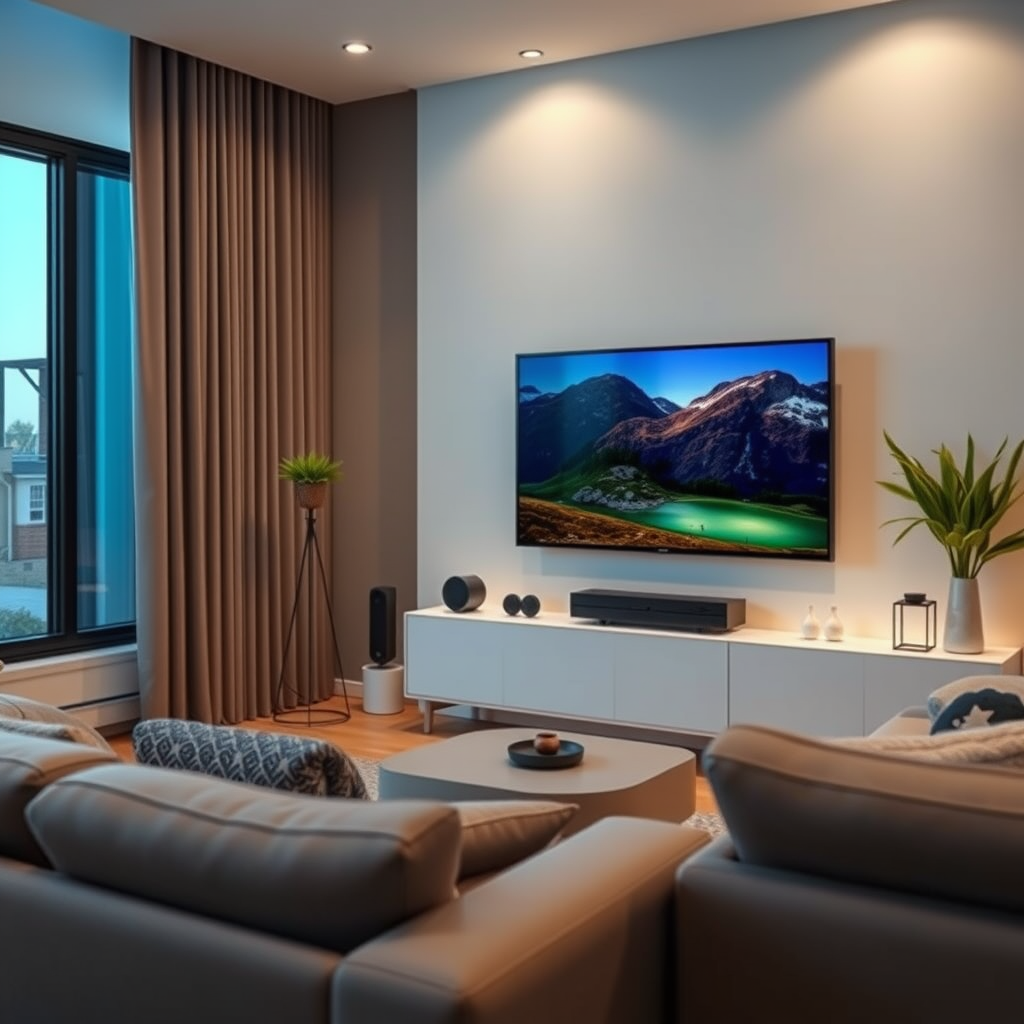
To begin, it’s essential to understand the types of wireless connections your devices support. Most modern smart TVs and surround sound systems utilize two primary connection methods: Bluetooth and Wi-Fi. Bluetooth offers a simple, short-range connection suitable for quick setups, while Wi-Fi allows for high-quality audio streaming over greater distances, providing more flexibility in device placement.
Additionally, familiarize yourself with your TV’s audio settings and the features of your surround sound system. Look for specifications such as Dolby Atmos support, multi-channel audio capabilities, and any proprietary technologies that may enhance connectivity and performance. Understanding these features will help you make informed choices during the setup process.
Preparing Your Devices

Before diving into the connection process, ensure that both your smart TV and wireless surround sound system are powered on. Check that they are within range of each other to avoid any connectivity issues. It is also advisable to update the firmware of both devices. Firmware updates often enhance compatibility, improve functionality, and fix known bugs, ensuring the best performance for your setup.
To check for updates, navigate to the settings menu on both devices. For smart TVs, this is usually located under “About” or “System Update.” For surround sound systems, consult the manufacturer’s website or user manual for specific instructions on updating firmware.
Connecting via Bluetooth
Connecting your smart TV to a wireless surround sound system via Bluetooth is a straightforward process. Begin by accessing the Bluetooth settings on your smart TV. This can typically be found under the “Settings” menu, often under “Sound” or “Connections.”
Once in the Bluetooth settings, ensure that Bluetooth is enabled. Your TV will then scan for available devices. Select your surround sound system from the list of detected devices. You may be prompted to enter a pairing code, which is usually provided in the user manual or displayed on the device itself. Once paired, your TV should automatically route audio to the surround sound system.
Connecting via Wi-Fi
For a more robust audio experience, you may opt to connect your devices via Wi-Fi. Begin by using your TV’s network settings to connect to the same Wi-Fi network as your surround sound system. This is crucial, as both devices must be on the same network to communicate effectively.
Once connected, follow the manufacturer’s instructions for enabling wireless audio transmission. Some systems may require you to download a companion app to facilitate the connection, while others may automatically recognize the TV once the network connection is established. Check the audio settings on your smart TV to ensure it is outputting sound to your surround sound system.
Top Features of Wireless Surround Sound Systems (2024)
| # | Feature | Dolby Atmos | Multi-Room | Voice Control | App Control |
|---|---|---|---|---|---|
| 1 | Sonos Arc | Yes | Yes | Yes | Yes |
| 2 | Bose Soundbar 700 | No | Yes | Yes | Yes |
| 3 | Samsung HW-Q950A | Yes | Yes | Yes | No |
| 4 | LG SN11RG | Yes | Yes | Yes | Yes |
| 5 | Yamaha YAS-209 | No | No | Yes | Yes |
| 6 | Vizio SB36512-F6 | Yes | Yes | No | Yes |
| 7 | Sonos Beam | No | No | Yes | Yes |
Optimizing Audio Settings
Once your devices are successfully connected, it’s time to optimize the audio settings for the best listening experience. Start by adjusting the sound settings on your smart TV to ensure audio is routed to the surround sound system. This may involve selecting the specific output device in the audio settings menu.
Experiment with different sound modes and equalizer settings. Most smart TVs offer preset audio profiles, such as “Movie,” “Music,” and “Speech,” which can enhance clarity and depth depending on what you’re watching. Additionally, if your surround sound system has its own app, check for further customizations that can fine-tune the audio output.
It may also be beneficial to engage any surround sound processing features available on your system to create a more immersive audio experience. This can include features like Dolby Surround or DTS, which can enhance the spatial quality of sound.
Troubleshooting Common Issues
If you encounter issues where the audio is not playing through the surround sound system, begin by checking the connectivity. Ensure that both devices remain connected to the same network and that Bluetooth is still enabled if using that method. Sometimes, resetting the Bluetooth connection or reestablishing the Wi-Fi connection can resolve the issue.
If problems persist, consult the user manuals for specific troubleshooting steps related to your models. Other common issues may include audio lag, which can often be fixed by adjusting audio delay settings in your TV or sound system menu. Remember that occasional software updates may introduce new features or fix existing bugs, so maintaining up-to-date firmware is crucial.
Audio Output Formats Supported by Surround Sound Systems
Enjoying Your Home Theater Experience
After successfully connecting your smart TV to a wireless surround sound system, it’s time to immerse yourself in a cinematic experience at home. Explore various audio settings and features that your surround sound system offers. For instance, many systems have different sound profiles tailored to different content types, such as sports, movies, or music, which can enhance your experience.
Consider integrating smart assistants into your setup for added convenience. Voice control capabilities allow you to adjust volume levels, switch devices, or even change audio settings without needing to navigate through menus. This not only elevates your user experience but also adds a modern touch to your home entertainment system.
In addition, try out different audio sources, such as streaming services and gaming consoles, to fully utilize your surround sound system’s capabilities. The combination of high-definition video from your smart TV and surround sound can create a captivating home theater environment.
In conclusion, connecting your smart TV to a wireless surround sound system is a rewarding endeavor that transforms your viewing experience. By understanding the necessary steps to prepare your devices, connect via Bluetooth or Wi-Fi, and optimize audio settings, you can troubleshoot any issues that arise and ensure a smooth setup. With the right configuration, you will enjoy an immersive sound experience that enhances all your favorite movies, shows, and music. For further tips on optimizing your home theater setup, consider consulting additional resources or seeking expert advice.
Frequently Asked Questions
How do I connect my smart TV to a wireless surround sound system?
To connect your smart TV to a wireless surround sound system, first ensure both devices are powered on. Access the TV’s settings menu, navigate to the audio settings, and select the option to pair or connect to a Bluetooth audio device. Follow the prompts to find and select your wireless surround sound system, ensuring that it is in pairing mode.
What are the benefits of using a wireless surround sound system with my smart TV?
Using a wireless surround sound system with your smart TV enhances your audio experience by providing immersive sound effects and clearer dialogue. It eliminates the clutter of wires, making your setup more aesthetically pleasing and easier to manage. Additionally, many wireless systems offer advanced features like Dolby Atmos support for a more cinematic experience.
Why is my smart TV not detecting my wireless surround sound system?
If your smart TV is not detecting your wireless surround sound system, first check that both devices are within range and powered on. Ensure that Bluetooth is enabled on your TV and that the surround sound system is in pairing mode. If the problem persists, try restarting both devices and ensure there are no other Bluetooth devices connected that could interfere with the pairing process.
What is the best wireless surround sound system for my smart TV?
The best wireless surround sound system for your smart TV depends on your budget and specific needs. Popular options include the Sonos Arc for its exceptional audio quality and integration with smart home systems, or the Bose Soundbar 700 for its sleek design and rich sound. Consider factors such as compatibility, sound quality, and additional features like voice control when making your choice.
Which audio settings should I adjust after connecting my smart TV to a wireless surround sound system?
After connecting your smart TV to a wireless surround sound system, adjust the audio settings to ensure optimal sound quality. Set the audio output to the surround sound system, enable any surround sound modes available, and adjust the volume levels to balance dialogue and effects. Additionally, check for any equalizer settings to fine-tune the sound to your preference.
References
- https://www.lifewire.com/how-to-connect-smart-tv-to-wireless-speakers-4686022
https://www.lifewire.com/how-to-connect-smart-tv-to-wireless-speakers-4686022 - Google Scholar Google Scholar
https://scholar.google.com/scholar?q=Connect+Smart+TV+to+Wireless+Surround+Sound - Google Scholar Google Scholar
https://scholar.google.com/scholar?q=Smart+TV+Wireless+Audio+Setup - Google Scholar Google Scholar
https://scholar.google.com/scholar?q=Wireless+Surround+Sound+System+for+Smart+TV - Google Scholar Google Scholar
https://scholar.google.com/scholar?q=How+to+Connect+Your+Smart+TV+to+a+Wireless+Surround+Sound+System - How to Connect Your Smart TV to a Wireless Surround Sound System – Search results
https://en.wikipedia.org/wiki/Special:Search?search=How+to+Connect+Your+Smart+TV+to+a+Wireless+Surround+Sound+System - https://www.ncbi.nlm.nih.gov/search/research-articles/?term=How+to+Connect+Your+Smart+TV+to+a+Wireless+Surround+Sound+System
https://www.ncbi.nlm.nih.gov/search/research-articles/?term=How+to+Connect+Your+Smart+TV+to+a+Wireless+Surround+Sound+System