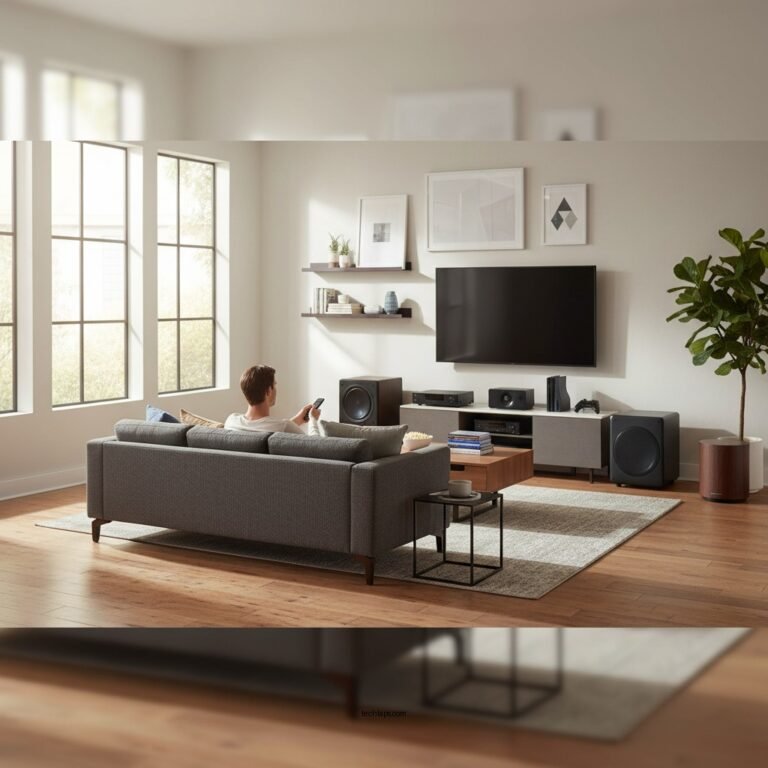

Dealing with audio phasing issues in home audio setups often requires careful speaker placement and adjustments to your audio settings. Understanding how sound waves interact can significantly enhance your listening experience. In this article, you will learn effective strategies to identify and resolve phasing problems in your audio system.
Understanding Audio Phasing
Audio phasing occurs when sound waves from multiple sources interfere with each other, causing cancellations or amplifications in certain frequencies. This phenomenon can be particularly troublesome in home audio setups where multiple speakers are involved. When sound waves collide, they can either add together (constructive interference) or cancel each other out (destructive interference), leading to a distorted audio experience. Common signs of phasing issues include a hollow sound or a lack of bass response in your audio. Recognizing these symptoms is the first step in addressing the problem and ensuring a more balanced auditory environment.
Identifying Phasing Issues
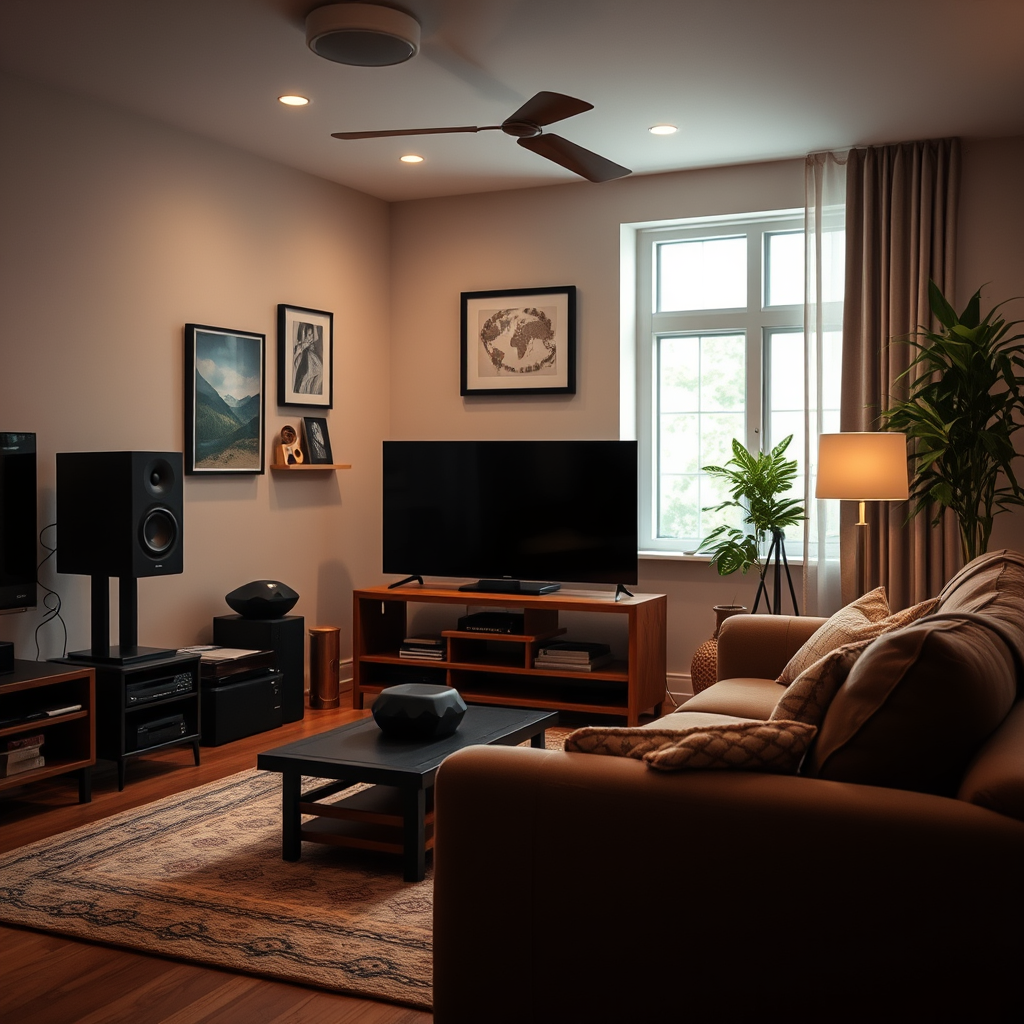
Identifying phasing issues in your audio setup is crucial for implementation of effective solutions. Utilizing test tones or audio analysis tools can help pinpoint areas where sound quality is lacking. For instance, a frequency sweep can reveal which frequencies are being canceled out due to phasing. Pay attention to the spatial positioning of speakers and how they interact with one another. When speakers are placed too close together or at improper angles, the likelihood of phasing increases. Additionally, a simple way to identify problems is by listening critically to your audio setup with various tracks. Note any inconsistencies across different genres, which can indicate specific phasing problems.
Speaker Placement Techniques
Top Factors Impacting Audio Phasing in Home Setups
| # | Factor | Impact Level | Recommended Distance |
|---|---|---|---|
| 1 | Speaker Distance | High | 2-3 ft |
| 2 | Speaker Angle | Medium | 30°-45° |
| 3 | Room Dimensions | High | N/A |
| 4 | Wall Reflections | High | 1-2 ft |
| 5 | Subwoofer Position | Medium | 1-3 ft |
| 6 | Listening Height | Low | Ear Level |
| 7 | Type of Speakers | Medium | N/A |
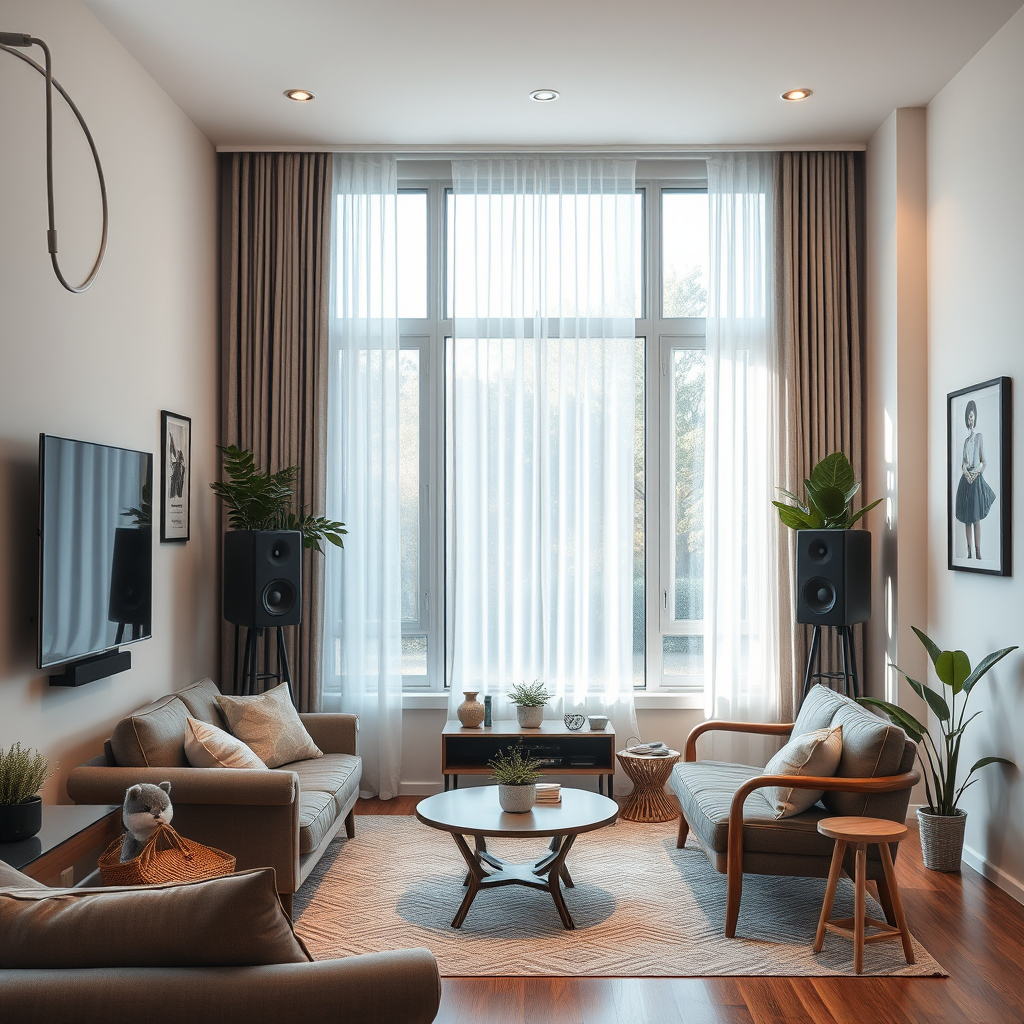
Experimenting with speaker distances from walls and each other is essential to minimize phasing effects. It is advisable to keep speakers at least a couple of feet away from walls, as this allows sound waves to propagate freely without unwanted reflections. Furthermore, consider the listening position and test different setups to find the optimal arrangement. For example, the “equilateral triangle” setup, where the speakers and the listener form a triangle, is a commonly recommended practice for optimal sound staging.
Adjusting Audio Settings
Utilizing equalization settings on your audio equipment is another effective strategy to balance frequencies affected by phasing. Most audio receivers and digital audio workstations (DAWs) come equipped with equalizers that allow you to boost or cut specific frequencies. By adjusting these settings, you can compensate for frequencies that are being canceled out due to phase interference. Implementing delays or phase adjustments within your audio software is also crucial for aligning sound waves more effectively. Many DAWs offer phase inversion options, which can help align signals from multiple speakers, leading to a more coherent sound.
Utilizing Acoustic Treatments
Introducing acoustic panels or bass traps to your room can significantly help manage sound reflections that contribute to phasing issues. These treatments absorb sound and reduce echo, allowing for clearer sound reproduction. Acoustic panels are effective in controlling mid to high frequencies, while bass traps are designed to address low-frequency build-up. Soft furnishings like carpets, curtains, and upholstered furniture can also play a role in absorbing sound, further improving overall sound clarity. Implementing these treatments can create a more controlled acoustic environment, which is essential for achieving optimal audio quality.
Testing and Fine-Tuning
After implementing changes to your setup, conducting thorough listening tests with a variety of audio tracks is essential to ensure improvements. Use different genres, as each may highlight different aspects of your audio system. Pay attention to the clarity, depth, and overall balance of the sound. Continually fine-tune your setup based on your observations, as small adjustments can lead to significant improvements. Regularly revisiting your audio settings and speaker placements can help maintain an optimal listening environment, allowing for an enriched audio experience.
Common Audio Phasing Issues and Their Solutions
Improving audio phasing in your home setup can transform your listening experience, making it more immersive and enjoyable. By understanding sound interactions, adjusting speaker placements, and utilizing acoustic treatments, you can effectively address common phasing issues. Take the first step today by analyzing your current setup and implementing these strategies for a better audio experience. Regularly revisiting and optimizing your audio environment can lead to superior sound quality and a more satisfying listening experience.
Frequently Asked Questions
What causes audio phasing issues in home audio setups?
Audio phasing issues in home audio setups are primarily caused by the timing differences between multiple sound sources, such as speakers or microphones. When sound waves from these sources overlap but are out of sync, they can cancel each other out or create a hollow sound. This phenomenon can be exacerbated by poor speaker placement, room acoustics, or using multiple microphones without proper phase alignment.
How can I identify audio phasing issues in my home audio system?
To identify audio phasing issues in your home audio system, listen for a lack of clarity or a hollow sound when playing music or audio content. Additionally, you can use tools like a phase meter or an audio analysis software to visually check the alignment of the waveforms. If you notice significant differences in waveforms that don’t sync up, it likely indicates phasing problems.
Why is speaker placement important in preventing audio phasing issues?
Speaker placement is crucial in preventing audio phasing issues because the distance between speakers and the listener affects the timing of sound waves. If speakers are positioned too close together or at uneven angles, sound waves may reach the listener’s ears at different times, causing phase cancellation. Properly positioning your speakers can enhance coherence and improve overall sound quality.
What are the best practices for resolving audio phasing issues?
The best practices for resolving audio phasing issues include adjusting speaker placement for optimal distance and angle, using a single microphone for recording when possible, and employing phase alignment tools or plugins in your audio software. Additionally, experimenting with delay settings on your audio equipment can help sync sound waves and reduce phase cancellation, ensuring a balanced listening experience.
Which types of audio equipment are most prone to phasing issues?
Audio equipment that is most prone to phasing issues includes multiple microphones used in recording setups, stereo speakers in home theaters, and subwoofers that may be out of phase with main speakers. Additionally, using different brands or models of speakers can lead to inconsistencies in sound reproduction, making phase alignment more challenging. Understanding your equipment and how they interact can help mitigate these issues.
References
- https://en.wikipedia.org/wiki/Audio_phasing
https://en.wikipedia.org/wiki/Audio_phasing - https://www.ncbi.nlm.nih.gov/pmc/articles/PMC6132653/
https://www.ncbi.nlm.nih.gov/pmc/articles/PMC6132653/ - https://www.sciencedirect.com/topics/engineering/audio-phase
https://www.sciencedirect.com/topics/engineering/audio-phase - https://www.bbc.com/future/article/20200729-the-sound-of-phonics-what-is-audio-phasing
https://www.bbc.com/future/article/20200729-the-sound-of-phonics-what-is-audio-phasing - https://www.hindawi.com/journals/jece/2020/8825351/
https://www.hindawi.com/journals/jece/2020/8825351/ - Google Scholar Google Scholar
https://scholar.google.com/scholar?q=Audio+Phasing+Issues+in+Home+Audio+Setups - Google Scholar Google Scholar
https://scholar.google.com/scholar?q=Dealing+with+Audio+Phasing+in+Home+Audio - Google Scholar Google Scholar
https://scholar.google.com/scholar?q=Audio+Phase+Problems+in+Home+Theater+Systems - Google Scholar Google Scholar
https://scholar.google.com/scholar?q=Dealing+with+Audio+Phasing+Issues+in+Home+Audio+Setups - Dealing with Audio Phasing Issues in Home Audio Setups – Search results
https://en.wikipedia.org/wiki/Special:Search?search=Dealing+with+Audio+Phasing+Issues+in+Home+Audio+Setups