
Improving room acoustics is crucial for achieving superior sound quality in environments such as home theaters, music studios, or even in everyday living spaces. By strategically altering the room’s design and incorporating specific acoustic materials, you can significantly enhance the clarity and richness of sound. This article will guide you through effective techniques to optimize your room acoustics, resulting in a more enjoyable auditory experience.
Understanding Room Acoustics
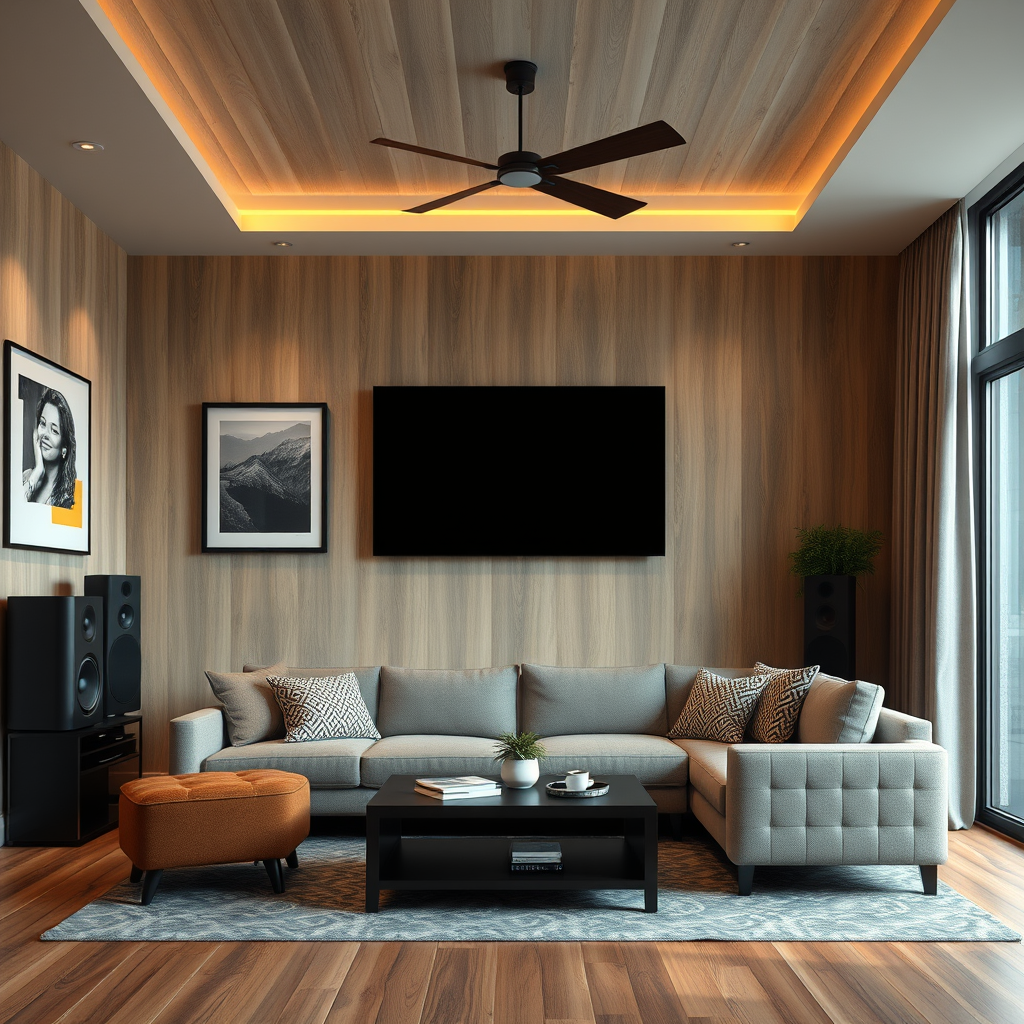
Room acoustics refers to how sound waves interact with the physical characteristics of a space. Sound waves are produced by vibrations, traveling through the air and bouncing off surfaces such as walls, ceilings, and floors. This interaction can either enhance or degrade sound quality, depending on the room’s design and materials.
Certain surfaces, like concrete or glass, reflect sound waves, leading to echoes and reverberation, while softer materials, such as fabric or foam, absorb sound, reducing noise levels and enhancing clarity. The dimensions and layout of the room also play a significant role; larger rooms tend to have longer reverberation times, while smaller spaces may create a more intimate sound. Understanding these principles is crucial for anyone looking to improve their sound environment.
Identifying Acoustic Problems
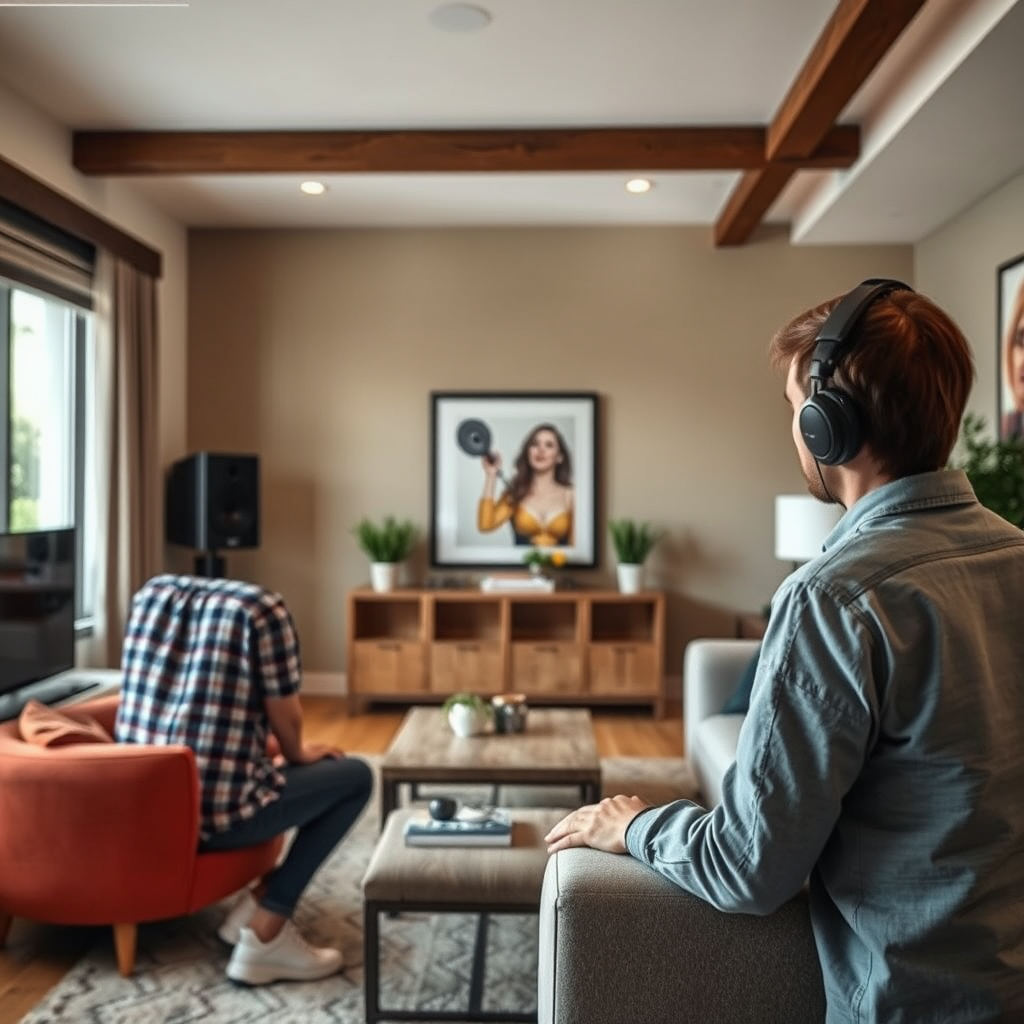
Before you can enhance your room’s acoustics, it’s important to identify any existing acoustic problems. Common issues include echoes, sound distortion, and uneven audio distribution. A simple method to assess your room is the “clap test.” Stand in different areas of the room and clap your hands. Listen for any echo or prolonged reverberation, which indicates excessive reflection.
You may also notice that certain frequencies sound louder or more muted in different parts of the room. This unevenness can stem from the room’s shape, furniture placement, and surface materials. Identifying these acoustic challenges is the first step toward creating a more balanced sound environment.
Utilizing Absorption Materials
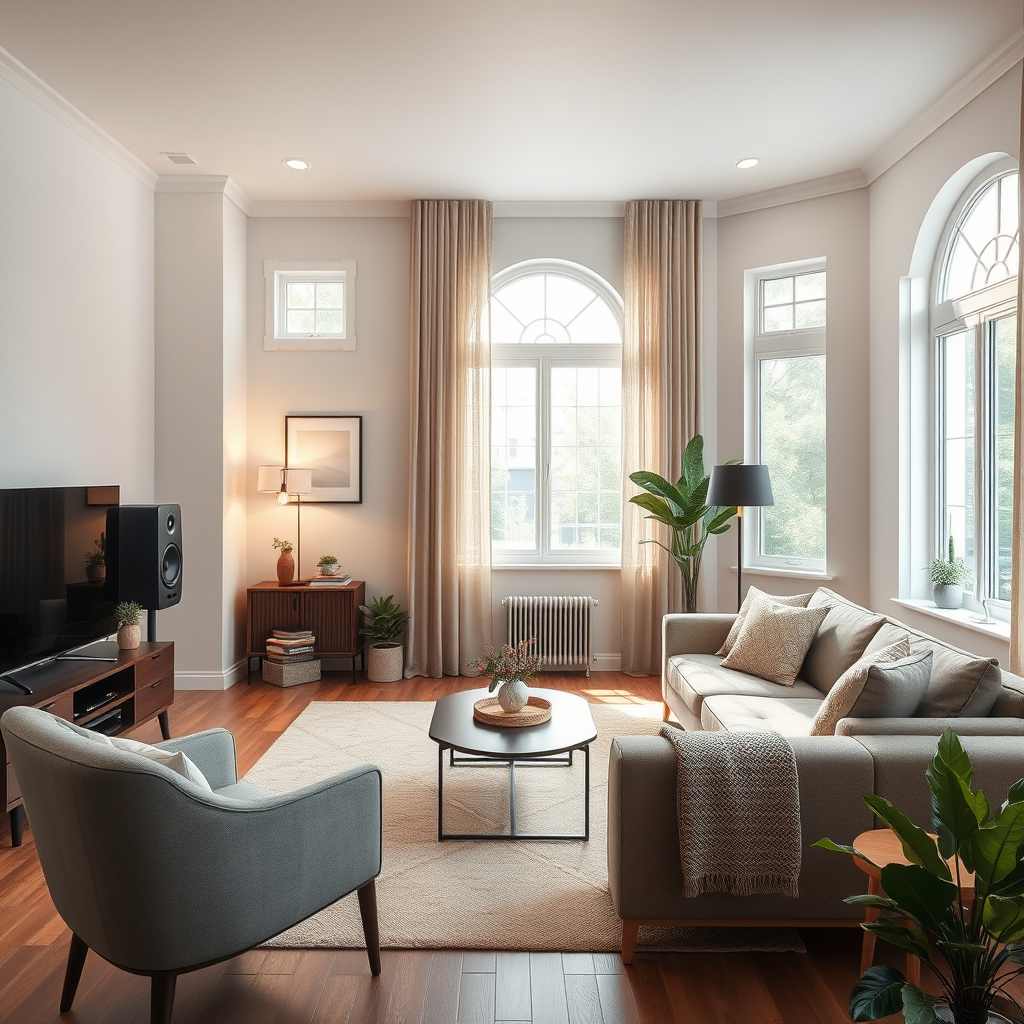
One of the most effective ways to enhance room acoustics is by incorporating absorption materials. These materials are designed to reduce sound reflections and minimize noise levels. Common options include acoustic foam panels, carpeting, heavy curtains, and upholstered furniture.
When placing these materials, consider the most reflective surfaces first. For instance, wall-mounted foam panels can be strategically located at first reflection points—areas where sound from speakers first bounces off the walls before reaching your ears. Carpeting can help absorb sound on the floor, while heavy drapes can reduce noise from windows.
📋 DATA
Top Acoustic Treatment Materials (2024)
| # | Material | Effectiveness (%) | Cost ($/sq ft) | Installation Ease |
|---|---|---|---|---|
| 1 | Acoustic Foam Panels | 85% | 1.50 | Easy |
| 2 | Heavy Curtains | 70% | 2.00 | Moderate |
| 3 | Carpets | 75% | 1.25 | Easy |
| 4 | Upholstered Furniture | 60% | 3.00 | Moderate |
| 5 | Acoustic Panels | 80% | 2.50 | Moderate |
| 6 | Mass Loaded Vinyl | 90% | 4.00 | Difficult |
Incorporating Diffusion Techniques
While absorption helps to minimize sound reflections, diffusion is equally important in creating a balanced acoustic environment. Diffusers scatter sound waves, helping to distribute sound evenly throughout the room. This reduces the harshness of echoes while maintaining the liveliness of the sound.
There are various types of diffusers, including wall-mounted options and bookshelf arrangements. Bookshelves filled with books of varying sizes can act as effective diffusers, breaking up sound waves in unpredictable ways. Alternatively, specialized acoustic diffusers can be installed on walls or ceilings to optimize sound distribution.
Soundproofing Strategies
Soundproofing is a critical aspect of improving room acoustics, especially in environments where external noise can disrupt audio quality. Effective soundproofing methods include sealing gaps around doors and windows, adding mass to walls with soundproofing materials, and using specialized soundproof doors.
Installing double-pane windows can significantly reduce external noise interference, while heavy door seals can prevent sound leakage. Additionally, using thick carpets and rugs on floors can help to absorb sound, further enhancing the soundproofing effect.
Enhancing Room Design
The arrangement of furniture can have a profound impact on room acoustics. Positioning speakers at the right height and angle, as well as placing seating areas correctly, can enhance the overall sound experience. For example, speakers should be placed at ear level when seated, and the distance between the listener and speakers should be carefully calculated to create an immersive experience.
Furthermore, the shape and volume of the room are vital considerations. Irregularly shaped rooms can help to disrupt standing waves, leading to a more balanced sound. Conversely, rectangular rooms may require additional acoustic treatments to address potential acoustic issues.
📈 CHART
Acoustic Absorption Coefficients of Common Materials
Testing and Adjusting Acoustics
Once you’ve implemented your acoustic improvements, testing their effectiveness is essential. Listening tests can help you evaluate whether the changes have positively impacted sound quality. Use a wide range of audio content—from music to dialogue in films—to assess clarity and balance.
You may find that some areas still require adjustment. It’s advisable to make iterative changes, such as relocating absorption materials or adding diffusers in areas that still feel too echoey. Regularly evaluating the sound quality allows for incremental improvements, ensuring optimal acoustics in your space.
In summary, enhancing room acoustics is a multifaceted approach that requires understanding sound dynamics, identifying issues, applying absorption and diffusion techniques, soundproofing, and making thoughtful design choices. By following these strategies, you can transform your space into an acoustic haven, significantly improving your auditory experience. Start today to enjoy a clearer, more immersive sound environment.
Frequently Asked Questions
What are the best materials to use for improving room acoustics?
The best materials for improving room acoustics include acoustic foam panels, heavy curtains, thick carpets, and soundproofing drywall. These materials help absorb sound waves, reduce echoes, and dampen noise, creating a more pleasant sound environment. Consider using a combination of these materials for optimal results in both home and professional settings.
How can I reduce echo in my room effectively?
To reduce echo in your room, focus on adding soft furnishings such as rugs, cushions, and upholstered furniture, which can absorb sound. Additionally, placing acoustic panels on the walls and ceiling can significantly minimize sound reflections. Rearranging furniture to create irregular surfaces can also help break up sound waves and further reduce echo.
Why is room acoustics important for sound performance?
Room acoustics are crucial for sound performance because they directly affect how sound is perceived in a space. Poor acoustics can lead to issues such as muddiness or excessive reverberation, making it difficult to enjoy music, movies, or speeches. By optimizing room acoustics, you enhance clarity, balance, and overall sound quality, making your listening experience much more enjoyable.
Which factors should I consider when improving my room’s acoustics?
When improving your room’s acoustics, consider factors such as room size, shape, and existing furnishings. Additionally, evaluate the placement of speakers and sound sources, as well as the types of activities you’ll be using the space for, whether it’s music playback, home theater, or recording. Tailoring your acoustic treatment to these factors will yield the best sound performance.
How can I test the acoustics of my room before making improvements?
To test the acoustics of your room, you can perform a simple sound check by playing music or white noise and listening for echoes and dead spots. You can also use a smartphone app designed to measure sound levels and frequencies for a more technical assessment. Analyzing these results will help you identify specific areas that need acoustic treatment for improved sound quality.
References
- Room acoustics
https://en.wikipedia.org/wiki/Room_acoustics - https://www.ni.gov.au/sites/default/files/2020-09/Acoustic%20Room%20Treatment%20%26%20Design%20Guide.pdf
https://www.ni.gov.au/sites/default/files/2020-09/Acoustic%20Room%20Treatment%20%26%20Design%20Guide.pdf - https://www.acoustics.org/publications-resources/acoustics-resources/
https://www.acoustics.org/publications-resources/acoustics-resources/ - https://www.sciencedirect.com/topics/engineering/acoustics
https://www.sciencedirect.com/topics/engineering/acoustics - https://pubmed.ncbi.nlm.nih.gov/29105082/
https://pubmed.ncbi.nlm.nih.gov/29105082/ - https://www.ncbi.nlm.nih.gov/pmc/articles/PMC4101896/
https://www.ncbi.nlm.nih.gov/pmc/articles/PMC4101896/ - Google Scholar Google Scholar
https://scholar.google.com/scholar?q=How+to+Improve+Room+Acoustics+for+Better+Sound+Performance - Google Scholar Google Scholar
https://scholar.google.com/scholar?q=Room+Acoustics+Treatment - Google Scholar Google Scholar
https://scholar.google.com/scholar?q=Acoustic+Performance+Improvement - https://www.acoustics.com.au/room-acoustics/
https://www.acoustics.com.au/room-acoustics/