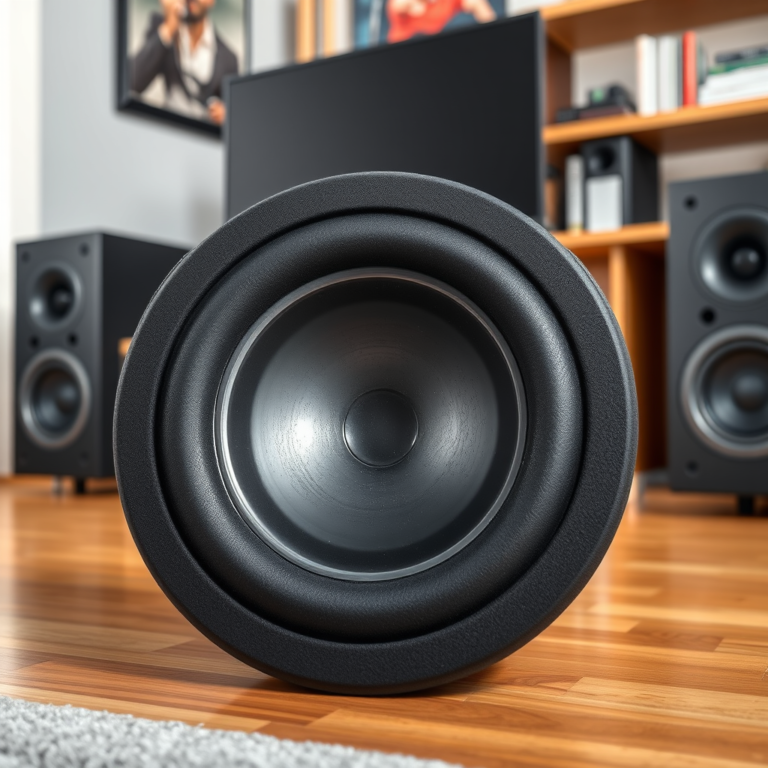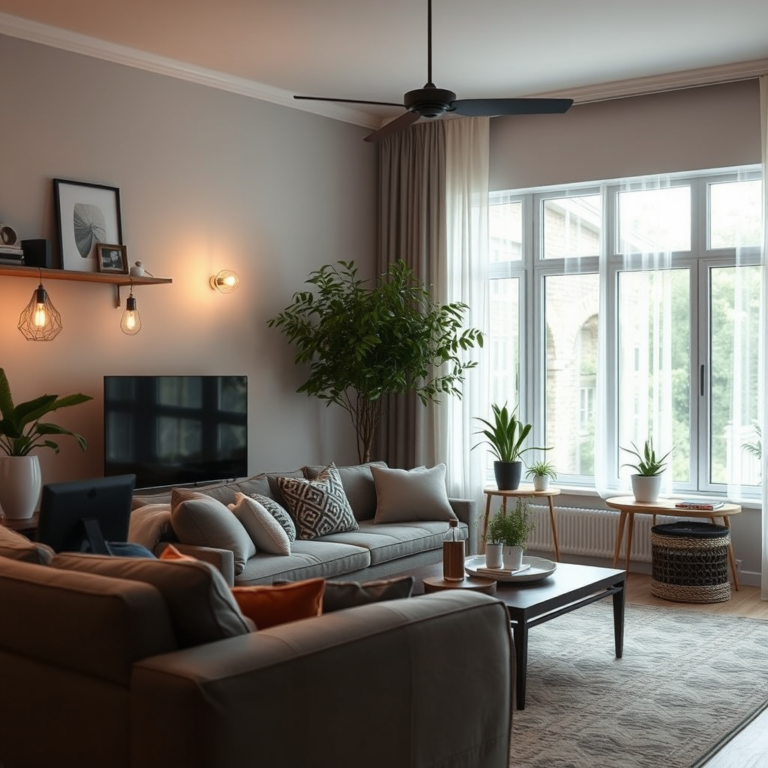

To improve sound quality without the need for new speakers, focus on optimizing your room’s acoustics and adjusting your audio settings. Small changes can significantly enhance your listening experience, making your current setup sound much better. In this article, you’ll learn practical techniques that can elevate your sound without breaking the bank.
Optimize Speaker Placement
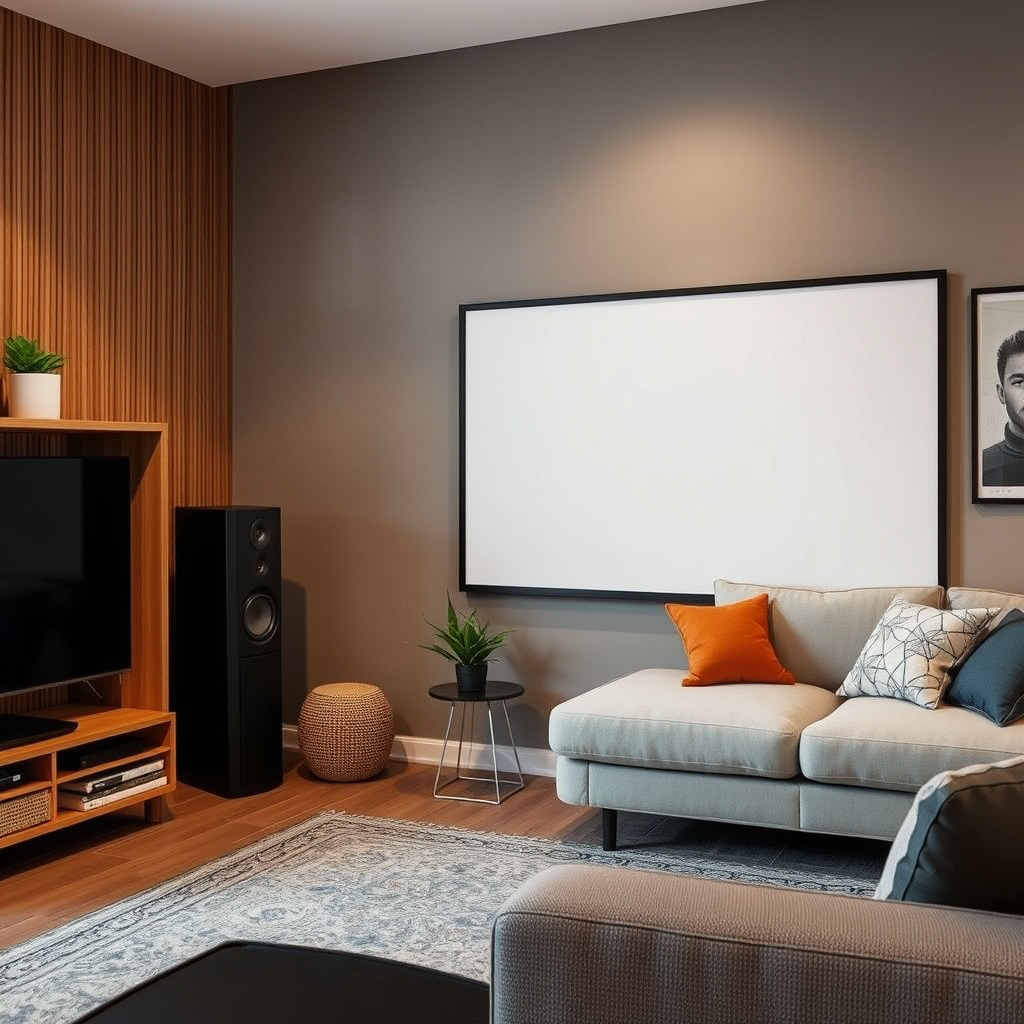
Another vital aspect of speaker placement involves the distance from walls and corners. When speakers are too close to walls or corners, they can reflect sound waves, which may result in muddiness or booming sounds. Experimenting with distances can help you find a balance that minimizes unwanted reflections. A good starting point is to keep the speakers at least 1 to 2 feet away from any walls, and consider angling them slightly inward toward your listening position to create a more immersive soundstage.
Adjust Your Audio Settings
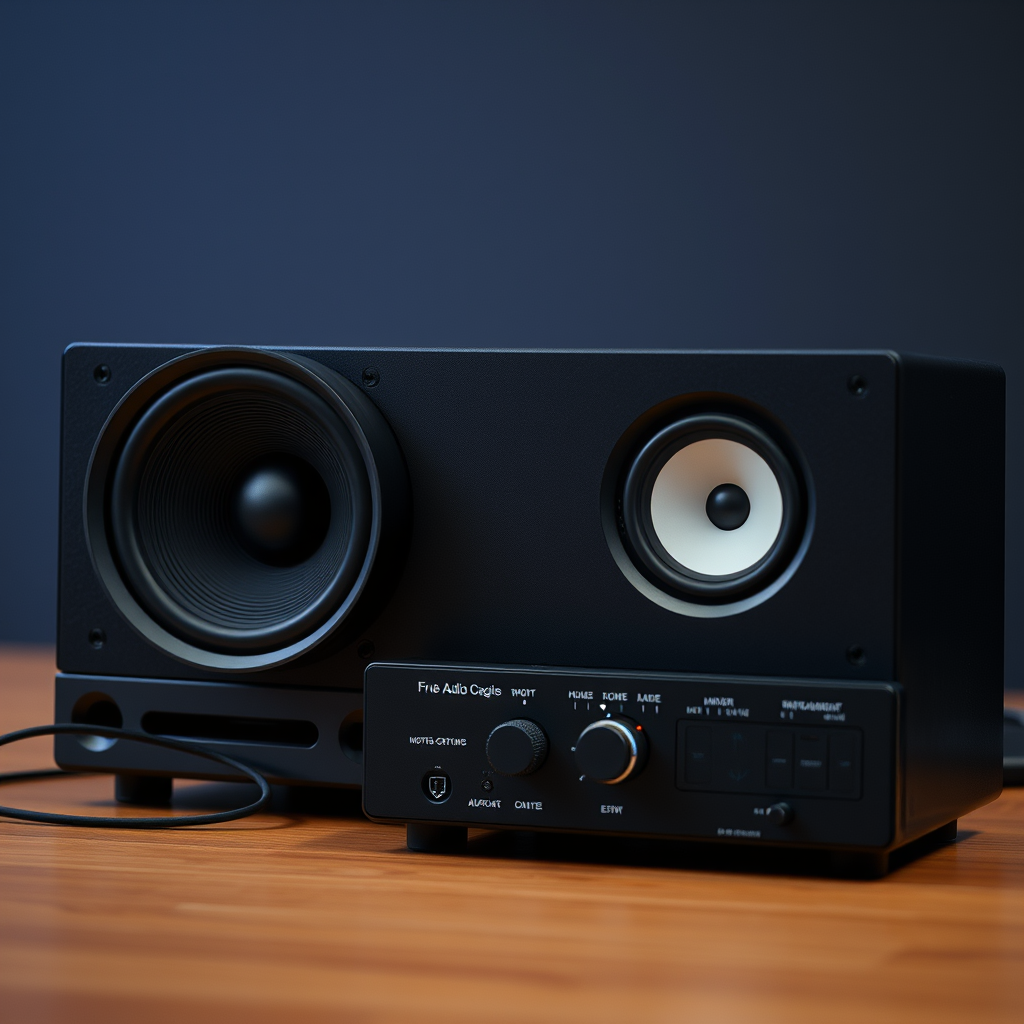
Modern audio systems come equipped with a variety of settings that allow you to customize your listening experience. One of the most effective ways to enhance sound quality is through the equalizer (EQ). Utilizing the EQ, you can adjust specific frequency bands to cater to your listening preferences. For instance, if you enjoy bass-heavy music, you can increase the low frequencies while slightly reducing the mid and high frequencies to create a more balanced sound profile.
In addition to the EQ, many audio systems offer built-in sound enhancements and surround sound options. These features can simulate a multi-speaker environment, providing a more immersive audio experience. Experimenting with these settings can yield surprising improvements in sound quality, allowing you to tailor the audio output to your exact liking.
Use Quality Cables and Connectors
The quality of the cables and connectors you use can significantly affect the sound quality of your audio system. Investing in good-quality speaker cables can minimize signal loss and interference, ensuring that the sound transmitted to your speakers is as clear and dynamic as possible. Look for cables that are well-shielded and made from high-quality materials, such as oxygen-free copper.
Additionally, it is important to regularly check and replace any worn-out connectors. Frayed or oxidized connectors can lead to poor sound quality, interruptions, or even complete audio failure. Ensuring that all connections are clean and secure can help maintain the integrity of your audio signal.
Soundproof Your Space
Acoustic treatment and soundproofing can greatly enhance the sound quality of your audio setup by reducing echoes and unwanted noise interference. One effective way to soundproof your space is by adding soft furnishings such as rugs, curtains, and upholstered furniture. These items absorb sound waves, helping to create a more controlled acoustic environment.Sealing gaps in windows and doors can also prevent sound leakage, allowing you to enjoy your audio system without external noise distractions. Acoustic panels can be installed on walls to further reduce echo and improve clarity. By creating a well-treated space, you can maximize the effectiveness of your existing speakers.
Acoustic Treatment Options and Effectiveness
| # | Treatment Type | Effectiveness (%) | Cost ($) |
|---|---|---|---|
| 1 | Acoustic Panels | 80% | 200 |
| 2 | Bass Traps | 75% | 150 |
| 3 | Rugs | 60% | 100 |
| 4 | Curtains | 55% | 80 |
| 5 | Furniture Positioning | 50% | 0 |
| 6 | Window Sealing | 70% | 50 |
Upgrade Your Source Material
The quality of your audio source plays a pivotal role in the overall sound experience. Streaming high-resolution audio files instead of low-quality formats can make a significant difference in clarity and depth. Services such as Tidal, Qobuz, and Amazon Music HD offer high-definition audio streaming options that preserve the integrity of the original recordings.
Alternatively, using a dedicated music player can enhance playback quality. Many portable music players support lossless formats, enabling you to experience your music as intended by the artists. If you frequently listen to compressed formats, consider upgrading to higher bitrate files or utilizing lossless formats like FLAC or ALAC.
Incorporate Room Acoustics Treatments
To manage frequency response in your room, consider incorporating room acoustic treatments such as bass traps and diffusers. Bass traps are designed to absorb low frequencies, preventing them from overwhelming your listening space. They can be placed in corners where bass tends to accumulate, improving overall sound clarity.
Diffusers, on the other hand, scatter sound waves, preventing echoes and creating a more natural sound environment. Experimenting with the placement of furniture can also aid in sound diffusion. Bookshelves, for instance, can act as natural diffusers while adding aesthetic value to your space.
Room Acoustic Treatment Effectiveness
Regularly Maintain Your Equipment
Regular maintenance of your audio equipment is essential for preserving sound quality over time. Dust buildup can interfere with the performance of speakers and other components, leading to decreased audio fidelity. Cleaning your speakers and audio components regularly can help ensure optimal performance and longevity. Use a soft, lint-free cloth to gently wipe down surfaces, and avoid using harsh chemicals that can damage the finish.
Additionally, it’s important to keep your software updated. Many digital audio components have firmware that can be updated to improve performance or add new features. Regularly checking for updates and applying them can enhance the functionality and sound quality of your audio system.
In summary, regular maintenance not only helps maintain sound quality but also prolongs the life of your equipment, ensuring you get the most out of your investment.
By implementing these strategies, you can significantly enhance your sound quality without spending on new speakers. Start with simple adjustments, such as optimizing speaker placement and adjusting audio settings, to create an impressive audio experience in your home. Over time, consider integrating more complex solutions like acoustic treatments and equipment upgrades. With these techniques, your existing audio setup can provide a listening experience that is both rich and immersive.
Frequently Asked Questions
What are some effective ways to improve sound quality without buying new speakers?
To enhance sound quality without purchasing new speakers, consider optimizing speaker placement by positioning them away from walls and corners. Additionally, using speaker stands can help reduce vibrations and improve acoustics. Incorporating sound-absorbing materials like rugs and curtains can also minimize echoes and enhance overall audio clarity.
How can I use EQ settings to improve audio performance with my current speakers?
Adjusting the equalizer (EQ) settings on your audio device can significantly enhance sound quality. Focus on reducing frequencies that sound muddy or harsh while boosting those that enhance clarity, such as the mid-range. Experiment with different presets or create a custom EQ profile tailored to your listening preferences for optimal results.
Why is room acoustics important in improving sound quality, and how can I adjust it?
Room acoustics play a crucial role in sound quality because they affect how sound waves interact with surfaces in your space. To improve acoustics, consider rearranging furniture to reduce reflections, adding soft furnishings like cushions or curtains, and using acoustic panels or bass traps to absorb excessive reverberation. This creates a more balanced listening environment.
What are the best practices for connecting my audio source to maximize sound quality?
To maximize sound quality when connecting your audio source, use high-quality cables and connectors to minimize signal loss. Ensure that your audio source settings are configured correctly, choosing lossless formats like FLAC or WAV for digital music. Additionally, consider using a DAC (Digital-to-Analog Converter) for improved audio fidelity if you’re streaming music from a computer or mobile device.
Which software tools can I use to enhance audio quality on my existing system?
There are several software tools available that can enhance audio quality on your existing system. Programs like Equalizer APO or Voicemeeter allow for advanced audio adjustments and mixing. Additionally, music players like VLC or Foobar2000 offer built-in equalizers and sound enhancement features, helping you tailor your listening experience without needing new hardware.
References
- Sound quality
https://en.wikipedia.org/wiki/Sound_quality - https://www.bbc.com/future/article/20180105-how-to-improve-your-sound-system
https://www.bbc.com/future/article/20180105-how-to-improve-your-sound-system - https://www.sciencedirect.com/topics/engineering/sound-quality
https://www.sciencedirect.com/topics/engineering/sound-quality - https://www.nature.com/articles/s41598-018-21006-5
https://www.nature.com/articles/s41598-018-21006-5 - Google Scholar Google Scholar
https://scholar.google.com/scholar?q=Improve+Sound+Quality+Without+Buying+New+Speakers - Google Scholar Google Scholar
https://scholar.google.com/scholar?q=Sound+Quality+Improvement+Techniques - https://www.reuters.com/article/us-audio-improvement-idUSKCN1VV1S3
https://www.reuters.com/article/us-audio-improvement-idUSKCN1VV1S3 - https://www.theguardian.com/music/2018/jan/25/how-to-get-better-sound-quality-from-your-speakers
https://www.theguardian.com/music/2018/jan/25/how-to-get-better-sound-quality-from-your-speakers - https://www.pubmed.ncbi.nlm.nih.gov/28447254/
https://www.pubmed.ncbi.nlm.nih.gov/28447254/ - https://www.mayoclinic.org/healthy-lifestyle/consumer-health/in-depth/audio-quality/art-20045884
https://www.mayoclinic.org/healthy-lifestyle/consumer-health/in-depth/audio-quality/art-20045884