
To resolve sound delay issues in home theater systems, start by checking your audio settings to ensure synchronization between your audio and video sources. Sound delay can significantly detract from the viewing experience, making it crucial to identify and rectify the causes. This article will guide you through common causes of sound delay and provide practical solutions to enhance your overall home theater experience.
Understanding Sound Delay in Home Theaters
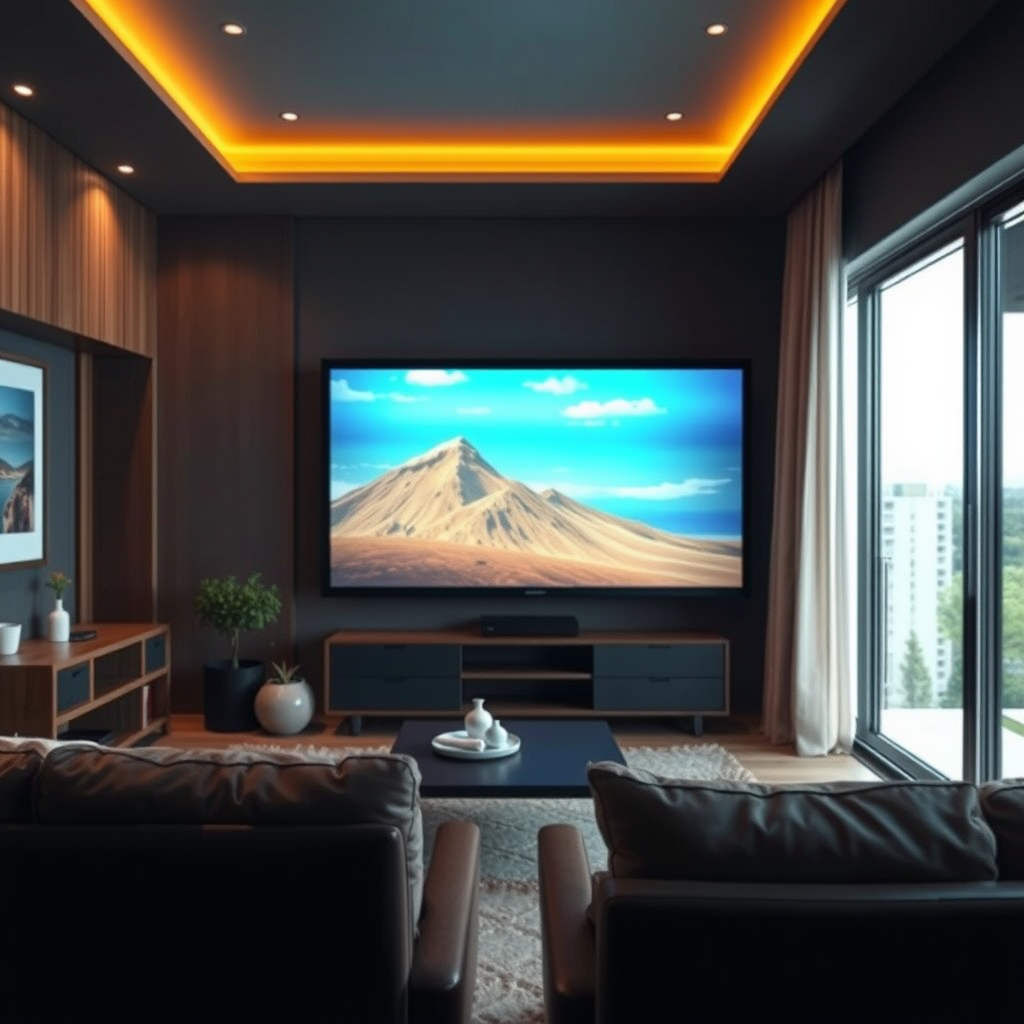
Sound delay, often called audio lag, can manifest in various ways, primarily due to processing times in your audio equipment. This phenomenon can occur when there is a mismatch in the time it takes for audio and video signals to reach your system, leading to unsynchronized playback. Common factors contributing to sound delay include:
– Audio Processing: Many modern audio receivers and televisions apply processing effects that can introduce latency. This is especially common in surround sound setups where the audio signal is processed to create a multi-channel output.
– Video Processing: Similarly, if your television is set to a higher picture quality (such as upscaling or motion smoothing), this can also lead to increased video processing time. The result is often that the audio plays before the picture is displayed, creating an annoying lag.
– Connection Types: Different connection methods, such as Bluetooth, HDMI, or optical cables, can also affect performance. For example, Bluetooth connections tend to have more latency compared to wired connections.
Understanding these factors is essential for troubleshooting and fixing sound delay issues in your home theater system.
Check Your Audio Settings

The first step in addressing sound delay is to review your audio output settings on both your television and receiver. Here are some key areas to focus on:
– Audio Output Format: Ensure that the audio output format matches the capabilities of your home theater system. For example, if your system supports Dolby Digital but your TV is set to PCM, this can lead to synchronization issues.
– Lip-Sync Options: Many modern TVs and audio receivers include a lip-sync option, which allows you to adjust the audio delay manually. Make sure this feature is enabled and calibrated correctly.
– Audio Modes: Some TVs have different audio modes, such as ‘Standard,’ ‘Cinema,’ or ‘Game.’ These modes can affect latency, and experimenting with them may yield better results.
By carefully adjusting these settings, you can often align your audio and video for a seamless experience.
Inspect Connections and Cables
The quality and type of connections used in your home theater setup play a significant role in audio performance. Consider the following:
– Use Quality HDMI Cables: High-quality HDMI cables are essential for minimizing signal delay. Look for cables that support high bandwidth, which is crucial for 4K and high frame rate content.
– Verify all Connections: Ensure that all cables are securely connected and configured correctly. Loose or faulty connections can lead to signal degradation, which can exacerbate sound delay issues.
– Connection Types: If you are using wireless connections, consider switching to wired alternatives, as they typically provide a more stable and lower-latency connection.
By inspecting and optimizing your connections, you can help reduce potential sources of audio lag in your home theater system.
Common Audio Connection Types and Their Latency (ms)
| # | Connection Type | Typical Latency (ms) | Best For |
|---|---|---|---|
| 1 | HDMI | 1-2 | Home Theater |
| 2 | Optical | 5-10 | Soundbars |
| 3 | RCA | 10-15 | Older Systems |
| 4 | Bluetooth | 30-100 | Wireless Headphones |
| 5 | Wi-Fi | 10-50 | Streaming Devices |
| 6 | Coaxial | 5-15 | Digital Audio |
| 7 | HDMI ARC | 1-2 | Modern TVs |
Update Firmware and Software
Keeping your home theater system’s firmware and software up to date is essential for optimal performance. Many manufacturers regularly release updates to address bugs, improve functionality, and enhance performance. Here’s how to ensure your devices are up to date:
– Regular Checks: Frequently check for firmware updates on your television, audio receiver, and any other connected devices. Most devices offer an automatic update option; make sure it is activated.
– Media Players: Ensure that your media players and streaming devices, such as Roku or Apple TV, are also updated. Streaming services often roll out updates that can improve compatibility and performance.
– Manufacturer Support: Visit the manufacturer’s website for your devices to find information about the latest firmware updates. This can help you stay informed about improvements that might resolve sound delay issues.
By maintaining updated software and firmware, you can significantly reduce the chances of encountering latency issues.
Latency Comparison of Different Audio Sources
Adjust Audio Delay Settings
Many home theater systems come equipped with built-in audio delay adjustments, which can be crucial for fine-tuning synchronization. Here’s how to make the most of these settings:
– Accessing Delay Settings: Navigate to the audio settings menu on your receiver or television. Look for options labeled “Audio Delay,” “Lip Sync,” or similar terms.
– Trial and Error: Adjust the delay settings incrementally while playing a video with clear dialogue. It may take a few attempts to find the optimal setting that aligns the audio perfectly with the video.
– Testing with Different Content: Different types of content may present varying levels of latency. It’s wise to test adjustments with a range of sources, such as movies, TV shows, and video games.
By utilizing these built-in adjustments, you can achieve a more synchronized audio-visual experience, enhancing your enjoyment of the system.
Consider External Audio Processing
If you find that your built-in settings and adjustments aren’t solving the audio delay problem, it may be time to explore external solutions:
– External Audio Processors: Devices specifically designed to handle audio processing can significantly improve audio sync. These processors often feature advanced algorithms to compensate for delays better than most integrated solutions.
– Soundbars with Lip-Sync Features: Many modern soundbars come equipped with features that specifically address audio lag. When shopping for a soundbar, look for models that advertise low latency or built-in lip-sync correction.
– Audio Receivers: High-quality receivers often include specialized audio processing capabilities, providing additional options for adjusting and synchronizing audio.
Investing in such devices can provide a more robust solution for persistent sound delay issues, ultimately enhancing your home theater experience.
Seek Professional Help if Necessary
If you’ve tried all the previous steps and are still experiencing sound delay issues, it may be time to consult a professional:
– Audio Technicians: Professionals can diagnose complex audio setups and identify issues that may not be apparent to the average user, such as improper calibration or faulty components.
– Home Theater Installation Services: If you’re considering a more comprehensive upgrade or installation, hiring a service can ensure your system is set up correctly from the start.
– Warranty and Support: If your equipment is still under warranty, contacting the manufacturer’s support team can provide guidance specific to your model and may offer solutions to resolve ongoing issues.
Professional help can provide peace of mind and ensure that your home theater system operates at peak performance.
By following these steps, you can effectively tackle sound delay issues in your home theater system. Check your settings, update your devices, and ensure all connections are optimal to enjoy a seamless audio-visual experience. Don’t hesitate to reach out for professional help if you need it!
Frequently Asked Questions
What are the common causes of sound delay in home theater systems?
Common causes of sound delay in home theater systems include improper audio settings, outdated firmware, and latency issues between devices. Additionally, using wireless speakers or streaming content can introduce delays due to signal processing time. Identifying these factors is crucial for troubleshooting sound synchronization problems.
How can I fix sound delay issues in my home theater system?
To fix sound delay issues, start by checking the audio settings on your receiver and TV to ensure they are properly configured. You can also try switching to a wired connection, updating firmware on all devices, and adjusting audio delay settings within your device menus. If you’re using a soundbar, ensure it’s set to the correct mode for the content being played.
Why is there a delay between audio and video in my home theater setup?
A delay between audio and video, often referred to as audio-video sync issues, can occur due to processing times in digital devices. When signals are converted from one format to another, such as from HDMI to optical audio, this can introduce lag. Ensuring all devices are compatible and properly calibrated can help mitigate these delays.
What is the best way to measure audio delay in home theater systems?
The best way to measure audio delay is to use a specialized audio delay test tool or smartphone app that can analyze the synchronization between audio and video. You can also perform a simple test by playing a video with a visible sound cue, such as a clap, and noting the time difference between the visual and auditory signals. This will help you determine the exact latency.
Which devices are most likely to cause sound delay in home theater systems?
Devices that are most likely to cause sound delay include streaming devices, soundbars, and wireless speakers, especially when using Bluetooth connections. Other potential culprits can be older AV receivers and televisions that process audio signals differently. To reduce delays, consider using high-quality HDMI cables and keeping your firmware updated on all devices.
References
- Home cinema
https://en.wikipedia.org/wiki/Home_theater - Google Scholar Google Scholar
https://scholar.google.com/scholar?q=Sound+Delay+Issues+in+Home+Theater+Systems - https://pubmed.ncbi.nlm.nih.gov/26671144/
https://pubmed.ncbi.nlm.nih.gov/26671144/ - Google Scholar Google Scholar
https://scholar.google.com/scholar?q=solving+audio+delay+in+home+theater - https://www.sciencedirect.com/science/article/pii/S0167639319304167
https://www.sciencedirect.com/science/article/pii/S0167639319304167 - https://www.nature.com/articles/s41598-020-71547-7
https://www.nature.com/articles/s41598-020-71547-7 - https://www.bbc.com/future/article/20201209-how-to-get-the-best-sound-from-your-tv
https://www.bbc.com/future/article/20201209-how-to-get-the-best-sound-from-your-tv - https://www.britannica.com/technology/home-theater
https://www.britannica.com/technology/home-theater - https://www.cdc.gov/nceh/ehs/docs/home_theater.pdf
https://www.cdc.gov/nceh/ehs/docs/home_theater.pdf - https://www.theguardian.com/technology/2020/jan/14/home-theater-sound-systems-guide
https://www.theguardian.com/technology/2020/jan/14/home-theater-sound-systems-guide