
To fully enjoy high-resolution (hi-res) audio files, it’s essential to invest in quality equipment, optimize your settings, and understand the different audio formats available. This article will guide you through maximizing your hi-res audio experience, covering everything from equipment choices to creating the perfect listening environment.
Understanding Hi-Res Audio Formats
Hi-res audio formats are designed to provide sound quality that surpasses the standard CD quality of 16-bit/44.1 kHz. Among the most popular hi-res formats are FLAC, DSD, and WAV.
– FLAC (Free Lossless Audio Codec): This format compresses audio without losing any quality, allowing for efficient storage while retaining the full fidelity of the original recording. It supports resolutions up to 24-bit/192 kHz.
– DSD (Direct Stream Digital): Developed for SACD (Super Audio CD), DSD uses a 1-bit audio stream and can deliver extremely high sample rates, typically 2.8 MHz or 5.6 MHz. It is favored by audiophiles for its analog-like sound quality.
– WAV (Waveform Audio File Format): This is an uncompressed audio format that retains the full quality of the sound. However, WAV files can be significantly larger, making storage a consideration.
Higher sample rates and bit depths result in greater dynamic range and more nuanced sound reproduction. For instance, a 24-bit file can represent up to 16,777,216 different amplitude levels compared to just 65,536 levels in a 16-bit file. This increased resolution provides a more detailed and immersive listening experience.
Essential Equipment for Hi-Res Audio
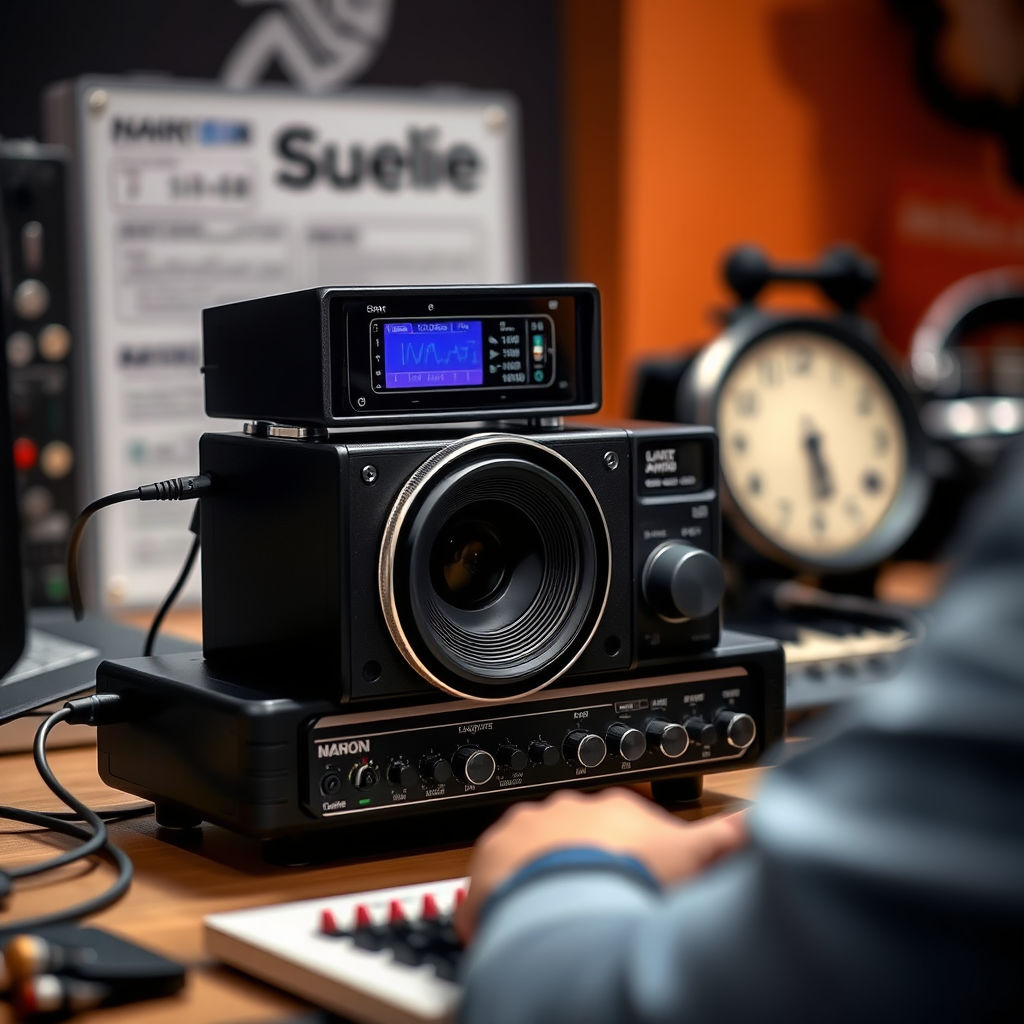
Investing in the right equipment is crucial for enjoying hi-res audio. Here are the essential components:
– Digital-to-Analog Converter (DAC): A high-quality DAC is vital for translating digital audio files into analog signals. Look for models that support high sample rates (at least 24-bit/192 kHz). Brands like Schiit, AudioQuest, and Chord Electronics offer excellent options.
– Headphones or Speakers: Choose headphones or speakers that are designed for hi-res playback. Look for models labeled as “hi-res audio certified,” which ensures they can reproduce frequencies beyond the standard 20 kHz. Notable brands include Sennheiser, Focal, and Audeze.
– Amplifier: If using larger speakers, a good amplifier can enhance audio performance and drive the speakers effectively, ensuring that the nuances of hi-res audio are fully realized.
Optimizing Your Audio Settings
Adjusting your playback software settings is essential to achieving optimal sound quality. Here are some tips:
– Playback Software: Use software that supports hi-res audio formats, such as Audirvana, JRiver Media Center, or Roon. These applications often allow for better control over playback settings.
– Buffer Sizes: Buffer size can significantly affect audio performance. A smaller buffer size reduces latency but may lead to dropouts, while a larger buffer size can introduce a slight delay. Experiment with different settings to find a balance that works for your system.
– Sample Rate and Bit Depth Settings: Ensure that your playback software is configured to match the sample rate and bit depth of the audio files you are playing. Mismatched settings can result in audio degradation.
📋 DATA
Top Hi-Res Audio Formats Comparison (2024)
| # | Format | Max Bit Depth | Max Sample Rate | Compression |
|---|---|---|---|---|
| 1 | FLAC | 24-bit | 192 kHz | Lossless |
| 2 | DSD | 1-bit | 5.6 MHz | Lossless |
| 3 | WAV | 32-bit | 192 kHz | Uncompressed |
| 4 | ALAC | 24-bit | 192 kHz | Lossless |
| 5 | AIFF | 32-bit | 192 kHz | Uncompressed |
| 6 | Ogg Vorbis | 16-bit | 48 kHz | Lossy |
| 7 | MP3 | 16-bit | 44.1 kHz | Lossy |
📈 CHART
Hi-Res Audio Formats Popularity (2024)
Creating the Perfect Listening Environment
Your listening environment plays a crucial role in your audio experience. Here are some best practices to enhance it:
– Soundproofing: Consider adding acoustic panels to your walls or using soundproof curtains to minimize outside noise. This will help create a more controlled listening environment, allowing you to appreciate the subtleties of hi-res audio.
– Speaker and Headphone Positioning: Position speakers at ear level and ensure they are equidistant from your listening position for optimal stereo imaging. If using headphones, choose a model that provides a comfortable fit and good isolation to minimize external noise.
– Lighting and Ambiance: Soft lighting and a comfortable seating arrangement can enhance your overall listening experience. Create a relaxing environment that allows you to focus on the music without distractions.
Streaming vs. Local Files
When it comes to hi-res audio, the debate between streaming and local file storage continues. Here’s a look at both options:
– Streaming Services: Many streaming platforms like Tidal, Qobuz, and Amazon Music HD offer hi-res audio options. However, the quality can vary based on your internet connection and the service’s compression algorithms. Streaming also requires a subscription, which can add to your costs over time.
– Local Files: Storing audio files locally allows for greater control over your library. You can choose the formats and ensure that your files are of the highest quality without relying on streaming quality. However, local storage requires more management and backup strategies.
Maintaining Hi-Res Audio Files
Proper organization and maintenance of your hi-res audio files are crucial for preserving their quality. Here are some tips:
– Organization: Create a structured folder system for your audio library, categorizing files by artist, album, or genre. This will make it easier to navigate your collection.
– Backup: Regularly back up your audio files to an external hard drive or cloud service to prevent loss due to hardware failure.
– File Compression: Be cautious with file compression, as it can degrade audio quality. Stick to lossless formats for archiving your hi-res audio files to maintain their integrity.
By following these best practices, you can ensure that your hi-res audio files remain in optimal condition, allowing you to enjoy them to their fullest potential.
In summary, getting the most out of hi-res audio files involves a combination of quality equipment, optimized settings, and an inviting listening environment. Experimentation with different formats and systems is key to finding what works best for your preferences. Embrace the journey of refining your hi-res audio setup, and enjoy the rich audio experience it offers.
Frequently Asked Questions
What is hi-res audio and how does it differ from standard audio formats?
Hi-res audio, or high-resolution audio, refers to audio files with higher sampling rates and bit depths than standard CD-quality audio. While CD audio has a sampling rate of 44.1 kHz and a bit depth of 16 bits, hi-res audio typically features rates of 96 kHz or 192 kHz with 24-bit depth, resulting in a richer, more detailed sound. This enhanced fidelity allows listeners to experience music as the artist intended, with greater clarity and nuance.
How can I play hi-res audio files on my devices?
To play hi-res audio files, you need a compatible digital audio player, software, or streaming service that supports high-resolution formats. Ensure your headphones or speakers are also capable of reproducing hi-res audio. Popular options include dedicated hi-res audio players, high-quality DACs (digital-to-analog converters), and music streaming services like Tidal or Qobuz that offer hi-res audio options.
Why should I consider upgrading my audio equipment for hi-res audio?
Upgrading your audio equipment can significantly enhance your listening experience with hi-res audio files. Standard equipment may not be able to accurately reproduce the detailed sound and dynamics found in high-resolution recordings. Investing in high-quality headphones, DACs, and amplifiers can result in a more immersive, enjoyable audio experience, allowing you to fully appreciate the subtleties in your favorite music.
What are the best formats for hi-res audio files?
The best formats for hi-res audio files include FLAC, ALAC, DSD, and WAV, as they provide lossless compression or are uncompressed, preserving the audio quality. FLAC (Free Lossless Audio Codec) is particularly popular due to its compatibility with various devices and software. Choosing the right format depends on your listening preferences and the capabilities of your playback equipment.
Which services offer the best selection of hi-res audio music?
Services like Tidal, Qobuz, and Amazon Music HD offer some of the best selections of hi-res audio music. Tidal is known for its extensive library of high-resolution tracks and exclusive releases, while Qobuz provides detailed album information and editorial content. Amazon Music HD also offers a vast catalog of lossless audio, making it easy for users to access a variety of high-quality music across different genres.
References
- High fidelity
https://en.wikipedia.org/wiki/High-fidelity_audio - https://www.ncbi.nlm.nih.gov/pmc/articles/PMC6830879/
https://www.ncbi.nlm.nih.gov/pmc/articles/PMC6830879/ - https://www.sciencedirect.com/science/article/pii/S0167639319300635
https://www.sciencedirect.com/science/article/pii/S0167639319300635 - https://www.bbc.com/news/technology-50270410
https://www.bbc.com/news/technology-50270410 - https://www.theguardian.com/music/2020/sep/29/hi-res-audio-what-you-need-to-know
https://www.theguardian.com/music/2020/sep/29/hi-res-audio-what-you-need-to-know - https://www.nature.com/articles/s41598-020-67513-0
https://www.nature.com/articles/s41598-020-67513-0 - https://www.hifiengine.com/manuals/hi-res-audio-guide.pdf
https://www.hifiengine.com/manuals/hi-res-audio-guide.pdf - Google Scholar Google Scholar
https://scholar.google.com/scholar?q=Hi-Res+Audio+Files - Google Scholar Google Scholar
https://scholar.google.com/scholar?q=High-fidelity+audio - Google Scholar Google Scholar
https://scholar.google.com/scholar?q=Audio+quality+high+resolution