
To achieve superior stereo sound, proper speaker placement is essential. Correctly positioning your speakers can greatly enhance audio quality, creating a more immersive listening experience that elevates music, movies, and gaming. In this article, you’ll learn the key strategies for optimal speaker placement in any room, ensuring that you maximize the potential of your audio system.
Understanding the Listening Triangle
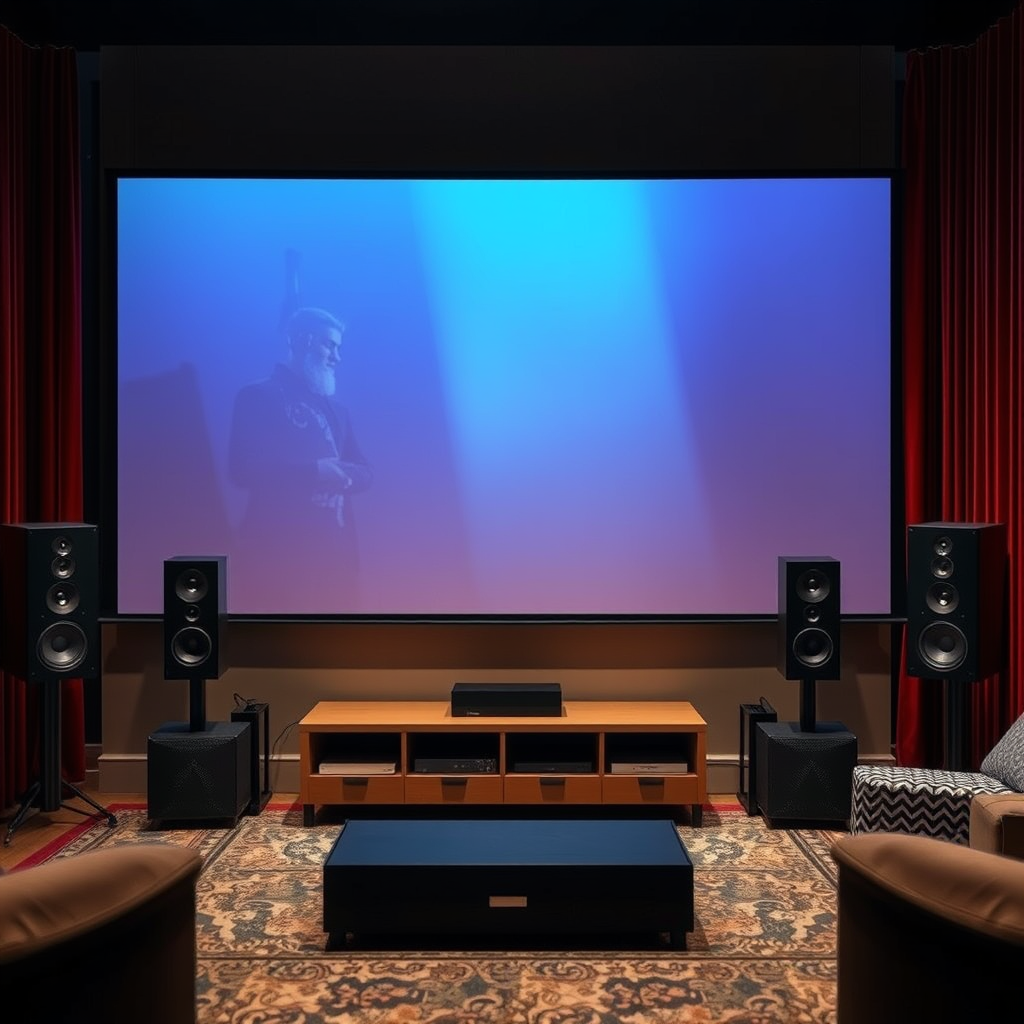
One of the foundational concepts in achieving great stereo sound is the listening triangle. This involves positioning your speakers and listener in an equilateral triangle, where the distance between the two speakers is equal to the distance from each speaker to the listener. For example, if your speakers are 8 feet apart, the listener should also be 8 feet away from either speaker. This setup allows for balanced sound distribution, ensuring that the audio reaches the listener’s ears simultaneously from both speakers, creating a cohesive soundstage.
To achieve this, measure the distances accurately and make minor adjustments as necessary. If your room’s shape or size does not allow for a perfect triangle, aim for the closest possible approximation. Additionally, consider the height of your speakers; they should be positioned to align with your ears when seated, further enhancing the listening experience.
Room Acoustics Matter
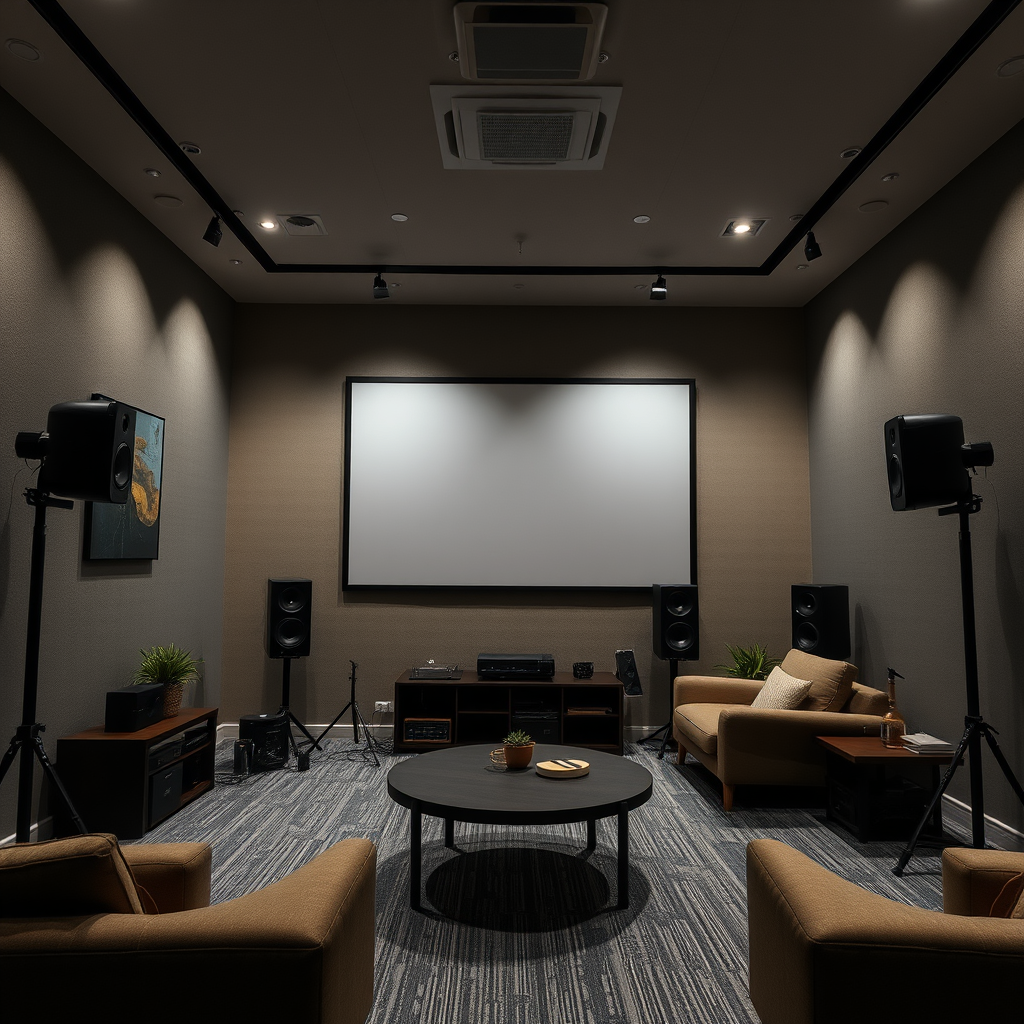
Room acoustics play a significant role in how sound is perceived. Every room has unique dimensions and surfaces that reflect or absorb sound waves, affecting audio fidelity. Assess your room’s layout: hard surfaces like bare walls, tile floors, and large windows can create echoes, while carpets, curtains, and upholstered furniture can absorb sound.
To improve your room’s acoustics, incorporate soft furnishings strategically. For instance, adding rugs can help dampen sound reflections, and heavy curtains can minimize sound leakage and absorption. If possible, use acoustic panels on walls to further control sound reflections. Additionally, experimenting with speaker placement in relation to the room’s surfaces can lead to noticeable improvements in sound quality.
Ideal Speaker Height and Angle
The height and angle of your speakers are critical for optimal sound projection. Ideally, speakers should be positioned at ear level when the listener is seated. This placement ensures that the audio is directed towards the listener’s ears, maximizing clarity and impact. If your speakers are too high or too low, the sound may not reach the listener effectively, resulting in a diminished experience.
Furthermore, angling the speakers slightly towards the listening position can enhance sound clarity and detail. This technique, known as toe-in, helps to focus the sound waves and improve the overall listening experience. A slight angle of about 15 degrees is often recommended, but you may need to experiment to find the best angle that suits your specific setup.
Speaker Placement Recommendations for Various Room Sizes
| # | Room Size | Speaker Distance | Listening Distance | Ideal Height |
|---|---|---|---|---|
| 1 | Small (up to 10×10 ft) | 4-6 ft | 6-8 ft | 36-40 in |
| 2 | Medium (10×10 to 15×20 ft) | 6-8 ft | 8-10 ft | 40-42 in |
| 3 | Large (over 15×20 ft) | 8-10 ft | 10-12 ft | 42-48 in |
Avoiding Obstructions
For an optimal listening experience, it is crucial to avoid obstructions between the speakers and the listener. Furniture, walls, or any large objects can block sound waves, leading to an uneven sound profile. Ideally, the path from each speaker to the listener should be clear, allowing sound waves to travel unimpeded.
Additionally, keeping speakers away from corners is important. Placing speakers in corners can lead to unwanted bass buildup, resulting in a muddy sound. Instead, position them away from walls and corners, allowing for better sound dispersion and a balanced audio profile. If space is limited, consider using wall-mounted speakers or stands to elevate them and minimize interference from surrounding objects.
Experimenting with Placement
No two rooms are alike, so experimenting with speaker placement is essential. Minor adjustments can lead to significant changes in audio quality. Start by positioning your speakers in the recommended locations, and then listen for any changes in audio clarity and depth.
Use music with a wide dynamic range for testing, as this will allow you to discern subtleties in sound that may be affected by speaker placement. Pay attention to the stereo imaging, bass response, and overall balance of sound. Move the speakers a few inches at a time and take notes on the differences you hear. This iterative process will help you find the optimal placement for your specific environment.
Utilizing Technology
In today’s digital age, several tools and applications can assist in optimizing speaker placement. Consider using sound analysis apps that can measure the sound profile of your room. These tools often provide visual representations of sound distribution and can help identify problematic areas in your space.
Furthermore, many modern audio systems come equipped with calibration features that automatically adjust speaker settings based on the room’s acoustics. These features can analyze the sound field and make necessary adjustments to enhance audio performance. Leveraging technology not only simplifies the optimization process but also ensures that you achieve the best possible sound quality.
Finalizing Your Setup
Once you have finalized your speaker placement and achieved the desired sound quality, it’s time to secure cables and tidy up your setup for a clean look. Organizing wires and ensuring that they are neatly arranged not only enhances aesthetics but also prevents tripping hazards.
Keep in mind that room dynamics can change over time, especially if you introduce new furniture or undergo renovations. Regularly revisit your speaker placement to ensure that you continue to enjoy optimal sound quality. By remaining proactive, you can maintain a superior listening environment for years to come.
Impact of Speaker Placement on Sound Quality
By following these steps, you can create a listening environment that maximizes the potential of your audio system. Proper speaker placement will not only improve sound quality but also enhance your overall enjoyment of music and audio content. Take the time to experiment and adjust your setup for the best results, and you’ll be rewarded with a superior audio experience that transforms your space.
Frequently Asked Questions
What is the ideal distance for speaker placement in a stereo setup?
The ideal distance for speaker placement typically ranges from 6 to 10 feet apart for optimal stereo sound. This distance helps create a balanced soundstage and allows the listener to experience the full range of audio. Additionally, speakers should be positioned at least 1 to 2 feet away from walls to prevent unwanted reflections and improve sound clarity.
How should I position my speakers for the best sound quality?
To achieve the best sound quality, position your speakers at ear level when seated, angled slightly towards the listening area. This alignment enhances the direct sound and reduces reflections from walls. Experiment with the distance and angle to find the sweet spot where the stereo imaging is most pronounced.
Why is speaker placement important for stereo sound?
Speaker placement is crucial for stereo sound because it affects how sound waves interact in a room, influencing clarity, depth, and overall listening experience. Proper placement minimizes phase issues and ensures that sound reaches your ears at the correct time, providing a more immersive audio experience. Neglecting speaker placement can lead to muddled sound and diminished audio quality.
What are the common mistakes to avoid when setting up stereo speakers?
Common mistakes include placing speakers too close to walls or corners, which can cause bass buildup and muddiness. Additionally, failing to ensure that speakers are equidistant from the listening position can disrupt sound balance. Avoiding these mistakes will enhance your stereo sound and provide a more enjoyable listening experience.
Which speaker placement configuration is best for small rooms?
For small rooms, the best speaker placement configuration is often the equilateral triangle setup, where speakers and the listening position form a triangle. Position the speakers about 3 to 5 feet apart, and ensure they are slightly angled towards the listener for optimal soundstage. Keeping speakers away from corners and walls as much as possible will also help improve sound quality in confined spaces.
References
- Stereophonic sound
https://en.wikipedia.org/wiki/Stereo_sound - https://www.sciencedirect.com/science/article/pii/S0360132319305264
https://www.sciencedirect.com/science/article/pii/S0360132319305264 - https://www.britannica.com/topic/stereo-sound
https://www.britannica.com/topic/stereo-sound - https://pubmed.ncbi.nlm.nih.gov/31003099/
https://pubmed.ncbi.nlm.nih.gov/31003099/ - https://www.ncbi.nlm.nih.gov/pmc/articles/PMC6685413/
https://www.ncbi.nlm.nih.gov/pmc/articles/PMC6685413/ - ABO blood group A transferase and its codon 69 substitution enzymes synthesize FORS1 antigen of F…
https://www.nature.com/articles/s41598-019-46029-7 - Google Scholar Google Scholar
https://scholar.google.com/scholar?q=How+to+Optimize+Speaker+Placement+for+Stereo+Sound - Google Scholar Google Scholar
https://scholar.google.com/scholar?q=Speaker+placement+stereo+sound+optimization - Google Scholar Google Scholar
https://scholar.google.com/scholar?q=stereo+sound+room+acoustics - https://www.acoustics.org/press/1804-plac/
https://www.acoustics.org/press/1804-plac/