

Restoring old turntables and record players is an incredibly fulfilling endeavor that allows enthusiasts to reconnect with vintage audio equipment. By following a systematic approach, you can revive these classic devices and enjoy the warm, rich sounds of vinyl records once more. This guide provides essential techniques and tips to help you effectively restore your cherished turntable or record player.
Assessing the Condition of Your Turntable
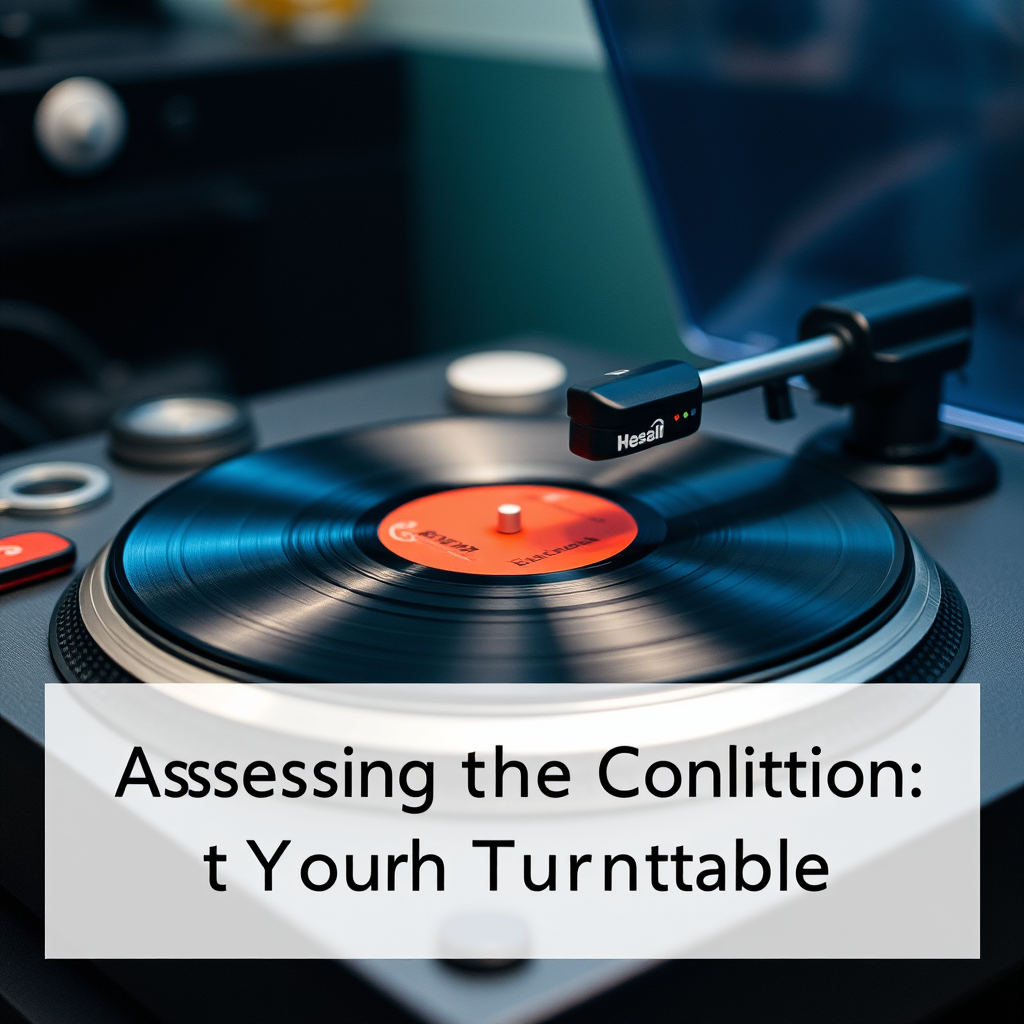
Before diving into the restoration process, it’s crucial to assess the current condition of your turntable. Start by examining the exterior for any physical damage such as scratches, cracks, or signs of wear. Look closely at the surface of the wood or plastic casing; these imperfections can affect both the aesthetics and value of the unit.
Next, move on to the internal components. Open the turntable and check the condition of the drive belt, cartridge, and wiring. A worn or broken belt can lead to inconsistent playback speeds, while a damaged cartridge will affect sound quality. If you’re unsure about the condition of any component, consult the manufacturer’s specifications or seek advice from an audio restoration specialist.
Gathering Necessary Tools and Supplies
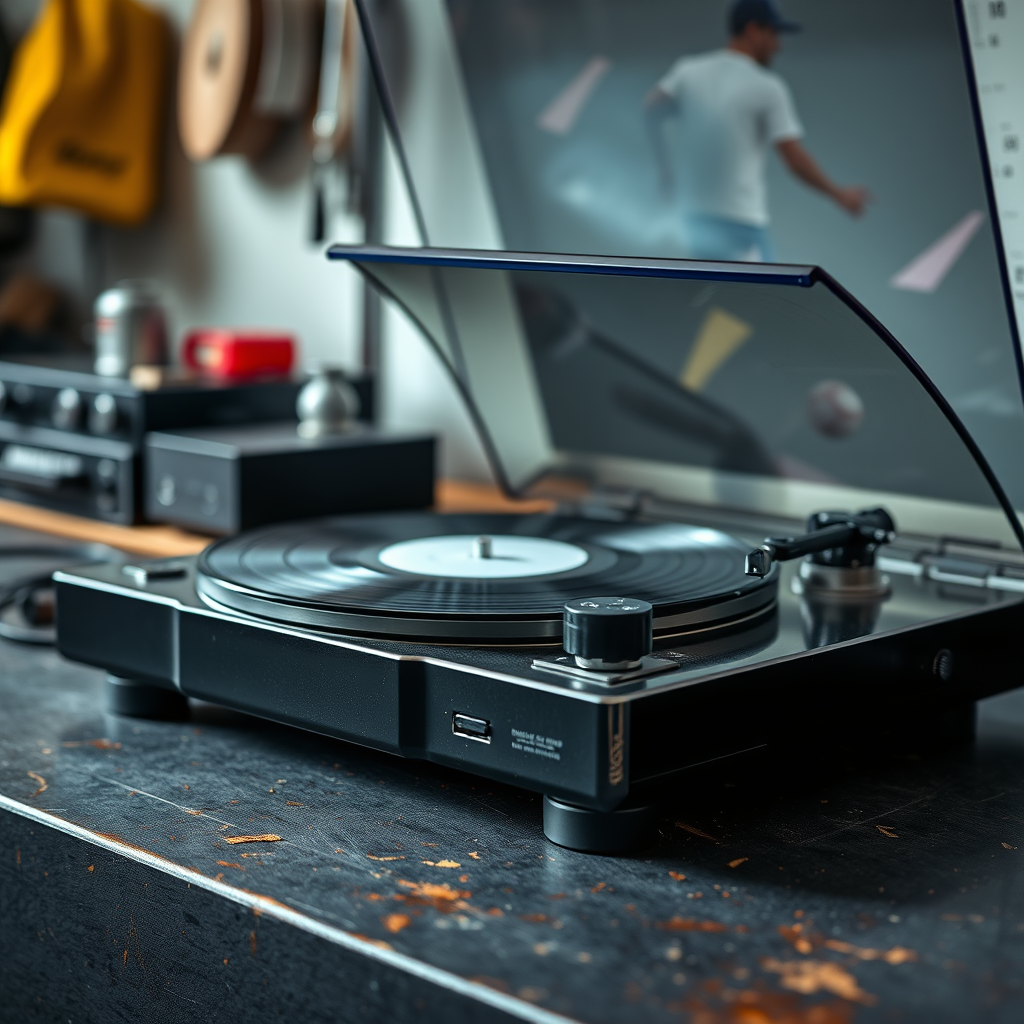
Once you’ve assessed the condition, it’s time to gather the tools and supplies you’ll need for the restoration. Essential tools often include:
– Screwdrivers: A set of Phillips and flathead screwdrivers is necessary for disassembly.
– Cleaning Supplies: Use microfiber cloths, isopropyl alcohol, and specialized record cleaning solutions.
– Lubricants: A light machine oil or silicone lubricant can be beneficial for moving parts.
Additionally, you may need to purchase replacement parts. Check for compatible drive belts, cartridges, and styluses from reputable suppliers. Make sure to source high-quality components to ensure the best performance of your restored turntable.
Cleaning the Components
Cleaning is a vital step in the restoration process. Dust and grime can accumulate over time, impacting sound quality and the overall performance of the device. Begin by removing the platter and tonearm, if applicable, to access all surfaces.
For the platter, use a gentle cleaner that won’t damage the finish. A mixture of warm water and mild soap often works well. Clean the tonearm with a soft cloth and isopropyl alcohol, ensuring that no residue is left behind.
The stylus and cartridge are particularly important for sound fidelity. Carefully brush the stylus with a specialized stylus cleaning brush to remove dust and debris. A clean stylus not only prolongs its lifespan but also enhances sound quality, making it critical to your restoration efforts.
Popular Turntable Brands and Features (2024)
| # | Brand | Type | Price Range | User Rating |
|---|---|---|---|---|
| 1 | Rega | Belt-Driven | $500 – $1,500 | ★★★★☆ |
| 2 | Audio-Technica | Direct-Drive | $300 – $800 | ★★★★☆ |
| 3 | Technics | Direct-Drive | $700 – $2,500 | ★★★★★ |
| 4 | Pro-Ject | Belt-Driven | $400 – $1,200 | ★★★★☆ |
| 5 | Denon | Belt-Driven | $300 – $900 | ★★★★☆ |
| 6 | Sony | Belt-Driven | $250 – $600 | ★★★☆☆ |
| 7 | Pioneer | Direct-Drive | $400 – $1,000 | ★★★★☆ |
Replacing Worn Parts
After cleaning, the next step is to replace any worn or damaged parts. One of the most common issues with older turntables is the drive belt. A stretched or cracked belt can lead to inconsistent playback speed, significantly affecting the listening experience. To replace the belt, simply remove the platter and install a new one according to the manufacturer’s instructions.
Additionally, consider upgrading the cartridge and stylus. A new cartridge can dramatically enhance sound fidelity, making it an essential part of your restoration. Research compatible options for your turntable model and follow the installation guidelines carefully to ensure proper setup.
Testing and Calibration
Once all components have been cleaned and replaced, it’s crucial to test the turntable to ensure everything is functioning correctly. Begin by performing a test run with a record. Listen for any irregularities in sound quality, such as skipping or distortion. If any issues arise, revisit the assembly to check for loose connections or improperly installed components.
Calibrating the tonearm settings is also essential. Adjust the tracking force according to the specifications of your cartridge to optimize playback quality. This step can significantly improve the sound and prevent unnecessary wear on your vinyl records.
Fine-Tuning the Sound
To enhance your audio experience further, consider fine-tuning the sound. Experimenting with speaker placement can have a considerable impact on audio clarity and richness. Positioning your speakers at an appropriate distance and angle can help to achieve a balanced soundstage.
Additionally, consider adjusting equalizer settings on your amplifier or receiver. This allows you to tailor the sound profile to your liking, whether you prefer a bass-heavy output or a more balanced approach. Using isolation pads or mats can also help reduce vibrations that may interfere with sound quality, leading to a clearer listening experience.
Turntable Sound Quality Ratings (2024)
Maintaining Your Restored Turntable
Maintenance is key to prolonging the life and performance of your restored turntable. Establish a regular cleaning schedule for the platter, stylus, and tonearm. Dust and dirt accumulation can significantly affect playback quality, so cleaning after every few uses is advisable.
Additionally, store your records upright and in a controlled environment to prevent warping and damage. Avoid exposing them to direct sunlight or extreme temperatures, which can adversely affect both the vinyl and the turntable itself.
Consider investing in a dust cover for your turntable to protect it from dust and environmental factors when not in use. This simple precaution can significantly contribute to the longevity of your device.
Restoring an old turntable or record player not only revives a piece of musical history but also enhances your overall listening experience. By following the outlined steps, you can breathe new life into your vintage audio equipment and enjoy the warm, rich sounds of your favorite vinyl records. Begin your restoration journey today, and revel in the incredible audio landscape that awaits you.
Frequently Asked Questions
What are the first steps to restore an old turntable or record player?
To restore an old turntable or record player, start by cleaning the exterior and interior components, including the platter, tonearm, and cartridge. Assess the condition of the belt and replace it if necessary. Additionally, check all electrical connections and ensure that the stylus is in good condition to improve sound quality.
How do I know if my vintage turntable is worth restoring?
Determine the value of your vintage turntable by researching its brand, model, and condition. If it is a well-known brand or model with historical significance, it may be worth restoring. Additionally, consider if the cost of restoration will exceed its potential value and if you have a personal attachment to the item.
Why does my old record player produce a humming noise, and how can I fix it?
A humming noise in an old record player is often caused by grounding issues or poor connections. To fix it, check that all cables are securely connected and consider adding a ground wire if one is missing. Additionally, ensure that the turntable is placed on a stable, vibration-free surface to minimize interference.
What are the best replacement parts for restoring a vintage turntable?
The best replacement parts for restoring a vintage turntable include high-quality belts, cartridges, and styluses that are compatible with your specific model. Brands like Audio-Technica and Ortofon offer reliable options. Always consult your turntable’s manual or online forums for recommendations tailored to your device.
Which tools do I need to restore my old record player?
To restore your old record player, you will need basic tools such as a screwdriver set, a cleaning brush, a multimeter for electrical testing, and possibly a lubricating oil for moving parts. Additionally, having a vinyl cleaning kit on hand can help in maintaining the records for optimal playback quality.
References
- Phonograph
https://en.wikipedia.org/wiki/Turntable - https://www.hifiengine.com/manuals/
https://www.hifiengine.com/manuals/ - Google Scholar Google Scholar
https://scholar.google.com/scholar?q=Turntable+restoration - Google Scholar Google Scholar
https://scholar.google.com/scholar?q=Record+player+repair - https://www.analogplanet.com/category/turntables
https://www.analogplanet.com/category/turntables - Gramophone | The world’s best classical music reviews
https://www.gramophone.co.uk/ - Audio Asylum Thread Printer
https://www.audioasylum.com/cgi/t.mpl?f=vinyl&m=1182240 - https://www.vinylengine.com/
https://www.vinylengine.com/ - https://www.sweetwater.com/insync/turntable-maintenance-guide/
https://www.sweetwater.com/insync/turntable-maintenance-guide/ - Google Scholar Google Scholar
https://scholar.google.com/scholar?q=How+to+Restore+Old+Turntables+and+Record+Players