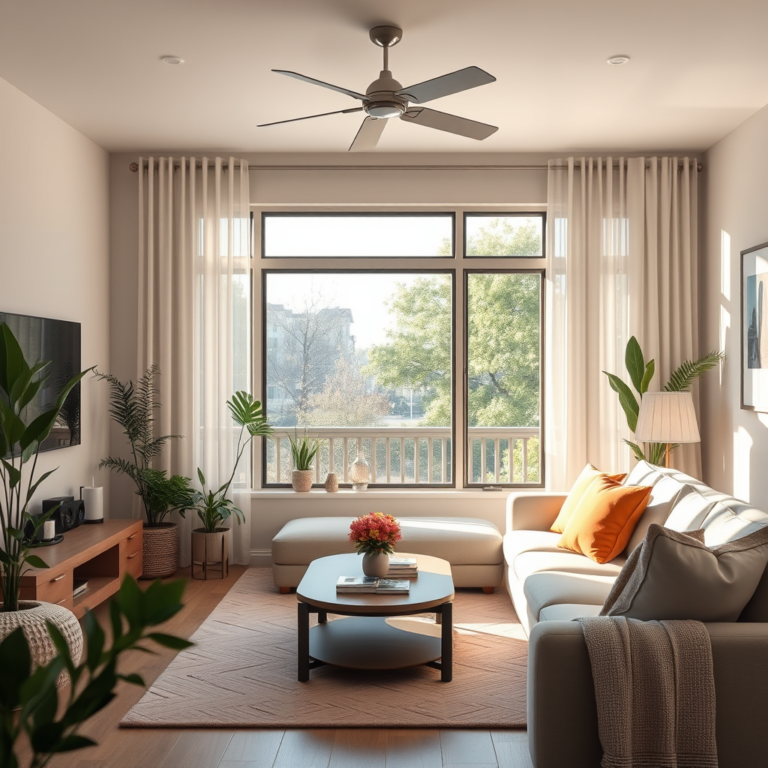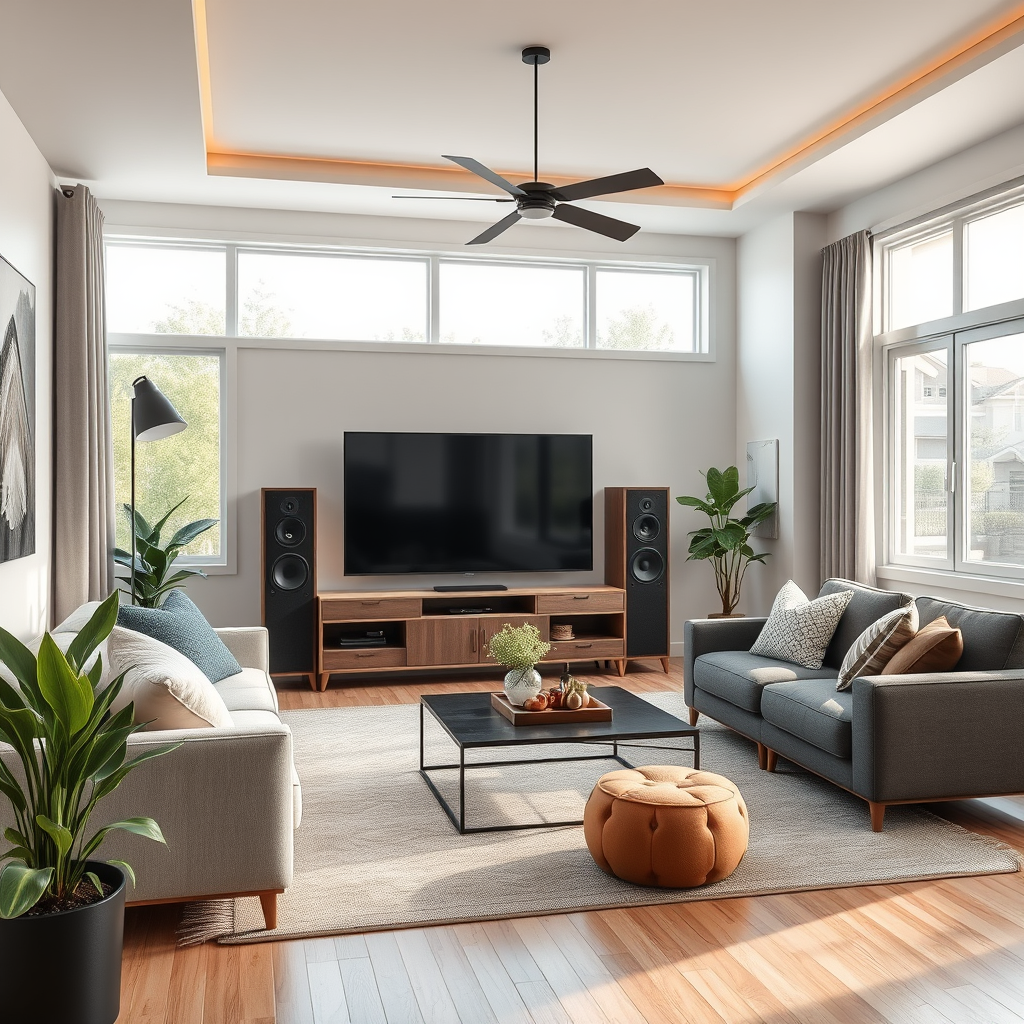

Using bass traps effectively can significantly improve your home theater’s sound quality by reducing unwanted bass frequencies and enhancing overall audio clarity. By strategically selecting and placing these acoustic panels, you can transform your viewing experience into a cinematic one, ensuring that every sound is crisp and immersive. In this article, you’ll learn how to choose, place, and utilize bass traps to create an enhanced home theater experience.
Understanding Bass Traps
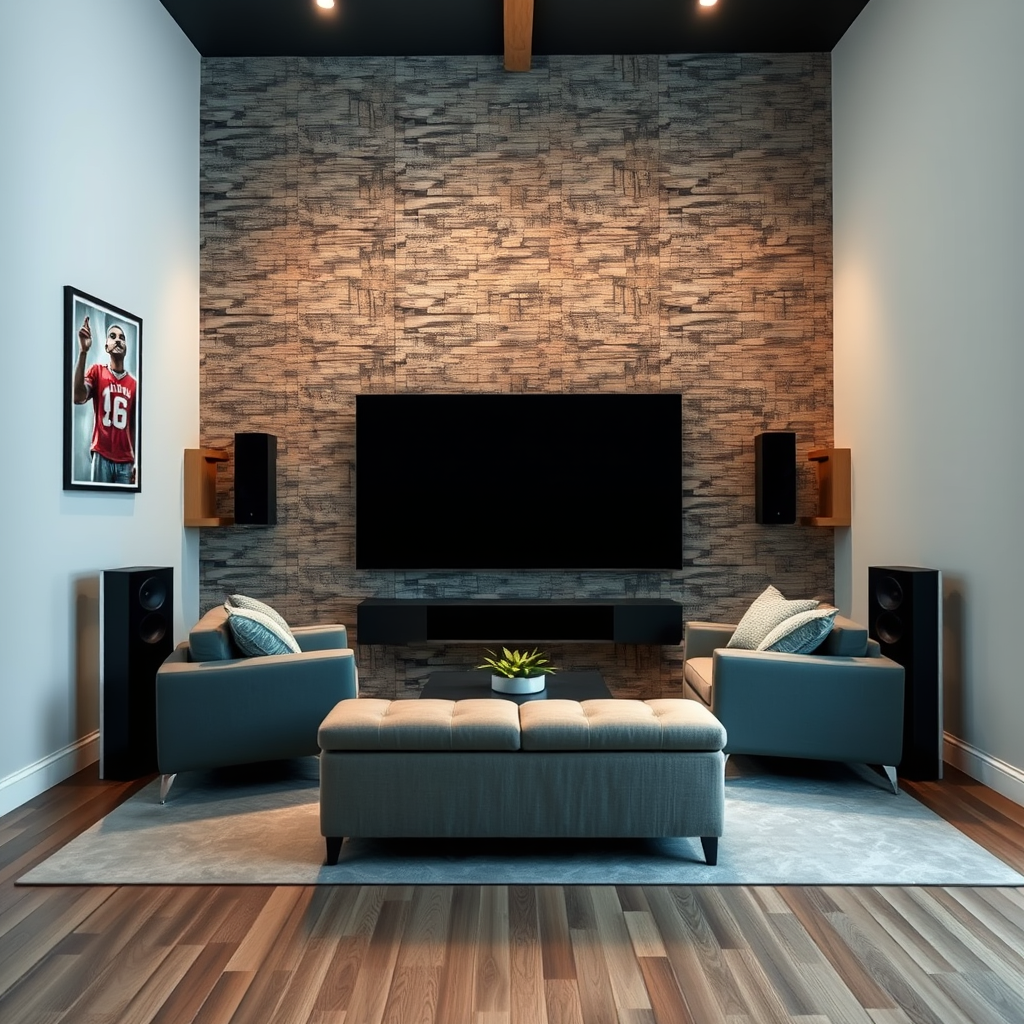
Bass traps are specialized acoustic panels designed to absorb low-frequency sound waves, which often lead to undesirable bass buildup in a room. These panels are essential in managing the acoustics of your home theater, as low-frequency sounds can cause muddiness and distort audio playback. Without proper bass management, viewers may struggle to hear dialogue amidst booming sound effects, leading to a less enjoyable experience. By incorporating bass traps, you can significantly improve sound clarity and balance, creating a more immersive atmosphere that enhances your movie-watching experience.
Choosing the Right Bass Traps
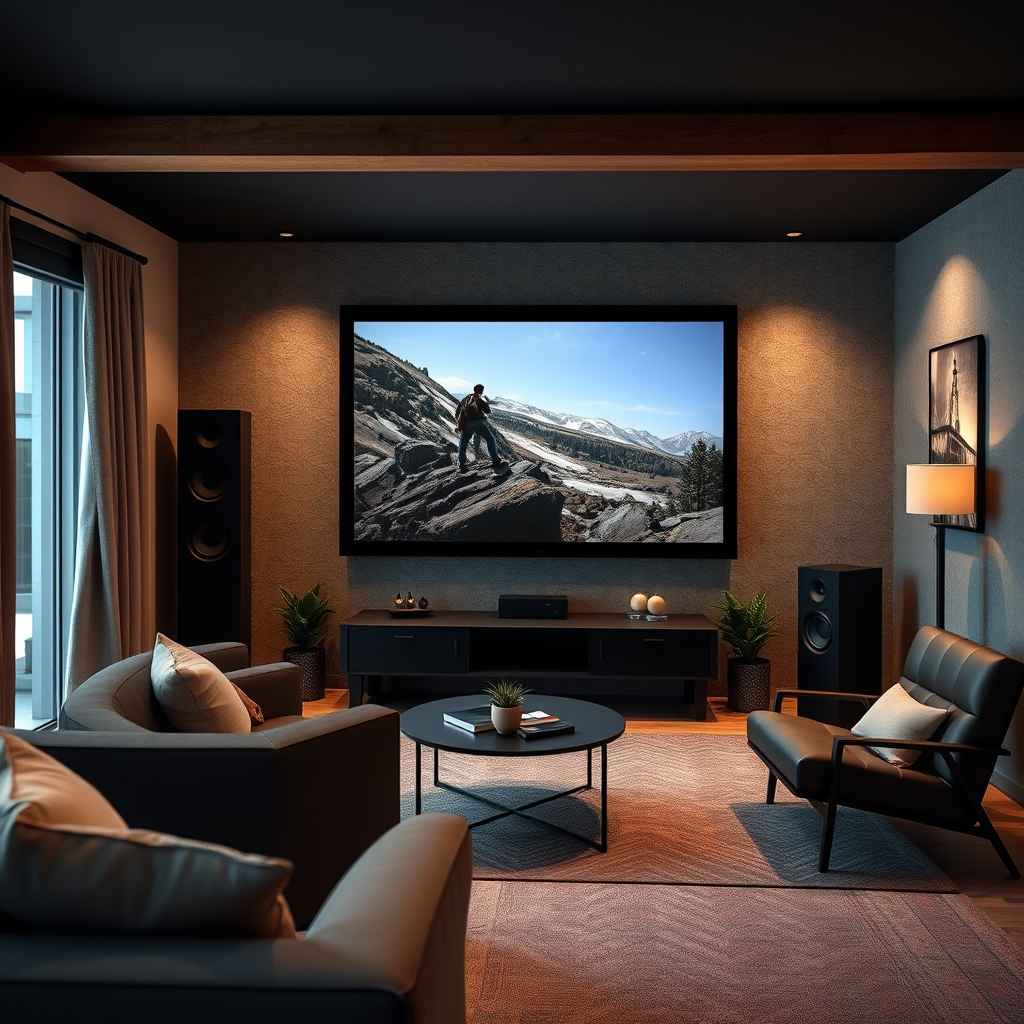
When it comes to selecting bass traps, it’s crucial to explore the various types available on the market, each with its own characteristics and benefits:
– Foam Bass Traps: These are lightweight and easy to install, making them a popular choice for home theater enthusiasts. However, they may not be as effective at absorbing lower frequencies as other materials.
– Fiberglass Bass Traps: Known for their superior absorption capabilities, fiberglass traps are thicker and denser, making them ideal for controlling low-frequency sound waves. They often come in various shapes and sizes, allowing for customization in placement.
– Membrane Traps: These traps use a flexible membrane to absorb sound, making them effective for specific frequency ranges. They can be a great addition to your home theater setup, especially if you are dealing with specific bass issues.
When choosing bass traps, consider their size and thickness. Thicker traps, generally ranging from 4 to 12 inches, are more effective at absorbing lower frequencies, while smaller traps can manage mid-range sounds. The placement and overall design of your home theater should also guide your selection.
Placement Strategies for Maximum Effect
Strategic placement of bass traps is critical in achieving optimal sound absorption. Here are some effective strategies:
– Corner Placement: The most effective way to manage low-frequency buildup is by placing bass traps in the corners of your room. Since low frequencies tend to accumulate in these areas, corner-mounted traps can absorb significant sound energy, leading to a clearer audio experience.
– Wall and Ceiling Panels: In addition to corners, consider placing bass traps along walls and even on the ceiling. This will further enhance absorption and improve overall room acoustics. Wall-mounted traps can be strategically placed at ear level for optimal performance, while ceiling traps can help control sound reflections from above.
📋 DATA
Top 7 Bass Trap Types for Home Theaters (2024)
| # | Type | Material | Absorption Frequency | Best For |
|---|---|---|---|---|
| 1 | Foam Traps | Polyurethane Foam | 200-500 Hz | Mid Range Control |
| 2 | Fiberglass Traps | Fiberglass | 100-800 Hz | Low Frequency Control |
| 3 | Membrane Traps | Membrane | 40-150 Hz | Specific Frequency Control |
| 4 | Corner Traps | Various | 20-200 Hz | Corner Placement |
| 5 | Wall Panels | Wood/Foam | 80-400 Hz | Wall Absorption |
| 6 | Portable Traps | Foam | 50-500 Hz | Flexible Use |
| 7 | Custom Traps | Custom Material | Varies | Tailored Solution |
📈 CHART
Effectiveness of Bass Traps by Type (%)
Measuring and Testing Effectiveness
To truly understand the impact of bass traps in your home theater, conducting a thorough room analysis is essential. You can use professional tools or applications designed for acoustic measurement to analyze your room’s acoustics and identify problematic frequencies. This analysis will reveal how sound waves interact with the walls, furniture, and equipment in your space.
After installing bass traps, it’s important to conduct listening tests to evaluate improvements in sound quality. Start by listening to familiar audio tracks or watching scenes from your favorite movies before and after the installation. Pay attention to how dialogue clarity improves and how the overall sound becomes more balanced. Such comparisons will help you appreciate the effectiveness of the bass traps and make any necessary adjustments to their placement.
Additional Acoustic Treatments
While bass traps are crucial, combining them with other acoustic treatments can lead to an even more balanced sound environment. Here are some additional treatments to consider:
– Diffusers: These panels scatter sound waves, preventing echoes and enhancing spatial perception. Strategically placing diffusers alongside bass traps can create a more immersive audio experience.
– Absorbers: In addition to bass traps, consider adding absorbers to manage mid and high frequencies. This combination will help to control sound reflections and reduce overall room resonance.
Moreover, consider the design elements of your room. The arrangement of furniture, wall materials, and even window treatments can significantly impact acoustics. Soft furnishings can absorb sound, while hard surfaces may reflect it, creating an imbalance. Aim for a harmonious blend of materials to optimize your home theater’s acoustics.
Maintenance and Upkeep
To ensure your bass traps continue to perform effectively, regular maintenance and upkeep are essential:
– Regular Checks: Periodically inspect your bass traps for dust accumulation and any signs of damage. Dust can reduce their effectiveness, so clean them as recommended by the manufacturer.
– Longevity Tips: Different materials require different care. For instance, foam traps may need gentle vacuuming, while fiberglass traps should be kept dry and undamaged to maintain their absorption qualities.
By adhering to these maintenance practices, you can extend the lifespan of your bass traps and maintain optimal audio performance in your home theater.
In summary, enhancing your home theater with bass traps is a straightforward yet impactful way to elevate your audio experience. Start by selecting the right traps and placing them strategically, and you’ll soon enjoy a more immersive movie-watching experience. Take action now and transform your space into a cinematic haven!
Frequently Asked Questions
What are bass traps and how do they improve home theater sound?
Bass traps are specialized acoustic panels designed to absorb low-frequency sound waves, which can create muddiness and distortion in audio. By strategically placing bass traps in your home theater, you can enhance sound clarity and create a more immersive viewing experience, allowing you to hear every detail in movies and music.
How do I determine where to place bass traps in my home theater?
To effectively position bass traps, start by identifying the corners of your room, as these are where low frequencies tend to accumulate. Place bass traps in these corners and along the walls, especially at first reflection points, to effectively manage sound waves and improve overall audio quality.
Why are bass traps essential for a better home theater experience?
Bass traps are essential because they mitigate the negative effects of bass buildup, which can lead to an unbalanced sound profile. By controlling low-frequency reverberations, you achieve a clearer and more accurate audio experience, making it easier to enjoy movies and music as intended by the creators.
What is the best type of bass trap for a home theater setup?
The best type of bass trap for a home theater setup is typically a thick, dense foam or fiberglass panel designed specifically for low-frequency absorption. Additionally, look for bass traps that can be tuned to your room’s acoustics for optimal performance, ensuring a balanced sound environment.
Which materials are most effective for DIY bass traps in a home theater?
Effective materials for DIY bass traps include mineral wool, fiberglass insulation, and dense foam, as these materials efficiently absorb low frequencies. Building bass traps with these materials in wooden frames can provide a cost-effective solution while significantly improving your home theater’s audio quality.
References
- Bass trap
https://en.wikipedia.org/wiki/Bass_trap - https://www.sciencedirect.com/topics/engineering/bass-trap
https://www.sciencedirect.com/topics/engineering/bass-trap - Bass Traps – Acoustic Fields
https://www.acousticfields.com/bass-traps/ - https://www.audioholics.com/home-theater-education/bass-traps
https://www.audioholics.com/home-theater-education/bass-traps - https://www.ox.ac.uk/news/science-blog/how-sound-affects-us
https://www.ox.ac.uk/news/science-blog/how-sound-affects-us - Google Scholar Google Scholar
https://scholar.google.com/scholar?q=bass+traps+home+theater - Google Scholar Google Scholar
https://scholar.google.com/scholar?q=acoustic+treatment+bass+traps - Google Scholar Google Scholar
https://scholar.google.com/scholar?q=sound+absorption+bass+traps - Google Scholar Google Scholar
https://scholar.google.com/scholar?q=How+to+Use+Bass+Traps+for+a+Better+Home+Theater+Experience - How to Use Bass Traps for a Better Home Theater Experience – Search results
https://en.wikipedia.org/wiki/Special:Search?search=How+to+Use+Bass+Traps+for+a+Better+Home+Theater+Experience