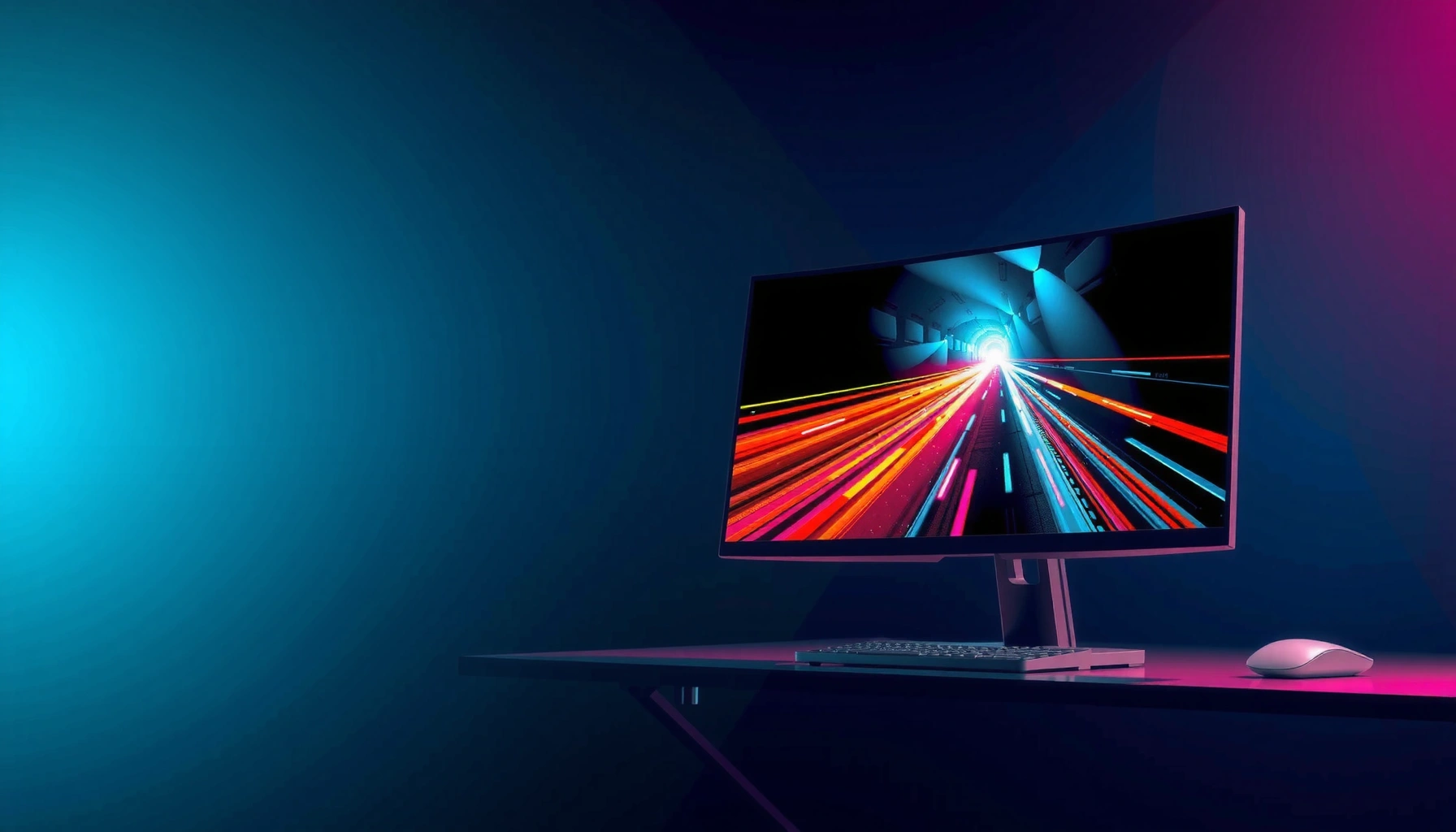
Comparison of input lag between 144Hz and 240Hz displays for gaming performance

144Hz vs 240Hz Input Lag: Which Feels Lower?

144Hz vs 240Hz input lag is only one question with a clear answer: which refresh rate actually feels lower in real games. If your system can drive high, stable frame rates, 240Hz typically delivers measurably lower latency and faster perceived response than 144Hz. But if you can’t consistently hit those frames, the advantage shrinks fast…

Read Full News
Visual representation of 160MHz Wi-Fi technology and its performance benefits.

160MHz Wi-Fi: Is It Worth It?

160MHz Wi‑Fi is worth it only if you’re chasing the highest speeds on a clean, close-range 5GHz connection with compatible clients—otherwise the gains collapse fast. This guide gives a clear verdict on when 160MHz actually delivers (and when 80MHz is the smarter choice), with the real-world factors that decide your outcome. You’ll know whether upgrading…

Read Full News
Illustration of Wi-Fi signal interference between neighboring networks and solutions to fix it.

How to Fix Neighbor Wi-Fi Interference: Stop Signal Collisions at Home

If neighbor Wi‑Fi interference is tanking your speeds, here’s how to fix it by stopping signal collisions at home—fast. You’ll get a clear, practical checklist that pinpoints the real cause (overlapping channels and weak placement) and then applies the most effective fixes. Follow these steps and you’ll see fewer drops and steadier performance, even in…

Read Full News