

Smart grids are revolutionizing our energy landscape by significantly enhancing the efficiency and reliability of renewable energy sources. By integrating advanced technologies, smart grids facilitate real-time data exchange and demand management, paving the way for a cleaner, more sustainable future. In this article, we will explore how smart grids optimize renewable energy, improve energy distribution, and contribute to a sustainable energy future.
Understanding Smart Grids
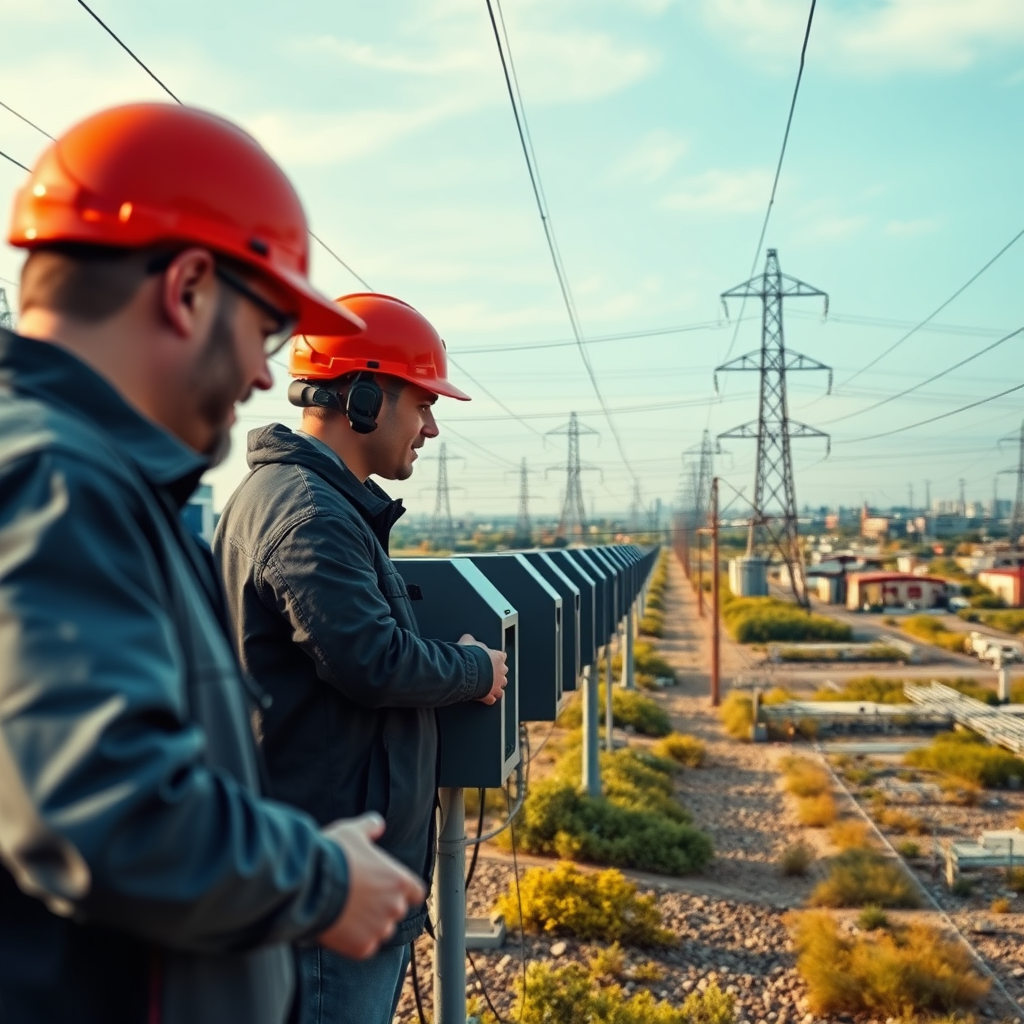
Smart grids are modernized electrical grids that use digital technology to monitor and manage the transport of electricity from all generation sources to meet the varying electricity demands of end-users. Their purpose is not only to improve the reliability and efficiency of electricity delivery but also to enable the integration of renewable energy sources, thus contributing to a sustainable energy ecosystem.
Key technologies involved in smart grids include the Internet of Things (IoT), artificial intelligence (AI), and big data analytics. The IoT connects devices and sensors throughout the grid, allowing for real-time data collection and communication. AI algorithms analyze this data to predict energy consumption patterns and optimize energy distribution. Big data analytics plays a crucial role in processing vast amounts of information generated by these smart devices, enabling utilities to make informed decisions quickly. Together, these technologies create a responsive and adaptive grid that can accommodate the fluctuating nature of renewable energy sources.
Benefits of Smart Grids for Renewable Energy

One of the most significant benefits of smart grids is enhanced energy efficiency. Through real-time monitoring and control, utilities can better manage electricity flow, reducing waste and lowering costs. For instance, smart meters provide consumers with real-time data about their energy usage, encouraging them to shift their consumption during off-peak hours. This not only saves money for consumers but also eases the load on the grid during peak demand times.
Moreover, smart grids facilitate the improved integration of diverse renewable sources like solar and wind. Traditional grids often struggle to accommodate these intermittent energy sources due to their variable output. However, with smart grid technology, utilities can dynamically balance supply from renewable sources with demand, ensuring a stable and reliable energy supply. This flexibility allows for a higher percentage of renewables to be utilized, ultimately reducing our reliance on fossil fuels and lowering greenhouse gas emissions.
How Smart Grids Facilitate Energy Distribution
Dynamic load balancing is a key feature of smart grids that helps to match energy supply with demand effectively. By analyzing real-time data, smart grids can predict when demand will spike and adjust the energy distribution accordingly. This means that during times of high demand, energy can be dispatched from sources that are readily available, while during low demand periods, excess energy can be stored or redirected.
Additionally, smart grids reduce transmission losses by optimizing energy flow. Traditional grids often face challenges such as energy loss due to resistance in power lines, especially when transmitting electricity over long distances. Smart grids mitigate these losses by using advanced monitoring and control technologies that ensure energy is transferred as efficiently as possible. This not only improves the overall efficiency of the grid but also leads to cost savings for both utilities and consumers.
The Role of Smart Grids in Energy Storage
Energy storage systems, such as batteries, play a pivotal role in managing the intermittent nature of renewable energy sources. Smart grids can integrate these systems effectively, allowing excess energy generated during peak sunlight or wind periods to be stored for later use. This integration helps to smooth out the supply of renewable energy, making it more reliable.
Strategies for utilizing stored energy during peak demand periods can include demand response programs, where consumers are incentivized to reduce their energy consumption during high-demand times. For example, residential battery systems can discharge stored energy back into the grid during peak hours, providing much-needed support to the overall energy system. This not only enhances grid reliability but also empowers consumers to take an active role in energy management.
Case Studies: Successful Implementations
Several cities and regions worldwide have successfully implemented smart grid technology, showcasing its effectiveness in enhancing renewable energy adoption. In San Diego, California, the city has integrated a smart grid system that optimizes energy use and supports a growing number of solar installations. As a result, San Diego has one of the highest rates of distributed solar power in the nation, with significant improvements in grid reliability and resilience.
Another notable example is Denmark, which has made impressive strides in wind energy integration through its smart grid initiatives. By employing advanced forecasting techniques and smart grid technologies, Denmark has managed to generate more than 40% of its electricity from wind, demonstrating the potential of smart grids to support high levels of renewable energy penetration while maintaining grid stability.
Future Trends in Smart Grids and Renewable Energy
As we look towards the future, several innovations will further enhance the capabilities of smart grids. One significant trend is the growing role of blockchain technology in energy systems. Blockchain can facilitate peer-to-peer energy trading, allowing consumers to buy and sell excess renewable energy directly with one another. This decentralized approach not only empowers consumers but also enhances grid resilience.
Additionally, advancements in AI and machine learning will enable even more sophisticated energy management strategies. These technologies can analyze patterns in energy usage and generation, allowing utilities to predict demand more accurately and optimize energy distribution in real-time. Such innovations will be crucial as we strive to meet increasing energy demands while transitioning to a low-carbon energy system.
Challenges and Solutions
Despite the many benefits of smart grid technology, there are challenges to its implementation. Common obstacles include high upfront costs, the complexity of integrating new technologies with existing infrastructure, and regulatory hurdles. Additionally, ensuring data security and privacy remains a significant concern as grids become more interconnected.
To overcome these challenges, stakeholders can pursue several solutions. Public-private partnerships can help fund smart grid projects, spreading the financial burden and risk. Moreover, developing standardized protocols for data sharing and communication can streamline integration efforts. Education and outreach programs can also increase public awareness and support for smart grid initiatives, fostering a culture of innovation and sustainability.
Smart grids are transforming how we harness renewable energy, resulting in a more efficient and resilient energy system. By understanding their benefits, implementation strategies, and future trends, stakeholders can actively contribute to a sustainable energy landscape. Take action today by exploring local initiatives or advocating for smart grid policies in your community. Together, we can build a brighter, greener future for all.
Frequently Asked Questions
What is a smart grid and how does it optimize renewable energy?
A smart grid is an advanced electrical grid that uses digital technology to monitor and manage the transport of electricity from all generation sources to meet varying electricity demands. By integrating renewable energy sources like solar and wind, smart grids optimize energy distribution, enhance grid reliability, and reduce energy waste. They achieve this through real-time data analytics, demand response strategies, and improved energy storage solutions, making the overall system more efficient and environmentally sustainable.
How do smart grids enhance energy efficiency in homes and businesses?
Smart grids enhance energy efficiency by enabling two-way communication between utility providers and consumers. This allows for real-time monitoring of energy consumption, helping users identify peak usage times and adjust their behavior accordingly. Additionally, smart meters provide detailed insights into energy usage patterns, which can lead to better energy management practices, ultimately reducing costs and lowering carbon footprints.
Why are smart grids important for the future of renewable energy?
Smart grids are crucial for the future of renewable energy because they facilitate the integration of diverse energy sources into the existing power infrastructure. As renewable energy generation becomes more prevalent, smart grids allow for better management of intermittent resources like solar and wind, ensuring a stable energy supply even when generation fluctuates. Furthermore, they support grid resilience, enabling a quick response to outages and maintaining energy reliability as demand grows.
What are the best technologies used in smart grids for optimizing renewable energy?
The best technologies used in smart grids include advanced metering infrastructure (AMI), energy management systems (EMS), and demand response technologies. AMI provides real-time data on energy consumption, allowing for more efficient energy use, while EMS helps in optimizing energy dispatch and storage. Additionally, demand response technologies incentivize consumers to reduce or shift their electricity usage during peak periods, maximizing the utility of renewable energy sources and enhancing overall grid stability.
Which challenges do smart grids face in optimizing renewable energy integration?
Smart grids face several challenges in optimizing renewable energy integration, including cybersecurity risks, high initial investment costs, and the need for regulatory frameworks that support technological advancements. Additionally, the variability of renewable energy sources can complicate energy management, requiring sophisticated forecasting and storage solutions. Overcoming these challenges is essential for realizing the full potential of smart grids in promoting cleaner, more sustainable energy systems.
References
- Smart grid
- Grid Modernization and the Smart Grid | Department of Energy
- https://www.nrel.gov/docs/fy20osti/74111.pdf
- https://www.sciencedirect.com/science/article/pii/S1364032119301889
- https://www.researchgate.net/publication/332531640_Smart_grids_for_renewable_energy_integration
- https://www.IEEE.org/publications_standards/publications/overview/smart-grid.html
- https://www.nist.gov/programs-projects/smart-grid
- https://www.bbc.com/news/science-environment-56491912