
The future of AI-driven real-time animation creation is incredibly promising, poised to transform how animations are made and experienced. By harnessing powerful algorithms, this technology is set to streamline the animation process, making it more efficient and accessible for creators of all skill levels. This article will delve into the evolution of animation technology, examine how AI is reshaping animation creation, and explore the benefits, applications, challenges, and future trends of this exciting field.
The Evolution of Animation Technology
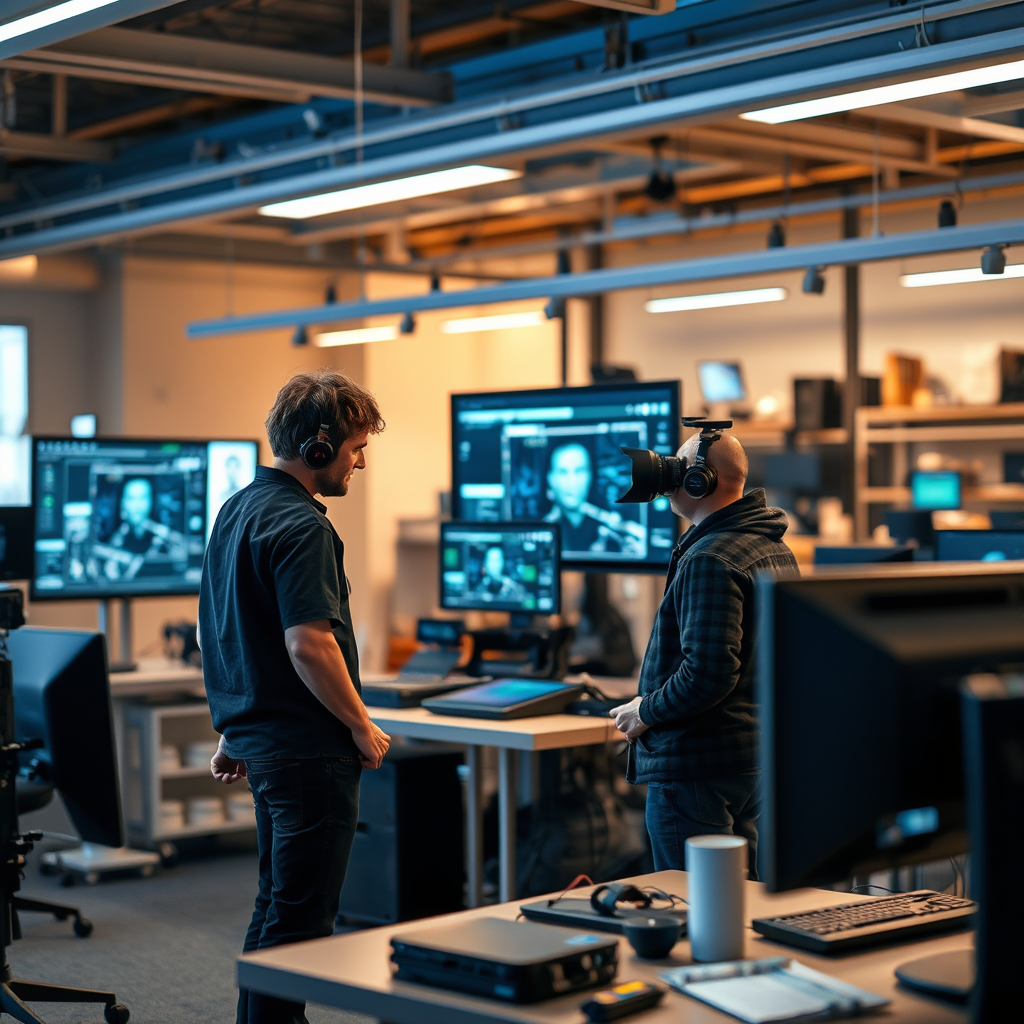
Traditional animation methods, while historically significant, come with inherent limitations. Techniques such as hand-drawn animation or stop-motion can be incredibly time-consuming and labor-intensive. Animators often spend countless hours crafting each frame, which can lead to high production costs and lengthy timelines. However, significant milestones in animation technology have paved the way for the integration of AI.
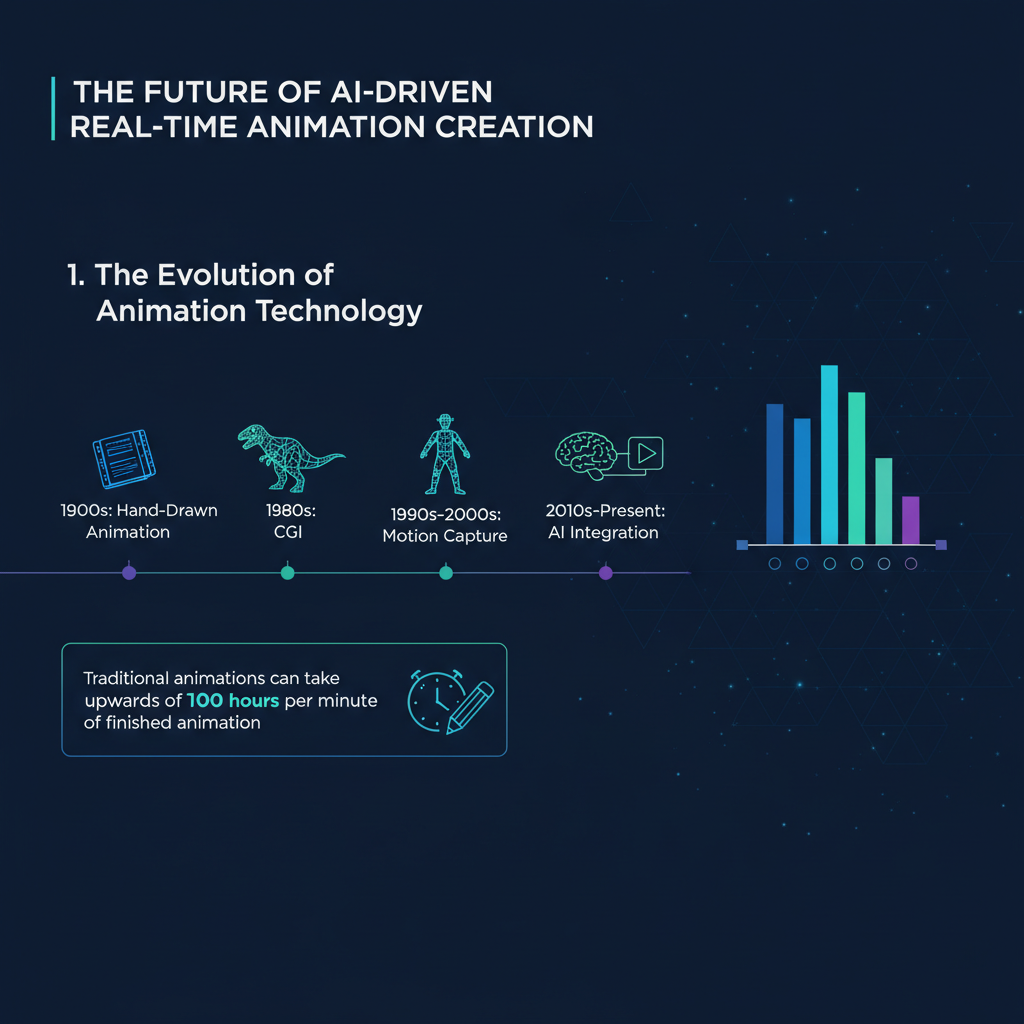
From the advent of computer-generated imagery (CGI) in the late 20th century to the rise of motion capture technology, the animation landscape has changed dramatically. The introduction of software like Adobe After Effects and Blender allowed for greater creative freedom and efficiency. Yet, it wasn’t until the emergence of AI technologies, such as machine learning and neural networks, that the potential for real-time animation creation truly began to materialize. These advancements are not just incremental; they represent a paradigm shift, enabling animators to create more dynamic and engaging content in far less time.
How AI is Transforming Animation Creation

AI is revolutionizing animation creation through sophisticated algorithms that learn and adapt. Machine learning models analyze vast amounts of data, allowing them to understand patterns and generate content that aligns with a creator’s vision. Neural networks, particularly generative adversarial networks (GANs), have shown remarkable capabilities in producing realistic animations based on user inputs.
Tools like Adobe Character Animator and NVIDIA Omniverse are leading the charge in utilizing AI for real-time animation. For instance, Adobe Character Animator allows animators to create lifelike characters that can mimic facial expressions and movements in real-time, using webcam technology. Similarly, NVIDIA’s Omniverse provides a collaborative environment where artists can work together seamlessly while leveraging AI to enhance their workflow. These tools not only streamline the animation process but also empower creators to experiment and innovate in ways that were previously unimaginable.
Benefits of Real-Time Animation with AI
The integration of AI in animation creation offers remarkable benefits, particularly in terms of efficiency and cost reduction. Animators can produce high-quality animations in a fraction of the time it once took, allowing for quicker turnarounds and increased output. This efficiency is especially crucial in industries like advertising and social media, where trends change rapidly, and timely content is king.
Moreover, AI enhances creativity by generating suggestions and variations that animators might not have considered. For example, an AI tool can propose alternative color palettes, character designs, or even storyline suggestions based on user input and current trends. This collaborative approach between human creativity and AI innovation not only enriches the creative process but also encourages experimentation and exploration.
Applications Across Different Industries
The applications of AI-driven real-time animation creation span a multitude of industries. In film and entertainment, this technology is enhancing storytelling in ways we are only beginning to understand. Virtual reality (VR) and augmented reality (AR) experiences are becoming more immersive, with AI-generated animations that react to user interactions in real-time. For example, VR games can now feature dynamic worlds that change based on player actions, thanks to AI algorithms.
In the gaming industry, developers are utilizing AI to create more responsive and engaging environments. Games can now offer personalized experiences, adapting animations based on a player’s style and choices. Similarly, in advertising, companies are leveraging AI to produce tailored content that resonates with specific audiences, ensuring their messages are both impactful and memorable.
Educational content creation is another area ripe for AI integration. Animated tutorials and interactive learning modules can be generated quickly, making educational resources more engaging and accessible to a wider audience. By using AI-driven animations, educators can capture students’ attention and enhance the learning experience.
Challenges and Ethical Considerations
Despite the many benefits, AI in animation creation is not without its challenges and ethical concerns. One significant limitation is AI’s struggle to fully understand human emotions and nuances. While AI can generate visually stunning work, it may lack the emotional depth and subtlety that human artists bring to their creations. This gap raises questions about the authenticity and emotional resonance of AI-generated content.
Additionally, there are concerns regarding copyright and originality. As AI tools generate content based on existing works, issues of ownership and intellectual property arise. Who owns the rights to an animation created by an AI tool? Is it the user, the software developer, or the AI itself? These questions are critical as the industry navigates the evolving landscape of AI-generated art. It is essential for creators and stakeholders to engage in discussions about responsible use and ethical practices in AI animation.
Future Trends in AI-Powered Animation
Looking ahead, the next five to ten years in AI-powered animation technology promise exciting developments. We can anticipate more sophisticated AI tools that will further blur the lines between human creativity and machine-generated content. Emerging tools may include advanced motion capture systems that allow animators to create realistic movements with minimal input or software that can analyze audience reactions to tailor animations in real-time.
Moreover, as AI algorithms improve, we may see a rise in personalized content creation, where animations are tailored to individual preferences and behaviors. This level of customization could transform how stories are told and experienced, allowing audiences to become active participants in the narrative. As technology continues to evolve, those who embrace these changes will likely lead the way in innovative storytelling.
Getting Started with AI Animation Tools
For those looking to dive into the world of AI-driven animation, there are several software options and resources available for both beginners and seasoned professionals. Tools like Adobe Character Animator, Blender, and Unity are excellent starting points, offering a range of features that incorporate AI capabilities.
As you explore these tools, consider the following tips for integrating AI-powered solutions into your animation workflow:
1. Start Small: Experiment with one aspect of AI integration at a time, whether it’s using motion capture or trying out an AI suggestion feature.
2. Stay Updated: The field of AI is rapidly evolving. Keep an eye on industry news, attend webinars, and engage with online communities to stay informed about the latest tools and techniques.
3. Collaborate: Leverage AI tools to enhance your creativity, but remember to maintain your artistic voice. Use AI-generated suggestions as a springboard for your ideas rather than a replacement for your unique style.
4. Practice: The more you use these tools, the more proficient you’ll become. Regular practice will help you discover new ways to incorporate AI into your projects.
The advancements in AI-powered real-time animation creation promise to redefine the industry, making animation more intuitive and diverse. As technology continues to evolve, it’s essential for animators and creators to stay informed and adapt to these changes. Explore the tools and trends discussed here to harness the potential of AI in your own projects, and embrace the future of animation with open arms!
Frequently Asked Questions
What are the key benefits of using AI-powered real-time animation creation tools?
AI-powered real-time animation creation tools offer several key benefits, including faster production times, cost efficiency, and enhanced creative possibilities. By automating tedious tasks such as character rigging and motion capture, these tools allow animators to focus on storytelling and creative direction. Additionally, real-time rendering capabilities enable instant feedback, making it easier for teams to iterate and refine animations in a collaborative environment.
How does AI technology improve the animation creation process?
AI technology enhances the animation creation process by utilizing machine learning algorithms to analyze and predict movement patterns, making character animations more lifelike and dynamic. AI can also assist in generating realistic facial expressions and lip-syncing, which traditionally required extensive manual effort. This results in higher-quality animations produced in significantly less time, ultimately streamlining workflows and reducing production costs.
Why should businesses invest in AI-powered animation solutions?
Businesses should consider investing in AI-powered animation solutions to stay competitive in a rapidly evolving digital landscape. These solutions not only reduce the time and resources spent on animation but also enhance audience engagement through more immersive and interactive content. Furthermore, AI-driven tools can help brands create personalized experiences, catering to individual user preferences and boosting overall customer satisfaction.
What are the best AI tools for real-time animation creation available today?
Some of the best AI tools for real-time animation creation include Adobe Character Animator, Blender with AI plugins, and Unreal Engine, which incorporates AI for realistic graphics and animation. Each of these platforms offers unique features, such as intuitive interfaces, powerful rendering capabilities, and integration with other creative software, catering to different skill levels and project requirements. Exploring these options can help animators choose the right tool that aligns with their specific needs and goals.
Which industries can benefit the most from AI-powered real-time animation technology?
Various industries can significantly benefit from AI-powered real-time animation technology, including gaming, film and television, advertising, and e-learning. In gaming, for example, real-time animation enhances user experiences through interactive environments. The film and advertising sectors can leverage AI to create compelling visual narratives, while e-learning platforms can utilize animations to simplify complex concepts, making information more accessible and engaging for learners.
References
- Animation
- https://www.sciencedirect.com/science/article/pii/S0895717720301335
- https://www.nytimes.com/2021/06/15/technology/ai-animation.html
- https://www.bbc.com/news/technology-57213204
- https://www.technologyreview.com/2020/11/30/1012289/ai-animation-creation/
- https://www.frontiersin.org/articles/10.3389/fcomp.2021.746732/full
- https://www.researchgate.net/publication/353123456_AI_in_Animation_Creation
- https://www.arts.gov/publications/ai-and-arts-2022-report
- https://www.wired.com/story/ai-animation-technology-future/