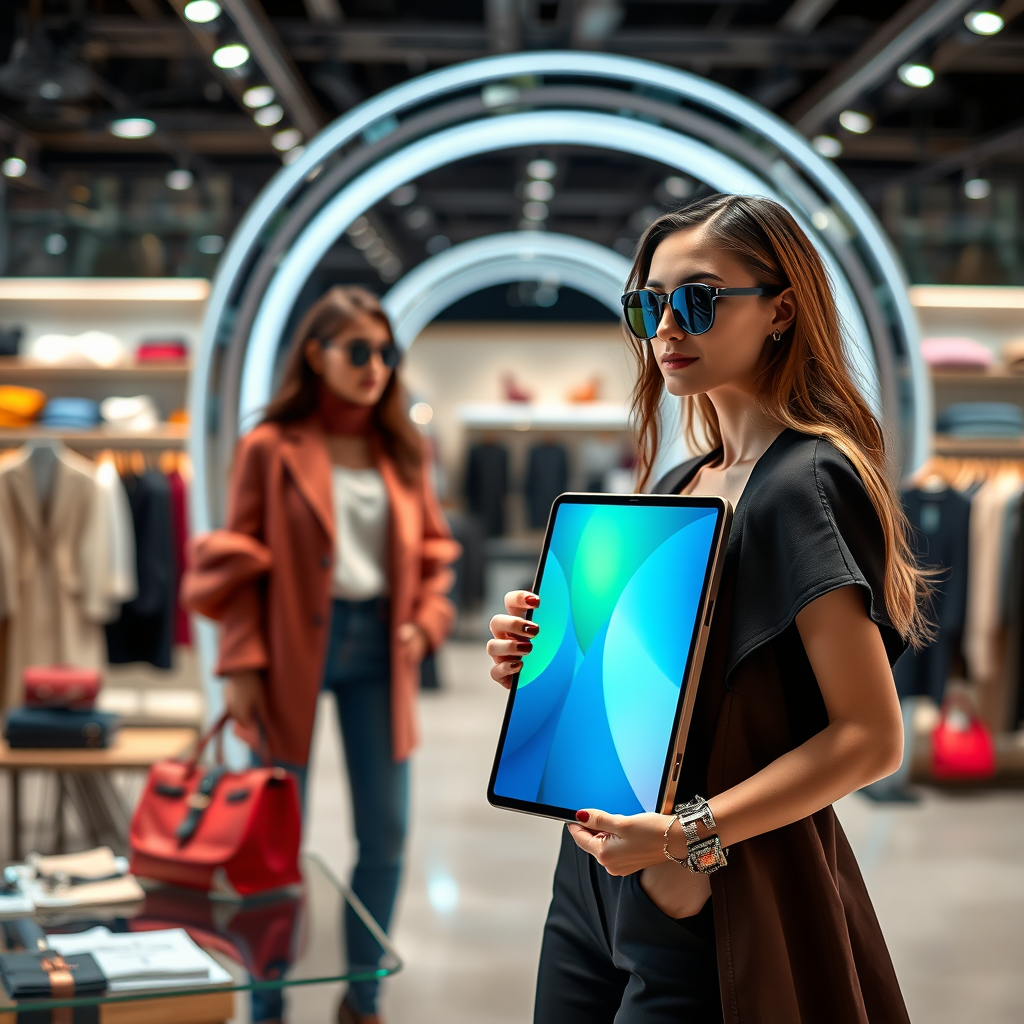

Flexible and foldable displays are revolutionizing technology by offering unmatched versatility and portability. These innovative screens promise to change how we interact with devices, making them more adaptable to our lifestyles. In this article, we’ll delve into the latest advancements in display technology, explore a range of potential applications, and discuss what these developments mean for both consumers and industries.
The Current State of Flexible and Foldable Displays
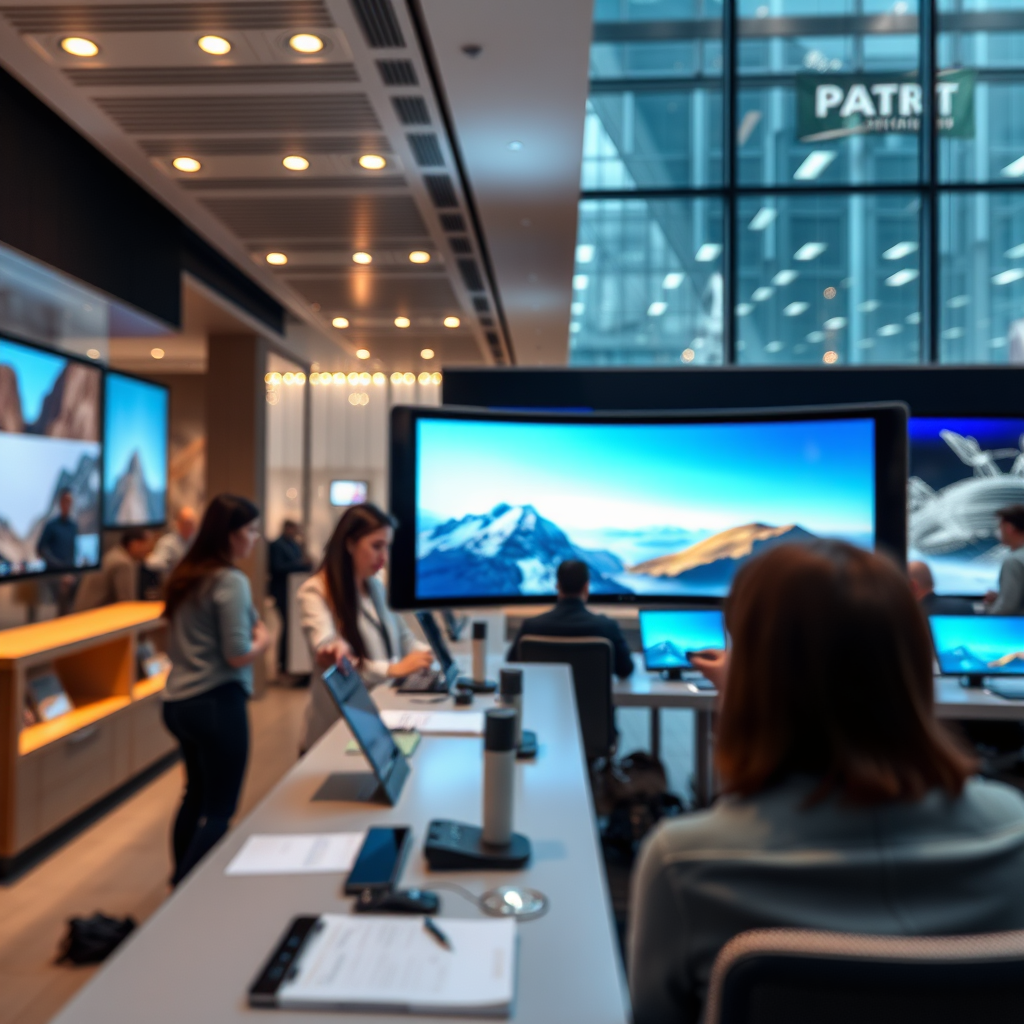
The realm of flexible and foldable displays is rapidly evolving, with several key players leading the charge. Prominent manufacturers such as Samsung, Huawei, and LG are at the forefront, producing devices that showcase the immense potential of this technology. For example, Samsung’s Galaxy Z Fold series and Huawei’s Mate X have garnered significant attention for their innovative designs and functionality.

Current flexible and foldable displays boast impressive features, including high resolution and enhanced durability. Many of these screens utilize AMOLED technology, which allows for vibrant colors and deep blacks while maintaining the flexibility required for bending and folding. As a result, users can enjoy stunning visuals on devices that can be easily packed away in a pocket or bag. Moreover, advancements in glass technology, such as Gorilla Glass and flexible polymers, have improved the durability of these displays, making them more resistant to scratches and damage.
Innovations Driving the Future
The future of flexible displays is being propelled by groundbreaking innovations in materials and technology. OLED (Organic Light Emitting Diode) technology continues to be a game-changer, offering the capability to create thinner and more flexible displays. Additionally, microLED technology is emerging as a promising alternative as it combines the benefits of OLED with improved brightness and efficiency.
Research and development efforts are heavily focused on enhancing flexibility and resilience. For instance, scientists are experimenting with materials like ultra-thin glass and advanced polymers that can withstand repeated bending without losing performance. These materials not only contribute to better display qualities but also pave the way for new form factors and innovative device designs. With continued investment in R&D, the possibilities for future applications are virtually limitless.
Applications Across Industries
The potential applications for flexible and foldable displays extend far beyond consumer electronics. In the realm of consumer devices, we are already witnessing foldable smartphones, tablets, and wearables. For instance, fitness trackers and smartwatches are beginning to incorporate flexible displays that conform to the user’s wrist, providing a more comfortable and streamlined experience.
Looking beyond consumer electronics, flexible displays hold remarkable potential in the automotive and healthcare sectors. In the automotive world, manufacturers are exploring flexible screens for dashboards, enabling custom layouts that can adapt to the driver’s preferences. In healthcare, flexible displays can be integrated into wearable devices, allowing for real-time monitoring of vital signs and health metrics.
Challenges and Limitations
Despite the exciting advancements, flexible and foldable displays face several challenges that could hinder widespread adoption. One significant technical obstacle is screen durability; while manufacturers are making strides in resilience, concerns about long-term wear and tear remain. Additionally, the production costs associated with creating these advanced displays can be high, potentially leading to higher prices for consumers.
Consumer acceptance is another critical factor influencing the adoption rates of flexible displays. Many users are still hesitant to invest in foldable devices due to concerns about reliability and practicality. Furthermore, the competitive landscape is intense, with many companies vying for market share, making it essential for brands to differentiate their offerings effectively.
Future Trends to Watch
As we look ahead, several emerging trends in design and user experience for flexible displays are worth noting. One prominent trend is the development of multi-fold devices, allowing users to expand their screens even further. Companies are also exploring the integration of augmented reality (AR) and virtual reality (VR) capabilities within flexible displays, creating immersive experiences that blend the digital and physical worlds.
Predictions for the next 5-10 years indicate that foldable technology will continue to evolve with improved functionality and affordability. As manufacturing processes become more efficient and consumer familiarity grows, we can expect to see a wider range of devices incorporating flexible displays, from laptops to home appliances.
Environmental Impact and Sustainability
Sustainability is a pressing concern in the tech industry, and flexible displays are no exception. The materials used in their production—like plastics and metals—raise questions about environmental impact. However, manufacturers are actively working to improve the sustainability of these materials, focusing on recyclable options and reducing the carbon footprint of production processes.
Efforts toward recycling and reducing electronic waste are also gaining momentum. Many companies are implementing take-back programs and encouraging consumers to recycle old devices. As the industry shifts toward more sustainable practices, we can hope for a future where flexible displays are not only innovative but also environmentally responsible.
Consumer Insights and Expectations
Understanding consumer insights is crucial for shaping the future of flexible displays. Recent surveys indicate a growing interest in foldable devices, particularly among younger demographics who value unique and multifunctional technology. Many consumers expect these devices to be versatile, allowing seamless transitions between work and play.
As manufacturers take consumer feedback into account, we can anticipate innovations that cater to user preferences, such as improved battery life, enhanced durability, and intuitive interfaces. By prioritizing user experience, companies can foster loyalty and drive the adoption of flexible displays.
The advancements in flexible and foldable displays are not just technical feats; they represent a shift in how we engage with technology daily. By harnessing the power of innovation and understanding consumer needs, the future of displays looks bright and full of exciting possibilities. Embrace the future of displays and explore the exciting opportunities they bring!
Frequently Asked Questions
What are flexible and foldable displays, and how do they work?
Flexible and foldable displays are advanced screen technologies that allow screens to bend or fold without damaging the underlying components. They typically utilize OLED (Organic Light Emitting Diode) technology, which offers greater flexibility than traditional LCDs. These displays work by incorporating materials like plastic substrates and thin film transistors, enabling them to maintain high resolution and vibrant colors while being lightweight and durable.
How will flexible and foldable displays impact the future of smartphones?
The introduction of flexible and foldable displays is set to revolutionize smartphone design by allowing manufacturers to create devices that are more compact and versatile. Users can enjoy larger screens in a smaller form factor, leading to enhanced multitasking capabilities and immersive experiences. Additionally, this technology opens the door for innovative designs, such as rollable phones and devices that can transform from a phone into a tablet, catering to users’ diverse needs.
Why are flexible displays considered a game-changer for the tech industry?
Flexible displays are considered a game-changer because they enable unprecedented design possibilities across various devices, from smartphones and tablets to wearables and TVs. This technology facilitates the creation of lighter, thinner, and more portable devices, enhancing user convenience. Furthermore, the durability and impact resistance of flexible materials can lead to longer-lasting products, ultimately benefiting both consumers and manufacturers.
What are the best applications for flexible and foldable displays beyond smartphones?
Beyond smartphones, flexible and foldable displays have promising applications in several areas, including wearables, automotive displays, and smart home devices. For instance, smartwatches can benefit from flexible screens that conform to the wrist for improved comfort. In the automotive sector, dashboards can utilize bendable screens to create seamless interfaces that enhance user experience, while smart home devices can adopt flexible displays for innovative design solutions.
Which companies are leading the development of flexible and foldable display technology?
Several companies are at the forefront of developing flexible and foldable display technology, with notable players including Samsung, LG, and Huawei. Samsung has made significant strides with its Galaxy Z series, while LG is pioneering rollable OLED screens for TVs. Additionally, companies like BOE and Sony are investing in research and development to bring new innovations to the market, ensuring that the competition in this technology continues to grow.
References
- Flexible display
- https://www.sciencedirect.com/science/article/pii/S2211285519300589
- https://www.nature.com/articles/s41599-021-00766-x
- https://www.bbc.com/news/technology-59130888
- https://www.theguardian.com/technology/2021/aug/23/flexible-displays-the-future-of-technology
- https://www.researchgate.net/publication/348254003_Flexible_and_Foldable_Displays_A_Review
- https://www.nist.gov/news-events/news/2021/04/foldable-displays-and-future-technology
- https://www.techrepublic.com/article/flexible-displays-are-the-future-of-smartphones-and-other-devices/