
AI and machine learning are set to revolutionize the audio industry, transforming how we create, produce, and experience sound. These technologies are reshaping everything from music production to personalized listening experiences and sound design, making them more efficient and tailored to individual needs. As we delve into this evolving landscape, it becomes clear that the future of sound will be defined by intelligent algorithms and machine-driven creativity.
The Role of AI in Music Production
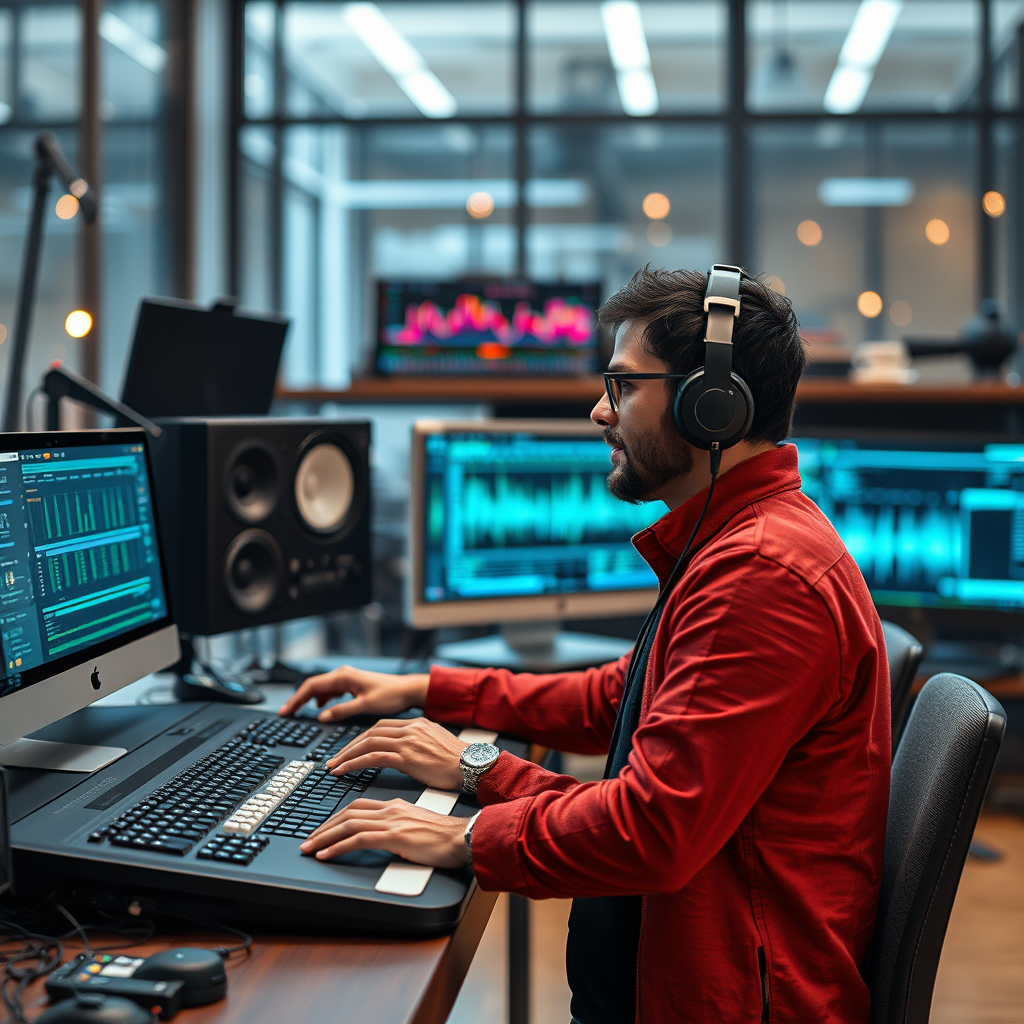
AI algorithms are becoming instrumental in music production, enabling artists and producers to harness the power of data-driven insights in their creative processes. By analyzing vast amounts of music data, these algorithms can identify emerging trends, genre characteristics, and even predict the next hit song. For instance, platforms like Amper Music and AIVA use AI to assist artists in composition, allowing them to generate melodies and harmonies that align with their artistic vision.
Moreover, machine learning tools are streamlining the mixing and mastering process. These tools can analyze the frequency ranges and dynamics of tracks, suggesting adjustments that enhance overall sound quality. Companies such as LANDR offer AI-driven mastering services that provide artists with professional-quality results without the need for extensive technical knowledge. This democratization of music production empowers a broader range of creators, from seasoned professionals to novices, to produce high-quality audio.
Personalized Listening Experiences

The advent of AI-driven platforms has revolutionized how listeners engage with music. Streaming services like Spotify and Apple Music leverage AI to curate personalized playlists based on individual listening habits, preferences, and even mood. By analyzing user data, these platforms can offer recommendations that feel tailor-made, enhancing user satisfaction and encouraging deeper engagement with the music.
Machine learning also plays a crucial role in refining recommendation systems. By continuously learning from user interactions, these algorithms become increasingly adept at suggesting content that resonates with each listener’s unique taste. This personalization extends beyond just music; it encompasses podcasts, audiobooks, and other audio content, ensuring that users receive a curated experience that aligns with their interests.
Sound Design Innovations
AI tools are pushing the boundaries of sound design, particularly in the realms of film and gaming. With the help of AI, sound designers can create highly realistic soundscapes that enhance immersion and emotional engagement. For example, AI-generated ambient sounds can adapt dynamically to changing scenes in films or video games, providing an experience that feels alive and responsive.
Moreover, machine learning algorithms are capable of generating unique sound effects that defy traditional sound design limitations. These innovations allow creators to explore new sonic territories, resulting in fresh and captivating audio experiences. As technology evolves, we can expect an even greater synergy between AI and human creativity, leading to innovative sound design methodologies that enhance storytelling across various media.
Top AI Tools for Sound Design (2024)
| # | Tool | Main Features | Usage | Rating |
|---|---|---|---|---|
| 1 | Amper Music | Music composition AI | Artists, Producers | ★★★★☆ |
| 2 | LANDR | Automated mastering | Musicians | ★★★★☆ |
| 3 | AIVA | AI composition tool | Composers | ★★★★☆ |
| 4 | Soundly | Sound effects library | Sound Designers | ★★★★☆ |
| 5 | Endlesss | Collaborative jamming | Musicians | ★★★★☆ |
| 6 | Sonible | Intelligent EQ | Producers | ★★★★☆ |
| 7 | iZotope Ozone | All-in-one mastering suite | Producers | ★★★★★ |
Audio Restoration and Enhancement
One of the most impactful applications of AI in audio technology lies in audio restoration and enhancement. AI technologies can effectively restore old recordings, working to remove unwanted noise and artifacts that detract from the listening experience. For example, tools like Adobe Audition and Acon Digital’s DeNoise utilize AI algorithms to analyze audio signals, isolating and eliminating background noise while preserving the original quality of the sound.
In addition to restoration, machine learning models play a significant role in enhancing audio quality for streaming and broadcasting. These models can dynamically adjust bitrate and audio quality based on network conditions, ensuring a consistently high-quality experience for listeners. This capability is crucial as streaming becomes the predominant method of audio consumption, emphasizing the need for technology that adapts to varying conditions without compromising sound fidelity.
Audio Restoration Tools Comparison (2024)
Challenges and Ethical Considerations
As AI and machine learning technologies become more integrated into the audio industry, they bring forth important challenges and ethical considerations. One major concern revolves around copyright and ownership of generated content. As AI systems are trained on existing music and sound data, questions arise regarding who owns the rights to the compositions produced using these algorithms. This legal ambiguity poses risks for artists and producers who may unintentionally infringe on copyrights.
Furthermore, there are growing concerns about the authenticity of human-created versus machine-generated audio. As AI-generated music becomes more sophisticated, distinguishing between human and machine contributions may become increasingly difficult. This could lead to potential devaluation of human artistry, as listeners may question the integrity of the music they consume. Addressing these ethical concerns will require ongoing dialogue within the industry, balancing innovation with respect for artistic ownership.
Future Trends in Audio Technology
Looking ahead, the integration of AI and machine learning into audio technology is expected to continue evolving, leading to even more sophisticated tools and capabilities. Emerging AI technologies will likely enhance automation in sound design, enabling creators to focus more on the artistic aspects rather than the technical details of production.
Moreover, the integration of spatial audio and immersive experiences is set to grow, driven by advancements in machine learning. Technologies such as Dolby Atmos are already pushing the boundaries of how sound is experienced in both film and music, creating a more immersive auditory environment. As these technologies mature, we can anticipate new ways to engage listeners, offering experiences that are not just heard but felt.
The future of sound is undeniably intertwined with the advancements in AI and machine learning. As these technologies continue to evolve, they will redefine how we create, produce, and experience sound. For creators, producers, and listeners alike, embracing these innovations will be key to unlocking new possibilities within the audio landscape. By staying informed and adaptable, we can harness the transformative potential of AI, ensuring that the future of sound remains vibrant and dynamic.
Frequently Asked Questions
What are the benefits of using AI and machine learning in audio production?
AI and machine learning enhance audio production by automating repetitive tasks, improving sound quality, and enabling advanced sound design. These technologies can analyze audio data to suggest optimal mixing techniques, reduce background noise, and even create unique soundscapes, allowing producers to focus on creativity rather than technical challenges.
How is AI transforming music composition and songwriting?
AI is revolutionizing music composition by offering tools that assist in generating melodies, harmonies, and even lyrics. Software powered by machine learning can analyze vast musical datasets to understand patterns and styles, helping songwriters overcome creative blocks and explore new genres with ease, ultimately speeding up the songwriting process.
Why should audio engineers embrace AI technologies in their workflow?
Embracing AI technologies can significantly enhance an audio engineer’s workflow by streamlining processes and increasing efficiency. AI tools can handle tasks such as audio restoration, mastering, and sound selection more quickly and accurately than manual methods, allowing engineers to deliver higher-quality results while saving time and reducing stress.
What are the best AI tools for audio editing available today?
Some of the best AI tools for audio editing include iZotope’s RX series for audio repair, LANDR for automated mastering, and AIVA for AI-driven music composition. These tools leverage advanced algorithms to provide intuitive solutions, making them invaluable for both professional audio engineers and amateur musicians looking to enhance their projects.
Which industries are most impacted by AI and machine learning in audio?
The music, film, and gaming industries are among the most impacted by AI and machine learning in audio. These technologies are used to create realistic sound effects, enhance audio quality in film productions, and generate adaptive soundtracks in video games, ultimately transforming how audiences experience sound in various media.
References
- https://en.wikipedia.org/wiki/Machine_learning_in_music
https://en.wikipedia.org/wiki/Machine_learning_in_music - https://www.sciencedirect.com/science/article/pii/S1877050919310354
https://www.sciencedirect.com/science/article/pii/S1877050919310354 - https://www.nature.com/articles/s41599-020-00508-5
https://www.nature.com/articles/s41599-020-00508-5 - https://www.bbc.com/future/article/20211020-how-ai-is-changing-the-way-we-listen-to-music
https://www.bbc.com/future/article/20211020-how-ai-is-changing-the-way-we-listen-to-music - https://www.theguardian.com/music/2021/jul/12/ai-music-generation-how-artificial-intelligence-is-changing-the-industry
https://www.theguardian.com/music/2021/jul/12/ai-music-generation-how-artificial-intelligence-is-changing-the-industry - https://www.ncbi.nlm.nih.gov/pmc/articles/PMC7574166/
https://www.ncbi.nlm.nih.gov/pmc/articles/PMC7574166/ - Google Scholar Google Scholar
https://scholar.google.com/scholar?q=AI+and+Machine+Learning+in+Audio - Google Scholar Google Scholar
https://scholar.google.com/scholar?q=Future+of+Sound+AI+Machine+Learning - Google Scholar Google Scholar
https://scholar.google.com/scholar?q=Artificial+Intelligence+in+Music - https://www.reuters.com/technology/music-industry-embraces-ai-as-it-struggles-adapt-2021-04-21/
https://www.reuters.com/technology/music-industry-embraces-ai-as-it-struggles-adapt-2021-04-21/