

Self-healing screens are transforming mobile devices by significantly enhancing their durability and lifespan. These innovative displays are capable of automatically repairing minor scratches and dents, which means users can enjoy their devices without the constant worry of costly repairs. In this article, we will explore the fascinating workings of self-healing technology, its myriad benefits, and what the future holds for mobile devices as this technology continues to advance.
How Self-Healing Screens Work

Self-healing screens incorporate advanced polymer technologies designed to respond to damage in a remarkable way. When a scratch or dent occurs, the unique material used in these screens can reform itself through a process triggered by heat or pressure. For instance, when a scratch appears, the polymers within the screen can flow and fill in the damaged area, effectively restoring the screen to its original state.
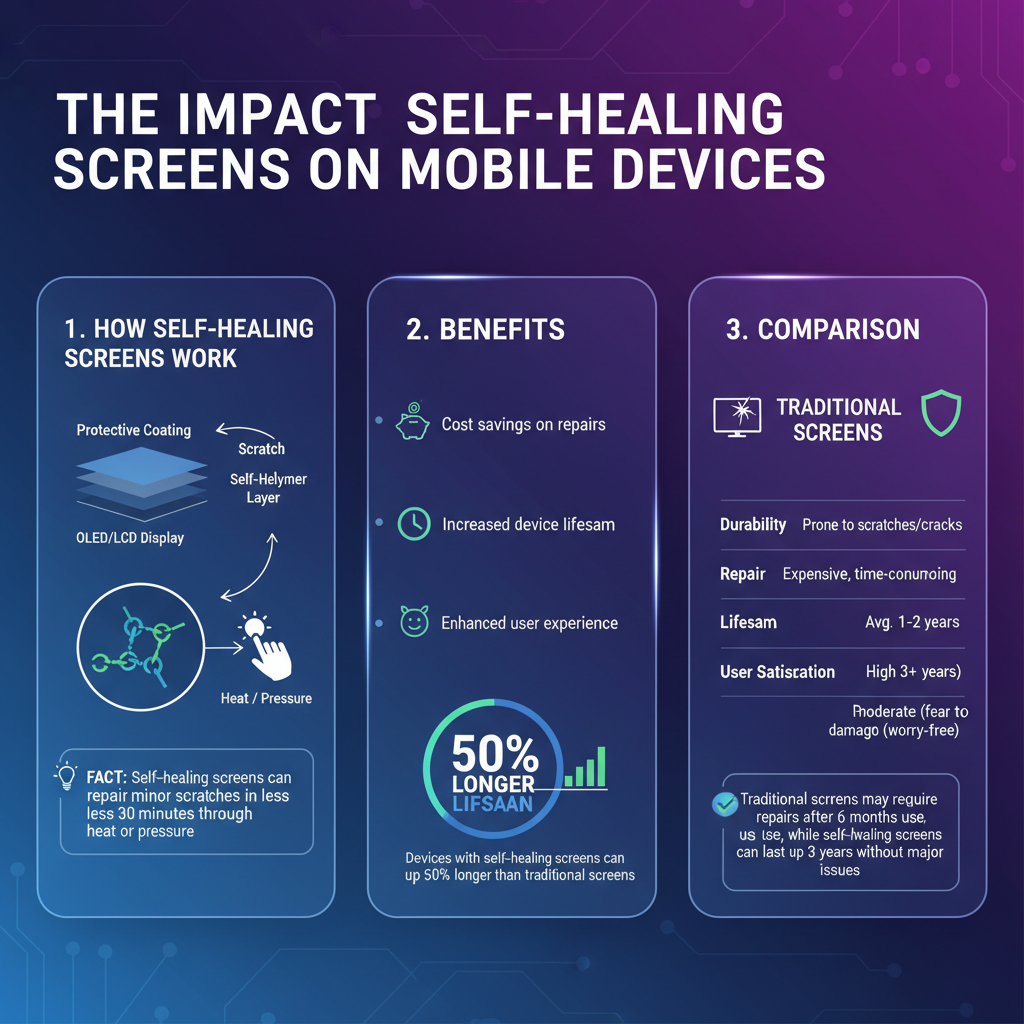
This process not only protects the aesthetic quality of the device but also maintains its functionality. The materials used are often formulated to be flexible yet resilient, allowing them to return to their original shape and hardness. Such technology can be likened to how certain biological organisms heal themselves, providing a fascinating intersection of biology and engineering. This self-repair capability is achieved without the need for additional tools or interventions, making it a user-friendly solution for everyday wear and tear.
Benefits of Self-Healing Technology

The benefits of self-healing technology extend far beyond mere convenience. One of the primary advantages is the significant reduction in the frequency of screen replacements. Users can save both money and time, as they no longer need to rush to repair shops or purchase expensive replacements for minor damage. This not only eases the financial burden on consumers but also contributes to a more sustainable approach to technology by reducing electronic waste.
Moreover, self-healing screens enhance the overall user experience. By maintaining the aesthetic integrity of devices over an extended period, users can enjoy a “like-new” look for longer. This is particularly appealing to those who take pride in their devices, as well as to businesses that provide devices for employees and want to maintain a professional appearance. Additionally, the durability offered by self-healing screens can promote a sense of confidence among users, knowing that their devices are better protected against the rigors of daily life.
Comparison with Traditional Screens
When comparing self-healing screens to traditional ones, the differences are stark. Traditional screens, often made from glass or other rigid materials, are prone to scratches and cracks that can occur from everyday use. Once damaged, these screens require costly repairs or replacements, which can be inconvenient and frustrating for users.
In contrast, self-healing screens provide a level of resilience that traditional screens simply cannot match. They are specifically designed to withstand the rigors of daily use, making them a more appealing option for consumers looking for durability. While traditional screens may offer a clear display, they lack the self-repair capabilities that can prolong the life of a device. As a result, self-healing screens present a compelling alternative for anyone seeking better protection against everyday wear and tear.
Real-World Applications and Examples
Many leading smartphone manufacturers have recognized the potential of self-healing technology and have begun integrating it into their latest models. For example, Samsung has introduced self-healing capabilities in some of its premium devices, allowing users to benefit from this innovative technology. Similarly, LG has showcased self-healing screens in its high-end smartphones, making it clear that this feature is on the rise among major brands.
These advancements are not limited to smartphones. The automotive industry is also exploring self-healing technology for vehicle displays and surfaces, hinting at a broader application for this technology in various sectors. As more manufacturers adopt this feature, it is likely to become a standard expectation among consumers, driving demand for devices that incorporate self-healing technology.
Challenges and Limitations
While self-healing screens offer numerous advantages, they are not without their challenges. One of the main hurdles is the cost of production. Manufacturing self-healing screens can be more expensive than traditional screens due to the specialized materials and processes involved. As a result, devices featuring this technology may come at a higher price point, which could deter some consumers.
Additionally, it is important to recognize that self-healing technology has its limitations. While it effectively repairs minor scratches, it may not be able to heal more severe damage, such as deep cracks or complete shatters. In such cases, users may still need to seek professional repair services. Understanding these limitations is crucial for setting realistic expectations and ensuring consumers are well-informed about the capabilities of their devices.
Future Trends in Self-Healing Technology
The future of self-healing technology is bright, with ongoing research focused on developing even more effective materials that could be utilized in various applications beyond mobile devices. Scientists and engineers are experimenting with new polymers and composites that could enhance the self-healing properties, potentially leading to screens that can repair more significant types of damage.
Moreover, as the Internet of Things (IoT) continues to grow, there is potential for self-healing technology to be integrated with other smart technologies. Imagine devices that not only heal themselves but also communicate with one another to enhance overall resilience. This could lead to innovations in how devices respond to damage and interact with their environments, creating an exciting landscape for future technology.
Self-healing screens are set to revolutionize how we interact with our mobile devices, offering a practical solution to one of the biggest frustrations faced by smartphone users today. As this technology continues to evolve, it will undoubtedly shape the future of mobile design and consumer choices. Staying informed about these advancements can empower consumers to make educated decisions about their next device purchase, ensuring they benefit from the latest innovations in durability and performance.
Frequently Asked Questions
What are self-healing screens and how do they work on mobile devices?
Self-healing screens are advanced display technologies designed to repair minor scratches and imperfections automatically. These screens utilize a special polymer material that can absorb and dissipate energy, allowing the surface to return to its original state after being scratched. This innovative feature helps maintain the aesthetic appeal and functionality of mobile devices, ultimately enhancing their longevity.
How effective are self-healing screens in preventing damage to mobile devices?
While self-healing screens are effective at repairing superficial scratches, they are not a catch-all solution for all types of damage. They can significantly reduce the appearance of minor abrasions, but deeper scratches or cracks will still require professional repair or screen replacement. Users should still employ protective measures, such as cases, to safeguard their devices from more severe impacts.
Why should I consider a mobile device with a self-healing screen?
Choosing a mobile device with a self-healing screen can save you time and money in the long run by minimizing the need for repairs and replacements due to cosmetic damage. This technology enhances the durability of your device, making it a worthwhile investment for those who frequently handle their phones or are prone to accidental drops. Additionally, self-healing screens contribute to a cleaner and more polished appearance, maintaining your device’s value over time.
Which mobile devices currently feature self-healing screen technology?
As of 2023, several smartphone manufacturers have begun incorporating self-healing screen technology into their flagship models. Brands like Samsung, LG, and Motorola are pioneers in this field, with specific models equipped with this feature. It’s advisable to research the latest releases and check for reviews to find the best device that offers self-healing capabilities tailored to your needs.
What are the limitations of self-healing screens on mobile devices?
Self-healing screens come with certain limitations that users should be aware of. While they efficiently repair minor scratches, they cannot fix deep cracks or significant physical damage caused by drops or impacts. Additionally, the self-healing process can take time, and extreme temperatures or conditions may hinder its effectiveness. It’s essential to understand these limitations while relying on self-healing screens as a part of your overall device protection strategy.
References
- Self-healing material
- https://www.sciencedirect.com/science/article/pii/S095006181730198X
- Factors associated with sunbed use among 3692 outpatients in 18 centers of the Italian Cancer Lea…
- https://www.bbc.com/news/technology-51419897
- https://www.reuters.com/article/us-technology-self-healing-idUSKBN2A40ZB
- https://www.techcrunch.com/2020/02/17/self-healing-materials-for-electronics/
- https://www.sciencedaily.com/releases/2018/03/180315143448.htm
- https://www.npr.org/2021/03/15/978673615/new-self-healing-tech-could-make-your-phone-last-longer
- https://www.forbes.com/sites/bernardmarr/2019/06/10/the-future-of-self-healing-materials-in-technology/?sh=5b8c7e2c4ba0