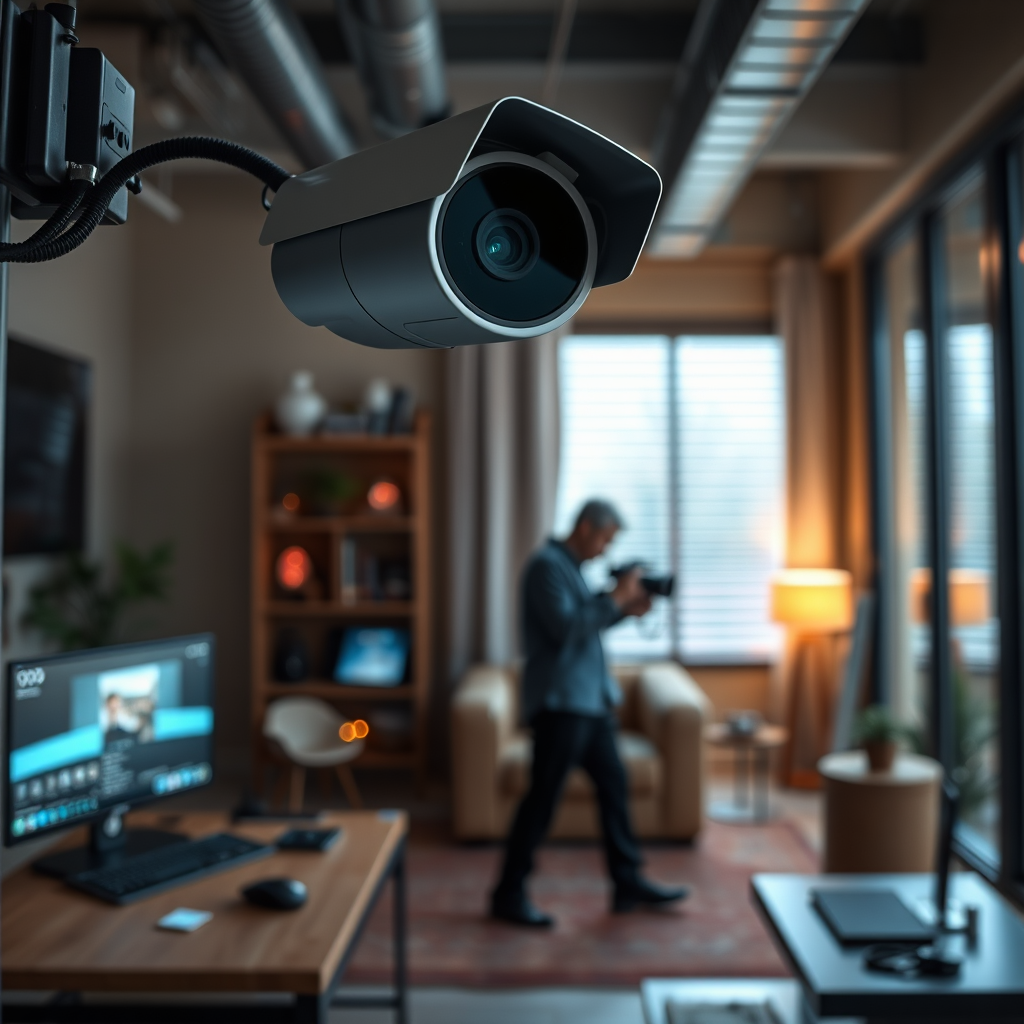

The integration of 4K and 8K surveillance cameras in law enforcement significantly enhances crime prevention and investigation efforts. These high-resolution cameras provide clearer images and more detailed evidence, crucial for identifying suspects and solving cases. By utilizing advanced surveillance technology, law enforcement agencies can improve public safety and increase the effectiveness of their operations. In this article, we will explore how these advanced technologies impact law enforcement practices and enhance the overall safety of our communities.
Enhanced Image Quality

One of the standout features of 4K and 8K surveillance cameras is their exceptional image quality. With 4K resolution boasting approximately 8 million pixels and 8K taking it a step further with around 33 million pixels, these cameras capture more detail than ever before. This means that during investigations, officers can analyze facial features with remarkable clarity and even recognize small details that traditional cameras might miss. For example, in a crowded setting, a high-resolution camera can help identify a suspect from a distance, reducing the chances of misidentification.
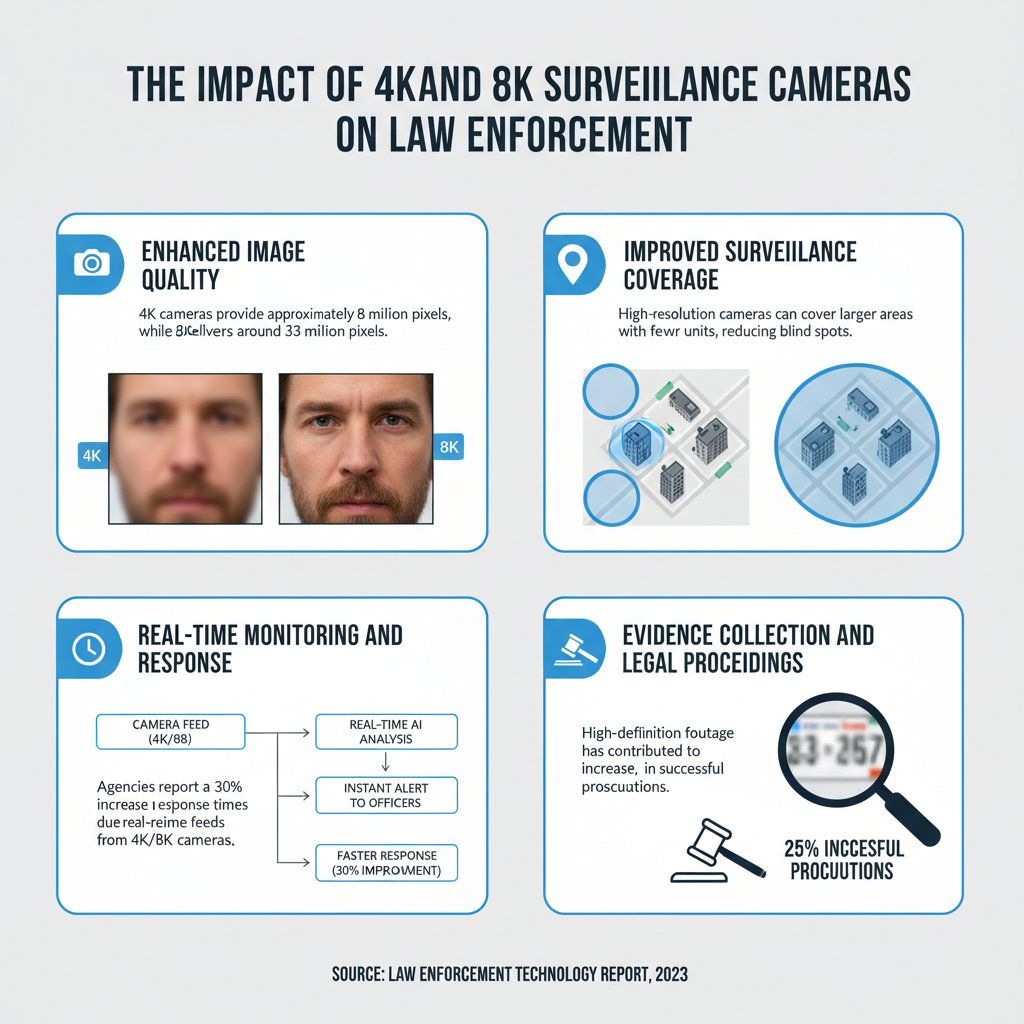
Furthermore, these cameras are invaluable for reading license plates and other critical information. In a world where vehicle theft and hit-and-run incidents are prevalent, the ability to clearly capture a license plate can make all the difference in an investigation. The enhanced image quality thus plays a crucial role in identifying suspects and gathering evidence that can lead to successful arrests and prosecutions.
Improved Surveillance Coverage
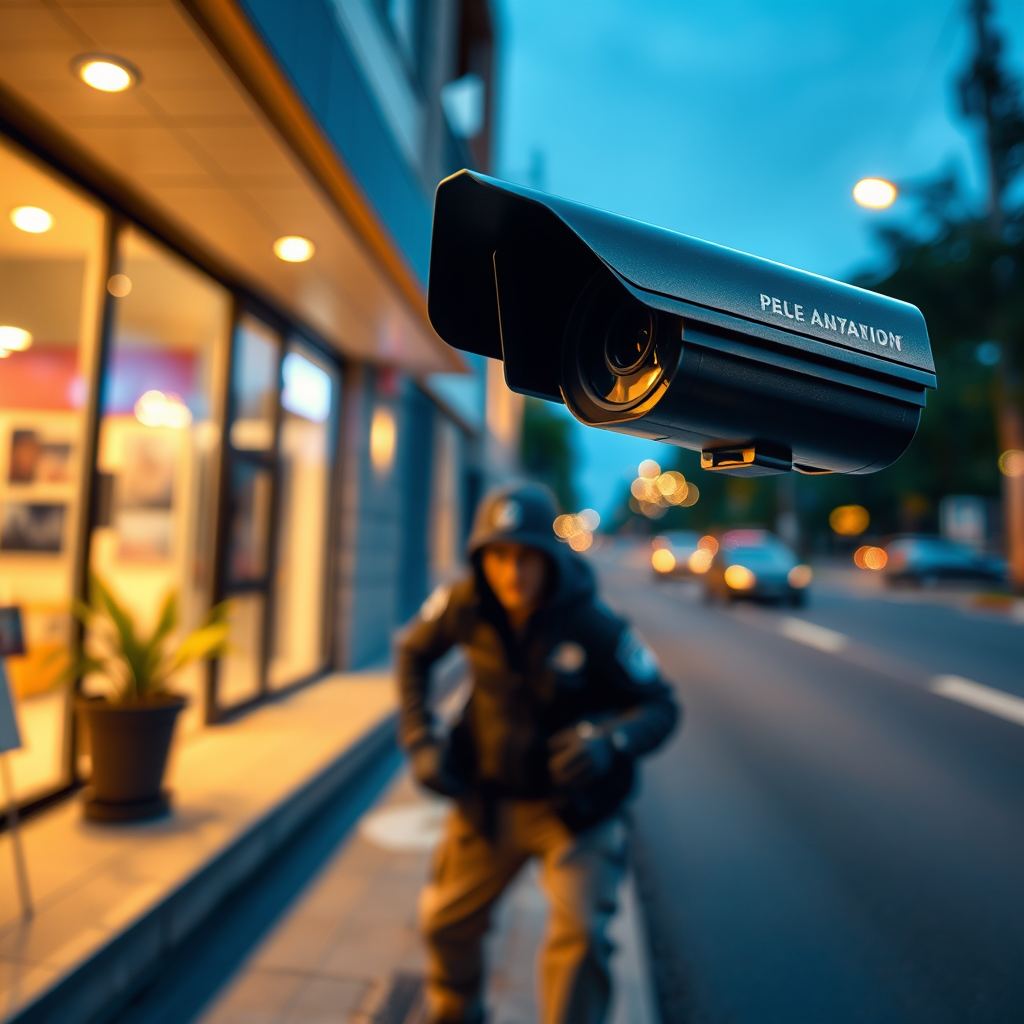
Another significant advantage of 4K and 8K surveillance cameras is their ability to cover larger areas without sacrificing image quality. Traditional surveillance cameras often lead to blind spots, which can be exploited by criminals. However, high-resolution cameras can provide a broader field of view, allowing law enforcement to monitor expansive areas, such as parking lots, streets, and public events, all while maintaining clarity.
Moreover, these cameras’ ability to zoom in without losing clarity means that officers can monitor wider spaces more effectively. For instance, during a public gathering or event, officers can keep an eye on the entire venue while zooming in on specific individuals or suspicious activities as needed. This enhanced coverage not only improves situational awareness but also acts as a deterrent to potential wrongdoers who know they’re being watched.
Real-Time Monitoring and Response
The real-time monitoring capabilities of 4K and 8K surveillance cameras represent a game-changer for law enforcement. High-definition feeds allow officers to monitor situations as they unfold, leading to quicker responses to emergencies or criminal activities. For instance, during a robbery in progress, the ability to see and assess the situation in real-time can enable officers to dispatch resources immediately, potentially preventing further harm.
Additionally, when integrated with artificial intelligence (AI) and analytics, these surveillance systems can proactively detect suspicious activities. AI can analyze behavior patterns and alert officers to anomalies, such as someone loitering in a restricted area or a vehicle moving against traffic. This proactive approach can significantly enhance public safety by allowing law enforcement to act before a situation escalates.
Evidence Collection and Legal Proceedings
The importance of clear video footage in legal proceedings cannot be overstated. High-resolution recordings serve as more reliable evidence in court, increasing the chances of successful prosecutions. In many cases, video footage from 4K and 8K cameras has been pivotal in securing convictions, as it provides indisputable proof of criminal activity.
Moreover, high-resolution footage can maintain the integrity of evidence chains. When every detail is captured clearly, the likelihood of disputes regarding the validity of the evidence decreases. For example, in a court case involving a robbery, clear footage showing the suspect’s actions can significantly bolster the prosecution’s case. This reliable evidence not only aids in securing justice for victims but also helps to uphold public trust in law enforcement.
Challenges and Considerations
Despite their many benefits, the implementation of 4K and 8K surveillance cameras in law enforcement does not come without challenges. The high cost of installation and maintenance can be a barrier for some agencies, particularly those with limited budgets. These advanced systems often require significant investment in both hardware and software, as well as ongoing maintenance to ensure they function correctly.
Additionally, privacy concerns are a pressing issue with increased surveillance capabilities. As law enforcement agencies expand their surveillance networks, it is crucial to establish clear policies and regulations to protect citizens’ privacy rights. Engaging the community in discussions about surveillance practices can foster transparency and build trust between law enforcement and the public. Agencies must strike a balance between utilizing advanced technologies for public safety and respecting individual privacy.
Future Trends in Surveillance Technology
The future of surveillance technology is bright, with continuous advancements likely leading to even higher resolutions and smarter features. As technology evolves, we can expect to see innovations such as enhanced night vision capabilities, better low-light performance, and even the integration of facial recognition technology that respects privacy concerns.
The adoption of cloud storage will also play a significant role in the evolution of surveillance systems. With cloud-based solutions, law enforcement agencies can store vast amounts of data without the need for extensive on-premises infrastructure. Coupled with AI analytics, these systems will provide law enforcement with powerful tools for identifying trends, predicting crimes, and optimizing resource allocation.
Additionally, as public awareness of surveillance grows, there will be an increasing demand for transparency and accountability in how these technologies are used. Law enforcement agencies will need to adapt and ensure that their practices align with community expectations and legal standards.
Incorporating 4K and 8K surveillance cameras into law enforcement not only improves the clarity of evidence but also enhances overall public safety by enabling timely interventions. As technology continues to evolve, it is vital for law enforcement agencies to stay updated with these advancements to effectively combat crime. If you’re interested in learning more about how these technologies can benefit your community, consider reaching out to your local law enforcement agency or tech provider for further information. Embracing these advancements can lead to safer neighborhoods and a stronger sense of security for all.
Frequently Asked Questions
What are the key benefits of using 4K and 8K surveillance cameras in law enforcement?
The primary benefits of using 4K and 8K surveillance cameras in law enforcement include enhanced image clarity and detail, which is crucial for identifying suspects and gathering evidence. With higher resolution, these cameras can capture more information in a single frame, allowing for improved facial recognition and license plate reading. Additionally, they provide better performance in low-light conditions and can cover larger areas with fewer cameras, ultimately leading to more effective monitoring and crime prevention.
How do 4K and 8K surveillance cameras differ in terms of performance and application?
The main difference between 4K and 8K surveillance cameras lies in their resolution, with 8K offering four times the pixel count of 4K. This higher resolution provides even more detail, making it particularly useful in large urban environments or for capturing intricate details in high-security areas. However, 4K cameras are often sufficient for most law enforcement applications and are typically more cost-effective, allowing agencies to balance quality with budget constraints.
Why should law enforcement agencies consider upgrading to 4K or 8K surveillance technology?
Law enforcement agencies should consider upgrading to 4K or 8K surveillance technology to enhance their operational capabilities and improve public safety. Higher resolution footage can significantly aid in investigations, enabling clearer identification of suspects and vehicles. Additionally, as technology evolves, many agencies may find that the increased detail from these cameras can lead to faster case resolutions and higher conviction rates, ultimately justifying the investment in next-generation surveillance systems.
Which features should law enforcement look for when selecting 4K or 8K surveillance cameras?
When selecting 4K or 8K surveillance cameras, law enforcement should look for features such as low-light performance, wide dynamic range, and robust weatherproofing for outdoor use. Additionally, cameras with advanced analytics capabilities, such as motion detection and facial recognition, can enhance operational effectiveness. Connectivity options, like cloud storage and mobile access, are also important for ensuring that law enforcement personnel can easily access and manage footage from various locations.
How can law enforcement agencies effectively integrate 4K and 8K surveillance cameras into their existing systems?
To effectively integrate 4K and 8K surveillance cameras into existing systems, law enforcement agencies should start by assessing their current infrastructure to ensure compatibility with higher-resolution video. This may involve upgrading storage solutions to accommodate larger file sizes and improving bandwidth to handle the increased data load. Training personnel on the new technology and establishing clear protocols for footage retrieval and analysis will also be crucial in maximizing the benefits of these advanced surveillance systems.
References
- Closed-circuit television camera
- https://www.ncjrs.gov/pdffiles1/nij/grants/248391.pdf
- https://www.cato.org/publications/policy-analysis/impact-surveillance-technology-law-enforcement
- https://www.bjs.gov/content/pub/pdf/ssr.pdf
- https://www.nist.gov/news-events/news/2020/06/police-use-surveillance-technology-responding-crime-communities
- https://www.ojp.gov/pdffiles1/nij/grants/250046.pdf