
The integration of AI in the entertainment industry is revolutionizing how TV shows are produced, particularly through the creation of deepfake actors. These AI-generated characters can mimic real actors, allowing for innovative storytelling and cost-effective production. With deepfake technology, filmmakers can create characters that not only look like real people but can also deliver performances that are increasingly convincing. In this article, we’ll explore how AI enables these advancements, the technology behind deepfakes, ethical considerations, and the future of virtual actors in television.
Understanding Deepfake Technology
Deepfake technology utilizes machine learning algorithms to create hyper-realistic video content. At its core, deepfakes are crafted using deep learning techniques that analyze and replicate facial movements and expressions from original footage. The most notable technology in the deepfake realm is Generative Adversarial Networks (GANs). GANs consist of two neural networks—the generator and the discriminator—that work in tandem to produce images and videos that are indistinguishable from real ones.
The generator creates new content, while the discriminator evaluates it against real images, providing feedback to improve the generator’s output. This back-and-forth process leads to the creation of videos that can convincingly portray an actor’s likeness and performance, blurring the lines between reality and simulation. This technology is not just limited to entertainment; it has applications in everything from education to marketing, showcasing its versatility and potential.
The Benefits of AI-Generated Actors
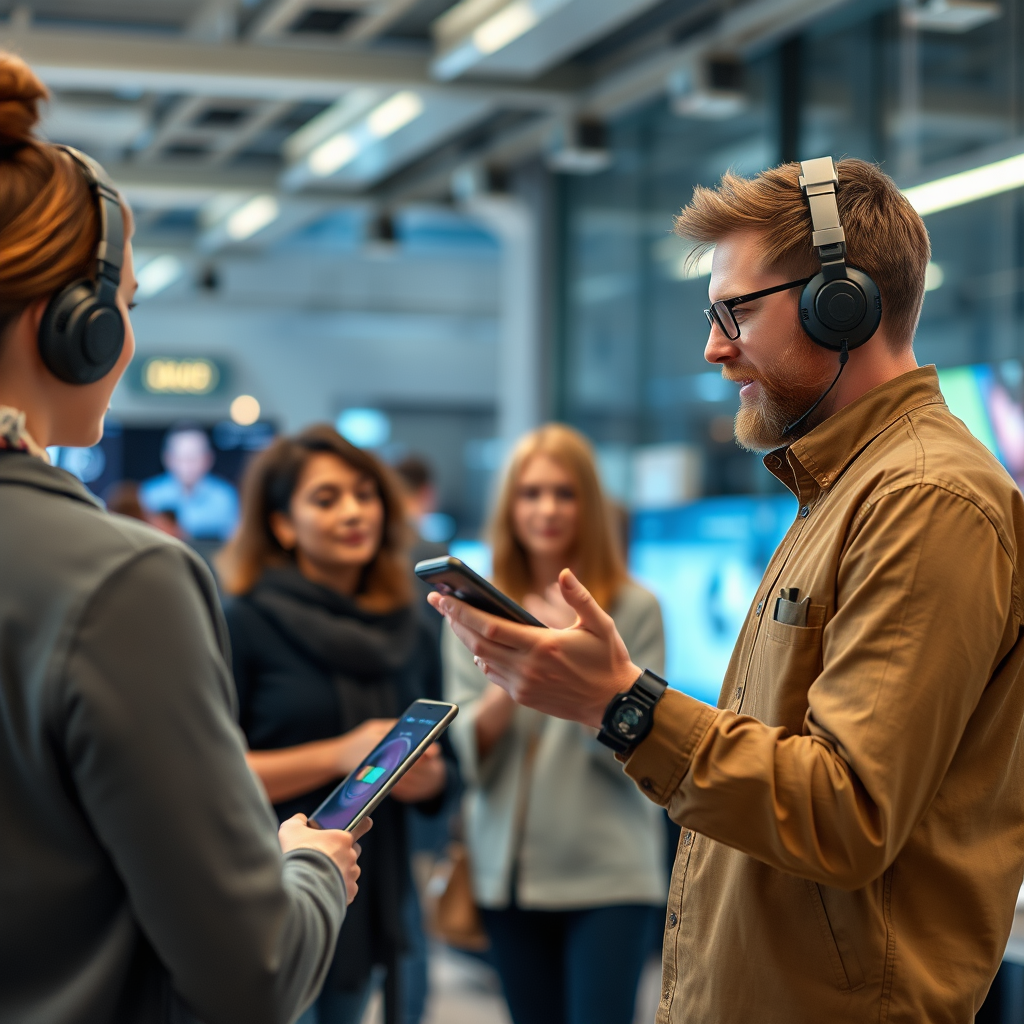
AI actors can significantly reduce production costs by eliminating the need for physical presence and travel. Imagine a scenario where a beloved actor can appear in multiple shows simultaneously without the logistical nightmares of scheduling conflicts and travel disruptions. This flexibility can lead to more efficient production timelines and lower overall expenses. Moreover, AI-generated actors can be programmed to perform in various languages or styles, catering to diverse audiences across the globe.
For example, a character could be portrayed by an AI actor who can seamlessly switch between English, Spanish, and Mandarin, making it easier for production teams to reach international viewers without the need for multiple castings or dubbing. This capability not only enhances accessibility but also promotes inclusivity, allowing stories to resonate with a wider range of cultural backgrounds.
Current Applications in TV Shows
Several popular series have begun integrating AI-generated characters for specific roles or scenes. One notable example is HBO’s “Westworld,” where deepfake technology has been used to enhance storytelling. In particular, the show features characters that are programmed to evolve based on their interactions with humans, creating layered narratives that explore themes of consciousness and identity.
Another example is the use of AI-generated actors in shows like “The Mandalorian,” where digital recreations of actors are used to portray younger versions of characters. This not only saves time and resources but also allows for creative storytelling that might not be possible with traditional methods. These applications demonstrate that deepfake technology is not just a gimmick but a legitimate tool that can enhance the narrative depth and visual effects of television shows.
Ethical Considerations of Deepfake Actors
The use of deepfake technology raises several ethical concerns, particularly regarding consent, ownership, and the potential for misuse. As creators harness the power of AI to generate actors, questions arise about who owns the rights to an AI-generated character. Is it the original actor whose likeness was used, or the production company that created the digital version?
Moreover, there is the risk of deepfakes being used maliciously, such as creating misleading content that can damage reputations or spread false information. To address these concerns, industry standards are being developed to ensure ethical practices in the creation and use of AI actors. Organizations like the Screen Actors Guild (SAG-AFTRA) are beginning to establish guidelines that protect the rights of performers while also fostering innovation.
These discussions are crucial as they set the foundation for how the industry will navigate the complex landscape of AI-generated content moving forward.
The Future of AI in Entertainment
Ongoing advancements in AI technology will likely lead to more sophisticated virtual actors with emotional depth and nuance. As AI continues to evolve, we can expect virtual actors to not only mimic physical appearances but also to capture subtle emotional expressions that resonate with audiences. Imagine a future where an AI actor can convincingly portray a range of emotions, creating connections with viewers that rival those of human performers.
Predictions indicate a growing acceptance of AI actors in mainstream media, potentially changing casting practices forever. As audiences become more accustomed to seeing virtual characters on screen, there may be a shift in how we perceive talent in the entertainment industry. This could lead to new genres and formats that leverage AI technology in ways we’ve yet to imagine, opening doors for innovative storytelling and creative collaborations.
Challenges and Limitations
Despite the exciting prospects of deepfake technology, technical limitations still exist, such as the inability to replicate subtle human emotions convincingly. Although advancements have been made, the technology can still struggle with nuances like micro-expressions or spontaneous reactions, which are often the hallmarks of a great performance. These limitations remind us that while AI can enhance storytelling, it cannot fully replace the emotional depth that human actors bring to their roles.
Furthermore, the public’s perception of deepfakes can be negative, mainly due to their association with misinformation and manipulation. This skepticism can hinder the acceptance of AI actors in the industry and lead to calls for stricter regulations. To overcome these challenges, the entertainment industry must prioritize transparency and ethical practices, ensuring that audiences understand and trust the technology being used.
Summarizing the impact of AI in creating deepfake actors for television, it’s clear that this technology presents both exciting opportunities and significant challenges. As the industry navigates ethical concerns and technological limitations, staying informed will be crucial for creatives and audiences alike. Embrace the future of entertainment by exploring the latest AI technologies and their applications in media, as they hold the potential to reshape the storytelling landscape in unprecedented ways.
Frequently Asked Questions
What are deepfake actors and how are they used in TV shows?
Deepfake actors are digitally created or altered characters that use artificial intelligence (AI) technologies to mimic the likeness and voice of real actors. In TV shows, they are used to enhance storytelling by creating realistic performances without the need for the physical presence of the actor, allowing for greater flexibility in casting and scene creation. This technology can also be used to resurrect deceased actors or create entirely new characters that blend seamlessly with live-action footage.
How does AI technology create deepfake actors for television?
AI technology generates deepfake actors through a process called deep learning, which involves training algorithms on large datasets of images and videos of the target actor. This training allows the AI to learn facial expressions, voice patterns, and movements, enabling it to produce realistic simulations. The most common methods include Generative Adversarial Networks (GANs) and neural networks, which work together to create convincing digital representations that can be integrated into TV shows.
Why is the use of deepfake actors in TV shows controversial?
The use of deepfake actors raises ethical concerns regarding consent, authenticity, and the potential for misuse. Critics argue that manipulating an actor’s likeness without their permission undermines their creative rights and can lead to misinformation or deception. Additionally, the technology can perpetuate unrealistic beauty standards and amplify existing biases, prompting discussions about responsible AI use in the entertainment industry.
What are the benefits of using deepfake technology in television production?
The integration of deepfake technology in television production offers several advantages, such as cost efficiency, creative flexibility, and enhanced storytelling capabilities. It allows producers to achieve complex visual effects without extensive reshoots or the need for physical stunts, thereby saving time and resources. Furthermore, deepfake actors can convincingly portray characters in historical settings or fantastical worlds, enriching the viewer experience and expanding narrative possibilities.
Which TV shows have successfully utilized deepfake actors, and what can we learn from them?
Several TV shows, including “The Mandalorian” and “Westworld,” have effectively utilized deepfake technology to enhance their narratives. For instance, “The Mandalorian” featured a deepfake recreation of a young Luke Skywalker, which sparked discussions about the blending of technology and storytelling. These examples demonstrate that when used responsibly, deepfake technology can elevate production quality and create innovative viewer experiences while also highlighting the importance of ethical considerations in its implementation.
References
- Deepfake
- https://www.bbc.com/news/technology-56306718
- https://www.theguardian.com/technology/2020/jan/17/deepfakes-technology-and-the-future-of-acting
- https://www.nytimes.com/2021/06/14/technology/deepfake-actors.html
- https://www.sciencedirect.com/science/article/pii/S1877050921002548
- https://www.forbes.com/sites/bernardmarr/2021/05/31/the-role-of-artificial-intelligence-in-deepfakes/?sh=4bbd6c4d4e48
- https://www.wired.com/story/deepfake-actors-hollywood/