

With the rise of digital content creation, AI plays a crucial role in watermarking video content to ensure copyright protection. Through advanced algorithms and machine learning, AI can embed unique identifiers into videos, making it easier to track ownership and deter unauthorized use. This technology not only enhances security but also empowers content creators to maintain control over their work in an increasingly digital world. In this article, you’ll learn how AI enhances watermarking techniques and the benefits it brings to content creators.
Understanding Video Watermarking
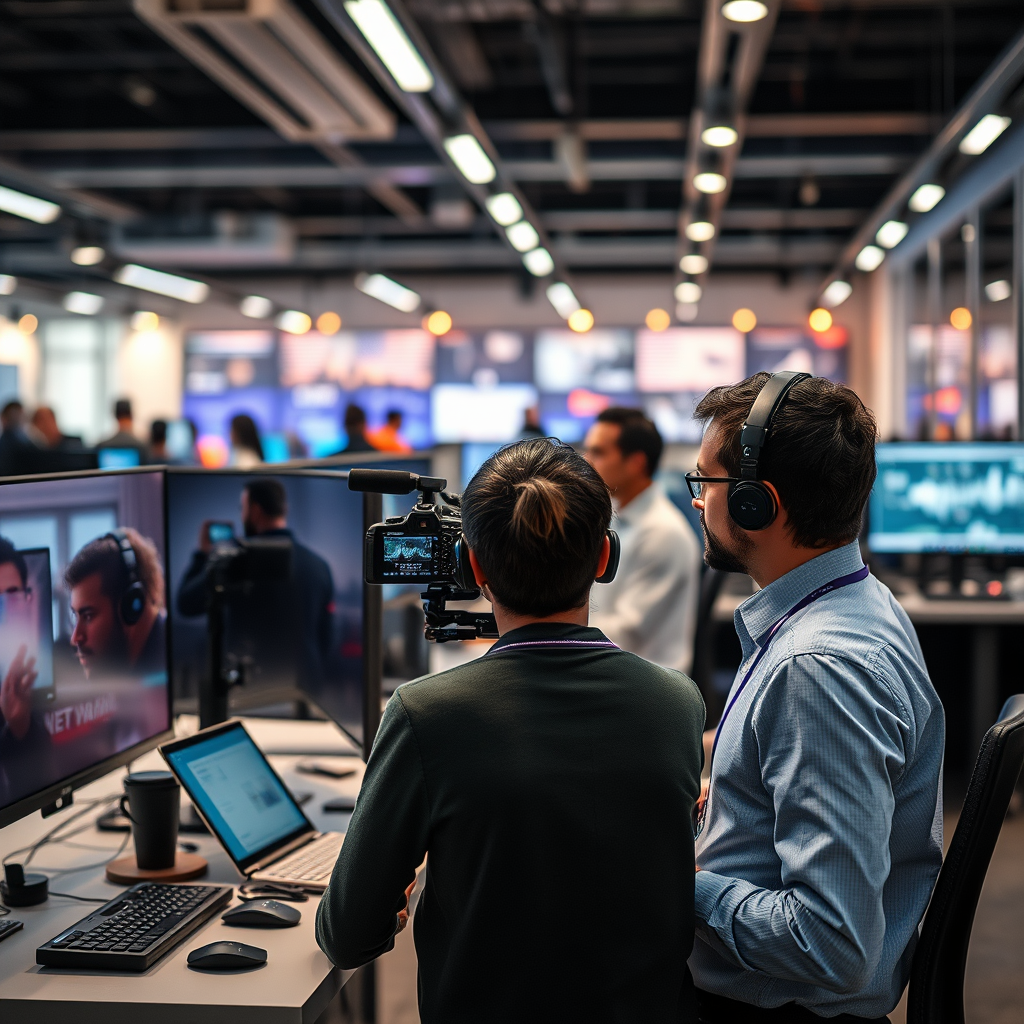
Video watermarking is the process of embedding information into a video signal that identifies the owner or creator of that content. The primary purpose of this technique is to deter unauthorized use and protect intellectual property rights. Watermarks can serve as a visible deterrent, like a logo or text overlay, or as invisible markers that are imperceptible to the viewer yet can be detected with specialized software.
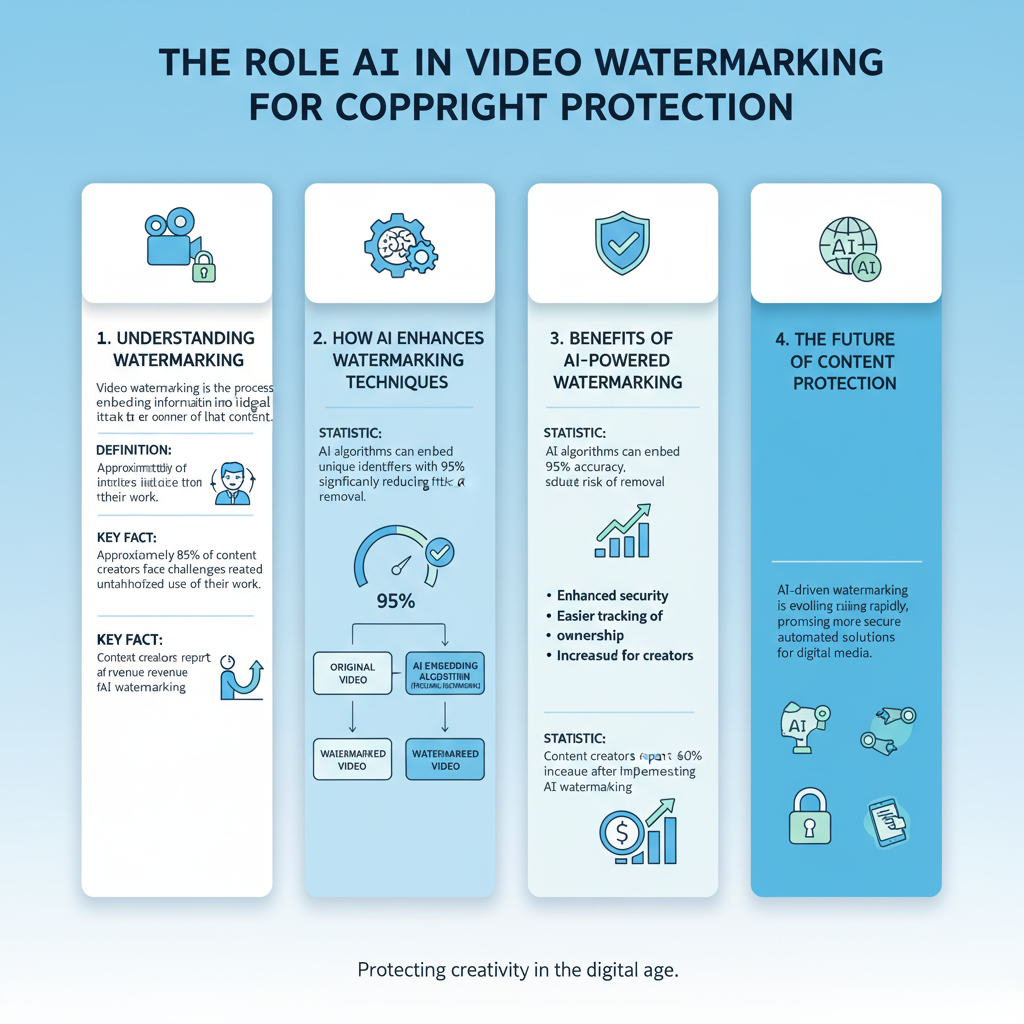
Visible watermarks are often seen in promotional videos or content shared on social media platforms, where the creator wants to ensure their brand is recognized. Conversely, invisible watermarks play a critical role in tracking and monitoring video usage, allowing for copyright enforcement without disrupting the viewer’s experience. Understanding the differences and applications of these types of watermarks is essential for creators looking to safeguard their work effectively.
How AI Enhances Watermarking Techniques
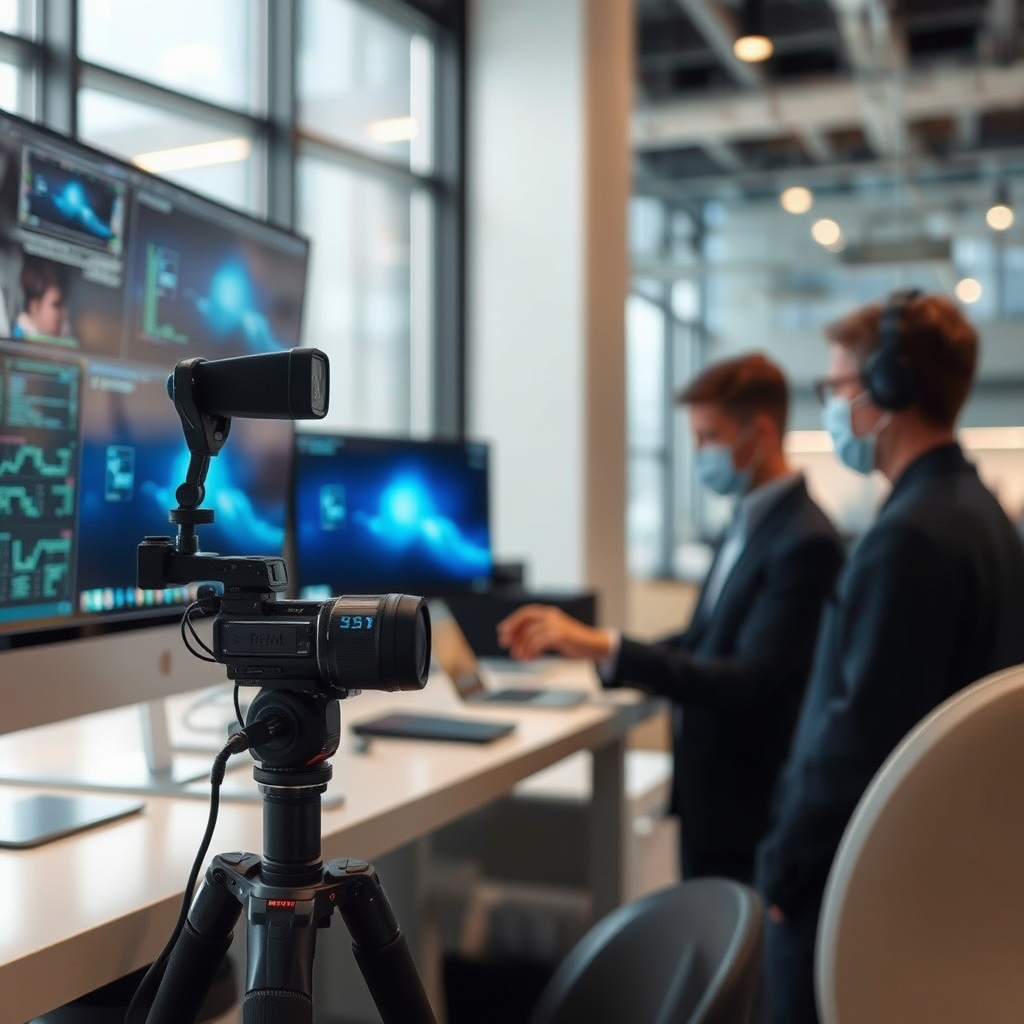
The introduction of AI into the watermarking process has revolutionized the way creators protect their videos. Machine learning algorithms can analyze vast amounts of video data to create dynamic watermarks that adapt based on the video’s content and intended distribution channels. For instance, AI can determine the best placement for a watermark based on visual elements or even user engagement metrics, ensuring that it is both effective and aesthetically pleasing.
Additionally, AI-powered watermarking can generate unique identifiers for each copy of a video, providing a tailored approach to copyright protection. This means that even if a video is shared across multiple platforms, each instance carries a distinct watermark that can help trace unauthorized use back to the source. This adaptability not only enhances security but also allows for a more personalized viewer experience.
Benefits of AI-Powered Watermarking
The integration of AI in watermarking brings numerous benefits to content creators. One of the most significant advantages is increased security against piracy and unauthorized distribution. Traditional watermarking methods can often be bypassed or removed, but AI-generated watermarks are more resilient due to their complexity and adaptability. This robust layer of protection helps deter potential infringers who may think twice before using content that is challenging to manipulate.
Moreover, AI-powered watermarking improves accuracy in tracking and monitoring video usage across various platforms. Content creators can easily identify where their videos are being shared and how they are being used, enabling them to enforce their rights more effectively. This data can also inform marketing strategies, allowing creators to understand which platforms drive the most engagement and adjust their distribution accordingly.
Challenges in Implementing AI Watermarking
Despite its advantages, implementing AI-driven watermarking comes with challenges. One significant hurdle is the technical limitations inherent in developing robust algorithms that can effectively embed and detect watermarks without compromising video quality. The complexity of video encoding can affect watermark visibility and durability, requiring ongoing research and development to find optimal solutions.
Another challenge is striking a balance between watermark visibility and viewer experience. While it’s essential to make a watermark detectable, it should not distract or detract from the content itself. Creators must find innovative ways to incorporate watermarks that are both effective for copyright protection and visually appealing to audiences.
Future Trends in AI and Video Watermarking
Looking ahead, advancements in AI technology are expected to bring more sophisticated watermarking strategies. Future developments may include enhanced algorithms that can automatically adjust watermarking techniques in real time based on user interactions and viewing environments. This could lead to even more personalized and secure content.
Integration with blockchain technology also presents exciting opportunities for video watermarking. By combining AI with blockchain, creators can establish a tamper-proof record of ownership and usage rights. This synergy could revolutionize copyright enforcement, providing transparent and immutable proof of content ownership that simplifies legal processes for creators.
Case Studies: AI Watermarking in Action
Several companies are already leveraging AI for video watermarking with impressive results. For example, a well-known streaming service has implemented AI-driven watermarking to protect its original content. By embedding unique identifiers in each video, the service can effectively track unauthorized sharing and swiftly take action against infringers. This proactive approach has led to a significant decrease in piracy incidents, allowing the platform to maintain the integrity and value of its offerings.
Another example can be found in the advertising industry, where a leading marketing agency uses AI watermarking to protect its clients’ promotional videos. By employing dynamic watermarks that adjust based on the platform and audience, the agency ensures that its clients’ brand identity remains intact while also monitoring engagement levels across various channels. The results have been promising, with improved brand recognition and reduced unauthorized usage.
The integration of AI into video watermarking significantly enhances copyright protection for content creators. By leveraging advanced algorithms, it provides a robust solution to combat piracy and ensures that creators can maintain ownership of their work. As technology evolves, staying informed about these advancements is crucial for anyone involved in digital content creation. Explore AI watermarking tools and implement them in your projects to safeguard your creative work.
Frequently Asked Questions
What is the role of AI in watermarking video content for copyright protection?
AI plays a crucial role in watermarking video content by automating the embedding process, ensuring that watermarks are both visible and imperceptible. This technology allows for more sophisticated algorithms that can adapt to various video formats and resolutions, making it harder for unauthorized users to remove or alter the watermark. By utilizing AI, creators can enhance the security of their intellectual property, ensuring that their videos remain protected against piracy and unauthorized distribution.
How does AI-based watermarking improve the effectiveness of copyright protection?
AI-based watermarking improves copyright protection by using machine learning algorithms to create dynamic and robust watermarks that are difficult to detect and remove. These intelligent systems can analyze video content in real-time, identifying optimal locations for watermark placement that minimizes the risk of damage during compression or editing. As a result, this technology offers a higher level of protection compared to traditional methods, helping to safeguard the creator’s rights more effectively.
Why should content creators consider using AI for video watermarking?
Content creators should consider using AI for video watermarking because it enhances the security and integrity of their work while saving time and resources. AI technology allows for quick and efficient watermark embedding, reducing the manual effort required for copyright protection. Additionally, AI can adapt to new challenges in video distribution, ensuring that creators stay ahead of potential threats from unauthorized usage in an increasingly digital landscape.
What are the best practices for implementing AI watermarking in video content?
The best practices for implementing AI watermarking include selecting a reliable software solution that utilizes advanced algorithms for embedding and detecting watermarks. Creators should also ensure that the watermarks are strategically placed to balance visibility and imperceptibility, thus avoiding interference with viewer experience. Regularly updating the watermarking system to adapt to new technological advances and monitoring for infringements are also essential steps in maintaining effective copyright protection.
Which industries benefit the most from AI video watermarking technology?
Industries that benefit the most from AI video watermarking technology include film and television, online streaming services, digital marketing, and educational content providers. These sectors deal with high-value intellectual property that is frequently shared and distributed online, making them particularly vulnerable to piracy. By implementing AI-driven watermarking, these industries can enhance their copyright protection measures, ensuring that their content is safeguarded while maintaining brand integrity.
References
- Watermark (disambiguation)
- https://www.sciencedirect.com/science/article/pii/S1064231721000216
- https://www.nist.gov/publications/digital-watermarking-and-its-application-copyright-protection
- https://www.researchgate.net/publication/335883436_The_role_of_digital_watermarking_in_copyright_protection_of_digital_media
- https://www.itu.int/en/ITU-T/focusgroups/ai4good/Pages/default.aspx
- https://www.bbc.com/news/technology-51101401
- Visual feedback improves bimanual force control performances at planning and execution levels | S…
- https://www.theguardian.com/technology/2021/sep/30/ai-watermarking-video-content-copyright-protection
- https://www.wired.com/story/ai-watermarking-video-copyright/