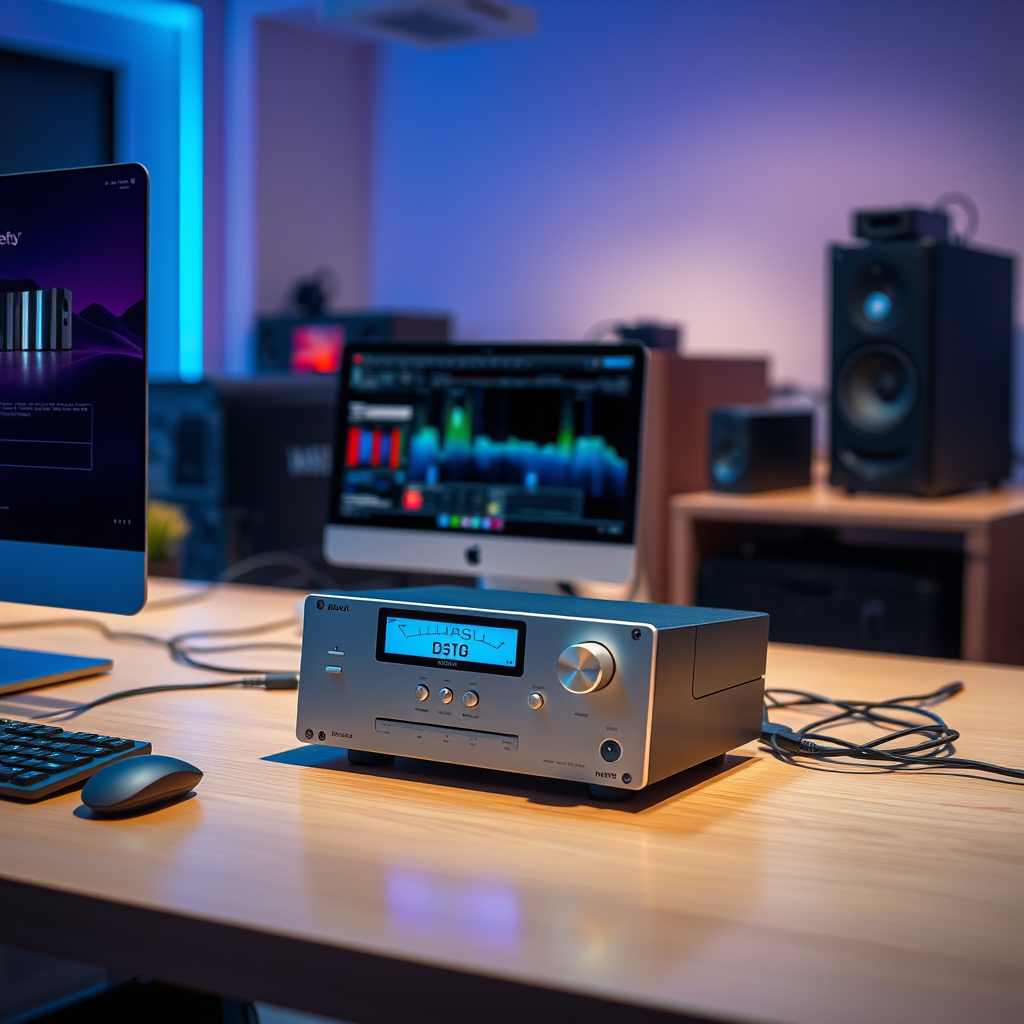
Digital Audio Converters (DACs) are indispensable for high-end audio systems, as they are responsible for converting digital audio signals into analog ones, directly influencing the sound quality experienced by the listener. A high-quality DAC can significantly enhance the clarity, depth, and detail of audio playback, making it a crucial consideration when building or upgrading an audio system. In this article, you’ll learn about the various functions of DACs, their impact on audio fidelity, and how to choose the right one for your system.



Understanding Digital Audio Converters (DAC)
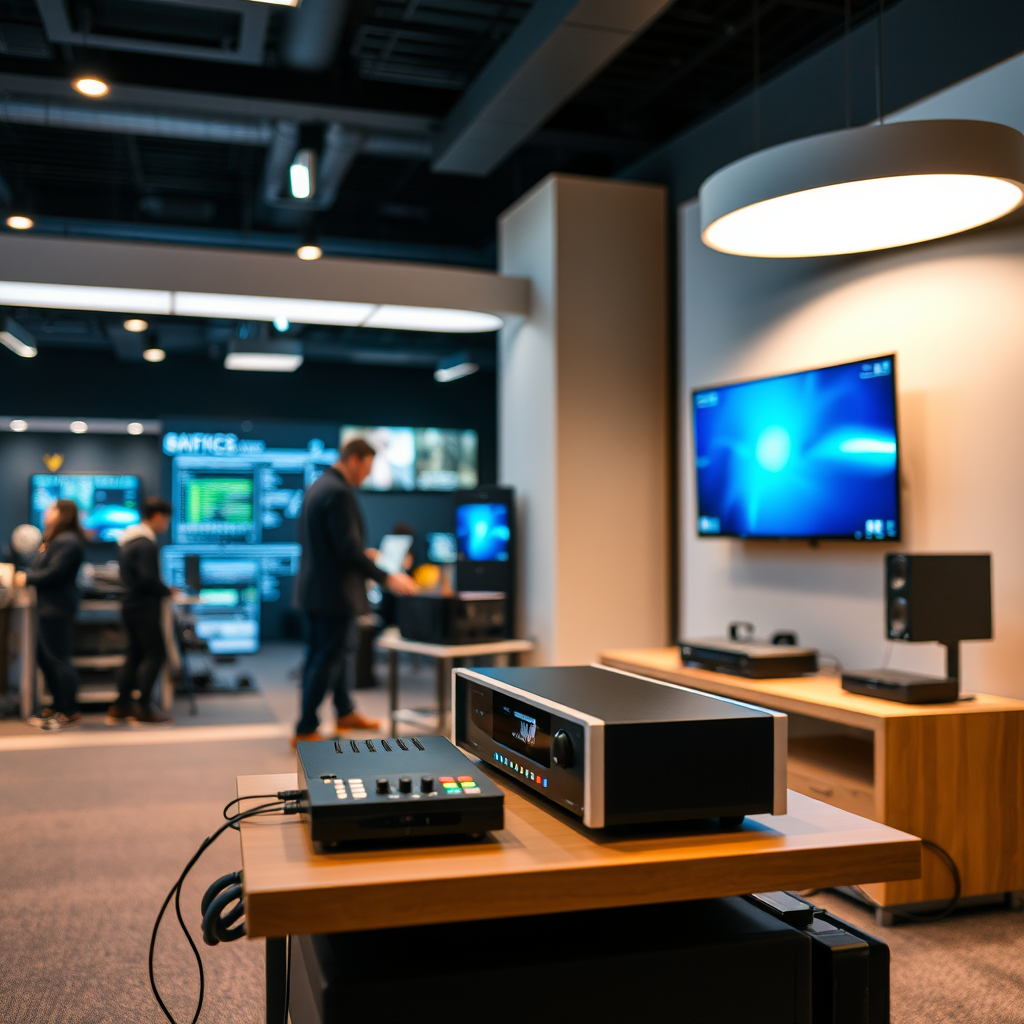
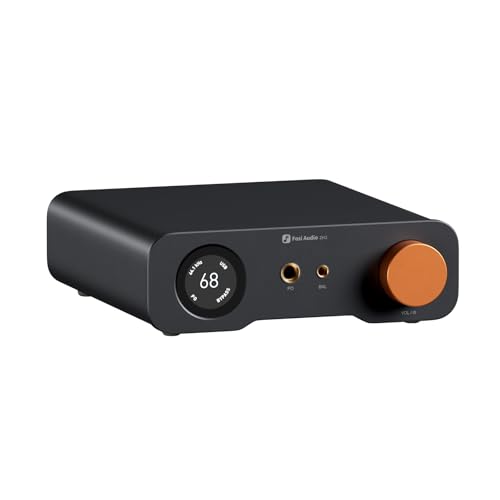
A Digital Audio Converter (DAC) is an electronic device that transforms digital audio signals—those composed of binary code—into analog signals that can be processed by speakers or headphones. The primary function of a DAC in audio systems is to interpret the digital data stored in various formats (such as MP3, WAV, or FLAC) and convert it into a format that can be amplified and delivered as sound.
The process begins with the DAC receiving a digital audio signal, typically from a source like a computer, smartphone, or digital music player. It then decodes this signal, sampling the digital data at specific intervals and reconstructing it into an analog waveform. This analog waveform is what ultimately creates the sound waves that we hear. The quality of this conversion is critical; a superior DAC can deliver more accurate representations of the original audio, resulting in a richer and more immersive listening experience.
The Importance of DACs in Audio Quality
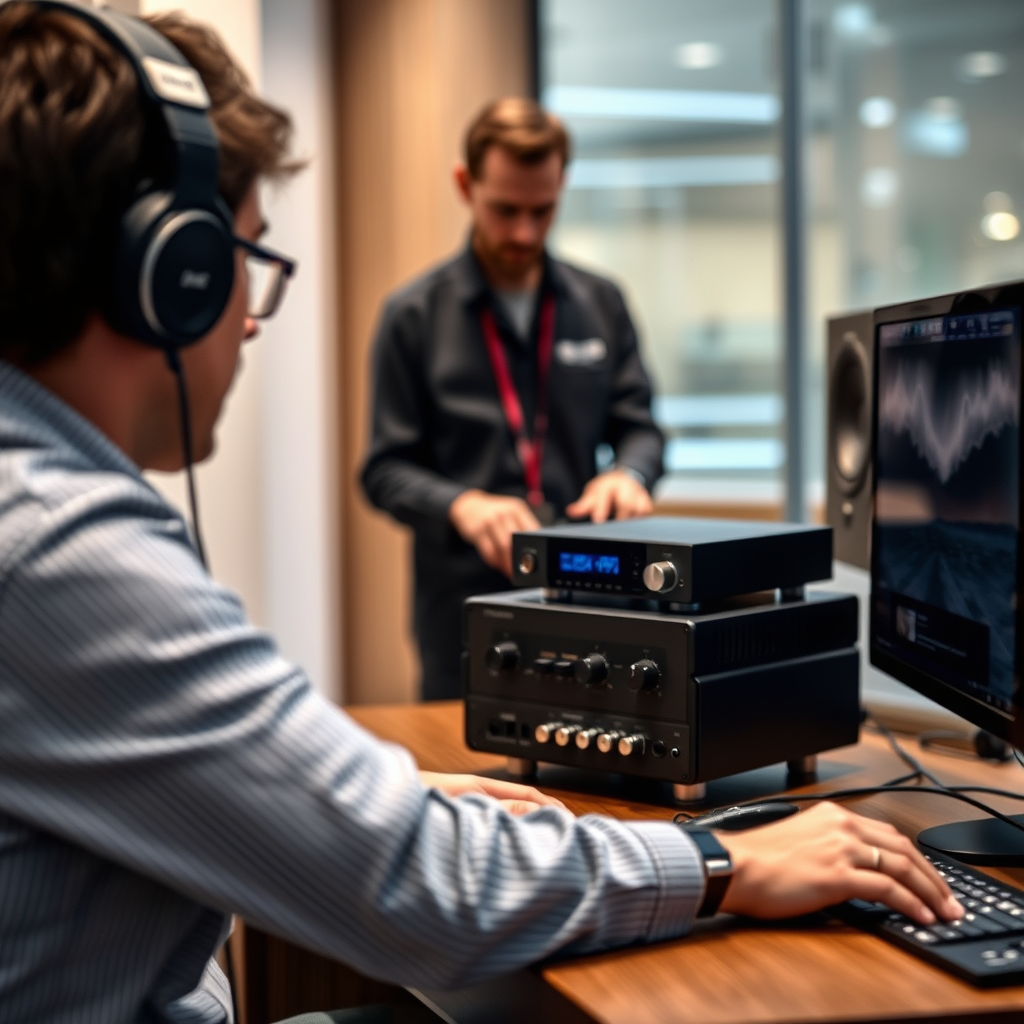
The quality of a DAC directly correlates with the clarity and detail of the audio output. A high-quality DAC can unveil nuances in music that lower-quality converters might miss, such as subtle instrumental textures and ambient sounds that contribute to the overall atmosphere of a track. In high-end audio setups, the DAC’s performance is often considered one of the most critical factors influencing the overall sound experience.
For example, audiophiles often note that the difference between a standard DAC and a high-end model can be akin to the difference between listening to a compressed MP3 file and a high-resolution audio format. A premium DAC will produce a more transparent and dynamic sound, revealing the full potential of well-mastered recordings. This enhancement in audio fidelity is especially noticeable in genres that rely heavily on intricate arrangements, such as classical music or jazz.
Types of DACs: Selecting the Right One
DACs come in various forms, each suited to different audio systems and preferences. Here are the primary types of DACs:
1. Standalone DACs: These are separate units designed specifically for digital-to-analog conversion. They often come with superior components and features, making them a popular choice for audiophiles seeking the best sound quality.
2. Integrated DACs: Found within devices like amplifiers, receivers, and digital music players, integrated DACs are convenient but can vary widely in quality. They are suitable for casual listeners or those with more modest audio setups.
3. USB DACs: These DACs are designed to connect directly to computers via USB, providing a straightforward solution for improving sound quality in digital music playback.
4. Portable DACs: Compact and battery-operated, these DACs allow for high-quality audio on the go, making them perfect for mobile users who prioritize sound quality during travel.
When selecting a DAC, consider the compatibility with your existing audio equipment, the types of music you enjoy, and your listening environment. It’s crucial to ensure that the DAC you choose aligns with your system’s specifications and your personal sound preferences.
Top 7 High-End DACs for Audiophiles (2024)
| # | DAC Model | Type | Bit Depth | Sampling Rate | Price |
|---|---|---|---|---|---|
| 1 | Chord Hugo 2 | Standalone | 32-bit | 768 kHz | $2,500 |
| 2 | Schiit Yggdrasil | Standalone | 24-bit | 192 kHz | $2,199 |
| 3 | Benchmark DAC3 | Standalone | 32-bit | 384 kHz | $1,999 |
| 4 | AudioQuest DragonFly Cobalt | USB | 24-bit | 96 kHz | $199 |
| 5 | iFi Zen DAC | USB | 16-bit | 192 kHz | $129 |
| 6 | Topping D10s | USB | 24-bit | 192 kHz | $89 |
| 7 | Cambridge Audio DacMagic 200M | Standalone | 32-bit | 768 kHz | $599 |
Key Features to Look for in a DAC
When selecting a DAC for your high-end audio system, several key features should be considered to ensure optimal performance:
1. Bit Depth: This refers to the number of bits used to represent each audio sample. Higher bit depths (e.g., 24-bit) can capture more detail and dynamic range, resulting in better sound quality.
2. Sampling Rate: This indicates how many times per second audio is sampled. A higher sampling rate (e.g., 192 kHz) can provide a more accurate representation of the audio signal, leading to improved clarity.
3. Connectivity Options: Look for DACs that offer multiple connection types, such as USB, optical, and coaxial inputs, to ensure compatibility with various audio sources.
4. Upsampling: This feature allows the DAC to increase the sampling rate of the incoming audio signal, potentially improving sound quality by reducing distortion and aliasing.
5. Digital Filter Settings: Different digital filters can shape the sound output in various ways. Some DACs allow users to select different filter settings to tailor the sound to their preferences.
6. Build Quality: A well-constructed DAC with high-quality components will typically perform better and have a longer lifespan.
7. User-Friendliness: Consider how easy it is to operate and adjust settings on the DAC, especially if you plan to use it frequently.
By prioritizing these features, you can select a DAC that enhances your listening experience and complements your high-end audio system.
The Impact of DACs on Different Audio Formats
DACs are designed to handle various audio formats, including PCM (Pulse Code Modulation) and DSD (Direct Stream Digital). PCM is the most common format for digital audio files, while DSD is often used in high-resolution audio formats. A quality DAC can effectively decode both formats, ensuring that your audio playback is accurate and enjoyable.
In the context of streaming high-resolution audio, DACs play a critical role. Many music streaming services now offer lossless audio formats, requiring a capable DAC to deliver the full benefits of these high-quality streams. Similarly, for vinyl playback, a good DAC can enhance the sound quality when using digital recordings or when integrating digital components into an analog setup.
Furthermore, the growing popularity of high-resolution audio formats necessitates attention to DAC capabilities. Audiophiles seeking to enjoy these formats should ensure that their chosen DAC can handle the required specifications for optimal playback.
DAC Performance in Handling Audio Formats
Integration of DACs in High-End Audio Systems
Integrating a DAC into an existing audio system can significantly enhance sound quality. Here are some tips for effective integration:
1. Placement: Position the DAC as close to the source as possible to minimize signal degradation. This is particularly important for long cable runs.
2. Matching Components: Ensure that the DAC is compatible with the other components in your audio system. This includes checking input and output formats, as well as ensuring that the DAC’s specifications align with the capabilities of your amplifier and speakers.
3. Power Supply: A high-quality power supply can improve the performance of the DAC. Consider using a dedicated linear power supply if your DAC supports it, as this can reduce noise and improve sound quality.
4. Cabling: Use high-quality cables to connect the DAC to your other audio components. Poor quality cables can introduce noise and degrade audio fidelity.
5. Experimentation: Don’t hesitate to experiment with different configurations and settings on your DAC. Many models offer customizable options that can significantly alter the sound profile.
Establishing synergy between the DAC and other components is essential for achieving optimal performance. By thoughtfully integrating the DAC into your audio system, you can elevate your listening experience to new heights.
Future Trends in DAC Technology
The landscape of DAC technology is continually evolving, driven by advancements in digital audio and consumer demand for higher fidelity. Here are some emerging trends to watch:
1. Higher Sampling Rates and Bit Depths: As high-resolution audio becomes more mainstream, DACs are being developed to support even higher sampling rates and bit depths, allowing for unparalleled audio detail.
2. Integration of AI and Machine Learning: Some manufacturers are exploring AI-driven algorithms that can adapt the DAC’s performance based on the specific audio content being played, enhancing the listening experience in real-time.
3. Improved Connectivity: The rise of wireless audio streaming is prompting innovations in DAC connectivity, with many new models offering advanced Bluetooth capabilities and support for wireless high-resolution audio streaming.
4. Compact and Portable Designs: As audiophiles seek high-quality sound on the go, manufacturers are creating smaller, more portable DACs without sacrificing performance, catering to mobile users.
5. Sustainability: As awareness of environmental issues increases, more companies are focusing on sustainable materials and production processes for DAC manufacturing, appealing to eco-conscious consumers.
The future of DAC technology promises exciting developments that will further enhance the quality of high-end audio systems, making it an exhilarating time for audio enthusiasts.
Summarizing the pivotal role of Digital Audio Converters in enhancing audio quality, it’s clear that investing in a high-quality DAC can significantly elevate your listening experience. As you consider upgrading or building your high-end audio system, take the time to research and select a DAC that meets your needs and preferences. Explore options, read reviews, and enjoy the journey to exceptional sound.
Frequently Asked Questions
What is a digital audio converter (DAC) and how does it work in high-end audio systems?
A digital audio converter (DAC) is a device that converts digital audio signals into analog signals, allowing sound to be played through speakers or headphones. In high-end audio systems, a quality DAC can significantly enhance sound clarity and detail, as it processes data more accurately, ensuring a more faithful reproduction of the original recording.
Why is a high-quality DAC important for audiophile listening experiences?
A high-quality DAC is crucial for audiophile listening because it minimizes distortion and noise during the conversion process, leading to a more dynamic and immersive sound experience. It can reveal subtle nuances in music that lower-quality DACs may miss, allowing listeners to appreciate the depth and richness of their audio tracks.
How do you choose the best DAC for your high-end audio system?
When choosing the best DAC for your high-end audio system, consider factors such as compatibility with your audio sources, the quality of the analog output, and the supported audio formats. Look for DACs with high sample rates and bit depths, as well as features like built-in upsampling and high-quality components to ensure optimal sound performance.
Which features should I look for in a DAC to ensure optimal performance in high-end audio?
To ensure optimal performance in high-end audio, look for a DAC with a high signal-to-noise ratio (SNR), low total harmonic distortion (THD), and support for high-resolution audio formats. Additional features like balanced outputs, multiple input options, and advanced filtering capabilities can also enhance the listening experience and compatibility with various audio equipment.
How can a DAC improve the sound quality of streaming music services?
A DAC can improve the sound quality of streaming music services by providing a better conversion of the digital signal, resulting in clearer and more detailed audio playback. Many streaming services compress audio files, but a high-quality DAC can restore some of the lost fidelity, allowing listeners to enjoy a richer and more engaging listening experience.
References
- Digital-to-analog converter
https://en.wikipedia.org/wiki/Digital-to-analog_converter - https://www.sciencedirect.com/topics/engineering/digital-to-analog-converter
https://www.sciencedirect.com/topics/engineering/digital-to-analog-converter - https://www.britannica.com/technology/digital-to-analog-converter
https://www.britannica.com/technology/digital-to-analog-converter - Google Scholar Google Scholar
https://scholar.google.com/scholar?q=Digital+Audio+Converters+DAC+High-End+Audio - Google Scholar Google Scholar
https://scholar.google.com/scholar?q=Role+of+DAC+in+High-End+Audio+Systems - https://www.nature.com/articles/s41598-021-81702-5
https://www.nature.com/articles/s41598-021-81702-5 - https://pubmed.ncbi.nlm.nih.gov/31451123/
https://pubmed.ncbi.nlm.nih.gov/31451123/ - https://www.theguardian.com/technology/2021/mar/18/the-role-of-digital-audio-in-modern-music
https://www.theguardian.com/technology/2021/mar/18/the-role-of-digital-audio-in-modern-music - https://www.reuters.com/article/us-tech-audio-analysis-idUSKBN2A10GL
https://www.reuters.com/article/us-tech-audio-analysis-idUSKBN2A10GL - https://www.nih.gov/news-events/news-releases/study-reveals-how-listening-quality-music-changes-brain
https://www.nih.gov/news-events/news-releases/study-reveals-how-listening-quality-music-changes-brain