
The science behind bass reveals that it plays a critical role in shaping our overall listening experience. Bass frequencies not only enhance the richness and depth of music but also influence our emotional responses and perception of sound. Understanding how bass operates can significantly improve your audio experience, whether you’re listening to music, watching movies, or gaming. In this article, we will explore the fundamentals of bass, its effects on audio quality, and how it can transform your listening sessions.
Understanding Bass Frequencies

Bass typically refers to sound frequencies ranging from 20 Hz to 250 Hz. This range encompasses the lowest sounds produced by instruments like bass guitars, kick drums, and synthesizers. The importance of these low frequencies cannot be overstated; they create a sense of fullness and warmth in music, enhancing emotional engagement.
The human ear is particularly sensitive to frequencies between 20 Hz and 200 Hz, which are crucial for perceiving rhythm and groove in music. This sensitivity explains why bass-heavy tracks can feel more compelling and engaging, drawing listeners into the music. Moreover, bass frequencies often stimulate physical sensations, creating a feeling of vibration and depth that can enhance the overall listening experience.
The Role of Bass in Audio Systems
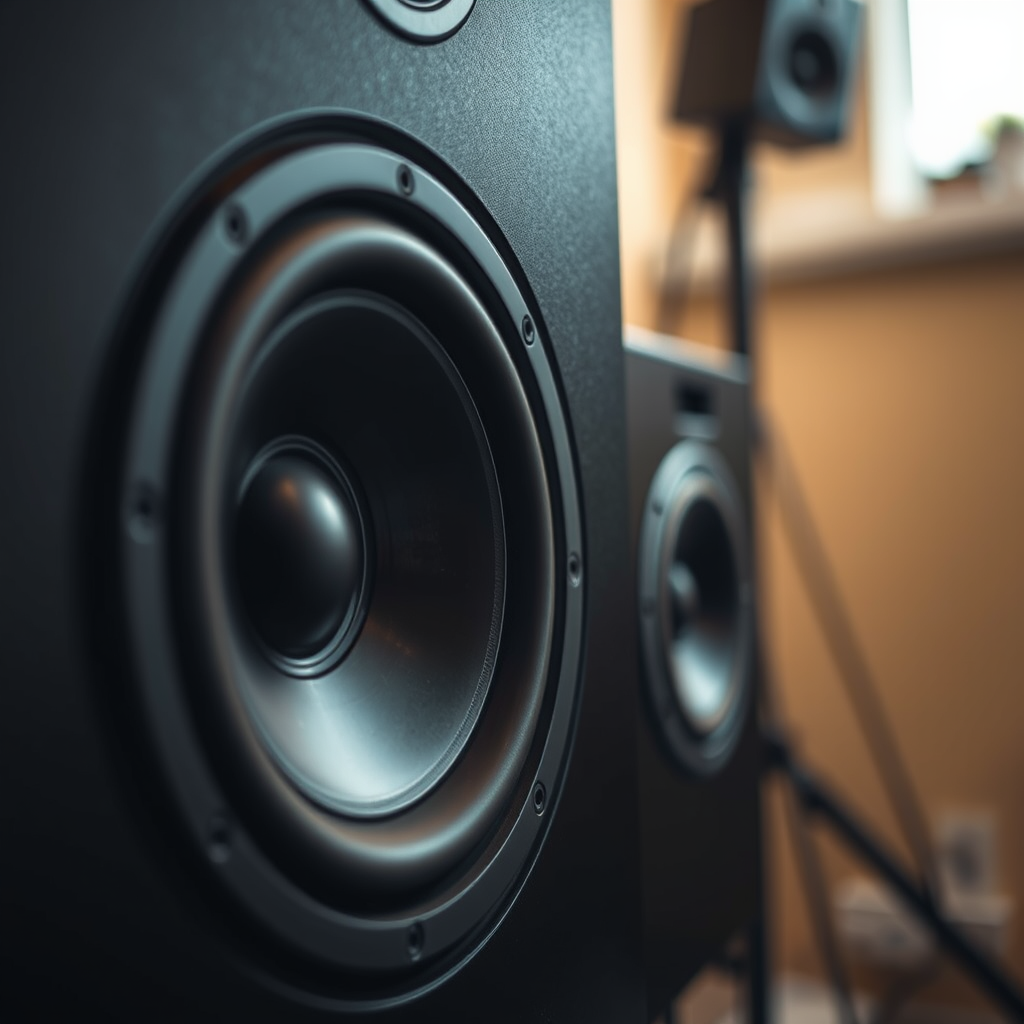
Quality speakers and subwoofers are essential for accurately reproducing bass sounds. Standard speakers may struggle to accurately render low frequencies, resulting in a thin and unbalanced sound. Subwoofers, designed specifically to handle bass frequencies, can dramatically improve audio fidelity. In high-quality audio systems, subwoofers work in conjunction with other speakers to create a balanced soundstage, ensuring that low frequencies do not overpower higher frequencies but instead complement them.
The design and placement of audio equipment significantly affect bass performance and clarity. For instance, placing a subwoofer in a corner can amplify its output due to boundary reinforcement, but it may also lead to muddiness if not strategically positioned. Therefore, experimenting with speaker placement and room acoustics can yield notable improvements in bass response and overall sound quality.
Top 7 Subwoofers by Frequency Response (2024)
| # | Model | Frequency Range | Power (W) | Price ($) |
|---|---|---|---|---|
| 1 | SVS SB-2000 Pro | 24-260 Hz | 500 | 1,199 |
| 2 | Klipsch R-120SW | 29-120 Hz | 400 | 599 |
| 3 | Yamaha NS-SW300 | 25-200 Hz | 300 | 499 |
| 4 | Polk Audio PSW10 | 40-160 Hz | 100 | 149 |
| 5 | BIC America F12 | 25-200 Hz | 150 | 199 |
| 6 | Monoprice 12-Inch | 30-150 Hz | 150 | 149 |
| 7 | Definitive Technology ProSub 800 | 25-150 Hz | 300 | 599 |
Psychological Effects of Bass
Research shows that bass can evoke strong emotional reactions, impacting mood and energy levels. The low frequencies are often associated with feelings of power and excitement, which can enhance listener enjoyment. For instance, studies indicate that people often perceive bass-heavy music as more energetic and engaging, which can lead to increased motivation during physical activities like exercising or dancing.
Moreover, bass has a unique ability to resonate with our bodies. The vibrations produced by low frequencies can create a physical sensation that complements auditory experiences, heightening emotional engagement. This connection explains why bass-heavy music is a staple in clubs and live performances, where the energy of the crowd can be amplified by the physical presence of sound.
Bass and Music Genres
Different music genres utilize bass differently, which can affect how listeners perceive and appreciate the music. For example, electronic music often emphasizes deep bass lines and heavy beats, creating an immersive experience that encourages movement and dancing. In contrast, genres like classical music may focus on subtler low tones that provide a foundation for orchestral arrangements, enhancing the overall richness without dominating the sound.
Understanding genre-specific bass traits can enhance appreciation and enjoyment of diverse musical styles. For instance, listeners of hip-hop often look for pronounced bass lines that drive the rhythm, while jazz enthusiasts might appreciate the nuanced interplay between bass and other instruments. By recognizing these nuances, listeners can cultivate a deeper connection to the music they love.
Bass Influence Across Music Genres (2024)
Tips for Optimizing Your Listening Experience
To fully appreciate the impact of bass on your listening experience, consider implementing these tips. First, experiment with speaker placement to find the best bass response in your space. The acoustics of your room can significantly influence how bass frequencies are perceived, so adjustments in positioning can lead to remarkable improvements in sound quality.
Second, utilize equalization settings to tailor bass levels to your preference without distorting sound quality. Many audio systems and streaming platforms offer EQ settings that allow you to boost or cut specific frequency ranges. A well-balanced EQ can enhance the richness of bass frequencies while preserving the clarity of higher frequencies, resulting in a more enjoyable listening experience.
Lastly, consider investing in higher-quality audio equipment. While budget-friendly options exist, investing in quality speakers, headphones, or subwoofers can yield substantial improvements in bass performance and overall audio fidelity.
The Future of Bass in Audio Technology
Advancements in audio technology are leading to more sophisticated bass reproduction techniques. Innovations such as active bass management systems and digital signal processing are enhancing the ability of audio equipment to deliver accurate and powerful bass. This evolution is particularly apparent in portable audio devices, where manufacturers are developing solutions to provide rich bass without the bulk of traditional subwoofers.
Furthermore, emerging technologies like bass-enhancing headphones and smart speakers are changing how listeners experience low frequencies. These devices often employ algorithms to create an immersive audio experience, simulating the sensation of deep bass even in compact formats. As technology continues to evolve, the future of bass in audio technology promises to offer even more engaging listening experiences.
The exploration of bass reveals its profound influence on how we experience music and sound. By understanding its science and effects, you can enhance your listening environment and truly enjoy your favorite tracks. Consider experimenting with your audio setup, utilizing EQ settings, and embracing different genres to fully appreciate the power of bass in your listening journey.
Frequently Asked Questions
What is the science behind bass frequencies in music?
The science behind bass frequencies in music lies in their lower sound waves, typically ranging from 20 Hz to 250 Hz. These low frequencies create a sense of depth and fullness, engaging the listener physically and emotionally. Understanding bass can enhance the overall listening experience, as it plays a crucial role in rhythm and harmony.
How does bass impact the overall listening experience?
Bass significantly impacts the overall listening experience by providing a foundation for the music, enhancing rhythm and groove. It makes the sound more immersive, allowing listeners to feel the beat and creating a more engaging atmosphere. Properly balanced bass can elevate genres like hip-hop, electronic, and rock, making them more enjoyable.
Why do some speakers produce better bass than others?
Some speakers produce better bass than others due to factors like driver size, enclosure design, and frequency response. Larger drivers can move more air, resulting in deeper bass, while well-designed enclosures help amplify and control sound waves. Additionally, speakers with a wider frequency response range can reproduce lower frequencies more accurately, enhancing the listening experience.
What are the best practices for setting up a sound system for optimal bass?
To set up a sound system for optimal bass, ensure that your speakers are positioned correctly, preferably away from walls to prevent unwanted resonance. Utilize a subwoofer for enhanced low-frequency output, and consider room acoustics by adding sound-absorbing materials. Finally, fine-tune your equalizer settings to balance bass with other frequencies for a clearer, more enjoyable sound.
Which genres benefit the most from strong bass presence?
Genres like hip-hop, EDM, reggae, and rock benefit the most from strong bass presence as they rely heavily on low frequencies to drive the music forward. In hip-hop and EDM, deep bass lines create a pulsating rhythm that energizes listeners, while in rock, powerful bass adds depth to the sound. Proper bass management enhances the enjoyment of these genres, making them more immersive.
References
- https://en.wikipedia.org/wiki/Bass_(sound
https://en.wikipedia.org/wiki/Bass_(sound - https://www.ncbi.nlm.nih.gov/pmc/articles/PMC7070740/
https://www.ncbi.nlm.nih.gov/pmc/articles/PMC7070740/ - https://www.ncbi.nlm.nih.gov/pmc/articles/PMC5008651/
https://www.ncbi.nlm.nih.gov/pmc/articles/PMC5008651/ - https://www.ncbi.nlm.nih.gov/pmc/articles/PMC5561212/
https://www.ncbi.nlm.nih.gov/pmc/articles/PMC5561212/ - https://www.sciencedirect.com/science/article/pii/S2213138817300800
https://www.sciencedirect.com/science/article/pii/S2213138817300800 - Frontiers | Rectifying Resistive Memory Devices as Dynamic Complementary Artificial Synapses
https://www.frontiersin.org/articles/10.3389/fnins.2018.00755/full - https://www.bbc.com/future/article/20200825-how-sound-affects-our-moods
https://www.bbc.com/future/article/20200825-how-sound-affects-our-moods - Google Scholar Google Scholar
https://scholar.google.com/scholar?q=The+Science+Behind+Bass+and+How+It+Impacts+Listening+Experience - Google Scholar Google Scholar
https://scholar.google.com/scholar?q=Bass+sound+perception+in+music - Google Scholar Google Scholar
https://scholar.google.com/scholar?q=impact+of+bass+on+listening+experience