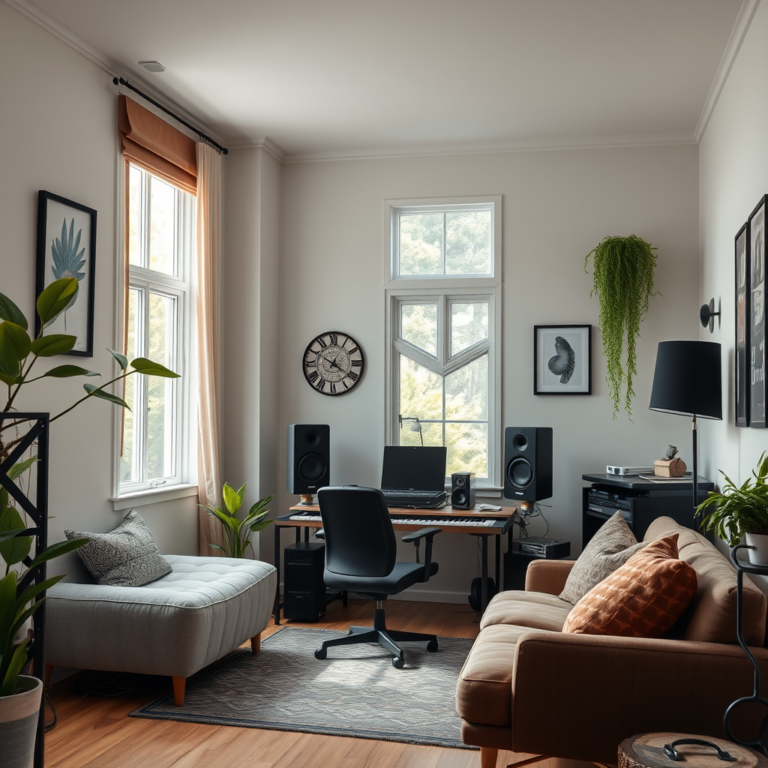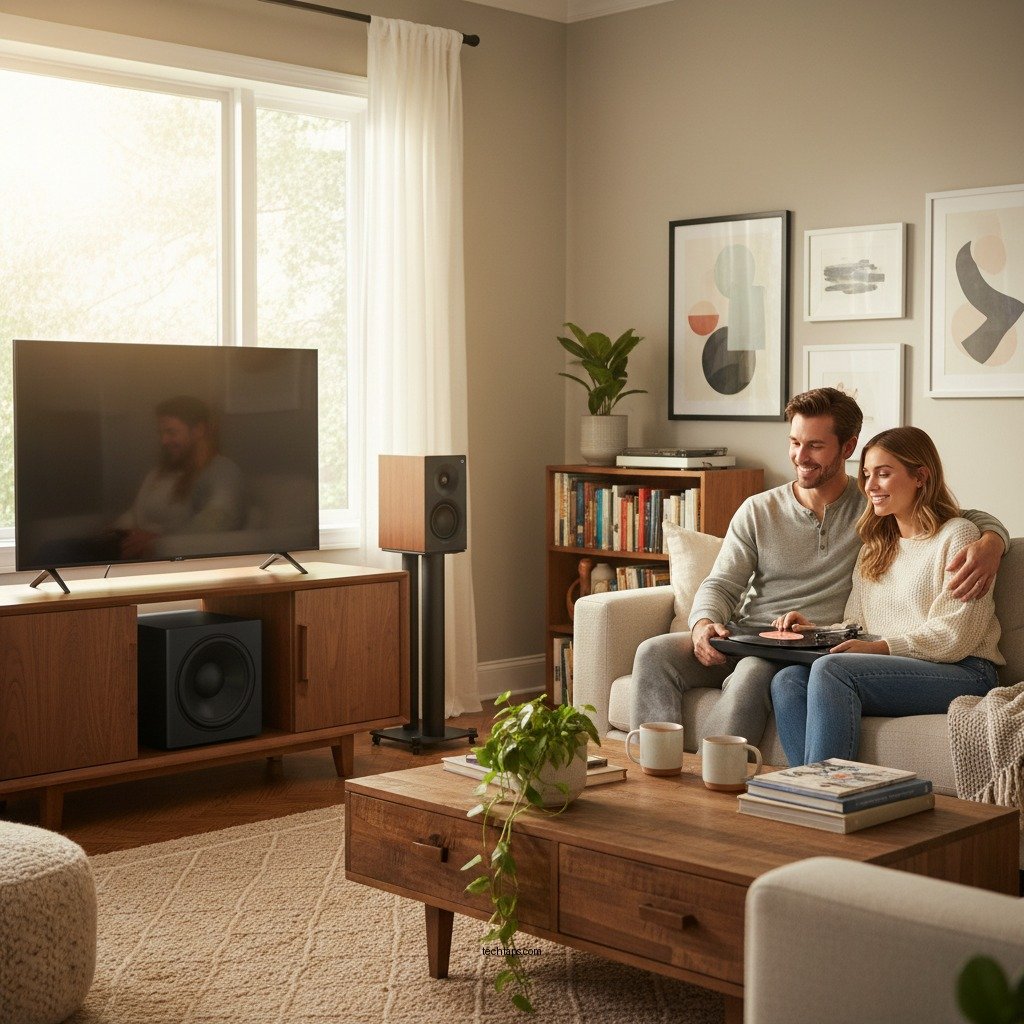

When looking to buy a subwoofer for balanced sound, prioritize the right size, power, and type of subwoofer to achieve your desired audio experience. A well-chosen subwoofer can significantly enhance your listening experience, delivering deep and rich bass that complements your music, movies, or gaming. This guide will help you understand the key factors to consider, ensuring you make an informed decision that enhances your audio enjoyment.
Understanding Subwoofer Basics
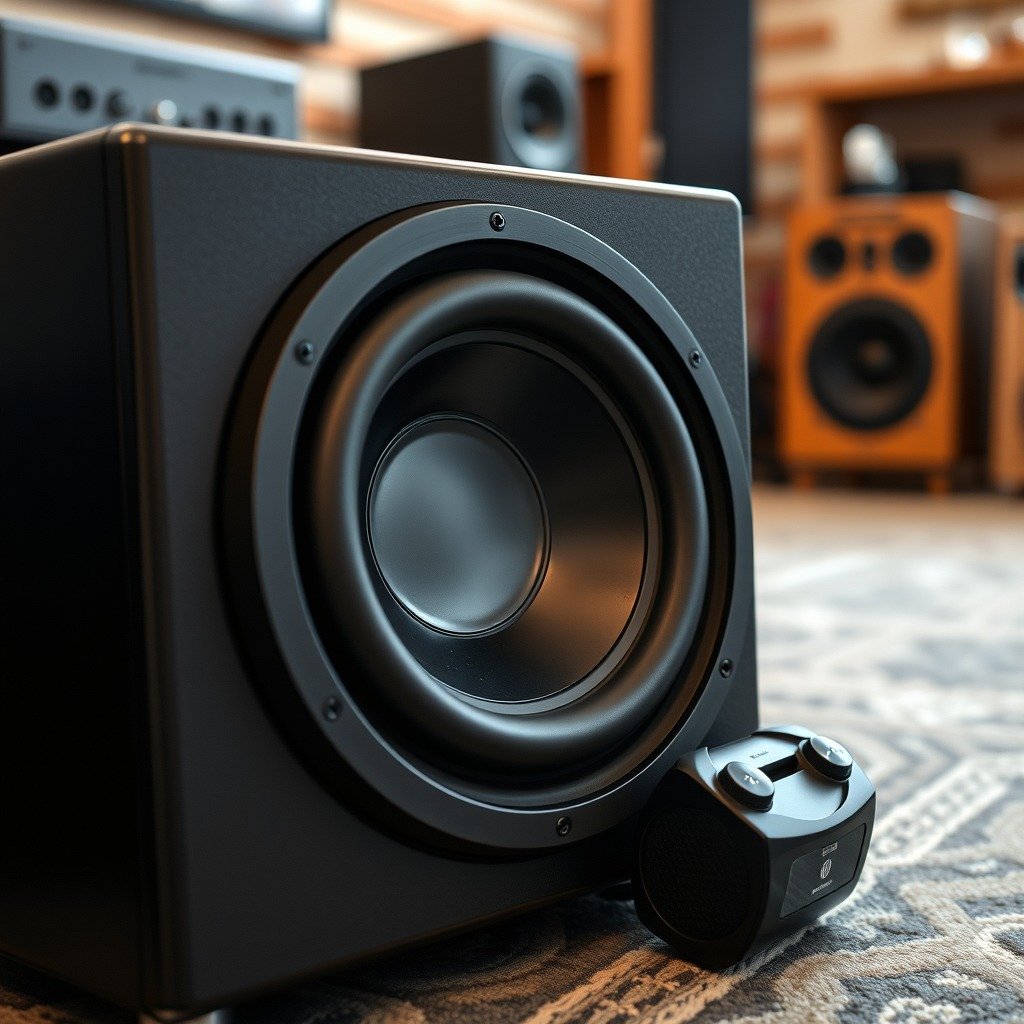
Subwoofers come in two primary types: passive and active. Passive subwoofers require an external amplifier to power them, making them suitable for custom audio setups or those who prefer a more tailored sound experience. On the other hand, active subwoofers have built-in amplifiers, making them easier to set up as they simply need to be plugged into a power source. Active subwoofers are generally more popular among consumers because they offer convenience without compromising on performance.
The size of a subwoofer also has a significant impact on sound quality and bass response. Generally, larger subwoofers are better at producing lower frequencies, resulting in deeper bass. However, the size should be matched to the room size and the type of audio experience you desire. A larger subwoofer in a small room could lead to overwhelming bass, while a smaller subwoofer in a spacious area may struggle to deliver the desired depth of sound.
Key Specifications to Consider
When selecting a subwoofer, several key specifications should be taken into account. Power ratings are crucial; RMS (Root Mean Square) power indicates the continuous power output of the subwoofer, providing a more realistic measure of performance than peak power ratings, which reflect the maximum output under specific conditions. For balanced sound, ensure the RMS power matches your audio needs.
Another critical specification is frequency response, measured in Hertz (Hz). This indicates the range of frequencies the subwoofer can reproduce. A wider frequency response means better sound clarity and depth. For music enthusiasts, a frequency range of 20Hz to 200Hz is typically ideal, as it covers the majority of the bass frequencies in most audio content.
Placement and Room Acoustics
The placement of your subwoofer plays a vital role in achieving optimal sound quality. Ideally, it should be positioned in a corner or against a wall to enhance bass response. Experimenting with placement—such as the “subwoofer crawl” technique, where you place the subwoofer in your listening position and move around the room to find where the bass sounds best—can yield significant improvements in sound quality.
Room acoustics also influence bass performance. Hard surfaces like tile or wood can cause sound reflections that may muddy the bass, while soft furnishings can absorb sound and reduce clarity. Consider using acoustic panels or rugs to manage reflections and improve overall sound quality.
Top 7 Subwoofer Models for Balanced Sound (2024)
| # | Model | Type | Power (RMS) | Frequency Response | Price | Rating |
|---|---|---|---|---|---|---|
| 1 | SVS SB-1000 Pro | Active | 300W | 24-260Hz | $499 | ★★★★☆ |
| 2 | Klipsch R-120SW | Active | 400W | 29-120Hz | $599 | ★★★★★ |
| 3 | BIC America F12 | Passive | 150W | 25-200Hz | $249 | ★★★★☆ |
| 4 | Polk Audio PSW505 | Active | 300W | 25-125Hz | $349 | ★★★★☆ |
| 5 | Yamaha NS-SW300 | Active | 250W | 20-160Hz | $599 | ★★★★☆ |
| 6 | MartinLogan Dynamo 700W | Active | 700W | 24-150Hz | $799 | ★★★★★ |
| 7 | Sonos Sub | Active | 250W | 25-200Hz | $699 | ★★★★☆ |
Integration with Your Sound System
Integrating your subwoofer with your existing sound system is vital for achieving balanced audio. The first step is to ensure compatibility with your current speakers, especially regarding impedance and power handling. Look for subwoofers that match or complement your main speakers to avoid any sound disparity.
Crossover settings also play a critical role in how well your subwoofer blends with the rest of your audio system. The crossover frequency determines at what point the subwoofer will take over bass duties from your main speakers. A good rule of thumb is to set the crossover frequency to about 10Hz above the lower limit of your main speakers’ frequency response. Proper crossover settings ensure a smooth transition between the subwoofer and other speakers, resulting in cohesive sound.
Budget Considerations
Subwoofers are available at various price points, and understanding what to expect within different budget ranges can help you make an informed decision. In the entry-level category (around $200-$400), you can find decent options that provide satisfactory bass for casual listening. Mid-range subwoofers ($400-$800) typically offer enhanced performance and features, such as adjustable settings and better build quality. For enthusiasts willing to invest, high-end models (over $800) provide superior sound quality, advanced technology, and exceptional build materials.
When budgeting for a subwoofer, consider not just the purchase price but also additional costs such as wiring, power management, and potential acoustic treatments for your room. Look for sales or package deals to maximize your value without sacrificing quality.
Brands and Models to Consider
When it comes to subwoofers, several reputable brands are known for their quality sound and performance. SVS, Klipsch, and Polk Audio frequently top the lists of audiophiles and casual users alike. Each of these brands offers a range of models catering to different needs and budgets, ensuring you can find a subwoofer that meets your specific requirements.
Popular models such as the SVS SB-1000 Pro and Klipsch R-120SW not only deliver powerful bass but also come with advanced features that enhance usability and sound quality. For those on a tighter budget, models like the BIC America F12 provide excellent performance without breaking the bank.Maintenance and Troubleshooting
To ensure your subwoofer lasts and performs optimally, regular maintenance is essential. Dust and debris can accumulate on the speaker cone and connections, which may cause sound distortion. Periodically inspect the unit and clean it gently with a soft cloth.
Common troubleshooting issues may include humming sounds or connectivity problems. If your subwoofer is humming, check the grounding and ensure all connections are secure. If it’s not producing sound, verify that the power is on and the settings are correctly adjusted. Familiarizing yourself with your subwoofer’s manual can also provide specific troubleshooting steps tailored to your model.
By considering these key factors when purchasing a subwoofer, you can ensure a balanced and immersive audio experience. Take your time to research and test different options, and remember to evaluate how each subwoofer fits into your specific needs and sound system. Happy listening!
Frequently Asked Questions
What should I consider when buying a subwoofer for balanced sound?
When buying a subwoofer for balanced sound, consider factors such as the size of the room, the type of music or media you enjoy, and the subwoofer’s specifications like frequency response and power output. Additionally, look for features like adjustable crossover settings, phase control, and room calibration technology to ensure an optimal listening experience tailored to your environment.
How do I determine the right size subwoofer for my space?
To determine the right size subwoofer for your space, measure the room’s dimensions and consider the volume of sound you desire. Generally, a larger room can accommodate a larger subwoofer, typically 12 inches or more, while smaller spaces may benefit from an 8 or 10-inch model. Always remember that a well-calibrated smaller subwoofer can outperform a larger one if it fits the room better.
Why is the placement of a subwoofer important for achieving balanced sound?
The placement of a subwoofer is crucial for achieving balanced sound because it affects how low frequencies interact with the room’s acoustics. Placing the subwoofer in a corner can boost bass response but may create an overpowering sound, while positioning it away from walls can provide a more balanced output. Experimenting with different locations and using techniques like the “subwoofer crawl” can help you find the ideal spot.
What are the best types of subwoofers for achieving a balanced sound?
The best types of subwoofers for achieving balanced sound are typically powered (active) subwoofers, as they have built-in amplification and allow for easier integration into audio systems. Look for models that offer adjustable settings and advanced features, such as DSP (Digital Signal Processing) capabilities, which can significantly enhance sound quality and balance across various audio formats.
Which brands are recommended for high-quality subwoofers that deliver balanced sound?
Recommended brands for high-quality subwoofers that deliver balanced sound include SVS, Klipsch, and REL Acoustics. These brands are known for their commitment to sound quality, innovative technology, and user-friendly features. Researching customer reviews and expert recommendations can also guide you toward the best subwoofer that meets your specific audio needs.
References
- https://www.britannica.com/art/sound
https://www.britannica.com/art/sound - https://www.sciencedirect.com/topics/engineering/subwoofer
https://www.sciencedirect.com/topics/engineering/subwoofer - Kinetochore geometry defined by cohesion within the centromere | Nature
https://www.nature.com/articles/nature07876 - https://pubmed.ncbi.nlm.nih.gov/31920014/
https://pubmed.ncbi.nlm.nih.gov/31920014/ - https://www.who.int/news-room/questions-and-answers/item/sound-and-health
https://www.who.int/news-room/questions-and-answers/item/sound-and-health - Google Scholar Google Scholar
https://scholar.google.com/scholar?q=subwoofer+sound+quality - Google Scholar Google Scholar
https://scholar.google.com/scholar?q=subwoofer+buying+guide - Google Scholar Google Scholar
https://scholar.google.com/scholar?q=subwoofer+balanced+sound - https://www.reuters.com/article/us-sound-technology-idUSKBN2A20ZZ
https://www.reuters.com/article/us-sound-technology-idUSKBN2A20ZZ - https://www.bbc.com/future/article/20200526-how-sound-affects-our-emotions
https://www.bbc.com/future/article/20200526-how-sound-affects-our-emotions