
Vinyl often provides a warmer, richer sound that many audiophiles prefer, while digital formats offer clarity and convenience. The choice between the two formats ultimately depends on your personal listening experience and what you value in music playback. This article explores the differences between vinyl and digital audio, helping you determine which format may sound better for you.
The Warmth of Vinyl Sound
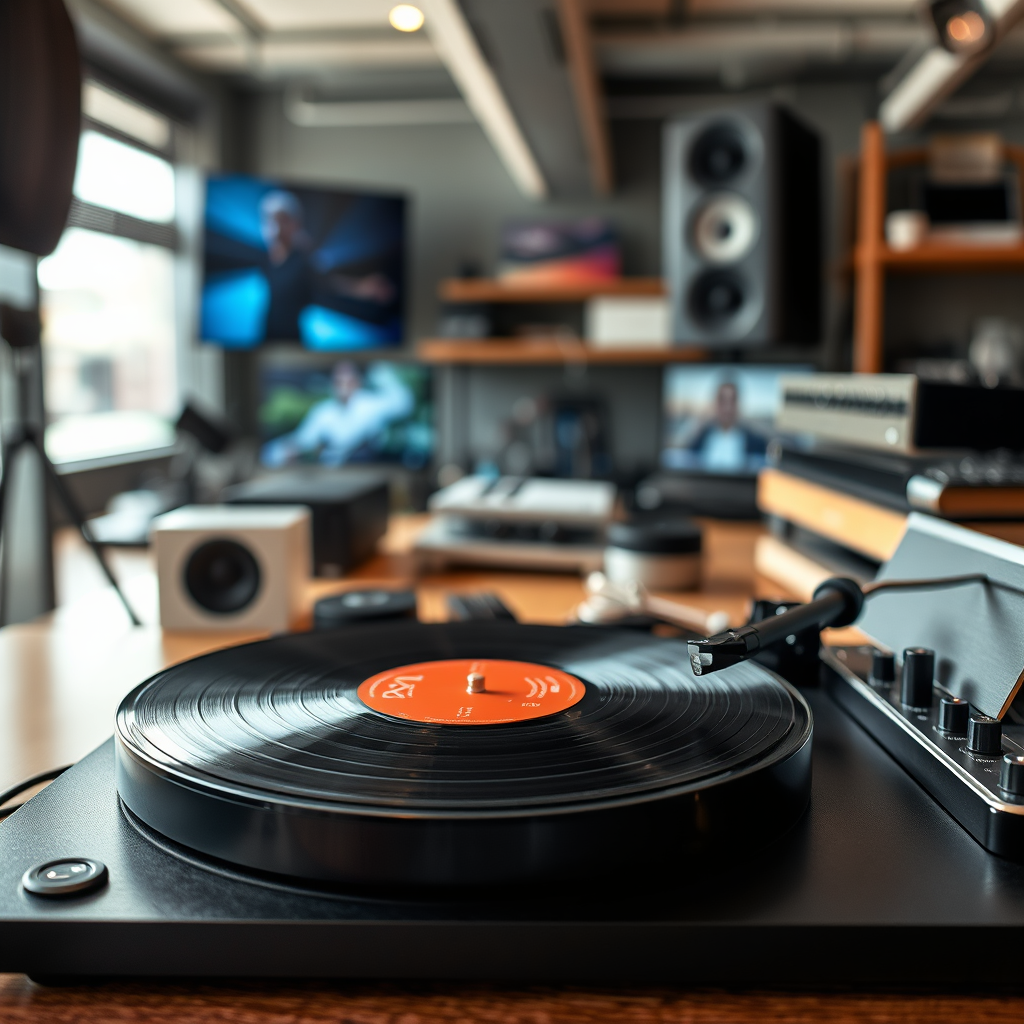
One of the most celebrated features of vinyl records is their unique warmth and depth, a byproduct of their analog nature. Unlike digital formats that rely on binary codes to represent sound, vinyl captures audio through physical grooves that mirror the sound waves. This analog representation allows for a dynamic range and a natural sound that many listeners find more pleasing and immersive.
For instance, when you play a vinyl record, you may notice that the bass feels fuller, and the treble has a certain brightness that digital formats sometimes struggle to replicate. This warmth can evoke a sense of nostalgia, reminding listeners of a time when music was experienced in a more tactile manner. Audiophiles often rave about the richness of instruments, the subtle nuances in vocal performances, and the overall emotional impact that vinyl can deliver.
Moreover, the physicality of vinyl encourages a more engaged listening experience. When you drop the needle onto a record, there’s an anticipation that builds, making the act of listening more ceremonial. It’s not just about the sound; it’s about the experience of enjoying music in its purest form.
The Clarity of Digital Audio
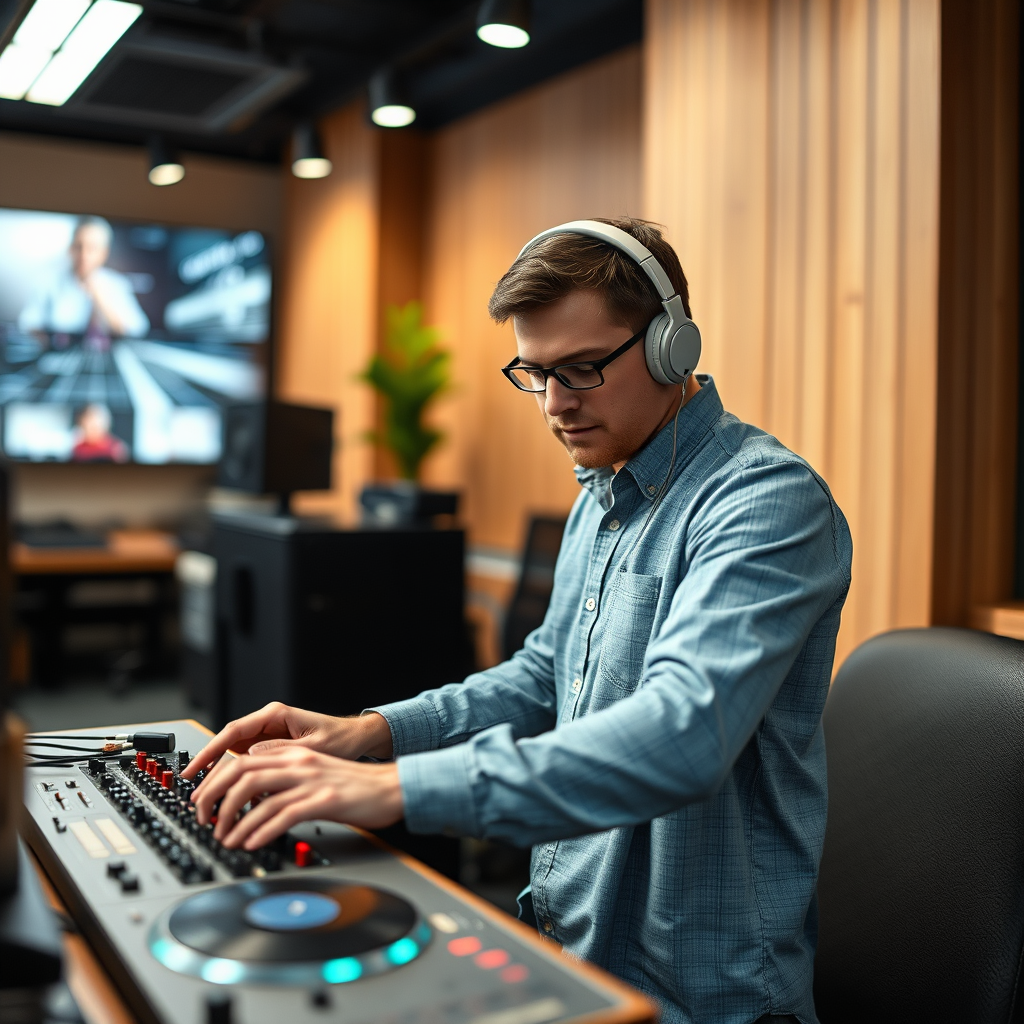
On the other hand, digital formats like MP3, WAV, or FLAC offer a level of clarity that vinyl simply cannot match. Digital audio captures sound waves in a precise manner, resulting in crisp and clear playback devoid of the surface noise that can plague vinyl records. This clarity is especially appreciated in genres like classical music or complex arrangements where every instrument’s detail matters.
For modern listeners, digital music provides high fidelity options, allowing for an impressive range of quality choices. Lossless formats, such as FLAC, promise to deliver audio that rivals the best vinyl recordings. With platforms like Tidal and Qobuz offering high-resolution streaming, it’s easier than ever to enjoy your favorite tracks with impeccable sound quality.
Additionally, digital audio’s convenience cannot be overstated. You can carry thousands of songs in your pocket, create playlists for any mood or occasion, and instantly access new releases without leaving your home. This ease of use appeals to the fast-paced lifestyles of many today, making digital formats a popular choice for on-the-go listening.
The Experience of Listening
The experience of listening to music can vary significantly between vinyl and digital formats. For many, listening to vinyl is not just about the sound; it’s a ritual. It involves careful handling of records, setting up the turntable, and often, the act of flipping the record halfway through an album adds to the experience. This tactile engagement can create a deeper connection to the music and a sense of appreciation for the artistry involved.
In contrast, digital music offers a different kind of experience—one that emphasizes accessibility and instant gratification. With a few taps on your smartphone or clicks on your computer, you can access vast libraries of music from around the world. Streaming services like Spotify, Apple Music, and YouTube Music provide instant access to millions of tracks, making it easy to discover new artists and genres.
This convenience is ideal for casual listeners and those who prioritize ease over ritual. The ability to have curated playlists, personalized recommendations, and the option to explore vast catalogs can make digital audio an attractive choice for a more diverse and spontaneous listening experience.
Durability and Maintenance
When considering durability and maintenance, vinyl records and digital files present stark contrasts. Vinyl is a physical medium that requires careful handling and storage. Records are susceptible to wear and scratches, which can affect sound quality. To keep them in good condition, collectors must invest in proper cleaning equipment, protective sleeves, and maintain a controlled environment to prevent warping.
On the flip side, digital files are incredibly durable. They can be easily backed up on multiple devices or cloud services, ensuring that your music collection remains intact even if your hardware fails. As long as digital files are stored correctly, they don’t degrade over time, making them a more practical choice for listeners who want a low-maintenance solution.
This difference can be crucial for those who find joy in collecting music. While vinyl enthusiasts may enjoy the hunt for rare records, digital collectors can curate expansive libraries with minimal effort and risk.
The Price Factor
When it comes to cost, collecting vinyl can be an expensive hobby. The price of records can vary widely, with new releases often costing around $20-$30, while rare finds can reach hundreds or even thousands of dollars. Additionally, a quality turntable, speakers, and other audio equipment can add to the overall investment required for a satisfying vinyl experience.
In contrast, digital music is generally much more affordable. Many platforms offer subscription services that provide unlimited access to vast catalogs for a monthly fee, often around $10-$15. This affordability makes it easy for listeners to explore new music without a significant financial commitment. Additionally, digital music often includes options for purchasing individual tracks or albums at a fraction of the cost of vinyl.
For budget-conscious music lovers, the choice may lean heavily toward digital, especially given the vast array of free and low-cost options available.
Personal Preference and Listening Environment
Ultimately, the choice between vinyl and digital often comes down to personal taste and the specific listening environment. Consider factors such as your audio setup, the space you have for records, and whether you prioritize sound quality or convenience.
If you have a dedicated listening room with high-quality equipment and enjoy the process of curating and caring for a vinyl collection, then the warmth and ritual of vinyl may resonate with you. However, if you’re constantly on the move or prefer the ability to explore music effortlessly, digital formats might be the perfect fit.
It’s also worth noting that many listeners find joy in embracing both formats. You might enjoy the warmth of vinyl for a cozy night in while relying on digital music for your daily commute. This hybrid approach allows for the best of both worlds, catering to various moods and situations.
The debate between vinyl and digital audio ultimately depends on what you value most in your listening experience. Whether you lean towards the nostalgic warmth of vinyl or the clarity of digital, each format has its unique benefits. Explore both options to find the best fit for your auditory preferences and enjoy your music in the way that resonates with you most.
Frequently Asked Questions
What are the main differences between vinyl and digital sound quality?
The primary differences between vinyl and digital sound quality stem from their formats. Vinyl records are analog and can produce a warm, rich sound with unique character due to the physical grooves and mastering process. In contrast, digital formats, such as MP3 or WAV, provide a cleaner and more precise reproduction of audio, often capturing a wider dynamic range. However, many audiophiles appreciate the warmth of vinyl, leading to ongoing debates about which offers a superior listening experience.
How does vinyl sound compared to digital audio?
Vinyl sound often features a warmer, more natural tone due to its analog nature, which can enhance the listening experience for certain genres, like jazz or classical. Digital audio, on the other hand, is more accurate and can reproduce frequencies beyond the capabilities of vinyl. Ultimately, the preference between vinyl and digital audio depends on personal taste—some listeners cherish the nostalgia and character of vinyl, while others prefer the clarity and fidelity of digital formats.
Why do some audiophiles prefer vinyl over digital formats?
Audiophiles often prefer vinyl over digital formats for several reasons, including the analog warmth and depth that vinyl provides. They argue that vinyl captures nuances and subtleties in music that digital formats, particularly compressed ones, may overlook. Additionally, the tactile experience of handling records and the larger album artwork can enhance the overall enjoyment of music, creating a more immersive listening experience that digital formats can’t replicate.
Which is better for music production: vinyl or digital?
For music production, digital formats are generally preferred due to their convenience, scalability, and precision. Digital audio workstations (DAWs) allow producers to manipulate sound with incredible accuracy, making it easier to edit and mix tracks. However, some producers still choose to release music on vinyl to capture that distinctive analog warmth and cater to niche markets that appreciate the vintage sound, demonstrating that both formats have their place in music production.
What are the best practices for maintaining vinyl records for optimal sound quality?
To maintain vinyl records for optimal sound quality, it’s crucial to handle them carefully and keep them clean. Always hold records by the edges to avoid fingerprints, and use a carbon fiber brush or a dedicated vinyl cleaning solution to remove dust and debris before each play. Additionally, store records vertically in a cool, dry place, away from direct sunlight, to prevent warping and deterioration. Following these best practices will help ensure that your vinyl collection sounds its best for years to come.
References
- Phonograph record
- https://www.npr.org/sections/monkeysee/2012/10/12/162394346/why-vinyl-records-sound-better-than-digital
- https://www.theguardian.com/music/2020/aug/06/vinyl-vs-digital-which-sounds-better
- https://www.scientificamerican.com/article/the-loudness-war/
- https://www.researchgate.net/publication/318852606_The_Impact_of_Vinyl_vs_Digital_Formats_on_Music_Listening_Experiences
- https://www.audioholics.com/education/what-sounds-better-vinyl-or-digital
- Water Baby on Grasstree Creek – ABC News
- https://www.musicbusinessworldwide.com/are-vinyl-records-really-better-than-digital/