What Is DTS:X?
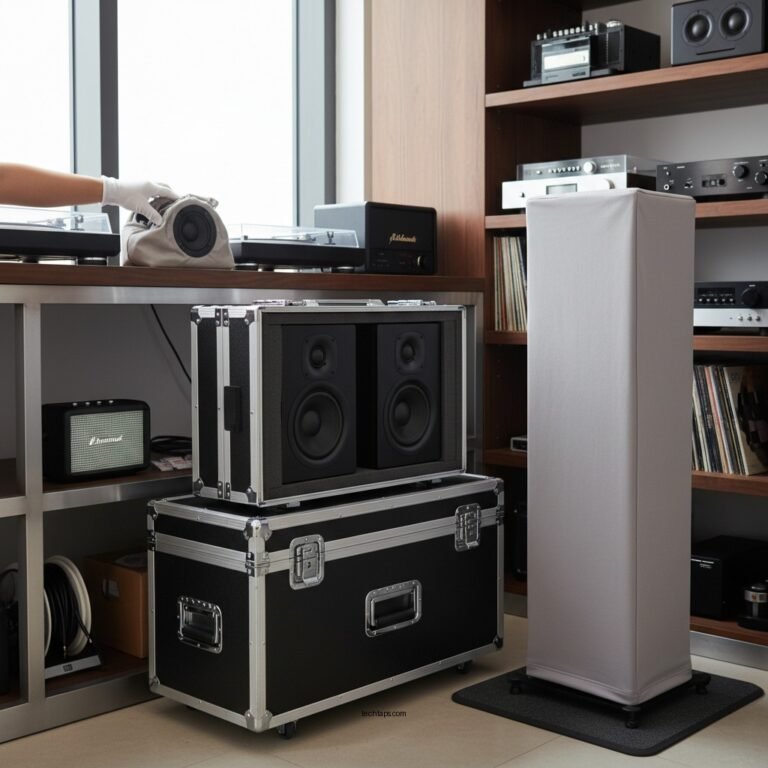
DTS:X is an object-based audio technology that enables sound to be placed and moved freely in a three-dimensional space. This technology allows sound designers to create an immersive environment where audio can come from any direction, enhancing the realism of the listening experience. Importantly, DTS:X supports various speaker configurations, including traditional surround sound setups and more contemporary layouts, such as those with ceiling or upward-firing speakers. The system adjusts to the speaker setup in real-time, offering unparalleled flexibility for home theater systems. This adaptability means that users do not need to invest in specific speaker arrangements to fully enjoy DTS:X content; it works with what they have, optimizing the sound for their environment.
The technology also incorporates metadata to dynamically render audio in a way that fits the playback environment. For instance, if a scene in a movie features rain, DTS:X can place raindrops in a way that makes them sound as if they are falling all around the listener. This capability is one of the reasons DTS:X has gained popularity among audiophiles and home theater enthusiasts alike.
How Does Dolby Atmos Work?

Dolby Atmos also uses object-based audio, allowing sound designers to place audio elements in a 3D space for a more realistic experience. Like DTS:X, Dolby Atmos enables the creation of a sound environment where sounds can be perceived as coming from above, below, and all sides. However, Dolby Atmos typically requires a specific speaker setup for optimal performance, often involving overhead speakers or upward-firing speakers designed to bounce sound off the ceiling.
In a typical Dolby Atmos setup, you might find a 5.1.2 or 7.1.4 arrangement, where the last number indicates the overhead speakers. This structured setup is essential for delivering the full experience of Dolby Atmos, as the technology is designed to maximize the potential of these additional speakers. The sound is then rendered in real-time, allowing for a dynamic audio experience that closely mirrors the intended sound design of the content. Whether it’s the sound of a helicopter flying overhead or the subtle rustle of leaves, Dolby Atmos aims to transport the listener into the heart of the action.
Key Differences Between DTS:X and Dolby Atmos
The fundamental difference between DTS:X and Dolby Atmos lies in their flexibility and setup requirements. DTS:X offers more freedom in speaker configuration, allowing users to adapt their existing setups without needing to replace or add specific types of speakers. This versatility makes it appealing for those who may not have the resources or desire to invest in a specific speaker arrangement.
Conversely, Dolby Atmos has a more defined setup requirement, which can be a barrier for some users. The necessity of overhead or upward-firing speakers means that users must invest more into their home theater systems to experience the full benefits of the format. Additionally, while both formats are designed to deliver a high-quality audio experience, Dolby Atmos is often more widely supported in commercial products, particularly in streaming services, Blu-ray discs, and cinemas.
Comparison Table: DTS:X vs. Dolby Atmos
DTS:X vs. Dolby Atmos Feature Comparison
| # | Feature | DTS:X | Dolby Atmos |
|---|---|---|---|
| 1 | Object-Based Audio | Yes | Yes |
| 2 | Speaker Configuration Flexibility | High | Medium |
| 3 | Overhead Speaker Requirement | No | Yes |
| 4 | Content Availability | Growing | Extensive |
| 5 | Dynamic Range | High | High |
| 6 | Metadata Support | Yes | Yes |
| 7 | Cinema Support | Limited | Extensive |
| 8 | Home Theater Integration | Flexible | Structured |
| 9 | Gaming Support | Yes | Yes |
| 10 | Price Range (Licensing) | Variable | Premium |
Audio Quality Comparison
Both DTS:X and Dolby Atmos provide high-definition audio, but the listening experience can vary significantly based on the content and playback equipment. DTS:X is designed to deliver a more dynamic range of sound, allowing audio to shift and flow seamlessly in relation to the action on screen. This capability can be particularly effective in action films, where the audio experience must keep pace with rapid changes in visuals.
On the other hand, Dolby Atmos is renowned for its clarity and precision. The format excels in crafting detailed soundscapes that enhance the storytelling aspect of films and shows. For instance, in a well-mixed Dolby Atmos track, the subtle nuances of a character’s breathing or the distant sound of a train can be heard distinctly, even in a busy sound environment. This attention to detail is a hallmark of Dolby Atmos, making it a preferred choice for many cinematic releases.
Audio Quality Bar Chart
Audio Quality Comparison of DTS:X and Dolby Atmos
Content Availability
When it comes to content availability, Dolby Atmos has a broader library of movies, TV shows, and music that support the format, especially in streaming services. Major platforms such as Netflix, Apple TV+, and Disney+ provide extensive support for Dolby Atmos, making it easier for consumers to access content that utilizes this advanced audio technology. This wide adoption is a significant factor for many users when deciding on an audio format.
DTS:X content is available but is not as extensive, often found in select Blu-ray discs and specific streaming platforms. While DTS:X is gaining traction and more content is being produced in this format, users may find that their choices are somewhat limited compared to the wealth of Dolby Atmos-supported titles. This discrepancy can affect the overall user experience, particularly for those who enjoy watching the latest films and series.
Which Should You Choose?
Your choice may depend on your existing audio equipment and preferences. If you have a setup that supports both formats, consider testing both to see which one resonates more with your audio preferences. For example, if you already have a home theater system with a specific speaker configuration optimized for Dolby Atmos, it may be easier to invest in content that supports that format.
If you prioritize content availability and seamless integration with popular streaming platforms, Dolby Atmos may be the better option for you. However, if you value unique flexibility for custom setups or have older audio equipment, DTS:X is worth considering due to its adaptability and dynamic sound capabilities.
Both DTS:X and Dolby Atmos provide unique advantages and enhance audio experiences, but your best choice will depend on your specific needs and equipment. Consider trying out both formats to see which one resonates more with your audio preferences. The ultimate goal is to create an immersive sound environment that enhances your enjoyment of movies, music, and gaming, regardless of the format you choose.
Frequently Asked Questions
What is DTS:X and how does it work?
DTS:X is an advanced audio technology that allows for immersive sound experiences in home theaters and cinemas. It utilizes object-based audio, which means sounds can be placed and moved in a three-dimensional space, providing a more realistic and engaging listening experience compared to traditional surround sound formats.
How does DTS:X compare to Dolby Atmos?
While both DTS:X and Dolby Atmos use object-based audio for enhanced soundscapes, they differ in implementation and compatibility. Dolby Atmos tends to have broader support across devices and content, while DTS:X offers greater flexibility in speaker configurations, allowing users to create a customized audio experience based on their setup.
Why should I choose DTS:X over Dolby Atmos for my home theater?
Choosing DTS:X might be preferable if you have a diverse speaker setup or if you prefer a system that allows for more customization. Additionally, many Blu-ray discs and streaming services now support DTS:X, providing an extensive library of content that can take full advantage of this audio format.
What are the best devices that support DTS:X?
Some of the best devices that support DTS:X include high-end AV receivers from brands like Denon, Yamaha, and Onkyo, as well as select Blu-ray players and soundbars. Make sure to check product specifications to ensure compatibility with DTS:X audio for an optimal experience.
Which movies or shows are available in DTS:X format?
Numerous movies and shows are available in DTS:X format, especially popular titles released on Blu-ray and streaming platforms. Look for films like “John Wick,” “Blade Runner 2049,” and various titles from Disney+ and Amazon Prime Video that feature DTS:X audio for an immersive viewing experience.
References
- DTS, Inc.
https://en.wikipedia.org/wiki/DTS:X - https://www.bbc.com/news/technology-45325481
https://www.bbc.com/news/technology-45325481 - https://www.theguardian.com/technology/2016/sep/01/dolby-atmos-dts-x-what-is-it-and-how-does-it-work
https://www.theguardian.com/technology/2016/sep/01/dolby-atmos-dts-x-what-is-it-and-how-does-it-work - https://www.sciencedirect.com/topics/computer-science/dts-x
https://www.sciencedirect.com/topics/computer-science/dts-x - https://www.nytimes.com/2015/09/18/technology/dolby-atmos-surround-sound.html
https://www.nytimes.com/2015/09/18/technology/dolby-atmos-surround-sound.html - Google Scholar Google Scholar
https://scholar.google.com/scholar?q=DTS:X+vs+Dolby+Atmos - Google Scholar Google Scholar
https://scholar.google.com/scholar?q=surround+sound+formats+DTS:X+Dolby+Atmos - Google Scholar Google Scholar
https://scholar.google.com/scholar?q=audio+technology+DTS:X+Dolby+Atmos - https://www.audioholics.com/education/dolby-atmos-vs-dts-x-which-is-better
https://www.audioholics.com/education/dolby-atmos-vs-dts-x-which-is-better - Google Scholar Google Scholar
https://scholar.google.com/scholar?q=What+Is+DTS:X+and+How+Does+It+Compare+to+Dolby+Atmos?