
Creating a great home theater setup boils down to selecting the right equipment, optimizing your space, and ensuring comfort. The key elements—display, audio, seating, lighting, connectivity, acoustics, and additional features—work together to provide an immersive experience that elevates movie nights and binge-watching sessions. By focusing on these aspects, you can transform any room into a cinematic oasis that rivals the big screen.
Choosing the Right Display
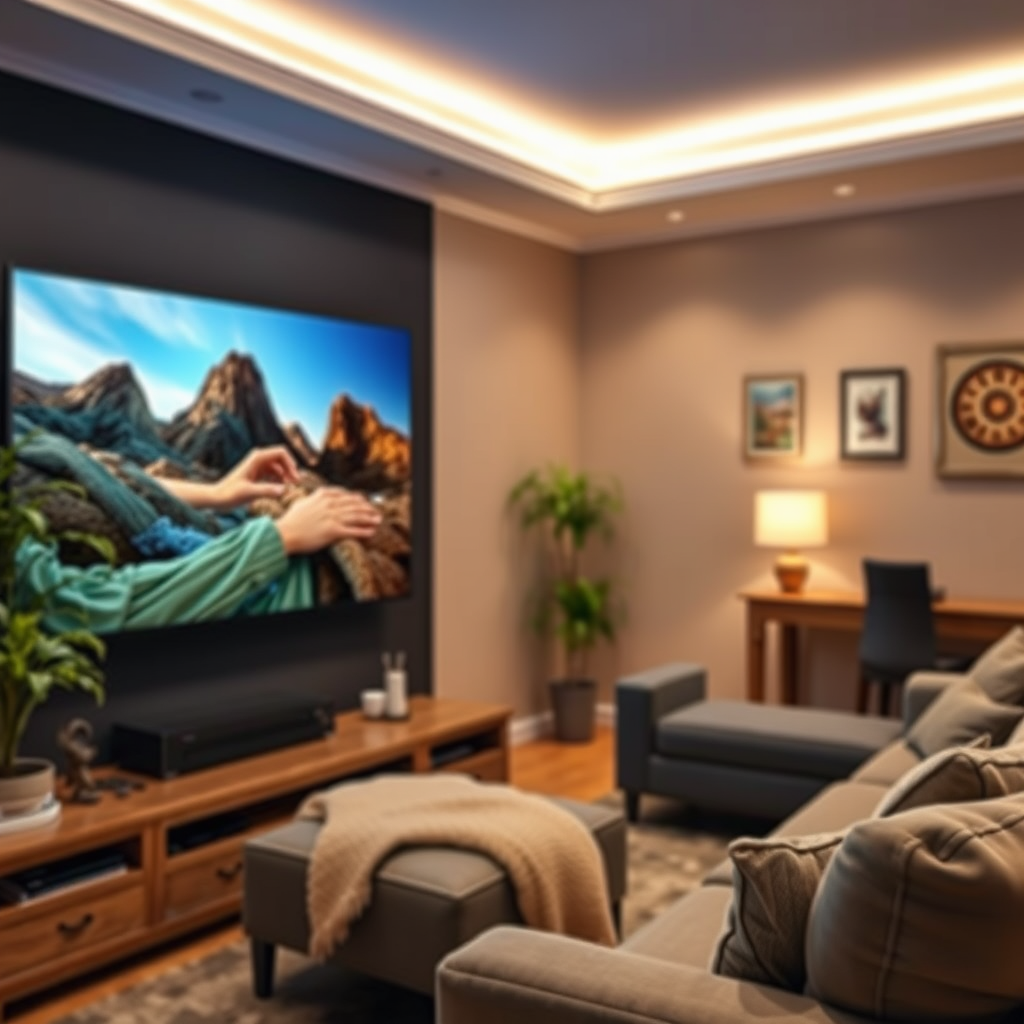
The display is arguably the centerpiece of your home theater, and choosing the right one can significantly enhance your viewing experience. Opting for a high-resolution screen, such as a 4K or OLED, will provide you with vibrant images and sharp detail. The clarity offered by these technologies allows you to see every nuance in your favorite films, from the smallest facial expressions to the grandest landscapes.

When considering screen size, it’s essential to factor in your room dimensions and viewing distance. A general rule of thumb is to sit at a distance that is 1.5 to 2.5 times the diagonal size of the screen for optimal viewing. For instance, if you have a 65-inch screen, you should ideally sit between 8 to 13 feet away. Additionally, consider the layout of your room; a larger screen might overwhelm a small space, while a smaller display can get lost in a vast area.
Essential Audio Components
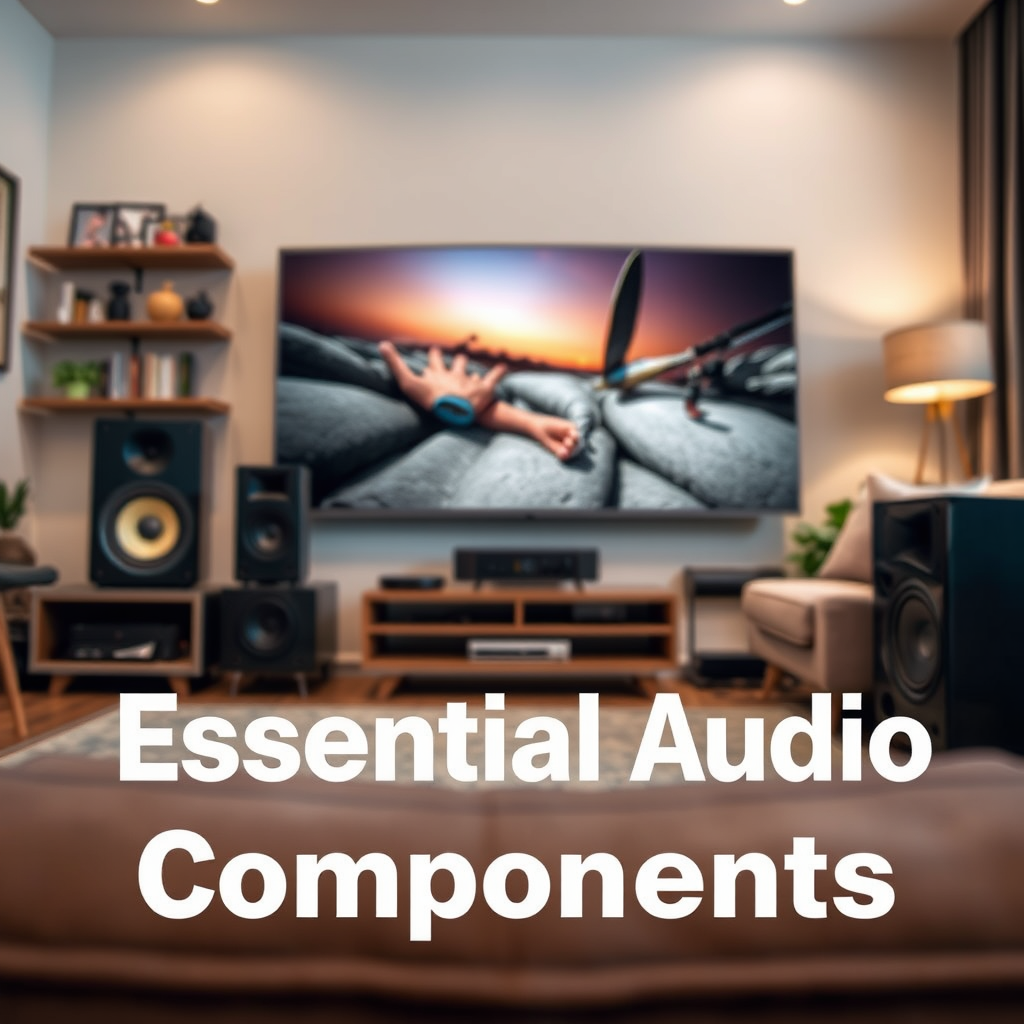
Sound can make or break your home theater experience, which is why investing in a quality sound system is crucial. A surround sound setup, featuring multiple speakers strategically placed in the room, creates an immersive audio landscape that pulls you into the action. Look for systems that support formats like Dolby Atmos, which adds height channels for a truly three-dimensional sound experience.
Speaker placement is also vital for achieving optimal sound distribution. The front speakers should ideally be at ear level, while the surround speakers can be slightly above ear level, positioned to the sides or behind the seating area. This setup will help in creating a balanced sound field that envelops you, making you feel like you’re right in the middle of the action.
Comfortable Seating Arrangements
Comfort is key in any home theater, especially for those long movie marathons or binge-watching sessions. When selecting seating, prioritize options that offer good support and cushioning. Recliners or sofas with adjustable positions can enhance comfort, allowing you to find the perfect angle for viewing.
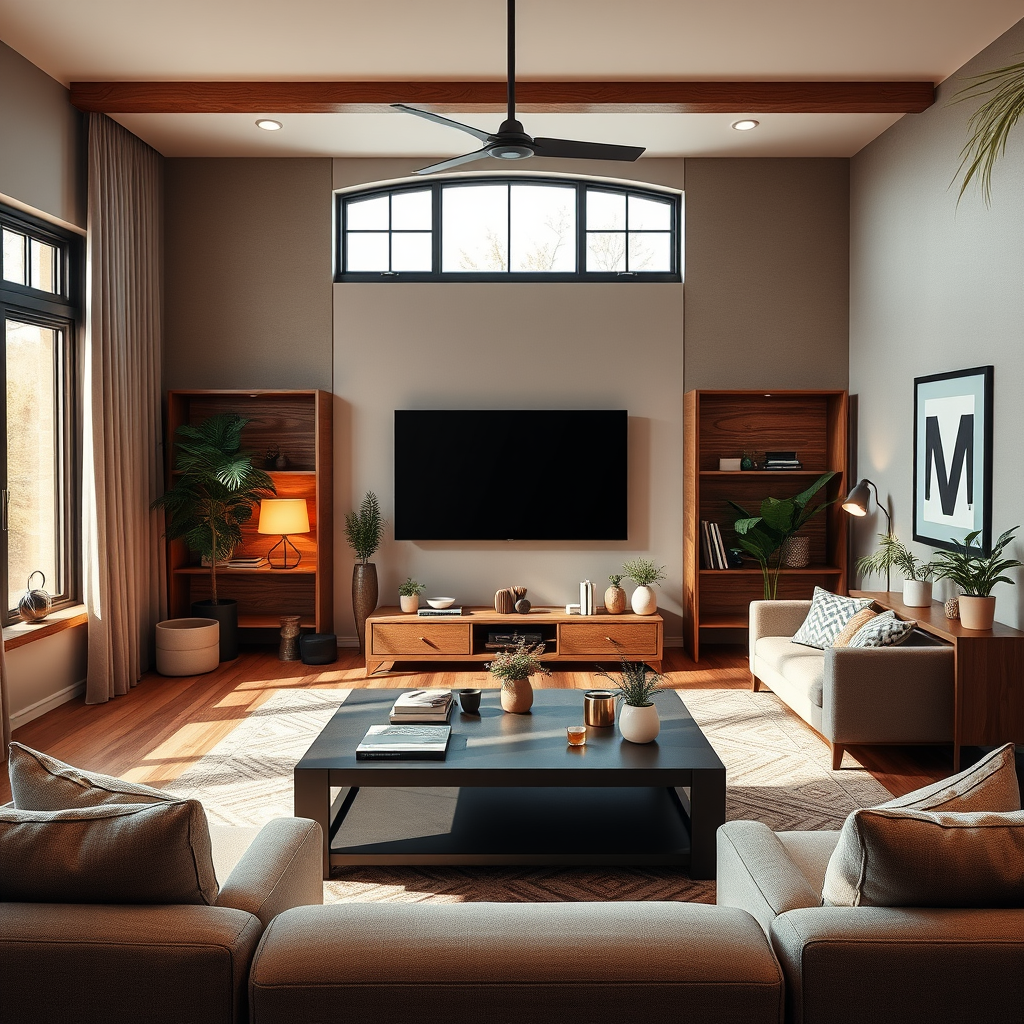
In terms of arrangement, consider the viewing angle and distance from the screen. Ideally, seats should be positioned so that everyone has an unobstructed view of the screen, with the primary seating arranged in a way that ensures a clear line of sight. If space permits, tiered seating can be an exciting option, allowing for better visibility for all viewers, especially in larger rooms.
Lighting Control
Lighting plays a crucial role in setting the mood for your home theater experience. Implementing blackout curtains or shades can significantly reduce glare and enhance picture quality by preventing outside light from washing out your screen. This is especially important during daytime viewings.
Additionally, using dimmable lighting options can help create the right atmosphere for movie watching. Consider installing smart light bulbs that allow you to adjust brightness levels or even change colors to enhance particular scenes. Accent lighting, such as LED strips around the screen or floor lamps with warm tones, can add a cozy feel without detracting from the viewing experience.
Equipment and Connectivity
Having the right sources is essential for a well-rounded home theater experience. Ensure you have a reliable Blu-ray player, streaming device, or gaming console that supports high-definition output. This diversity of content sources means you’ll always have something to watch, whether it’s the latest blockbuster or your favorite classic.
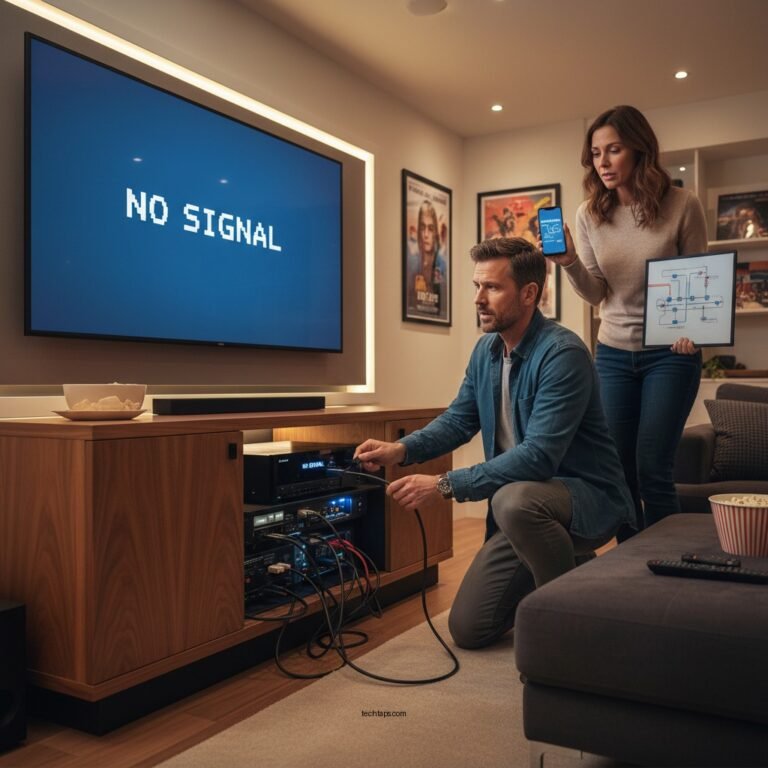
Connectivity also matters; using high-quality HDMI cables will help maintain picture and sound quality across your devices. A reliable AV receiver acts as the hub for your system, allowing you to manage all your devices seamlessly. Look for receivers that support various channels and formats to future-proof your setup as technology continues to evolve.
Room Acoustics and Design
Room acoustics can dramatically impact the quality of sound in your home theater. If you want to minimize external noise interference, consider soundproofing options such as acoustic panels, carpets, or even heavy drapery. These materials can absorb sound and reduce echoes, creating a more controlled audio environment.
Additionally, the design of the room can enhance acoustics. Furnishings like rugs and upholstered furniture not only add comfort but also contribute to sound absorption, helping to create a warm and inviting space. Keep in mind that hard surfaces, such as tile or hardwood floors, can reflect sound and create unwanted echoes, so balance these elements with softer materials.
Additional Features and Technology
To elevate your home theater experience, incorporate smart home technology that allows for easy control of your setup. Smart remotes, voice-controlled assistants, or even mobile apps can simplify how you manage your devices, making it easier to switch between sources and adjust settings without fumbling for multiple remotes.
You might also explore advanced options like 3D capability or projectors for an even more immersive experience. A projector can provide a larger image that replicates the movie theater feel, while 3D technology can add an exciting dimension to your favorite films, taking the viewing experience to the next level.
Creating the perfect home theater setup involves a blend of technology, comfort, and design. By focusing on the right display, audio quality, seating, lighting, and room acoustics, you can transform your space into an entertainment oasis. Take the time to evaluate your options and invest in the right elements to elevate your viewing experience today—your movie nights will never be the same!
Frequently Asked Questions
What are the essential components of a good home theater setup?
A good home theater setup typically includes a high-quality display, such as a 4K TV or projector, a surround sound audio system, and a reliable media source like a streaming device or Blu-ray player. Additionally, comfortable seating and proper lighting can enhance the viewing experience. Investing in quality cables and a good power supply can also make a significant difference in performance and longevity.
How can I optimize my room for the best home theater experience?
To optimize your room for a home theater setup, consider factors like room size, layout, and acoustics. Position your screen at eye level and ensure that seating is arranged for an unobstructed view. Adding acoustic panels can help reduce sound reflections, while blackout curtains can minimize light interference. Additionally, controlling ambient lighting can enhance your viewing experience, making it feel more like a theater.
Why is sound quality important in a home theater setup?
Sound quality is crucial in a home theater setup because it significantly affects the overall viewing experience. A well-balanced audio system can create an immersive environment, allowing viewers to hear dialogue clearly and appreciate sound effects. High-quality speakers and a dedicated subwoofer help deliver a rich, full sound that complements the visuals, making movies and shows more engaging.
What is the best type of seating for a home theater?
The best type of seating for a home theater combines comfort and support, ideally featuring recliners or dedicated theater seats with headrests and lumbar support. Look for seating with adjustable features and ample space between rows to ensure an unobstructed view. Additionally, consider materials that are easy to clean and maintain, as spills are common in a home theater setting.
Which brands are known for high-quality home theater equipment?
Several brands are renowned for high-quality home theater equipment, including Sony for televisions, Denon for audio receivers, and Klipsch or Bose for speakers. For projectors, brands like Epson and BenQ offer excellent options. When selecting equipment, it’s essential to read reviews and consider compatibility with other components to create a seamless home theater experience.
References
- Home cinema
- https://www.cnet.com/home-theater/what-is-a-home-theater/
- https://www.techradar.com/news/home-theater-setup-guide
- https://www.wired.com/story/home-theater-setup-guide/
- https://www.consumerreports.org/home-theater/home-theater-setup-tips/
- https://www.npr.org/sections/health-shots/2019/05/06/719572641/how-to-set-up-your-home-theater-system
- https://www.digitaltrends.com/home-theater/how-to-set-up-a-home-theater-system/